Russia and its Rulers 1855-1964
‘Russia and its Rulers 1855-1964’ explores a dramatic century where a ‘backward’, peasant-majority autocracy traded its Tsars for Communist dictators, navigating through chaotic revolutions to ultimately emerge as a formidable, nuclear-armed superpower.
Chronological
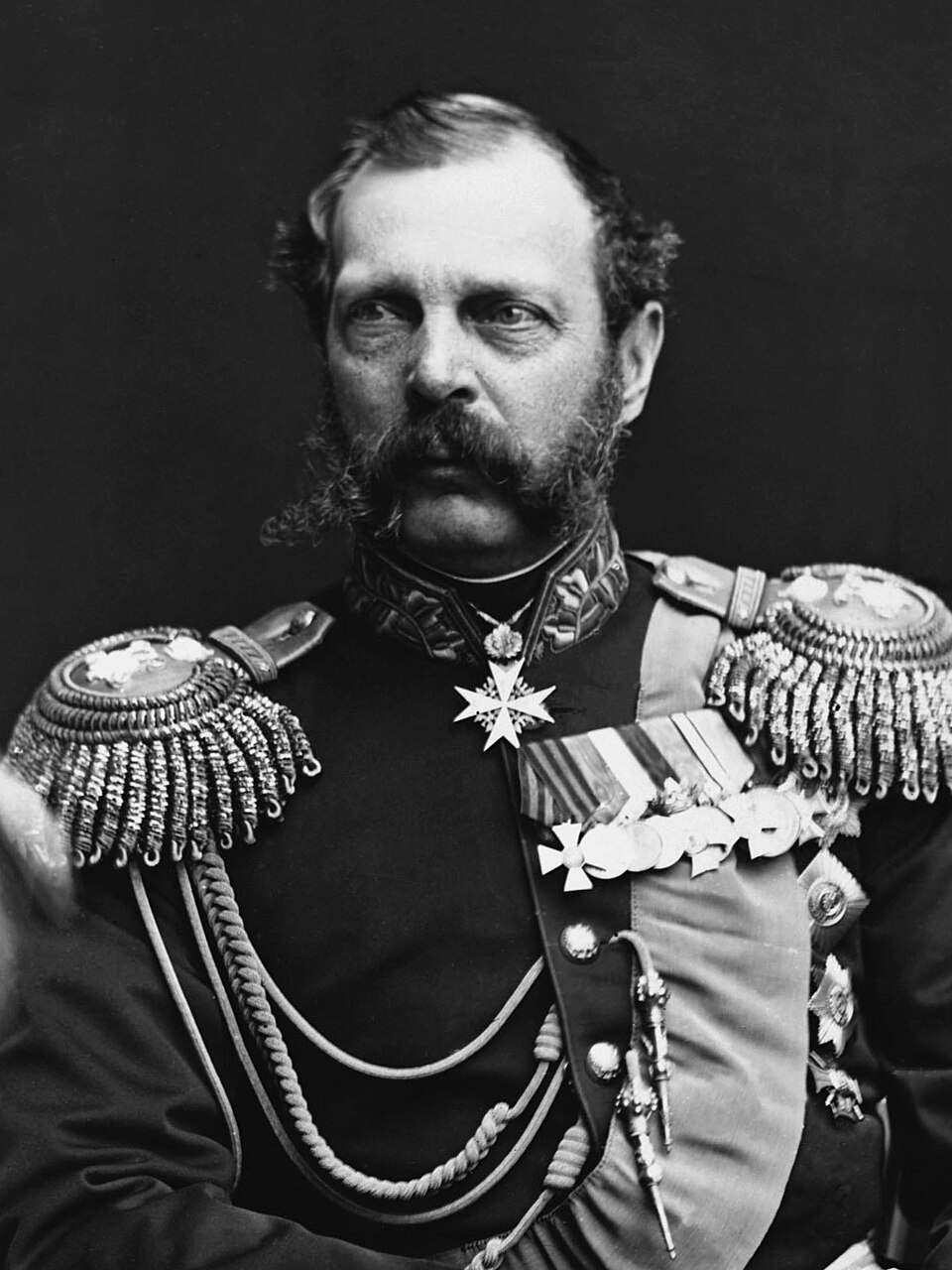
Alexander II
Alexander II, who ruled from 1855 to 1881, came to the throne determined to preserve autocracy while recognising that Russia needed significant change to remain a great power. His reign became defined by ambitious reforms—most famously the emancipation of the serfs—as he sought to modernise a state weakened by social unrest, economic stagnation and military failure.
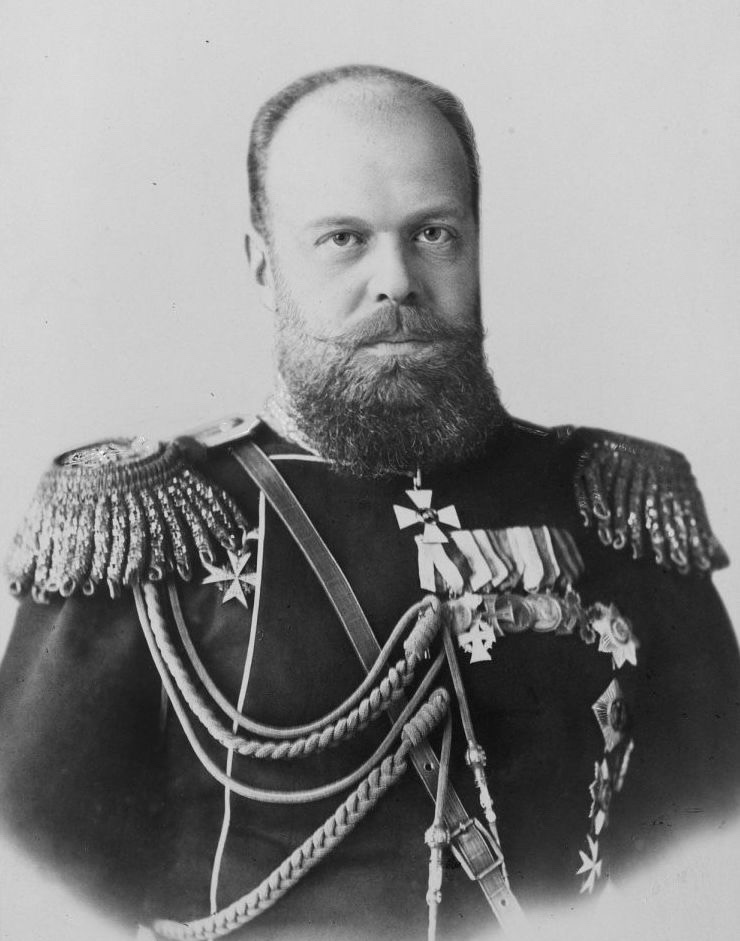
Alexander III
Alexander III, who ruled from 1881 to 1894, came to power determined to reverse his father’s reforms and restore the full strength of autocracy after Alexander II’s assassination. His reign became defined by repression, Russification and centralised control, as he sought to stabilise the empire through strict authority rather than liberal change.
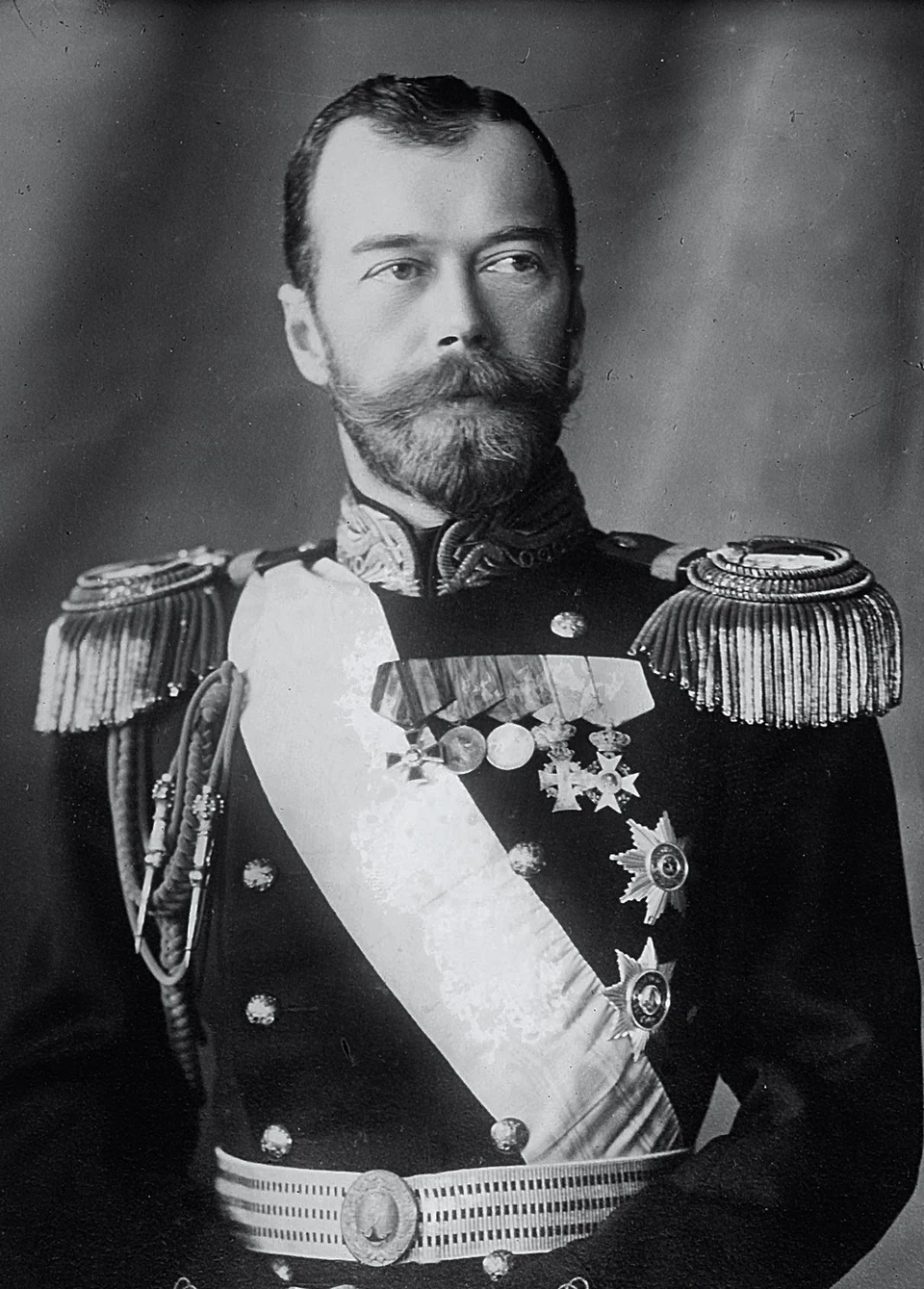
Nicholas II
Nicholas II, who ruled from 1894 to 1917, inherited the throne unprepared and uncertain, yet utterly convinced of his divine right to autocracy. His reign became defined by mounting opposition, military disasters and political upheaval, culminating in the collapse of the Romanov dynasty during the February Revolution.
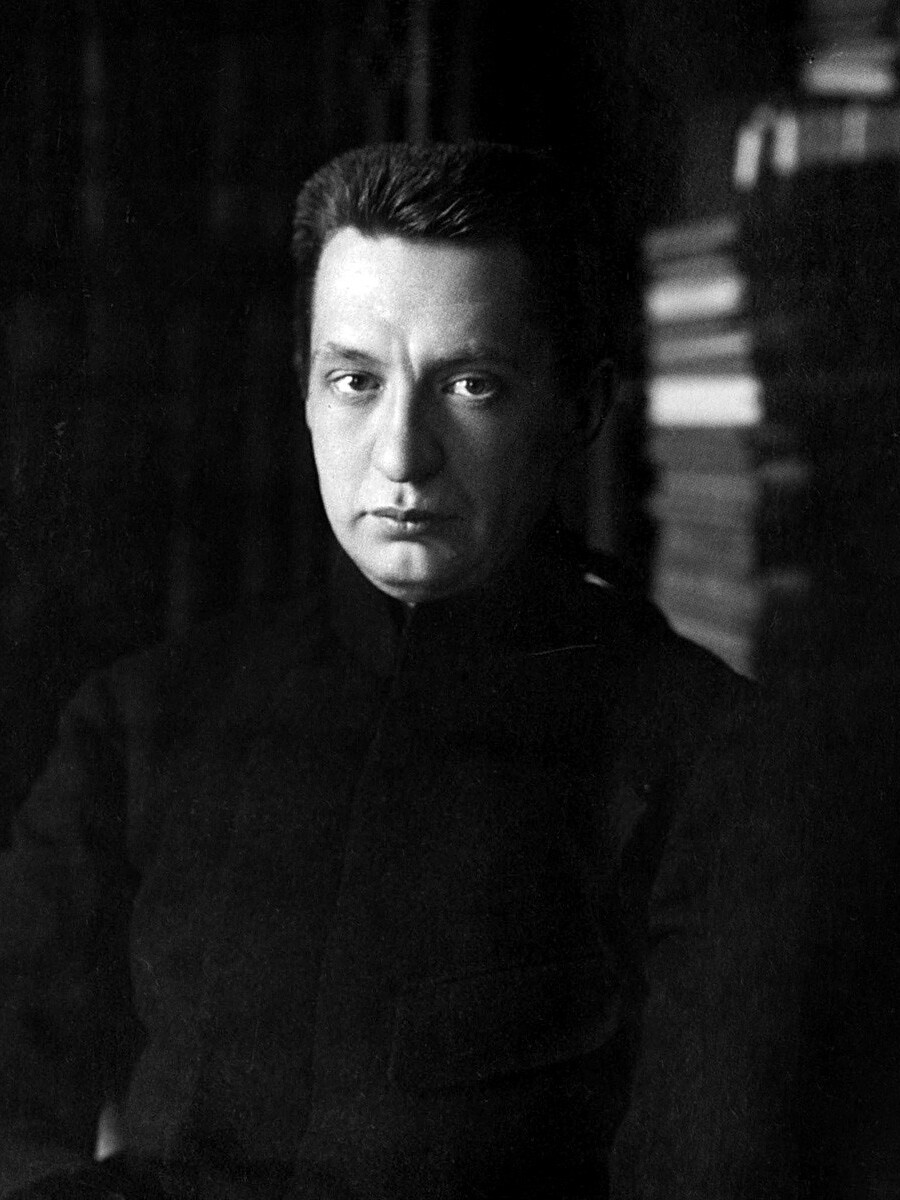
Provisional Government
The Provisional Government, formed in March 1917 after the abdication of Nicholas II, was a temporary authority made up largely of liberal Duma politicians who aimed to steer Russia toward a democratically elected Constituent Assembly. From the outset, however, it struggled to assert real power, operating under the shadow of the Petrograd Soviet and facing escalating crises in war, land, and economic stability that ultimately doomed it within eight turbulent months.
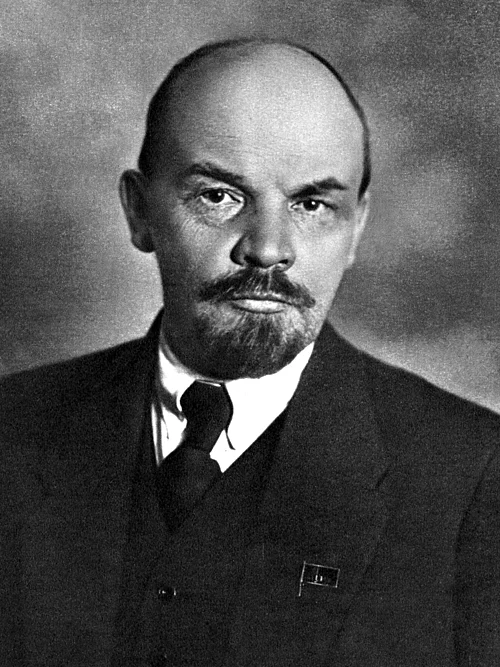
Vladimir Lenin
Lenin, returning to Russia in 1917 with a clear revolutionary vision, rapidly transformed the Bolsheviks from a marginal faction into the driving force of the October Revolution. His leadership between 1917 and 1924 reshaped Russia through radical political, economic and social change, laying the foundations of the world’s first communist state.
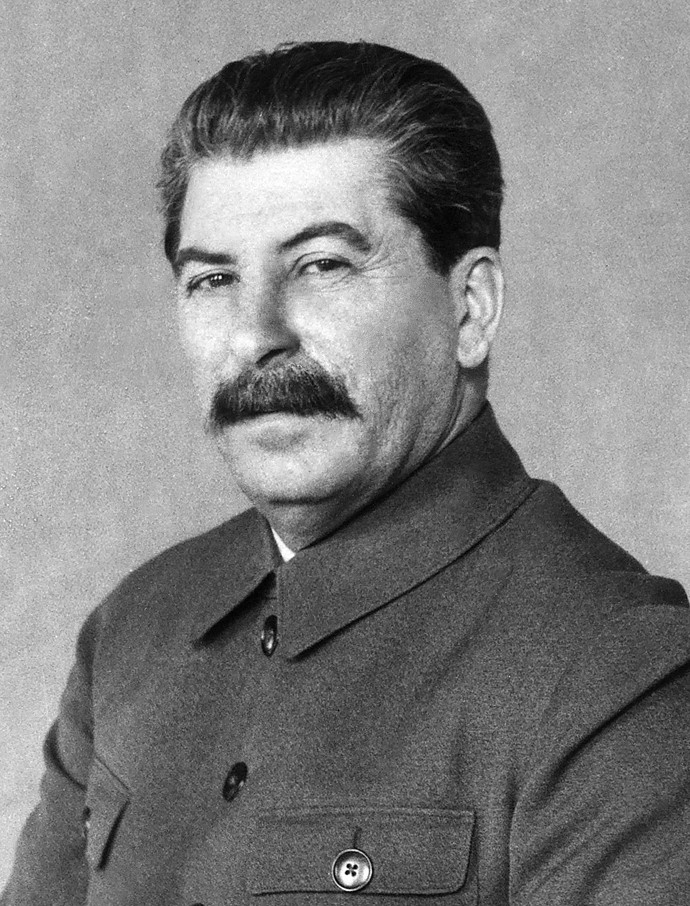
Joseph Stalin
Stalin, who emerged as Soviet leader after Lenin’s death in 1924, transformed himself from a seemingly unremarkable committee bureaucrat into the dominant figure of the USSR through calculated alliances, political manipulation and control of the Party machine. His rule from 1924 to 1953 reshaped every aspect of Soviet life through rapid industrialisation, collectivisation and pervasive terror, creating a regime marked by both immense transformation and immense human cost.
Nikita Khrushchev
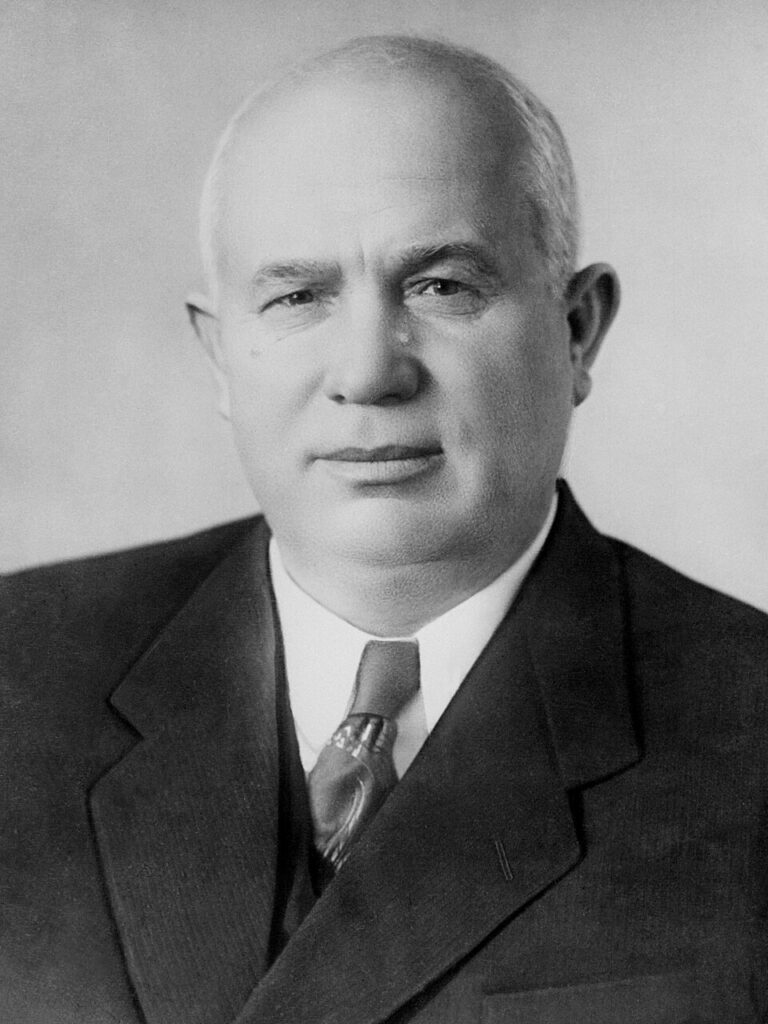
Khrushchev, who rose to power after Stalin’s death in 1953, set out to reshape the Soviet Union by dismantling the worst excesses of Stalinism and promoting a more open, reform‑minded style of leadership. His decade in power became defined by bold—sometimes reckless—experiments in domestic policy and a dramatic shift toward “peaceful coexistence” abroad, marking one of the most turbulent and transformative periods of the Soviet era.
Exam Zone
This section has been designed to help you build confidence, sharpen your skills, and achieve your best possible results. Whether you are preparing for mock exams, end-of-unit tests, or final assessments, the Exam Zone provides everything you need in one place.
The Exam Zone is not just about testing your knowledge. It is about developing the key historical skills required for success: critical thinking, evaluation, and clear written communication. By practising regularly and reflecting on feedback, you will strengthen both your understanding of the past and your performance in exams.