Britain 1930-1997
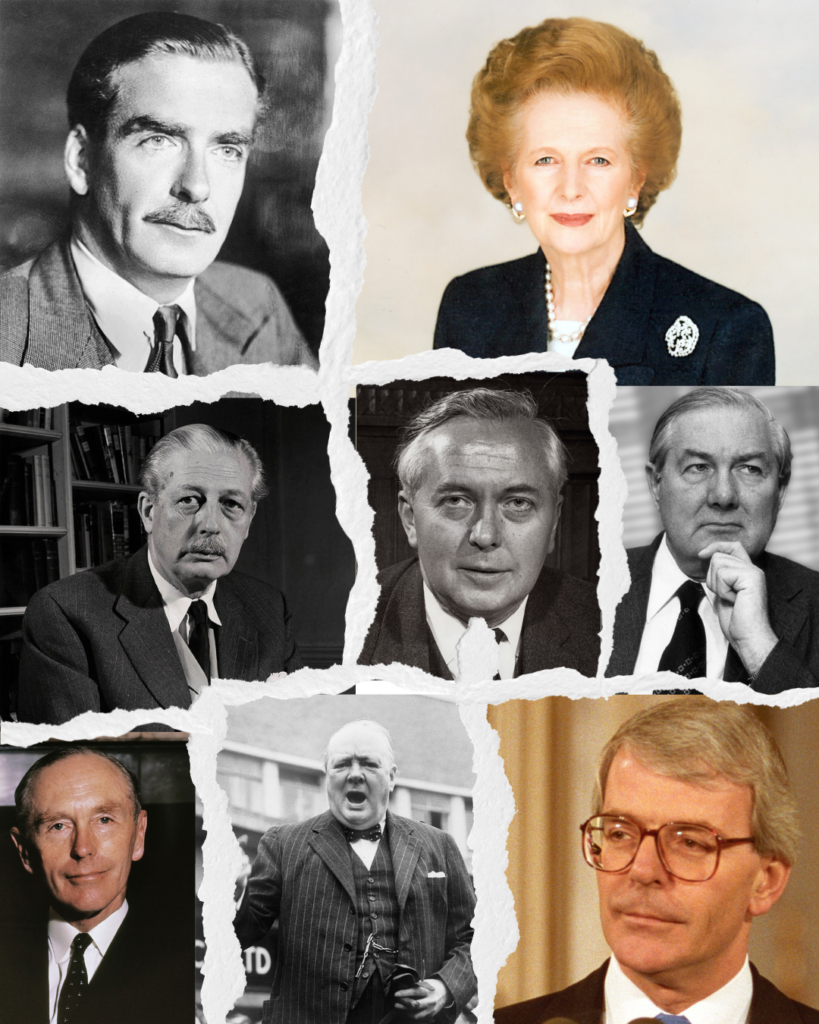
Welcome to Britain 1930-1997, a rather exhausting but utterly fascinating roller-coaster of an era where the nation navigated the Great Depression and the Second World War under Churchill’s defiant leadership, dismantled a vast global Empire to build a shiny new welfare state, and watched the political pendulum swing wildly from Attlee’s socialist ‘New Jerusalem’ right over to Thatcher’s free-market revolution.
Britain 1930-1951 – Winston Churchill
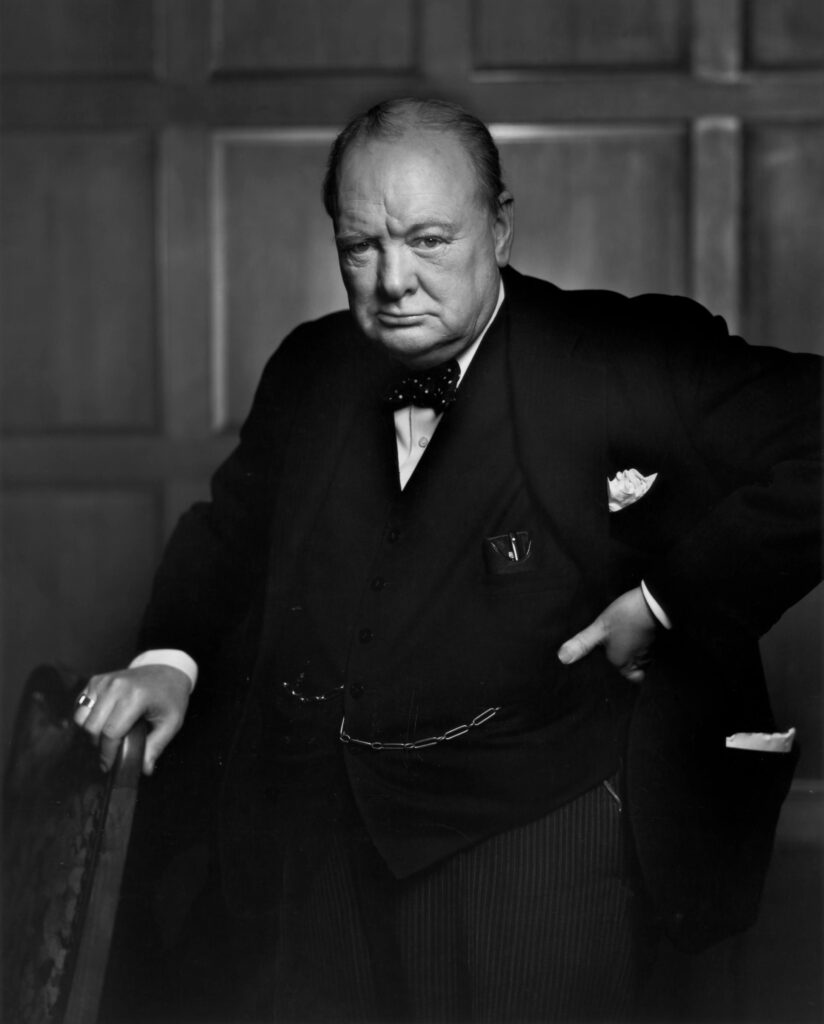
The Early Years
Churchill’s privileged yet emotionally distant upbringing, combined with early military adventures, forged the ambition and resilience that shaped his political rise.
The Wilderness Years
During the 1930s Churchill lived in political isolation but tirelessly warned Britain about the growing threat of Nazi Germany.
World War II
Churchill’s leadership from 1940 made him the driving force behind Britain’s resistance, morale, and strategic direction throughout the war.
1951-1964
Conservative Dominance and Decline
Examining rising affluence and post‑war consensus with leadership crises, scandals, and economic strains that ultimately eroded their long period of dominance.
1964 – 1979
Labour and Conservative – Britain in Decline
Highlighting successive Labour and Conservative governments struggling with economic crises, industrial conflict, and political fragmentation, leading to a pervasive sense of national decline.
1979 – 1997
Thatcher and the end of consensus
Thatcher’s governments from 1979 reshaped Britain through free‑market reforms, union confrontation, and social transformation, ending the post‑war consensus and setting the political direction for the Major years that followed.
Britain and the Wider World (1930-1997)
Britain and the Wider World (1930–1997), covering Britain’s role in international crises (such as the Cold War, Korea, Suez, Falklands and Gulf War), relations with the USA, USSR and Europe, the UN, nuclear deterrence, and decolonisation, with key questions, summaries, activities and exam practice throughout.
International Crisis
Britain faced a series of Cold War and post‑colonial flashpoints — from Berlin and Korea to Suez, the Falklands and the Gulf — which repeatedly tested its global influence, military capacity and dependence on the USA.
Organisations
Britain’s role in major international organisations — especially the UN and the evolving European project — influenced its foreign policy, exposed tensions over sovereignty and imperial legacy, and shaped its responses to global crises.
International Relations
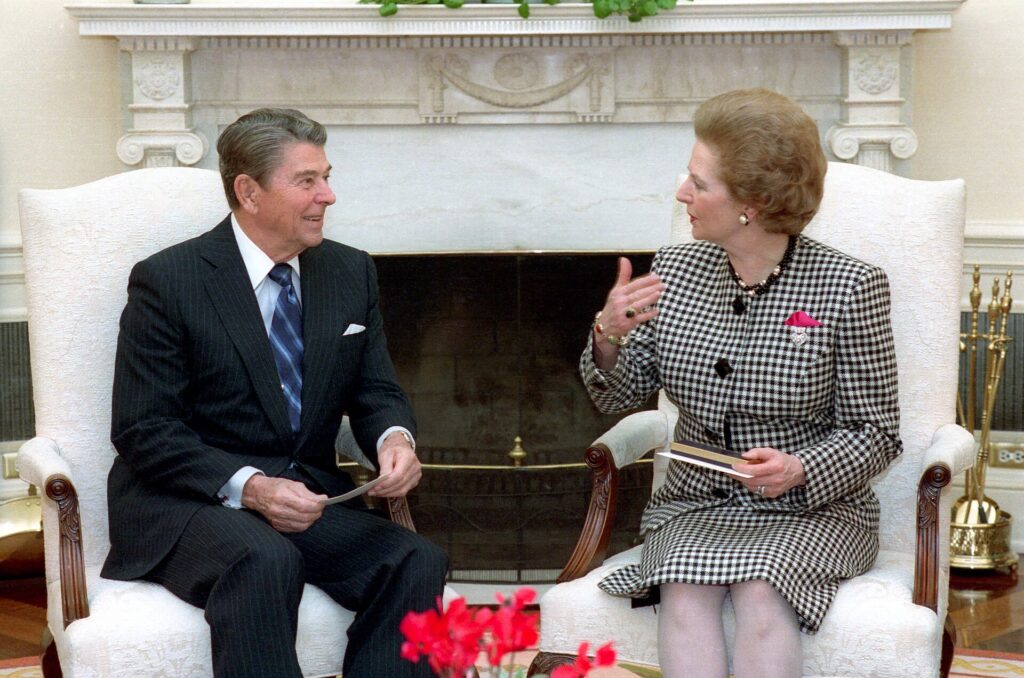
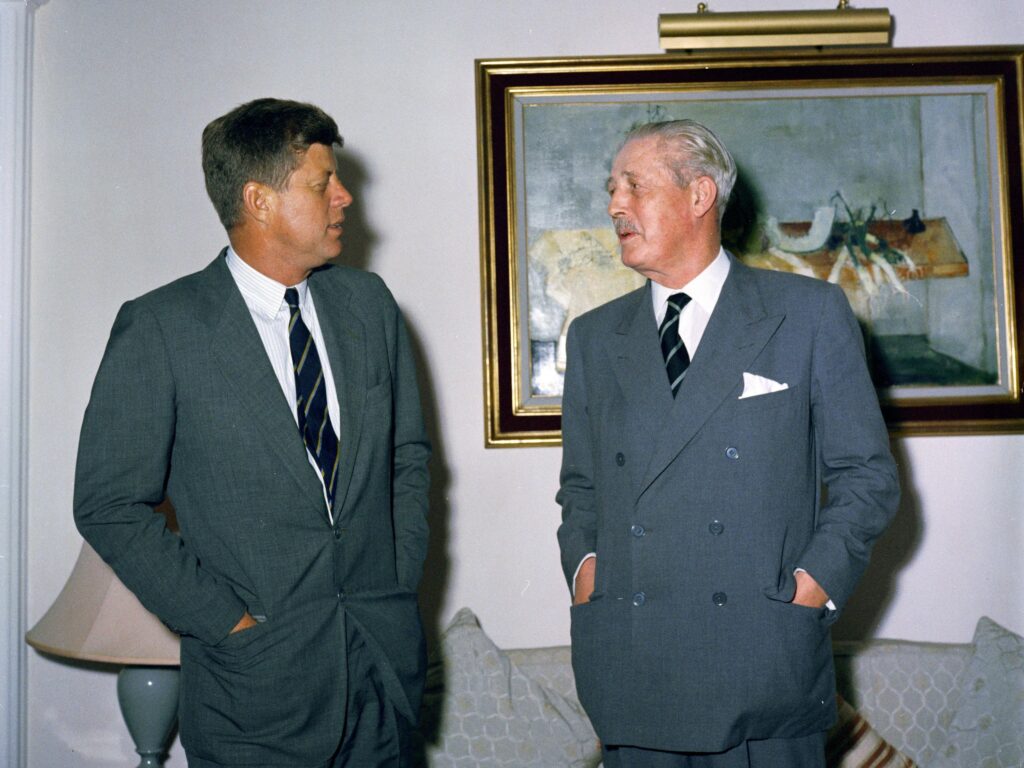
Britain’s relationships with the USA and USSR shifted between cooperation, tension and strategic dependence, shaped by Cold War crises, nuclear policy, decolonisation and changing global power dynamics.
Changing Nature of the Commonwealth
Decolonisation transformed the Commonwealth into a diverse, multi‑racial association, forcing Britain to navigate nationalist movements, Cold War pressures and shifting political relationships while redefining its post‑imperial identity.
Exam Zone
This section has been designed to help you build confidence, sharpen your skills, and achieve your best possible results. Whether you are preparing for mock exams, end-of-unit tests, or final assessments, the Exam Zone provides everything you need in one place.
The Exam Zone is not just about testing your knowledge. It is about developing the key historical skills required for success: critical thinking, evaluation, and clear written communication. By practising regularly and reflecting on feedback, you will strengthen both your understanding of the past and your performance in exams.