Explore Britain 1951-1997
Britain 1951–1997 is the story of how post‑war consensus, economic turbulence, social change and shifting party fortunes reshaped the nation from Attlee’s welfare settlement to the rise of Thatcher and the end of the twentieth‑century political order.
Conservative Domination 1951–1964
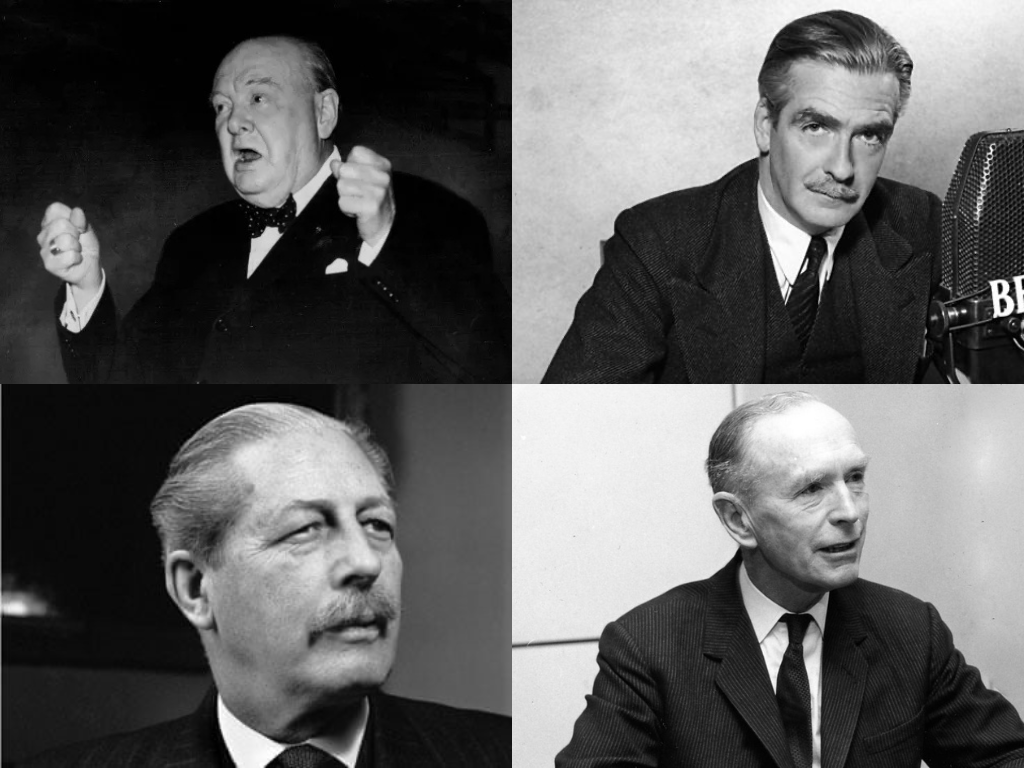
Conservative dominance from 1951 to 1964 rested on economic recovery, effective leadership and Labour disunity, allowing the party to consolidate the post‑war consensus while projecting stability and affluence.
→ Conservatives benefited from Labour exhaustion and division, including the Bevan–Gaitskell split over NHS charges (e.g., Bevan’s resignation over “mutilating” the Health Service) .
→ Strong organisational reform and appealing policies—such as 300,000 houses a year and acceptance of the welfare state—helped rebuild support.
→ Leadership under Churchill, Eden, Macmillan and Douglas‑Home shaped the era, with successes like affluence and failures like Suez and the Profumo Affair undermining stability.
Britain in Decline 1964–1979
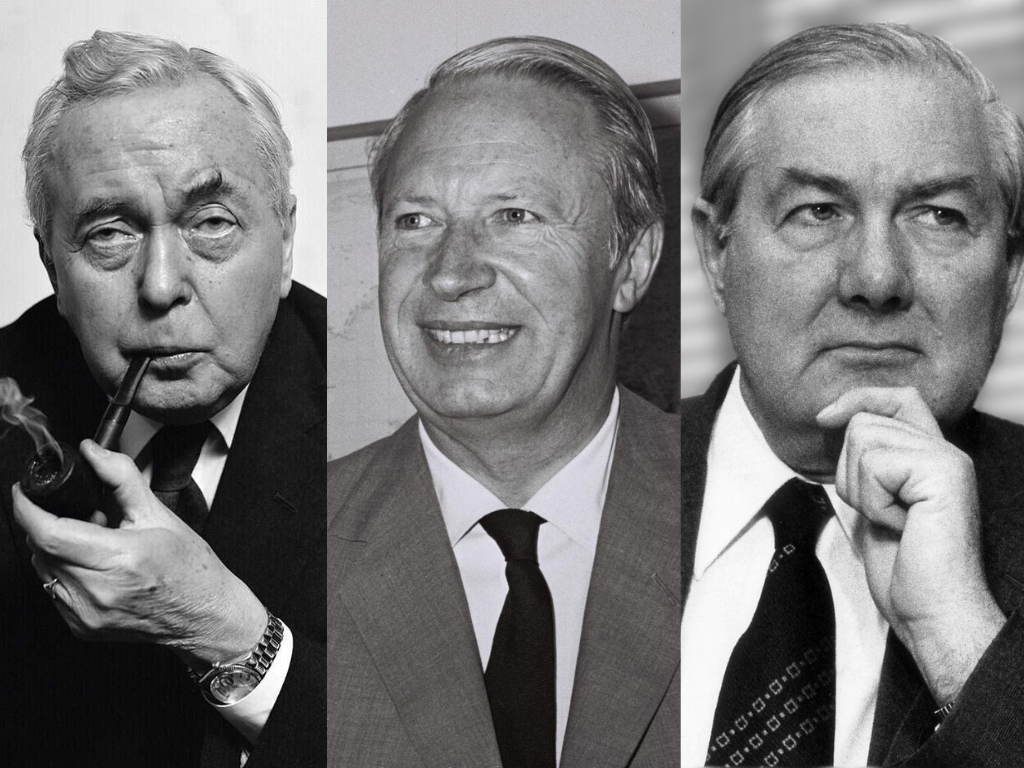
Between 1964 and 1979 Britain faced economic stagnation, industrial conflict and political fragmentation, creating a pervasive sense of national decline that undermined successive governments.
→ Persistent economic crises—devaluation, inflation, unemployment and IMF intervention—created a narrative of national decline.
→ Increasing industrial conflict, including strikes and union militancy, destabilised governments and eroded public confidence.
→ Political volatility saw Labour and Conservative governments struggle to manage the economy, culminating in the Winter of Discontent.
Thatcher and the End of Consensus 1979–1997
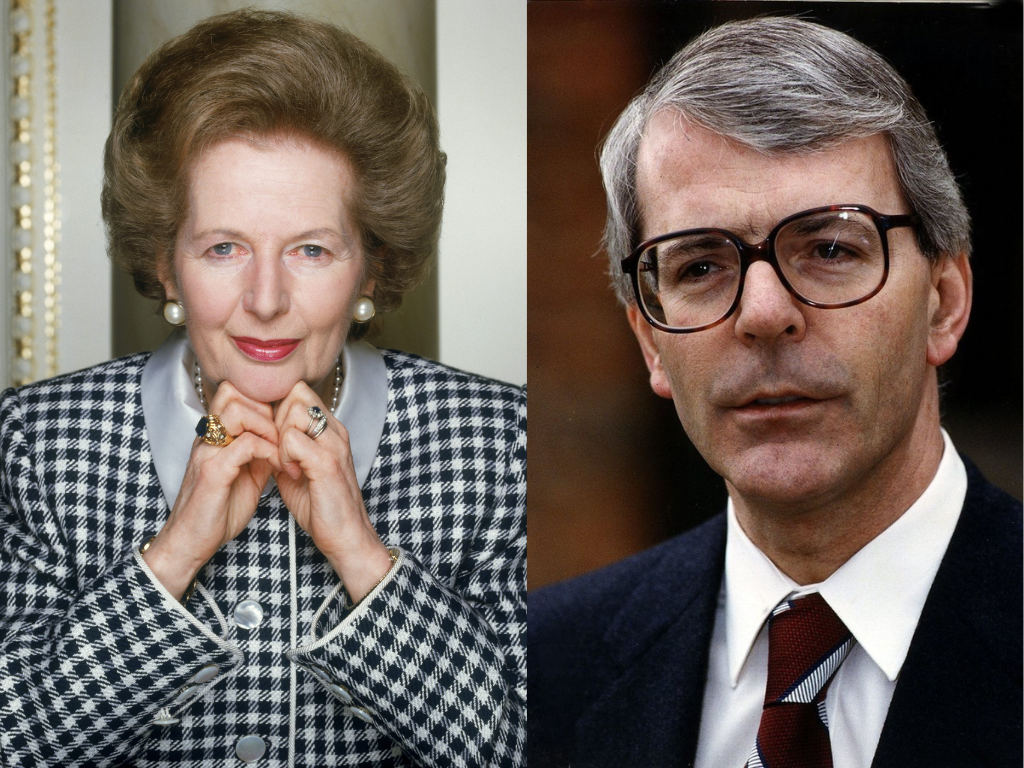
Thatcher’s governments dismantled the post‑war consensus through free‑market reforms, union confrontation and social transformation, setting a new political direction that shaped Britain into the Major years.
→ Thatcher rejected post‑war consensus through monetarism, privatisation and deregulation, reshaping the economy and the role of the state.
→ Confrontation with trade unions—most notably the miners’ strike—reduced union power and transformed industrial relations.
→ Social and political shifts, including rising inequality, changes to local government, and divisions over Europe, shaped the transition into the Major years.
Exam Zone
This section has been designed to help you build confidence, sharpen your skills, and achieve your best possible results. Whether you are preparing for mock exams, end-of-unit tests, or final assessments, the Exam Zone provides everything you need in one place.
The Exam Zone is not just about testing your knowledge. It is about developing the key historical skills required for success: critical thinking, evaluation, and clear written communication. By practising regularly and reflecting on feedback, you will strengthen both your understanding of the past and your performance in exams.