
Explore Britain in Decline 1964–1979
Britain between 1964 and 1979 was marked by deepening economic crises, industrial conflict and political instability that fuelled a powerful narrative of national decline.
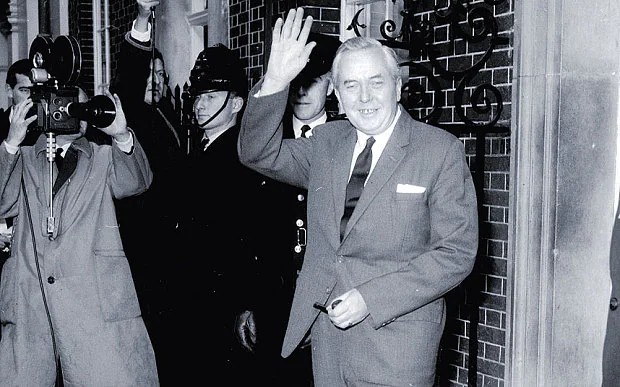
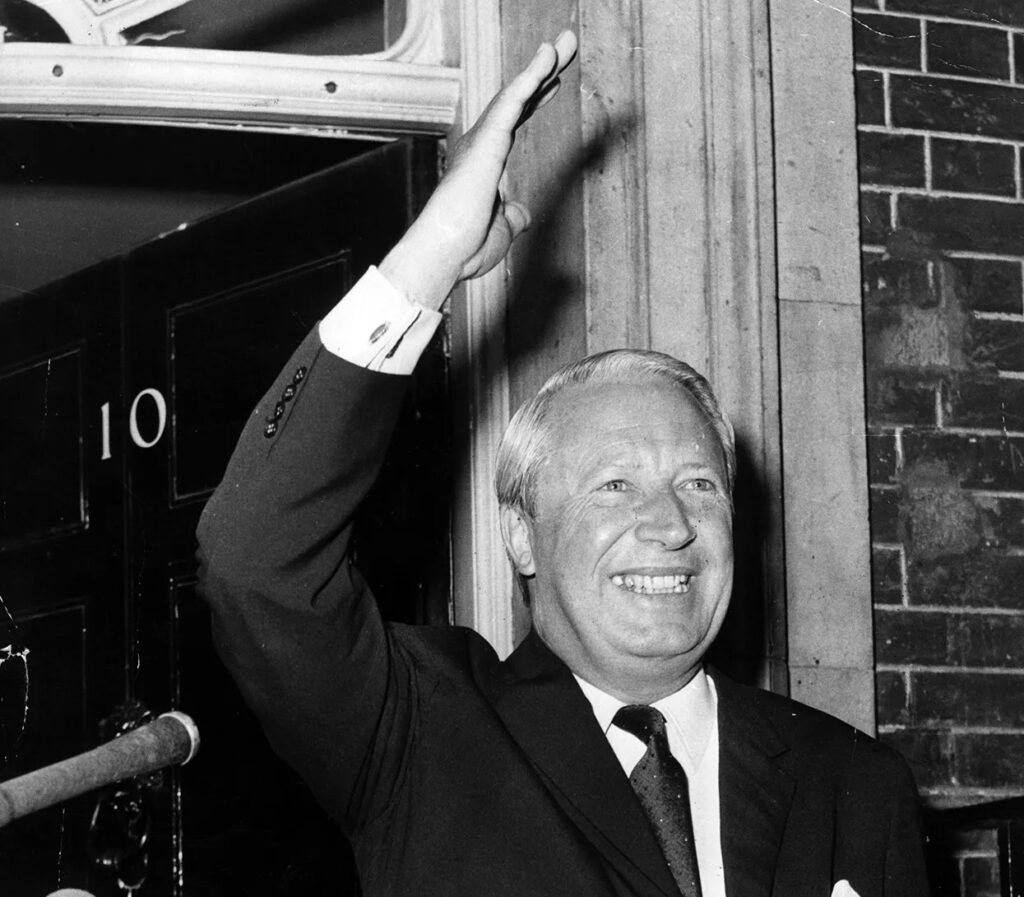
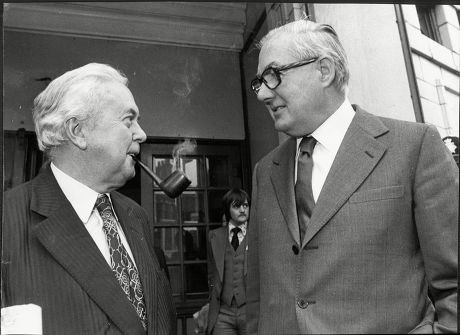
Explaining Labour’s Victory in the 1964 Election
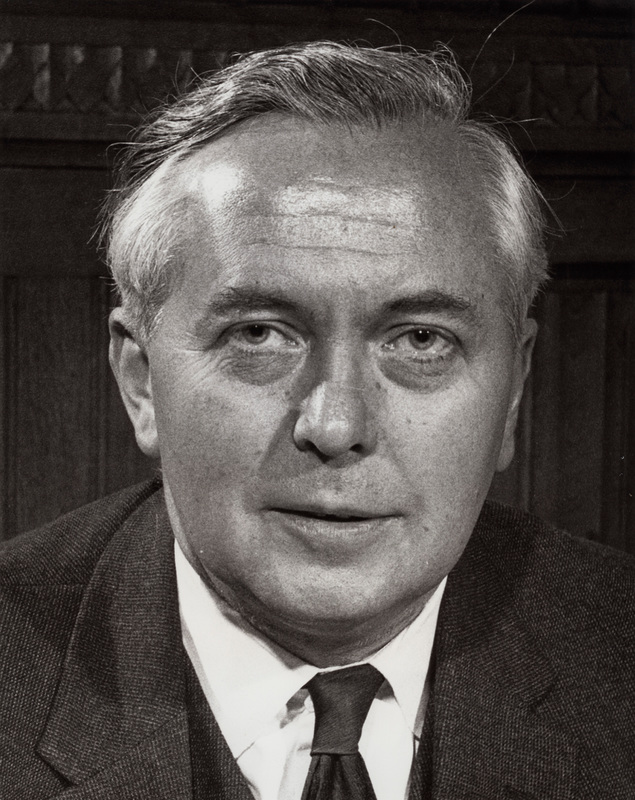
Harold Wilson’s Leadership of the Labour Party
The Labour Party appeared to be more united than it had been in either the 1955 or 1959 elections. Their divisions over nuclear weapons, Europe and nationalisation had not disappeared. However, Harold Wilson, elected leader in February 1963, was able to gloss over them by presenting the Labour Party as modern, dynamic and progressive. The party’s election manifesto promised a range of policies to promote faster economic growth and full employment, as well as improved welfare and health services, better housing and a programme of comprehensive education. These commitments echoed Wilson’s pledge to ….
“harness science to our economic planning” and create a “Britain that is going to be forged in the white heat of this (technological and scientific) revolution.”
Wilson himself seemed to personify this new, progressive Britain in which talented people from humble backgrounds could succeed. He was a former teacher of economics at Oxford University, but he stressed how different he was from the Old Etonians who led the Tory Party by cultivating his image as a man of the people – a Yorkshire-born, grammar-school boy and football fan. He appeared to be just the kind of classless professional the country needed to tackle its economic difficulties.
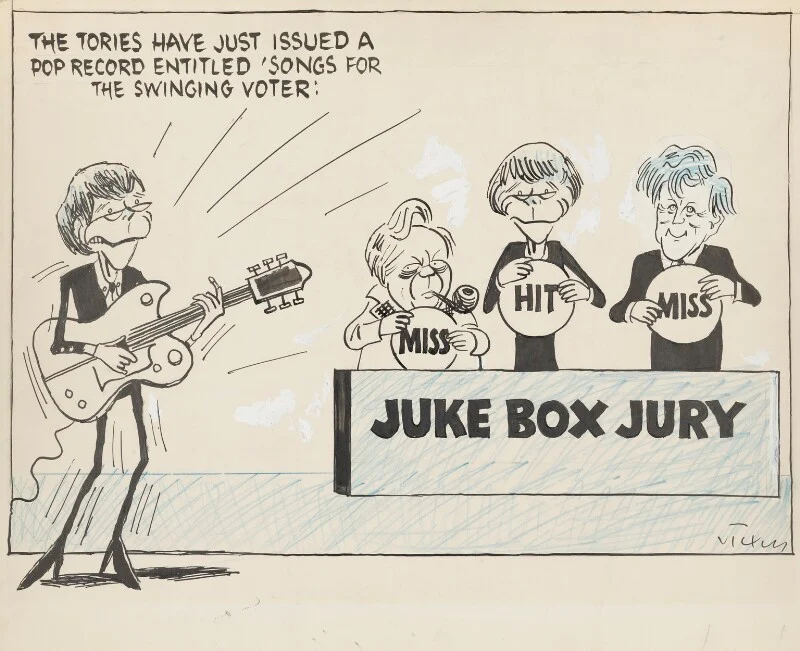
How the electorate regarded the Conservatives
The Conservatives had been in power since 1951, and many voters blamed them for the economic problems which became apparent in the early 1960s. The Tories did not seem to have the answers to the problems of rising employment, inflation, industrial unrest and the growing disparity in wealth between the regions of Britain. Labour claimed that the Tories had presided over “thirteen wasted years”.
The Conservatives also seemed out of touch with a modern democratic society. Their new leader Sir Alec Douglas-Home, was a Scottish aristocrat – the fourteenth Earl of Home – who had given up his peerage when he became prime minister in October 1963. Already 60 years old when he became prime minister, he appeared no match for the 47 year old Wilson. Tories were implicated in seedy sex scandals too. The electorate was given the impression that the Tories were an old-fashioned, self-indulgent elite.
The Revival of the Liberal Party
The growing unpopularity of the Tories in the early 1960s benefited the Liberal Party as middle-class voters who wanted to register a protest at the Conservative Party were not prepared to vote for Labour. This was shown by the by-election result in middle-class Orpington in 1962, when a Conservative majority of 14,700 was overturned by the victorious Liberal candidate who won with a majority of 7850.
The Liberal revival brought them more publicity, increased funding and some talented new recruits. As a result they were able to contest many more seats in 1964 than they had done in 1959. They gained only three more seats but doubled their vote. This considerably affected the outcome of the election because, by taking votes from the Conservatives, they helped to hand victory to the Labour Party in many seats (for example Dover, Wellingborough and Bolton East) even though the overall Labour vote fell a little.
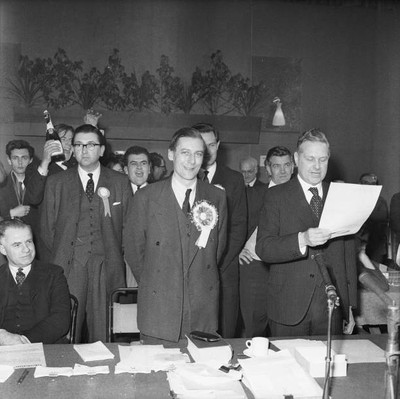
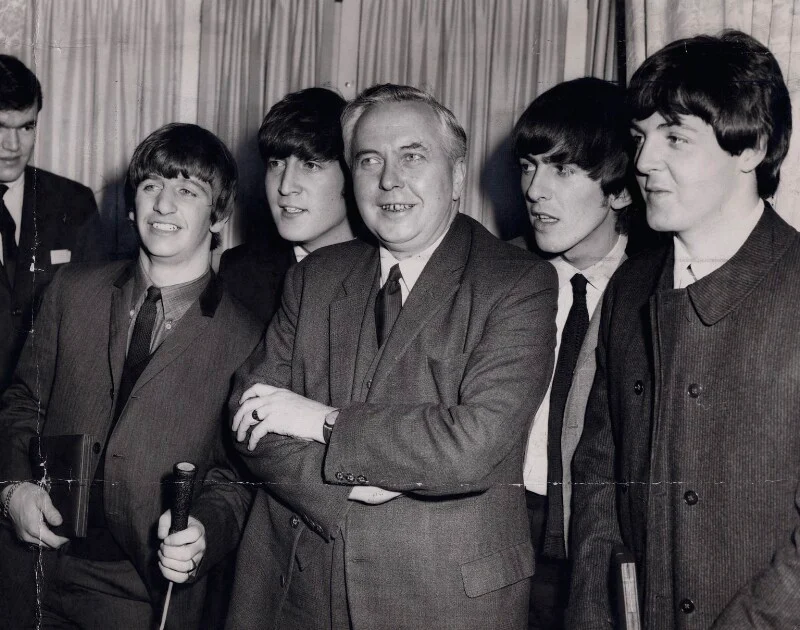
Changes in British Society in the 1950s
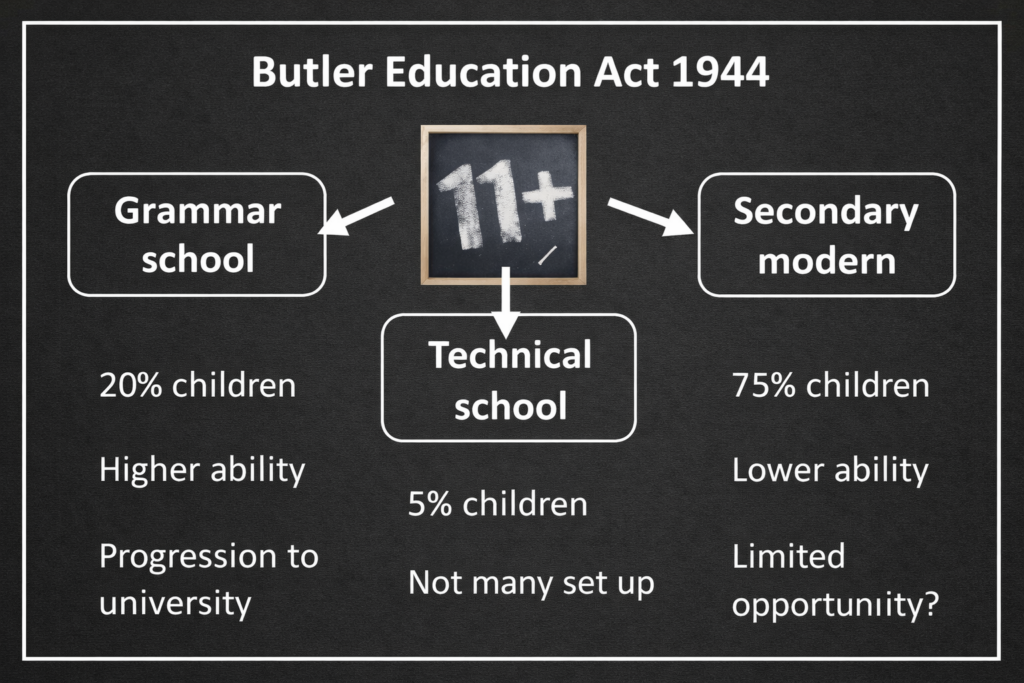
Living standards improved in the 1950s. Having more money to spend made people, especially the young, more independent and less willing to accept traditional authority. These attitudes were encouraged by the cultural changes of the decade in which plays, novels and television examined the class structure, satire poked fun at politicians, and pop music and cinema challenged attitudes to sex. Grammar schools gave bright pupils from underprivileged backgrounds unprecedented opportunities to enter universities and careers. All of this created a climate in which many people, especially the young, aspired to create a new, modern, classless Britain run with professional, scientific competence. The Labour Party benefitted from this mood; opinion polls showed that it was significantly more popular with voters under the age of 44 although it lagged behind the Conservatives among older voters and women.
Why was the result so close?
If a mere 900 voters in eight crucial constituencies had voted Tory instead of Labour (or not voted at all) the Conservatives would have won. The Labour Party actually secured fewer votes in 1964 than it had done in 1959, which suggests that the election was more a rejection of the Conservatives than an endorsement of Labour.
| Factor | Impact |
| Douglas-Home’s leadership | Turned out to be a more effective PM than many expected. Appeared modest, decent and trustworthy. |
| Conservative tax cuts | Chancellor, Reginald Maudling, cut taxes in the 1963 budget. Earnings rose and unemployment fell at the end of the parliament to 300,000 in July 1964. |
| Attitudes to the Labour Party | Many still distrusted Labour and disliked their links to the trade unions and support for nationalisation. Very few of the key leaders of the party had held office before and seemed inexperienced. |
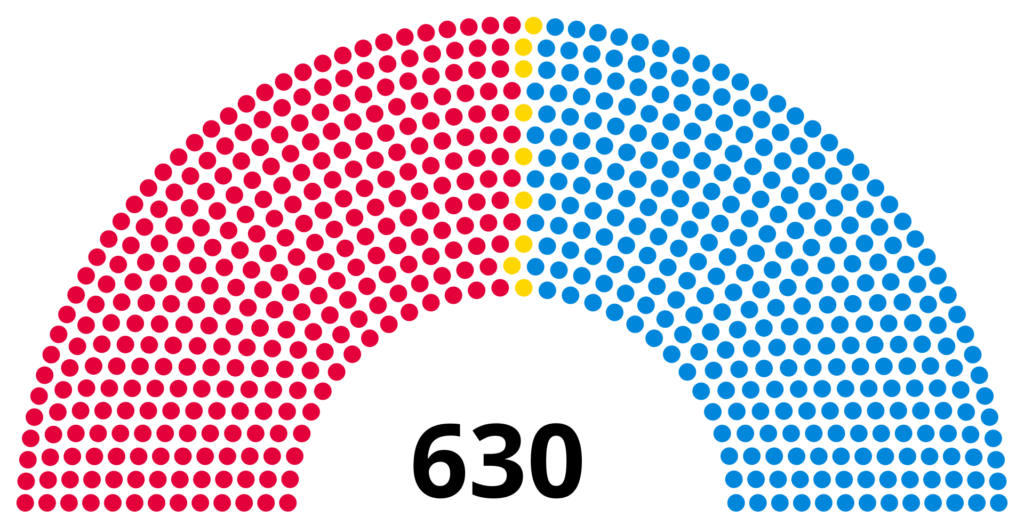
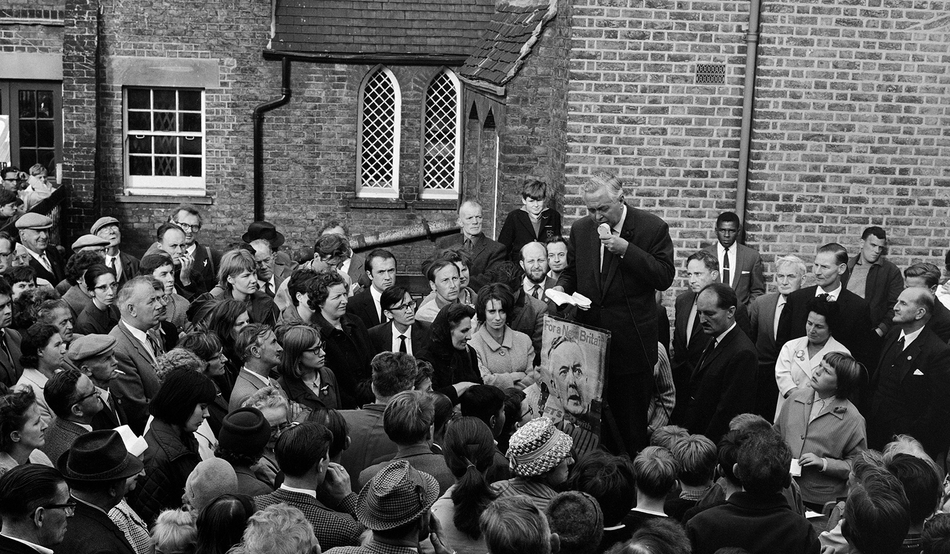
Wilson’s government with a majority in single figures, was unusually dominated by electoral considerations, a fact which played alike to the Prime Minister’s skills as his inclination. He foresaw 1966 as the moment when he would form his “real” cabinet, once his interim administration had improvised its way to a more convincing electoral victory, through adroit tactics and clever compromises, designed to keep everyone guessing. The end was duly achieved, but at the price of making the means into a way of life, from which it was subsequently difficult to escape.
Peter Clarke, Hope and Glory: Britain 1900-2000, 1996
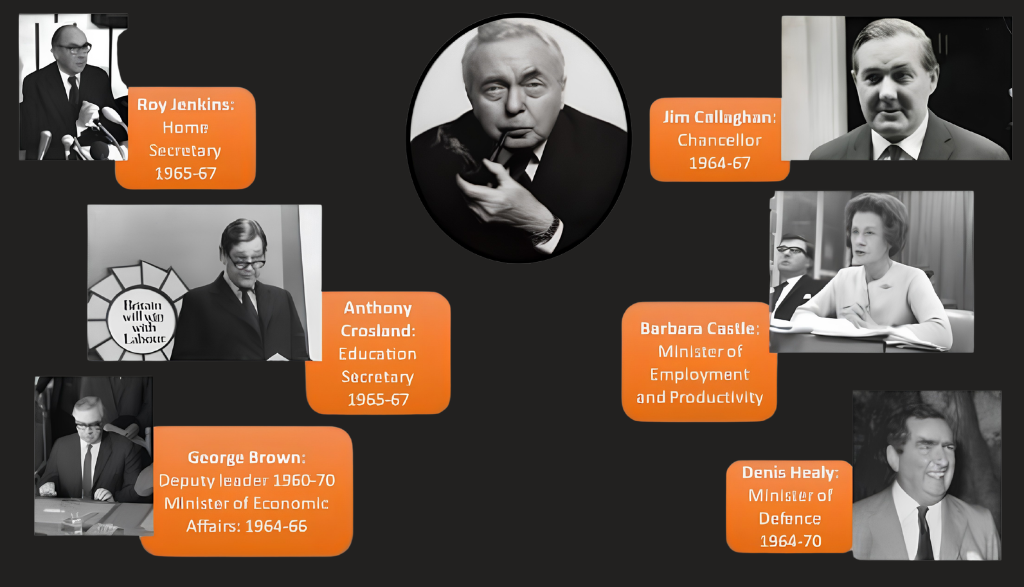
He said he was pragmatic, because all government was pragmatic. For example, he thought equality of opportunity mattered more than equality. The difficultly was that everyone was different. The idea of proletariat was nonsense. Marx did not understand people. He was interested in people as individuals rather than in mass. He was interested in the family, because most happiness was family happiness. He added “I don’t like theory. I got an alpha-plus in economic theory, but I never understood it. I think my examiner must have been very kind. Or perhaps he didn’t understand it either.” One of Harold Wilson’s endearing characteristics has always been his gift for self-mockery.
From John Cole, As it Seemed to Me: Political Memoirs, 1995
Labour in Power: 1964-1970: The New Government
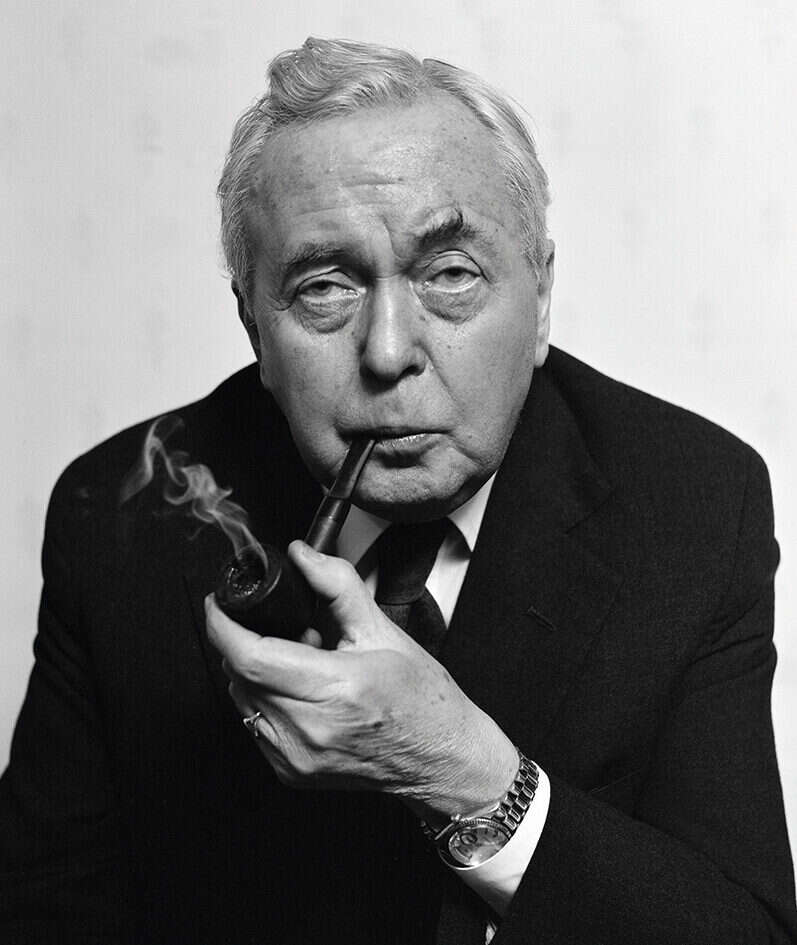
Harold Wilson had excited high expectations of change. His was to be a Britain run by energetic meritocrats not aging aristocrats. His Cabinet certainly was noted for its intellect, filled as it was with a large proportion of men and one woman with firstclass degrees from Oxford. Wilson himself was a noted academic high-flyer, having gained some of the highest marks ever awarded in his degree papers. He was an extraordinary mixture of high intelligence and unassuming middle-class tastes. Not for him the fine wines and fine food beloved of Roy Jenkins. It was reputed that another of his close Cabinet colleagues, Richard Crossman, also a notable Oxford intellect, offended Wilson’s wife by refusing the humble Nescafe offered to him at Number 10. Wilson, all agreed, was not only highly intellectual but very nice. He was pleasant to all, showing as much courtesy and good humour to his drivers as he did to the queen, with whom he famously got on. There was something of the Boy Scout about him and he was probably more influenced by his happy time as a scout than socialist theory. He explained his attitude to politics to the BBC political correspondent, John Cole, and socialist theory was pretty low down on the list.
Wilson’s pragmatism could easily develop into a less attractive “opportunism”, for which he was criticised by colleagues and subsequently historians. Part of this arose from the circumstances of his government in 1964 with its wafer-thin majority, a point made by the Cambridge historian Peter Clarke.
Wilson became the master of the short-term fix, out-manoeuvring his Conservative opponents and his would-be rivals in his own Cabinet. He was increasingly given to sensing plots to replace him and surrounded himself with a “kitchen cabinet” in Number 10, which encouraged this trend. One of the most powerful influences was his political adviser, Marcia Williams who exercised an unaccountable hold over him. Within the real Cabinet, Barbara Castle and Dick Crossman, both ex-Bevanites, were friends as well as colleagues. The same could not be said of the other leading ministers, most of whom were from the Gaitskellite wing of the party and could by no stretch of the imagination be classed as friends to the Prime Minister. Wilson’s technique for managing Cabinet meetings was to allow his colleagues to talk themselves into the ground. Possibly his most hostile colleague was the Labour deputy leader, George Brown who was deeply resentful of Wilson. Brown was an extraordinary individual. He had come up through the trade unions and unlike most of the Cabinet had not been to university.
Economy
The government had to take immediate steps to tackle the balance of payments deficit. If it failed to do so, it would gain a reputation abroad for economic incompetence which would discourage foreign investment and damage the earnings of the City of London. The government was faced with an unpalatable choice between two contrasting solutions:

As soon as he came into office, Wilson ruled out devaluation because:
→ He believed it would reduce the savings of thrifty, working-class families – people he admired and whose interests he believed the Labour Party should be defending.
→ He was aware that devaluation had destroyed one Labour government in 1931 and, in 1949, had severely damaged the Attlee government in which he had served.
→ He did not want the voters to associate Labour with what he called “the easy way out” of economic difficulties.
→ He did not want to upset the Americans. They also had a balance of payments deficit and the US Treasury feared that if the British devalued, the currency traders would assume the Americans were about to do the same and start a run on the dollar.
→ He knew that, with a tiny Commons majority, he would have to have another election before long. He told one of his Cabinet colleagues:
“Devaluation would sweep us away. We would have to go to the country defeated. We can’t have it!”
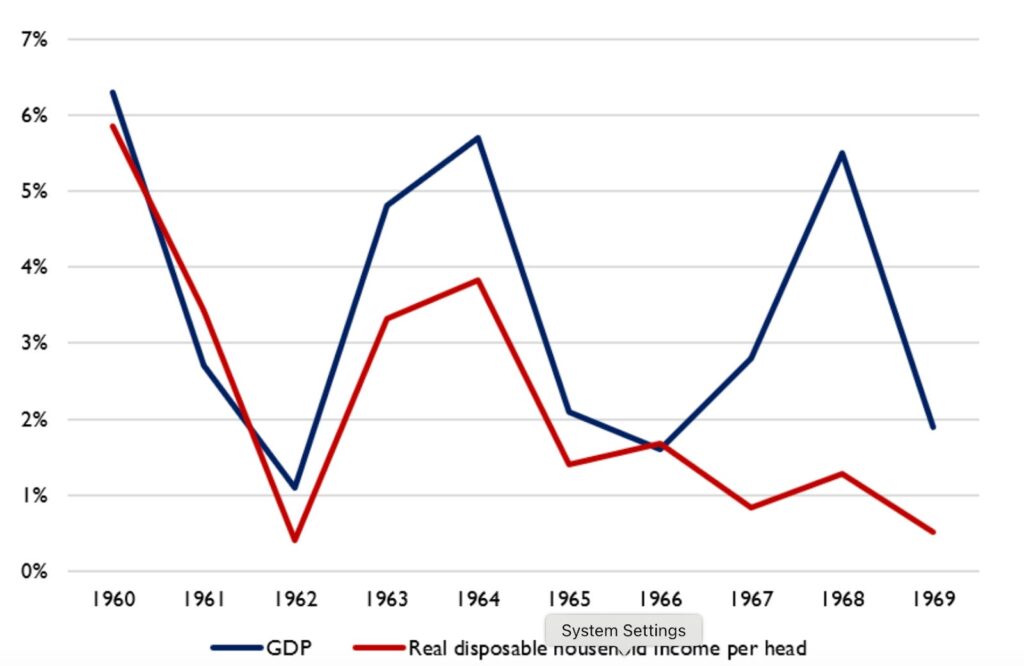

In autumn 1964, the Chancellor, Jim Callaghan, negotiated foreign loans to prevent a run on the pound and, over the next nine months, introduced a series of deflationary measures which included higher taxes on tobacco and alcohol, and a temporary import surcharge. However, in return for US financial assistance he had to agree to maintain British Far Eastern bases. British forces were fighting in Borneo to defend the Commonwealth state of Malaysia against Indonesia. The Americans, already embroiled in Vietnam, wanted continued British support in the region.
The National Plan, September 1965
Wilson believed that better planning could, in the long term, make British industry more competitive. He created a new ministry – the Department of Economic Affairs (DEA) – to devise a plan to modernise and improve Britain’s economy. The National Plan was published in September 1965.
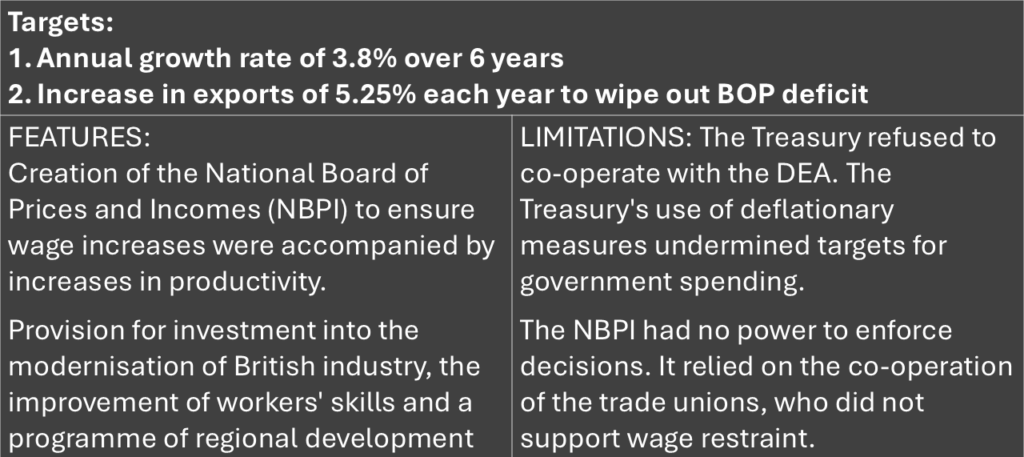
As a result of in-fighting, the Department of Economic Affairs was wound up in 1969. Nevertheless, the National Plan contributed to the Labour Party’s victory in the March 1966 general election because it suggested that the government had a coherent vision for the future. They campaigned on the slogan, “You know Labour government works”. The Chancellor’s deflationary measures had reduced the balance of payments deficit and prevented a run on the pound, but critics were already pointing out that the government was struggling to impose wage restraints and that the DEA and the Treasury were pursuing contradictory policies.
Devaluation, 1967
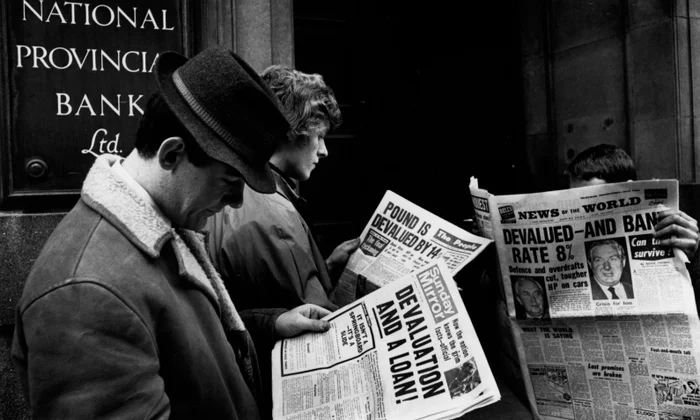
The general election of 1966 gave Labour a substantial majority. But, in November 1967, the government had to accept the humiliation of devaluing the pound because there seemed no other way out of its economic difficulties.
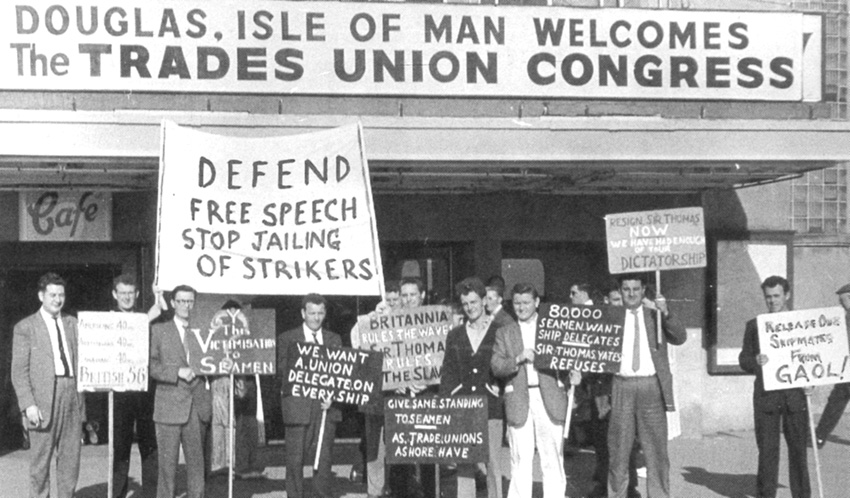
• May 1966 seamen went on strike demanding a pay increase that exceeded government pay guidelines.
• The strike damaged British exports and poor trade figures threatened another run on the pound.
• Although the strike ended in July, the government once again chose deflation rather than devaluation to deal with the balance of payments deficit.
• Unemployment was increasing: 1964: 1.7 million; 1967: 2.5 million. in addition another BOP deficit put the pound under pressure once again by autumn.
How successful was devaluation?
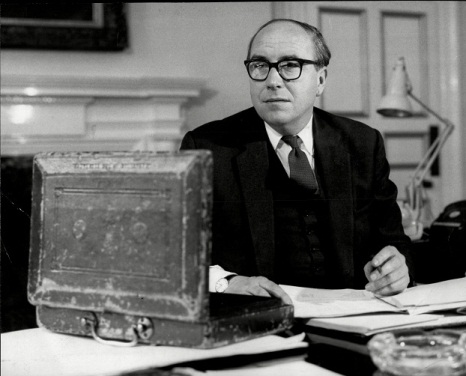
The trade figures were stubbornly slow to improve and the substantial balance of payments deficit remained. Nor did devaluation prevent cuts in spending. Roy Jenkins replaced Callaghan as Chancellor but, despite devaluation, concluded that severe deflationary measures were still needed to cure the balance of payments crisis.
Jenkins’ deflationary policies:
• Reduction in military commitments – January 1968 the government announced that all British forces east of Suez (apart from those in Hong Kong and the Persian Gulf) were to be withdrawn by the end of 1971.
• Welfare state – prescription charges, abolished in 1964, were reintroduced.
• Education spending – the raising of the school leaving age from 15 to 16 was deferred from 1971 to 1973, a change that undermined the educational reform that Labour had believed essential to its plan to modernise Britain.
In the budget of March 1968 Jenkins, determined to overcome the balance of payments deficit, delivered another hefty dose of deflation, increasing taxation by £923 million. During 1969 there were signs of improvement. The balance of payments at last showed a surplus, the value of sterling rose and interest rates were reduced.
The economic record of the Labour government
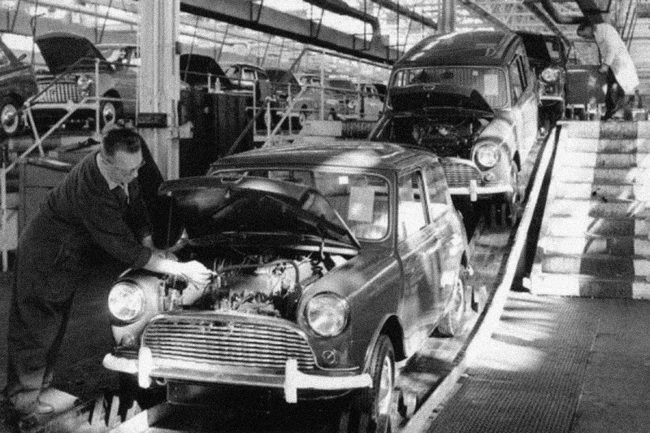
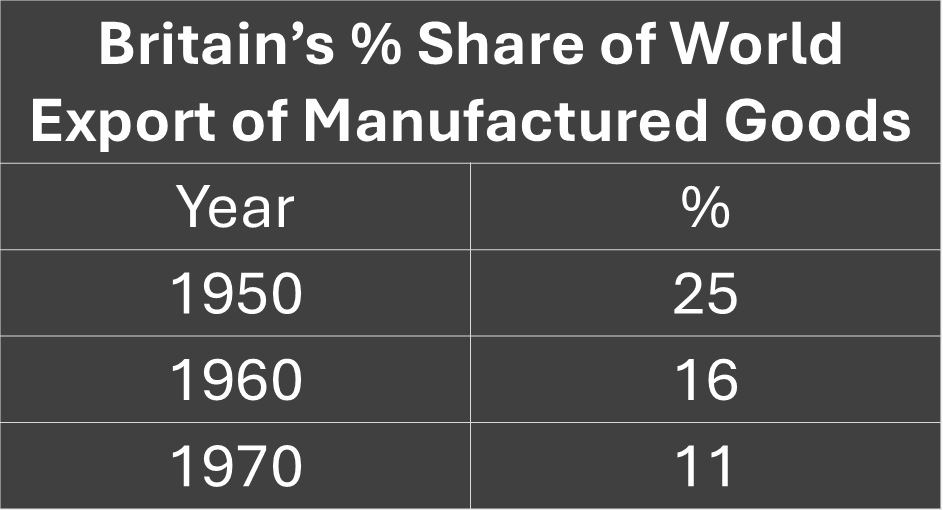
It is possible to argue that, by its short-term focus on the balance of payments and the value of the pound, the Labour government was no more successful than the Tories had been in tackling the underlying weakness of the British economy. For example, the rate of inflation had not been slowed, and unemployment was higher in 1970 than it had been in 1964.
Arguably, the Labour government’s failing to tackle Britain’s long-term problems prevented it from achieving the ambitious aims it had set itself in 1964 of modernising the country and successfully planning a productive, competitive economy.
The Labour government did however, endeavour to improve Britain’s transport network by building motorways in the north of England. It also encouraged the development of manufacturing sites in south Wales, Scotland, Merseyside and Tyneside. However, sustained improvement in industrial productivity was undermined by the government’s deflationary policies which imposed cut-backs in government investment.
Social Reform
Wilson’s Labour Government 1964-1970: The transformation of society
There had been important social changes in the 1950s, which had resulted in changing attitudes:
→ The increase in prosperity meant people travelled more and reduced the divisions between the social classes.
→ The 1950s had saw improved education, a higher standard of living and less respect for tradition.
→ Youth culture, the emergence of the civil rights movement in the US and more employment opportunities for women brought demands for equality.
Many argue that it was Home Secretary Roy Jenkins ability to build upon these developments, and his encouragement of what he termed “the civilised society”, that made a significant impact on ordinary people in Britain. Under Jenkins and his successor Jim Callaghan, there was a “freeing up” of society as the state eased regulation of whole areas of human behaviour and softened punishment.
Most of the reforms had been under discussion for many years, pushed for by activists who were somewhat ahead of public opinion. However, no government until the mid-1960s had wished to court controversy and possible unpopularity by taking a lead.
In 1965, a Bill that suspended the death penalty for five years was passed and then in 1969, it was completely abolished. Jenkins also created a Criminal Justice Bill in 1967, which ended the birching of young offenders. It also introduced the concept of a suspended sentence and extended early parole for certain prisoners. The purpose of both these changes was to reduce the growing prison population, but the same Bill sought to increase the certainty of convictions by allowing majority verdicts in jury cases. There was much evidence of intimidation of some jurors in trials involving major criminals and the police pressed this change on the Home Secretary as a solution. However, public opinion on the death penalty was mixed. In fact, some opinion polls actually showed that the death penalty in murder cases, was actually very popular.
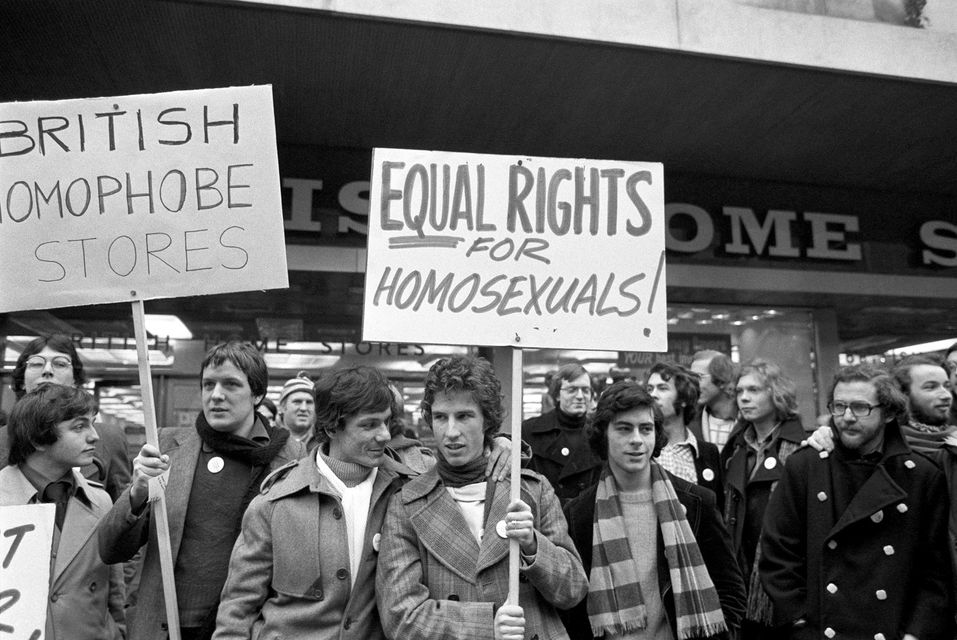
In July 1967, the Sexual Offences Bill was passed. There had been growing pressure from the great and the good to legalise sexual practices between consenting adults. Many had noted how the law, as it stood, encouraged blackmail and that the spy, John Vassall, would probably not have betrayed his country had it not been possible for the Russians to blackmail him for his sexual tastes, which happened to run counter to those of the majority of his fellow citizens. Across much of the country, by the early 1960s, there was a slow but growing tolerance of homosexuality.
The issue of abortion excited even more controversy and its criminalisation probably caused more misery and suffering than the penalties attached to homosexual practices. The illegality of abortion makes estimates of its use difficult to assess, but 100,000 illegal abortions per year in the UK in the 1950s appears the best estimate. This added up to considerable medical risk as well as social stigma and humiliation for many girls and women. The Bill not only legalised abortion on the grounds of physical harm to the mother, but also allowed her mental health to be taken into account, and it was on these grounds that the majority of abortions were to be undertaken. Another liberalisation sought to cut the number of unwanted pregnancies and the Family Planning Act of 1967 removed the restrictions of medical or marital status on women’s access to local authority birth control services and effectively made contraception available to all. This was, of course, damned by some as encouraging “immorality” among the unmarried. In general many traditionalists were outraged and believed that the changes to the law on homosexuality, contraception and the legalisation of abortion encouraged “promiscuous” sex and created a permissive society. A campaign led by Mary Whitehouse against what she regarded as excessive sex, violence and bad language in BBC programmes gained 400,000 supporters.
It was not until 1969, after Jenkins had left the Home Office, that another of his favoured projects finally entered the statute book. The Divorce Reform Act made divorce much easier. To it supporters, it helped to end years of private suffering and domestic unhappiness; to its critics it encouraged the break-up of the family.
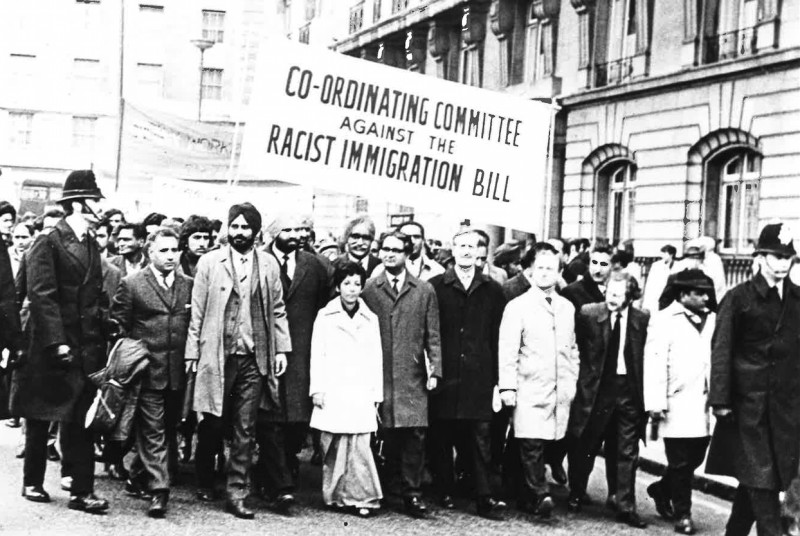
Two other important changes encouraged by Jenkins were the abolition of theatre censorship, carried out for centuries by the Lord Chamberlain’s office, and two Race Relations Acts, in 1965 and 1968, established and then extended the powers of a Race Relations Board, designed to investigate complaints against unfair discrimination. Many new arrivals from the Commonwealth settled into working-class areas. This led to a problem for the Labour Party: immigration was unpopular with Labour voters in inner-city areas. One reason for concerns around immigration was racial prejudice, but there was also fears that competition for jobs would mean lower wages. This was why the government tightened the rules on immigration in 1965 and 1968. The 1965 act made discrimination in public facilities illegal and the 1968 act extended the principle to housing and employment. The acts did attempt to tackle discrimination, but the enforcement methods were weak, making it difficult to secure convictions. Politically, the government lowered the voting age from 21 to 18 in 1969. Women also benefitted from the Equal Pay Act of 1970. This bill stated that men and women were to receive the some pay for the same work.
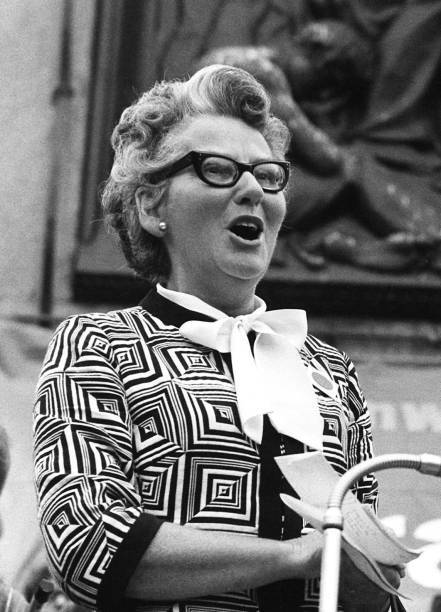
Mary Whitehouse was a Birmingham housewife. in 1963, she began her own “moral crusade”
against what she saw as a “tide of immorality and indecency” in Britain at that time; her crusade
was directed in particular at the directorgeneral of the BBC, Sir Hugh Greene.

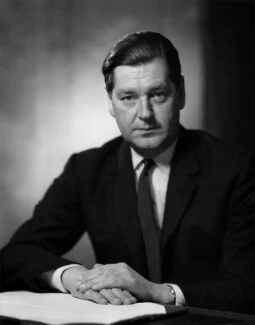
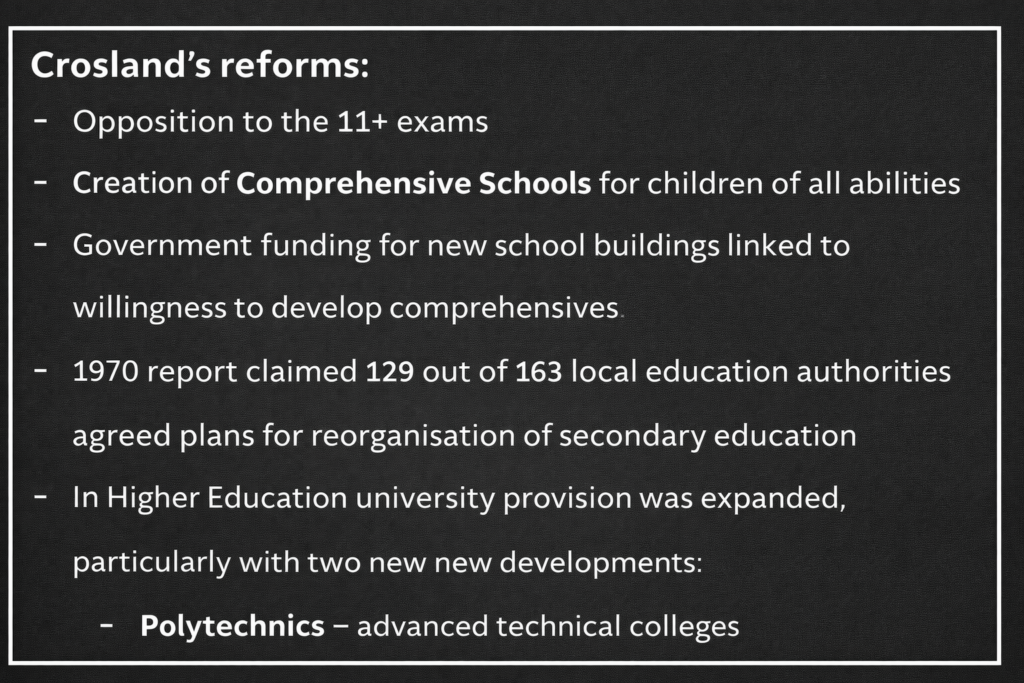
“If it’s the last thing I do, I’m going to destroy every f***ing grammar school in England.”
Taken from the memoirs of Crosland’s wife, Susan
Trade Unions
Some economists argued that the trade unions contributed to Britain’s economic difficulties:
- In times of inflation: Unions demanded wage increases for their members and fought government attempts to link pay increases to increased productivity
- Higher wages meant reduced profits of the employers and limited the potential for investment into new methods and machinery
- Strikes in the period often disrupted British exports and worsened the balance of payments situation
Wilson had hoped to improve industrial relations and win trade union support for his efforts to modernise Britain, but the economic difficulties of the 1960s opened a rift between the government and the unions. Wilson became convinced that:
→ Strikes for higher pay, many of them unofficial, were disrupting production, forcing up labour costs and contributing to inflation and Britain’s poor export performance.
→ Industrial relations needed to be more strongly regulated if the government’s efforts to control prices and wages were to succeed. However, the unions argued that: – The country’s lack of competitiveness should be blamed on employers and on government investment policies, not employees.
→ The government’s attempts to limit wage increases unfairly penalised low-paid workers.
→ The right of unions to bargain freely with their employers should not be restricted by laws.
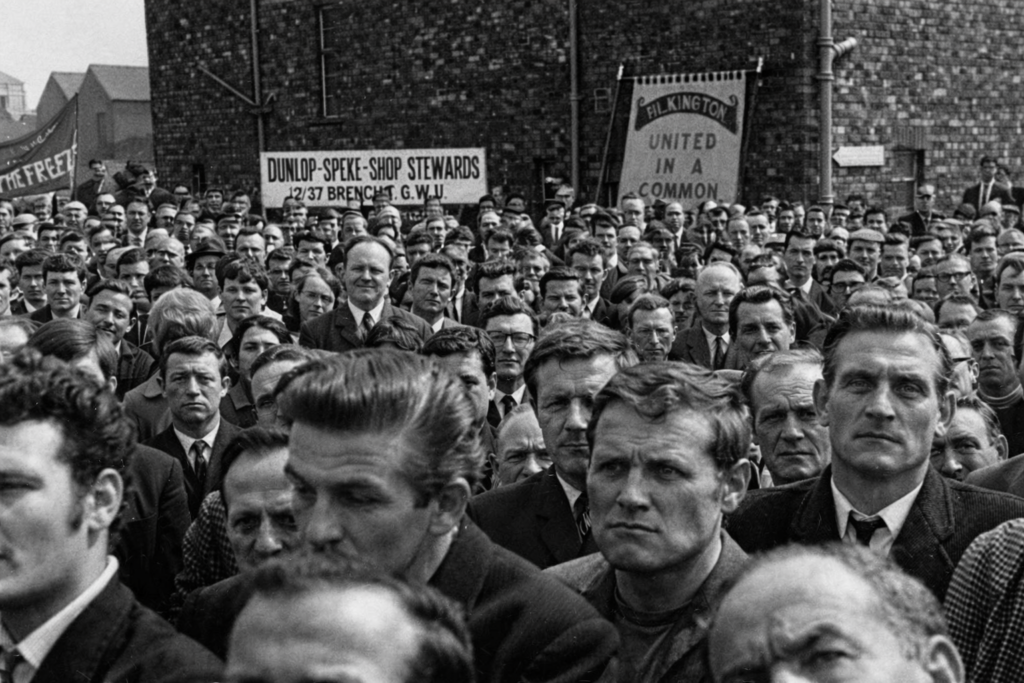
It was particularly difficult for the Labour government to reform industrial relations because the trade unions were their traditional allies and provided the Labour Party with most of its money. Their block votes at Labour Party conferences could often prove decisive in determining party policy. However, by 1966 and 1967, the relationship between the leadership of the Labour Party and the unions was beginning to fall apart. The big strikes by the seamen and the dockers caused massive problems for the government. These strikes showed how the old-style union bosses were losing some of their control. A lot of strikes started with “wildcat” strikes by local activists who would not take orders from the top.
Barbara Castle and “In Place of Strife”, 1969
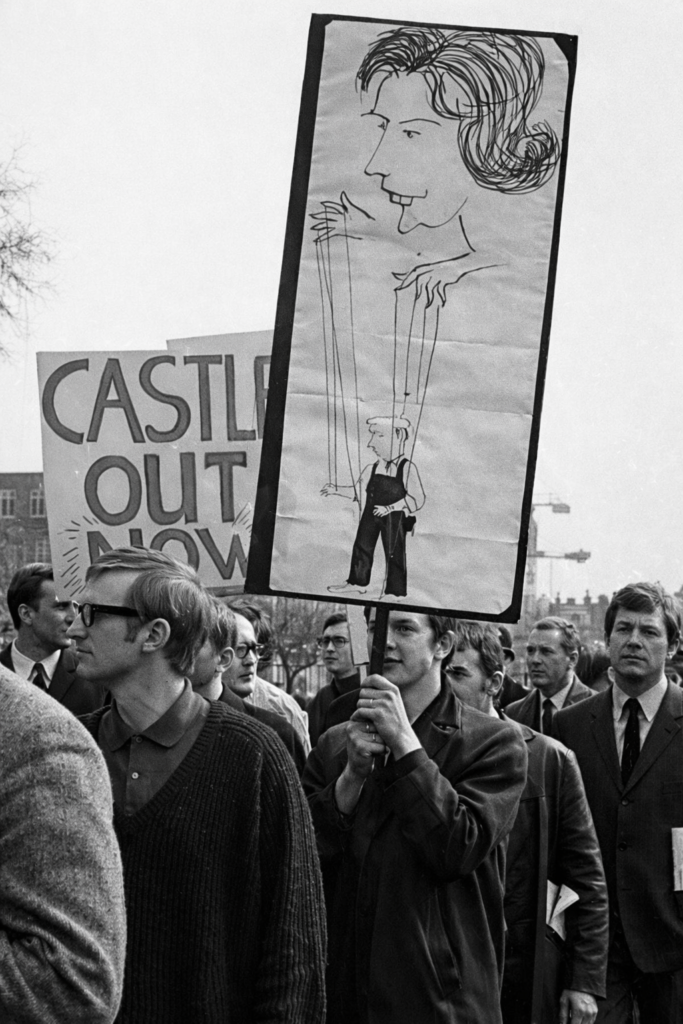
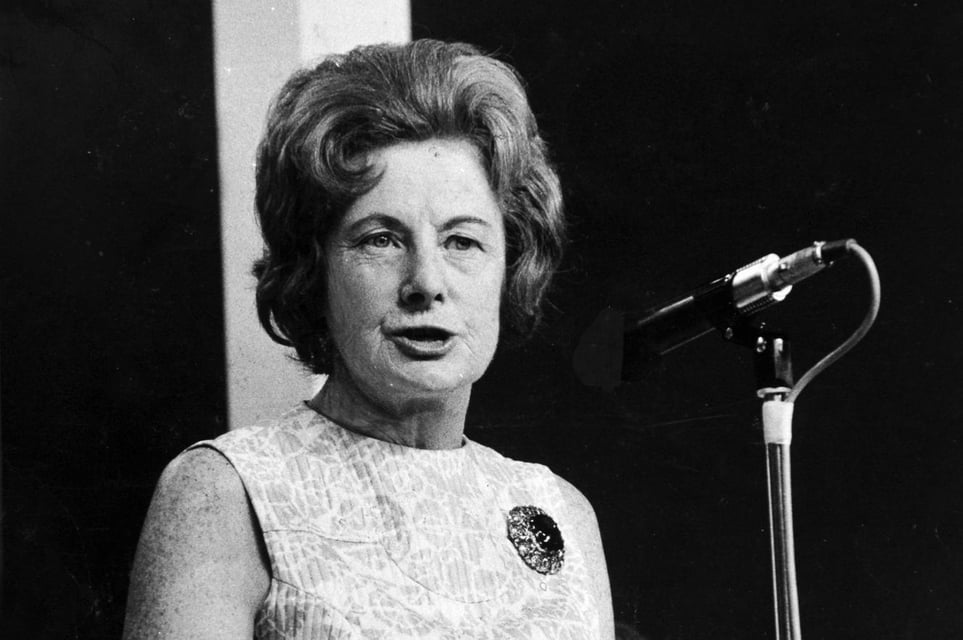
In 1968 Wilson was worried by press criticism of his failure to tame the unions and by the Conservative announcement of their own plan to reform industrial relations. In April he asked Barbara Castle, a Cabinet colleague, to lead the newly established Ministry of Employment and Productivity and reform industrial relations. Castle was a fiery personality from the Bevanite left-wing of the party. She believed strongly in a powerful trade union movement but she was also convinced of the need for it to act responsibly. In January 1969, Castle produced her report, “In Place of Strife”.
In Place of Strife : Key proposals
• Employees would have a legal right to join a trade union.
• The government could order a ballot to be held before a strike if it believed there was a serious threat to the national interest.
• In an unofficial dispute the government could order a return to work for a 28-day “cooling-off” period.
• Disputes between unions could be referred to an industrial commission whose decision would be legally binding.
• There would be financial penalties if the commission was not obeyed.
• Workers who were unfairly dismissed would be entitled to compensation or to get their jobs back
The TUC and left-wing Labour MPs were incensed by “In Place of Strife”. As one trade union leader put it, legal sanctions would “introduce the taint of criminality into industrial relations”. More than 50 Labour MPs rebelled when “In Place of Strife” was debated in the House of Commons.
Resistance within the party, the TUC and even in the Cabinet led by Home Secretary, Jim Callaghan, caused Wilson to back down. A face-saving formula was devised by which the TUC gave a “solemn and binding undertaking” that it would monitor strikes and disputes and offer “considered opinion and advice”. The failure of “In Place of Strife” contributed to the fall of the Labour government in 1970 and convinced many outside the Labour movement that trade unions had too much power, but that their resistance to change was a major obstacle to economic progress.
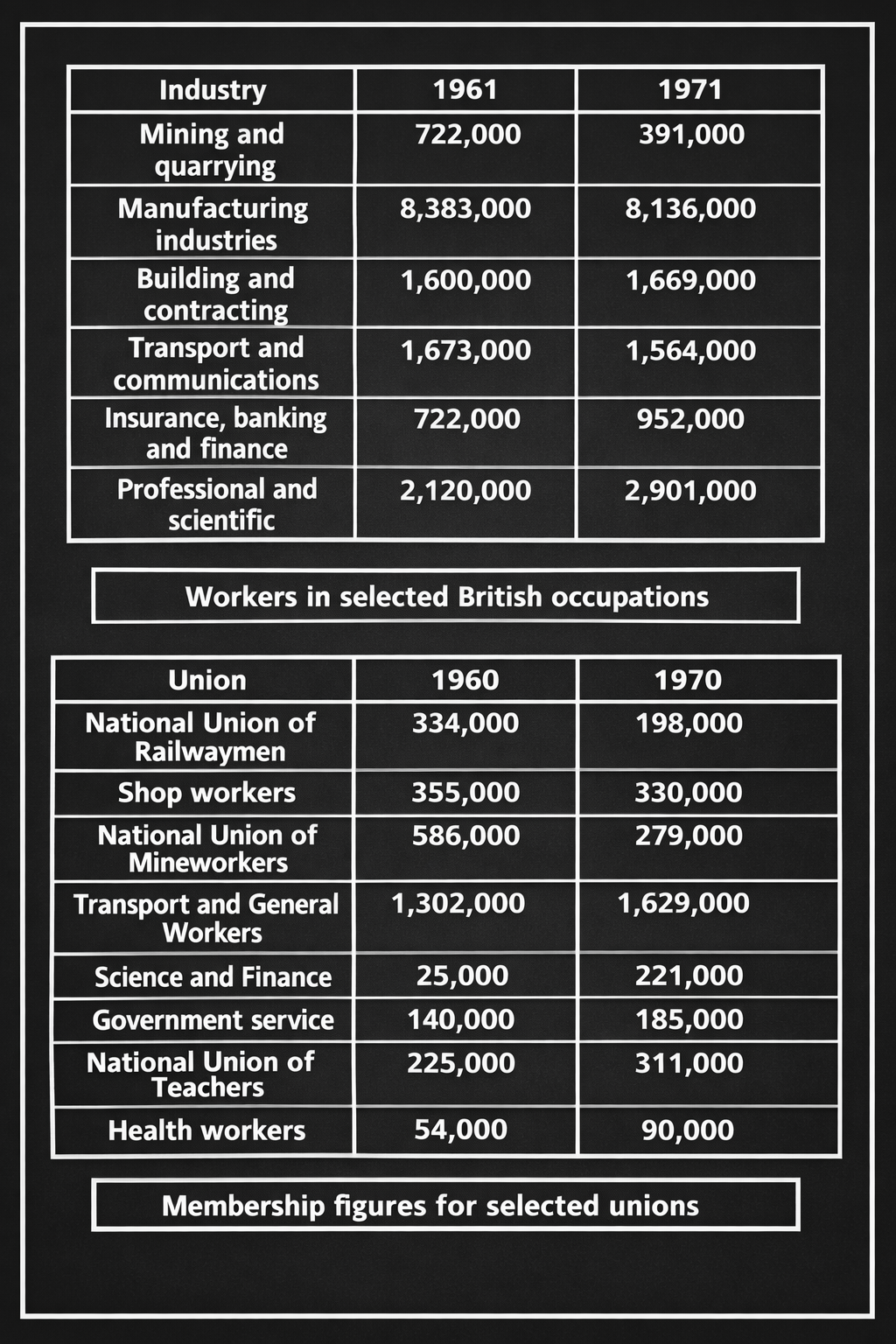
As traditional industries declined and white collar employment grew, some of the largest and most powerful unions lost members. There was an increase in the membership of unions representing workers in the expanding public sector of government administration, health and teaching, but this was not matched by the private sector where many employers discouraged union membership.
Foreign Policy
Foreign policy challenges facing Wilson

South Rhodesia

European Economic Community

Vietnam War
Foreign Affairs
Wilson had managed to hold a balance between the left and right wings of his party and supporters in the area of social reform. Foreign and colonial policy issues were an area of increased tension.
By 1964, the wind of change had brought independence to eighteen New Commonwealth states, with many more about to follow. The Wilson government could reasonably hope that the complicated process of Britain’s “retreat from empire” might carry on smoothly. This would mean not only granting independence to the colonial peoples who had not yet achieved it, but also reducing Britain’s military responsibilities, especially “east of Suez”, but political and public opinion still clung to the illusion that Britain had an important world role.
Britain and Southern Rhodesia
Problem
In 1961 South Africa left the Commonwealth and moved faster and faster towards a system of apartheid (a rigid system of racial segregation). In 1963, the Federation of Rhodesia and Nyasaland broke up into three separate entities. In 1964, northern Rhodesia
became the independent state of new Zambia; Nyasaland became independent Malawi. Southern Rhodesia hoped for independence at the same time but Britain made it clear that this could not happen until apartheid and white control was ended. A political row blew after the election of the new prime minister Ian Smith. Smith was committed to perpetuating white rule stating: “I do not believe in black majority rule in Rhodesia in a thousand years”. Smith made an illegal declaration of
independence in November 1965.
Wilson’s response
Wilson attempted to balance different sections of opinion in his handling of the illegal declaration of independence. The Labour left and the Commonwealth countries of black Africa wanted the government to send troops to crush the rebellion. Instead, the government used economic sanctions, but it soon became clear that these were not working. Wilson, in optimistic mood, twice attempted personal diplomacy: proposing a settlement that would have left Smith in power, provided that black majority rule was introduced at some time in the future. Wilson’s offer to Smith risked inflaming left-wing opinion in Britain and the unity of the Labour government. Smith’s refusal let Wilson off the hook, allowing him to maintain his stance as an opponent of the rebellion who had attempted to find a peaceful solution. There were no easy solutions to the problem and it was not settled until 1980.
Britain and the European Economic Community
Problem
The rejection of Britain’s application to join the EEC was a shattering blow to the Macmillan government in January 1963. He had become convinced that British membership was absolutely vital for economic reasons.
Wilson’s response
Wilson’s government were not nearly as committed to joining Europe as the Conservative Party had become. However, Wilson believed that he could persuade the French President Charles de Gaulle, and in 1966 launched a new application to join. However, de Gaulle was unconvinced and in November 1967 he once again vetoed Britain’s application. Wilson did succeed in maintaining cabinet and party unity over Europe, the pro-Europeans were pleased that he attempted application while the antiEuropeans were pleased by its failure.
Britain and the Vietnam War
Problem
Britain’s “special relationship” with the US remained another awkward question. The expansion of America’s military involvement in Vietnam sharpened this issue. After the defeat of the Japanese in 1945, the French attempted to re-establish their colonial empire in Vietnam. They were defeated by Vietnamese communist nationalists in 1954, and an international conference at Geneva divided the country into a communist north and a non-communist south. The communists in the north never accepted the validity of the Geneva decision and began a guerrilla war designed to reunite the country. South Vietnam relied on US help for survival, and in 1965, US President Johnson sent US troops to defend the south and prevent the spread of communism in the region. The Americans’ use of heavy bombing and chemical weapons made the war highly controversial
Wilson’s Response
Wilson believed that Britain’s economic recovery and security depended on a close alliance with the Americans. The left regarded US policies as aggressive and imperialist and were angered by the response of Wilson to the war. In April 1965, a few weeks after President Johnson committed US troops to fight in Vietnam, Wilson told the Commons that “we have made absolutely plain our support of the American stand against communist infiltration in South Vietnam”. But, to appease the left, he refused Johnson’s requests to send British troops; in June 1966 he publicly criticised heavy US bombing in North Vietnam; and in 1967 he attempted to broker a peace deal. These actions irritated Johnson without going far enough to satisfy the Labour left..
Conservative in Power 1970-1974
Did the Conservatives win the 1970 election?
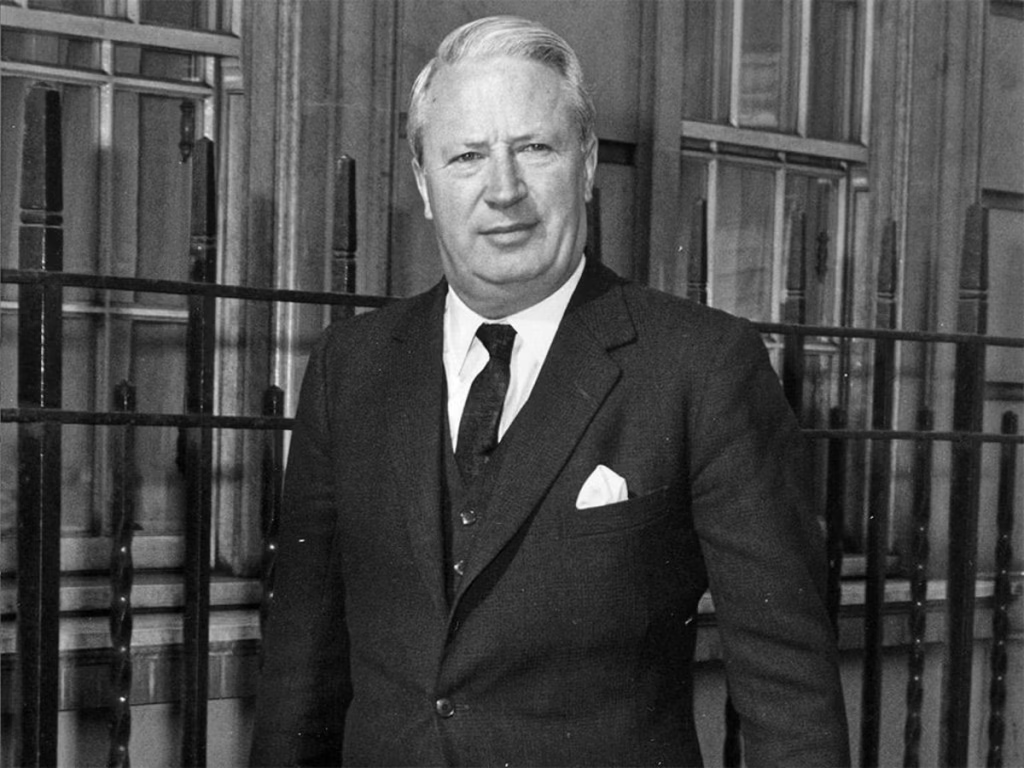
Edward Heath became Conservative leader in August 1965. Like Wilson, he had attended a grammar school and won a scholarship to Oxford. He became an MP in 1950. A passionate European, he was widely praised for his handling of the negotiations for British entry to the Common Market (EEC) in 1961-62. He was a serious and reserved person who lived sailing and music.
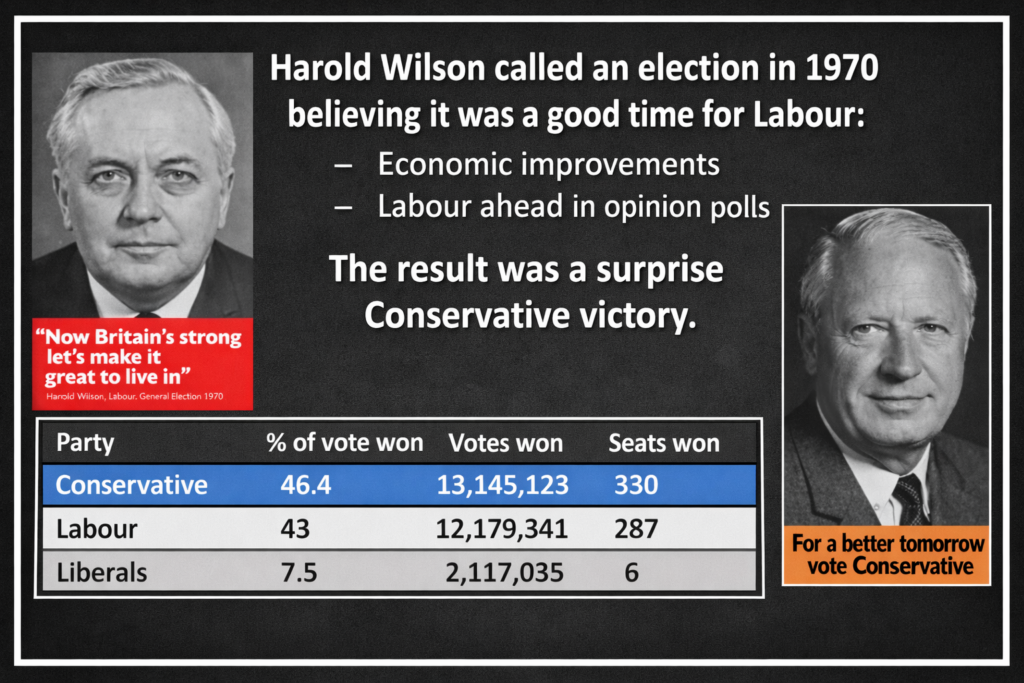
During the 1970 election campaign Health relentlessly attacked the economic record of the Labour government, stressing that, since 1964, inflation had risen 33% and unemployment by over 200,000. The press almost unanimously agreed and attributed the Conservative victory to Heath himself. The Daily Express praised his “guts and leadership”. Heath had a strong authority over his party as demonstrated in 1968, when he sacked Enoch Powell from the shadow cabinet. Powell was a fierce opponent of both Commonwealth immigration and the Labour government’s race relations legislation. In April 1968 he made a widely reported speech in which he predicted race riots. He stated:
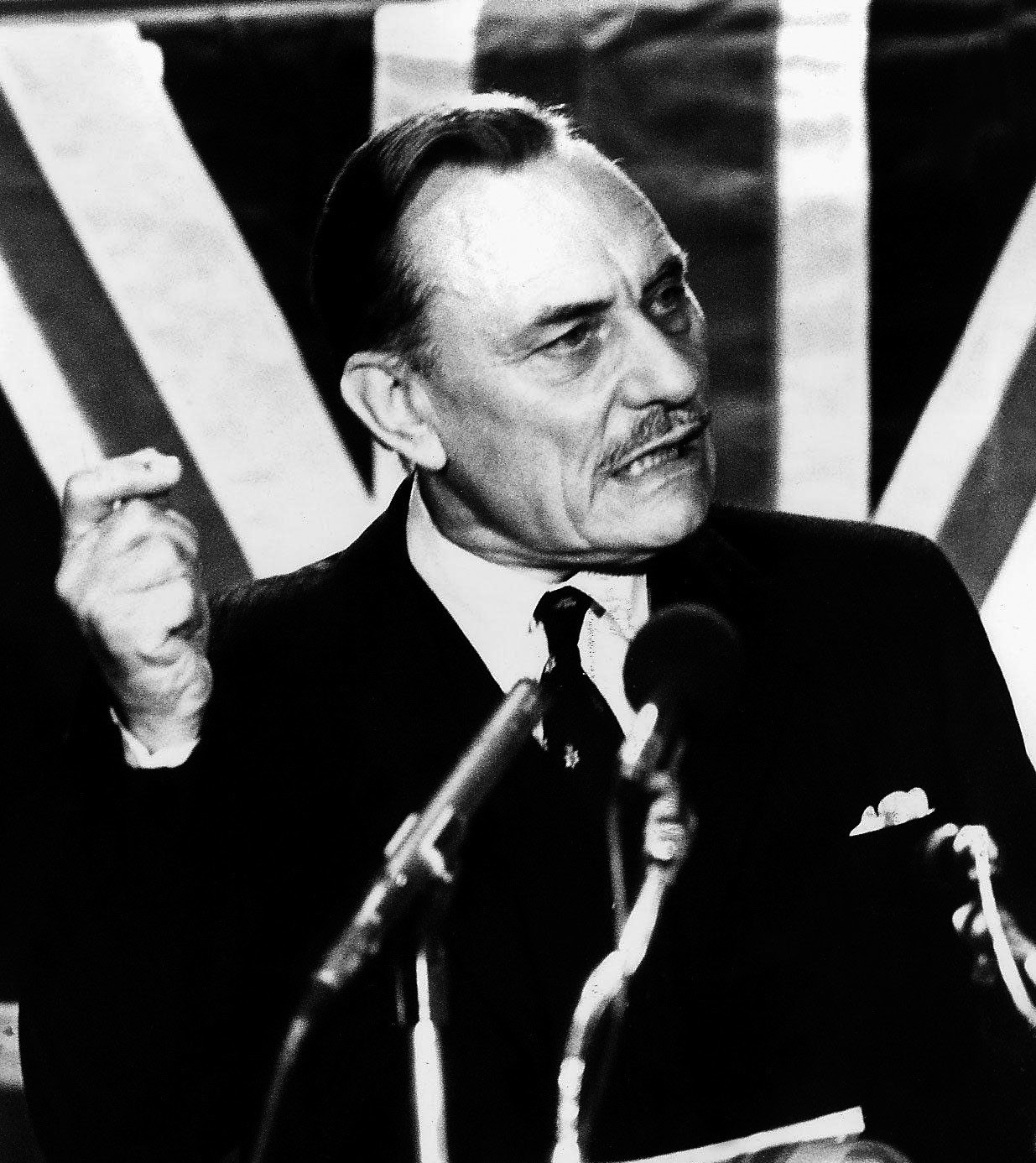
As I look ahead, I am filled with foreboding. Like the Roman, I seem to see “the River Tiber foaming with much blood”.
Powell’s speech was popular with many of the white working class who felt threatened by immigration, and Heath received thousands of letters of criticism for sacking him. However, the majority of Tory MPs rallied behind their leader.
Conservative policy proposals
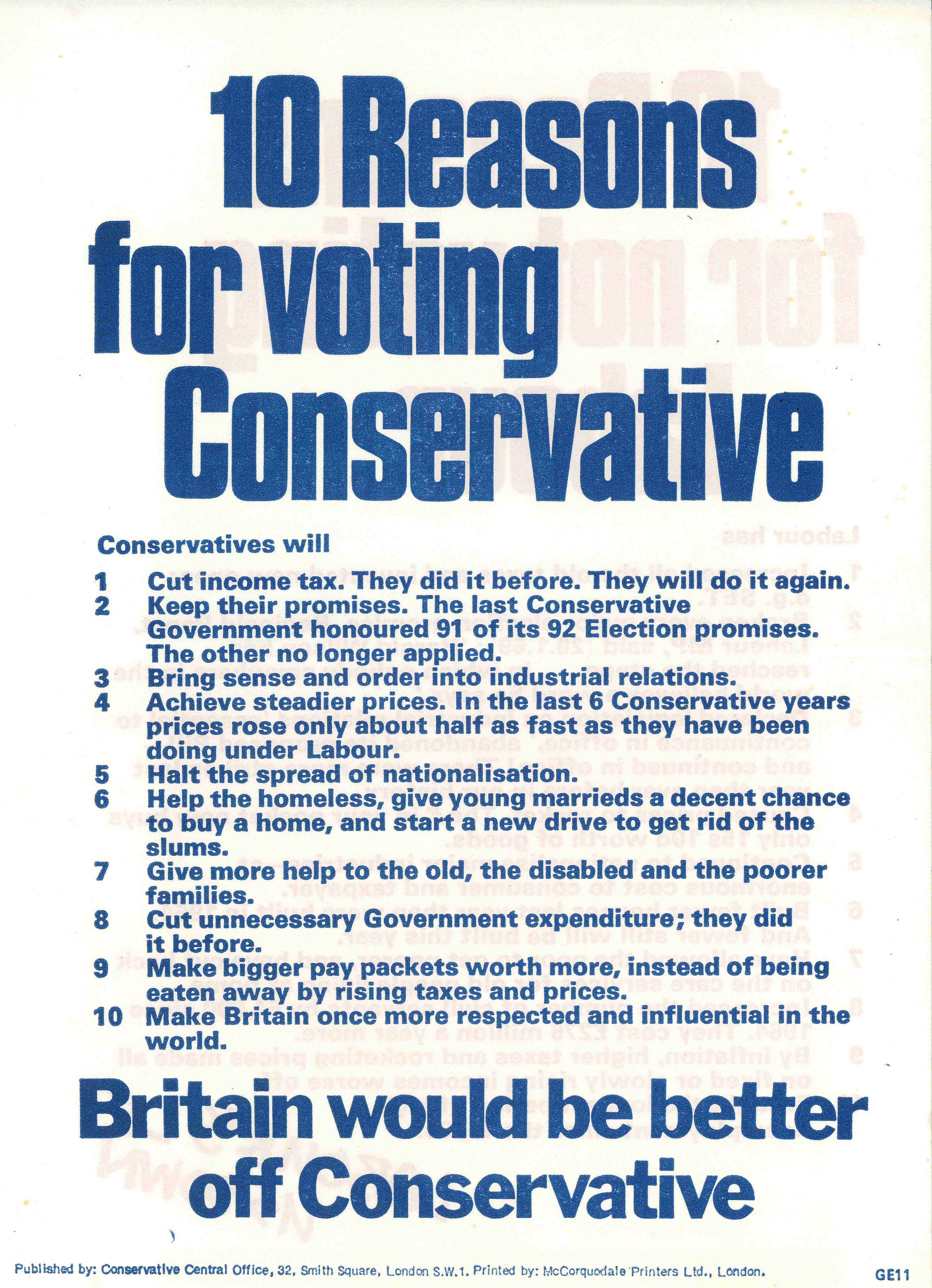
The Conservatives had used their years in opposition to develop a distinctive set of principles to underpin their policies. The main ideas were:
→ Industrial relations law would be reformed to reduce the number of disruptive strikes and inflationary pay settlements
→ There would be less state intervention in industry, especially if enterprises were loss-making
→ Attempts to control prices and incomes by law would end
→ Britain would apply to join the EEC
These policies, by proposing that government should do less to manage the economy, challenged some of the assumptions that had been accepted by both parties since the Second World War. Wilson tried to mock them as prehistoric but by doing so probably only succeeded in drawing attention to their novelty.
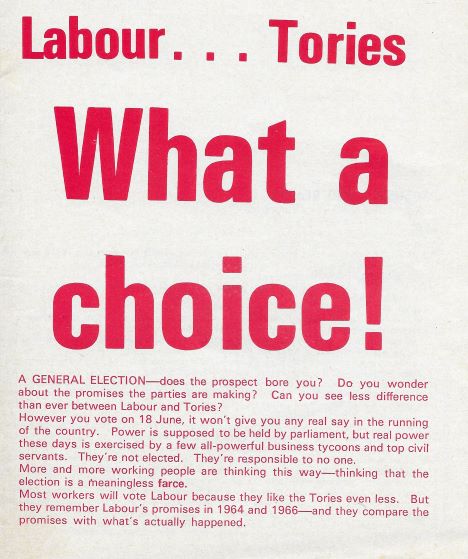
Weaknesses of Labour in 1970
→Wilson’s Complacency
- Pre-election approval poll: Wilson at 51% to Heath at 218%
- Did this make Wilson too relaxed?
→ Disillusionment of Labour supporters
- Barbra Castle spoke of Labour voters not turning out to vote in 1970
- Party membership had fallen from 830,000 in 1964 to 680,000 in 1970
- Many Labour supporters felt the party had been too right wing
→ Failure of In Place of Strife
- The defeat of In Place of Strife seemed to highlight that the unions held too much power over the Labour Party
Heath’s Conservative Government 1970-1971
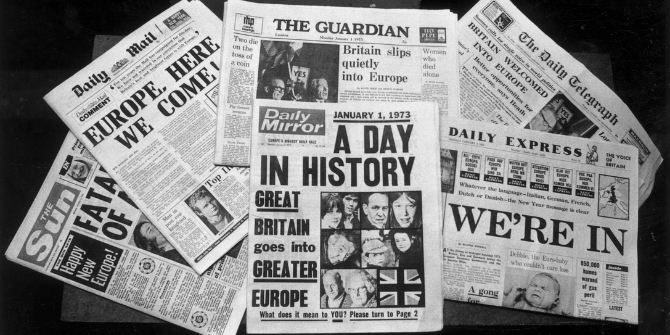
For the first year of Heath’s government all appeared to be going to plan. Undoubtedly for Heath, the great achievement was getting French, and then parliamentary approval for Britain’s entry into the EEC. Heath himself played a large role in winning over the French President Pompidou. Thereafter, the struggle shifted to Westminster and the difficulties in getting the British parliament to agree to it. Enoch Powell was strongly opposed as were a small band of Conservatives following his lead. Labour too were divided over the issue, and Heath only managed to succeed it getting parliamentary approval as a small group of Labour rebels led by Roy Jenkins supported him.
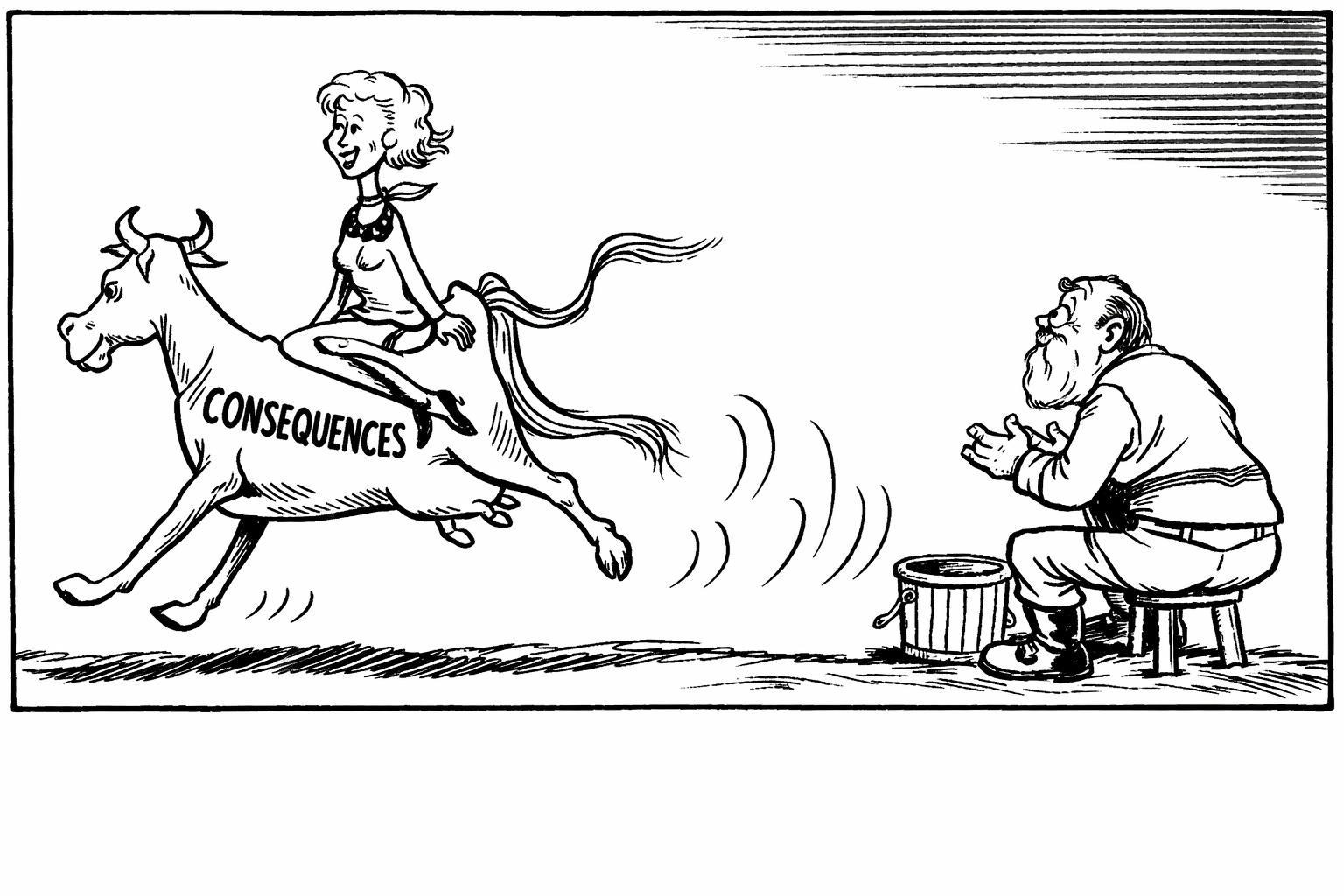
The budget of 1971 was a popular tax-cutting budget designed to stimulate the economy. However, some of the associated cuts in government spending were less than popular, notably the ending of free school milk. Here, it was the Education
Secretary, Margaret Thatcher, who got the blame, earning her the nickname of “Thatcher – milk snatcher”. Heath’s government also experienced problems with falling exports as President Nixon devalued the US dollar in 1971 which meant British exports became more expensive to the US.
Heath also introduced a new framework for industrial relations. The Industrial Relations Act outlined the following provisions: – Workers had the legal right to join (or not join) a trade union. – An Industrial Relations Court was established. – Government could order a pre-strike ballot and impose a cooling-off period of up to 60 days.
Many of these measures were similar to the terms outlined in Labour’s failed “In Place of Strife” proposals, so it is not surprising that the Act was unpopular with most unions. Rather than prevent strike activity, days lost to strike actually increased throughout 1970 and 1972.
Heath’s Conservative Government 1972
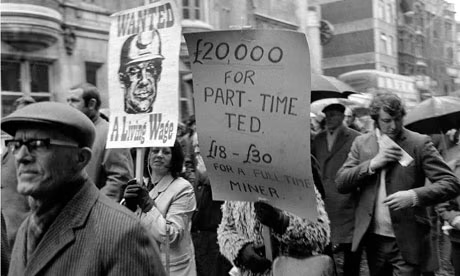
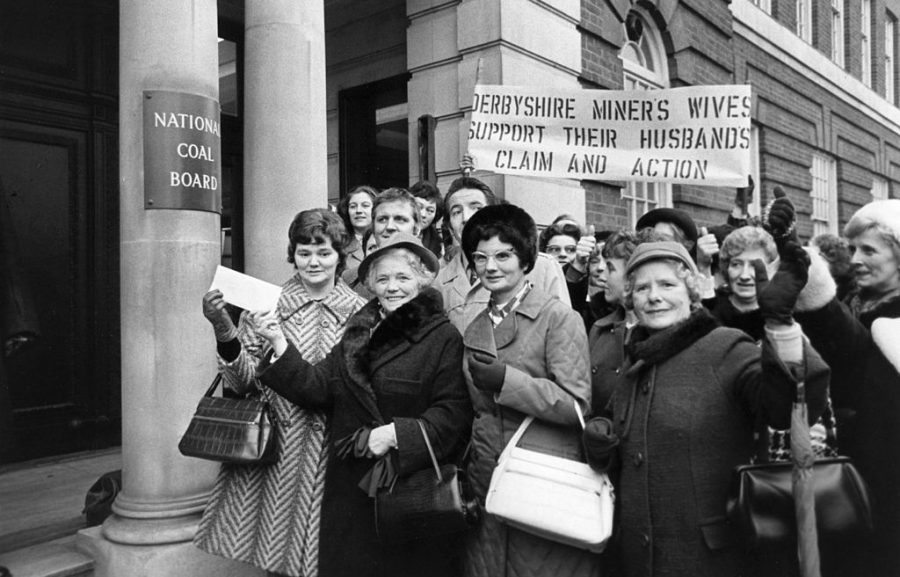
Throughout 1972 a number of problems were brewing for Heath’s government as escalating inflation and pay claims led to confrontation with one of the most powerful unions in the country the National Union of Miners (NUM). It was soon clear that the Industrial Relations Act was not working as hoped as the Industrial Relations Court could only act if unions agreed to register under the Act. Most unions refused to register.
The government found itself confronted with a wage explosion with unions demanding higher pay to counteract the higher inflation. However, higher pay awards just fed further inflation as businesses put up prices to counteract the higher wages they were being forced to pay. The miners, in a declining industry, had accepted moderate pay settlements over the previous 15 years in return for job security. In the early 1970s they demanded a catch up winning a 14% pay increase in 1971. The NUM was increasingly under the influence of more extreme leaders and when a pay award of only 8% was put forward to miners in January 1972 the NUM rejected this and called a national strike.
A key tactic used by the miners in the 1972 strike was the use of “flying pickets”. Using cars and minibuses, hundreds of miners could descend unexpectedly on the hosen mine to close it and swamp local police forces. This led to a number of violent incidents, notably at the Saltley coke depot in Birmingham. With coal stocks at power stations rapidly running down and power cuts occurring, the government gave in and awarded the miners a pay settlement more than twice the rate of inflation. The miners’ victory of February 1972 encouraged other workers to also press for bigger and bigger wage increases and led to spiralling inflation.

Heath’s Conservative Government 1973-74
In 1973 the country was hit with a fresh disaster with the outbreak of the Arab-Israeli War in October. This led to a reduction in oil supplies to the West from the Middle East. The price of oil on the world market suddenly rocketed. The price multiplied by a factor of five between January 1972 and January 1974. Suddenly the ready supply of British coal became more important. Heath feared a confrontation with the miners.
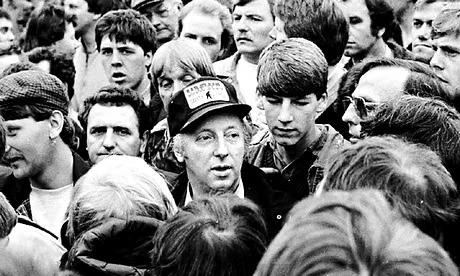
To some in the National Union of Miners (NUM) such as the young Yorkshire activist Arthur Scargill a strike at this moment could have political implications. Trade union power could be used to bring down the capitalist system. When the NUM successfully called a strike, the government were forced to introduce a three-day week in order to save power and demand for coal. The introduction of the three-day week, where work only took place for three days not five days in the week. In December Heath went on television to declare a State of Emergency during which time alongside the three day week, a 50mph speed limit was introduced on all roads and television was required to close down at 10.30pm each evening. Talks to resolve the dispute with the unions failed and Heath responded in February 1974 by calling an election. He hoped to get decisive support for his government’s policies. This failed and in March 1974 Harold Wilson and Labour returned to government once more.
Labour in Power 1974-1979
1974 Election
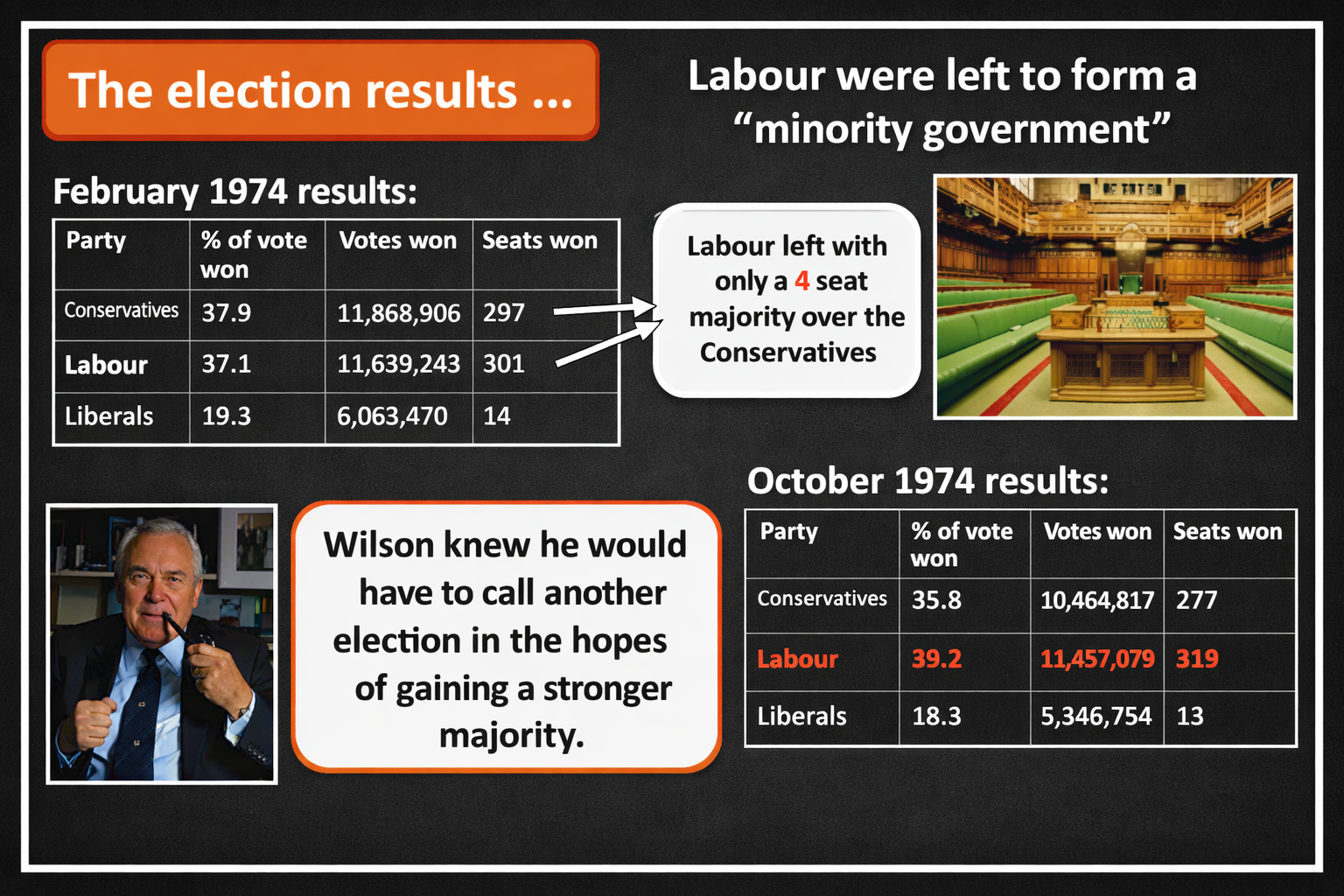
How effectively did Wilson and Callaghan deal with the problems Britain faced between 1974 and 1979?
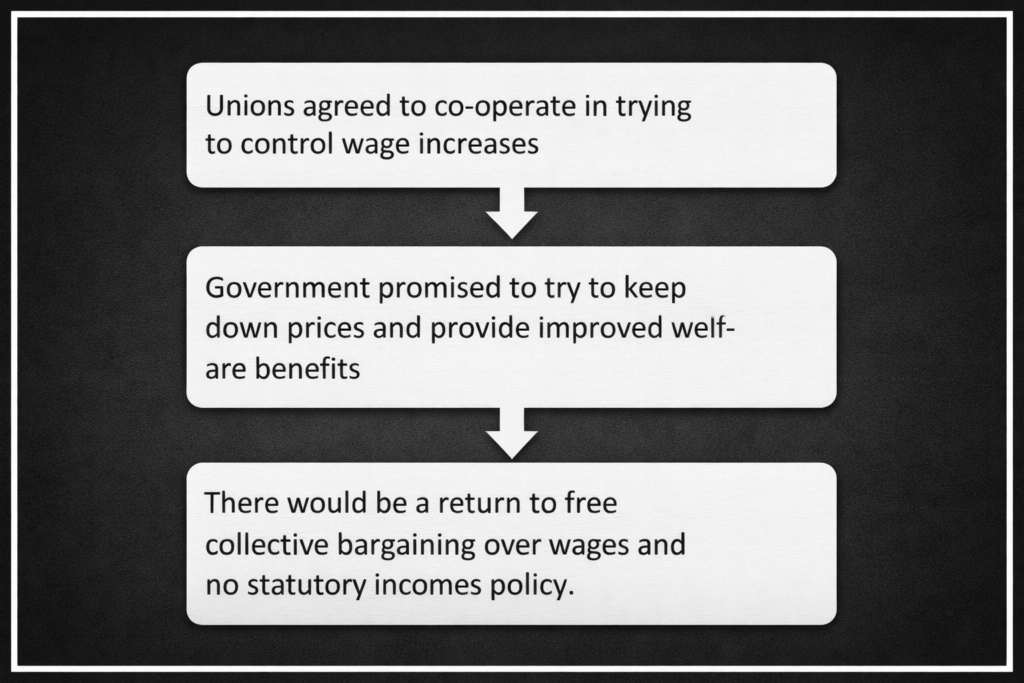
To demonstrate that the 1971 Industrial Relations Act had been unnecessary, the Labour Party and the TUC had reached an agreement in 1973 called the Social Contract.
But the Social Contract did not solve the nation’s economic difficulties because wage increases continued to exceed the inflation rate, and cynics suggested that “the only give and take in the Social Contract was that the government gave and the unions took”. According to an opinion poll, Jack Jones, the leader of the transport workers’ union, was regarded as the most powerful man in the country. However, the Social Contract did suggest that trade unions and government had some shared objectives. Their uneasy co-operation lasted until the winter of 1978-79.
The drift to the left in the Labour Party
The Labour Party had shifted to the political left in its four years in opposition. This was reflected in two cabinet appointments:
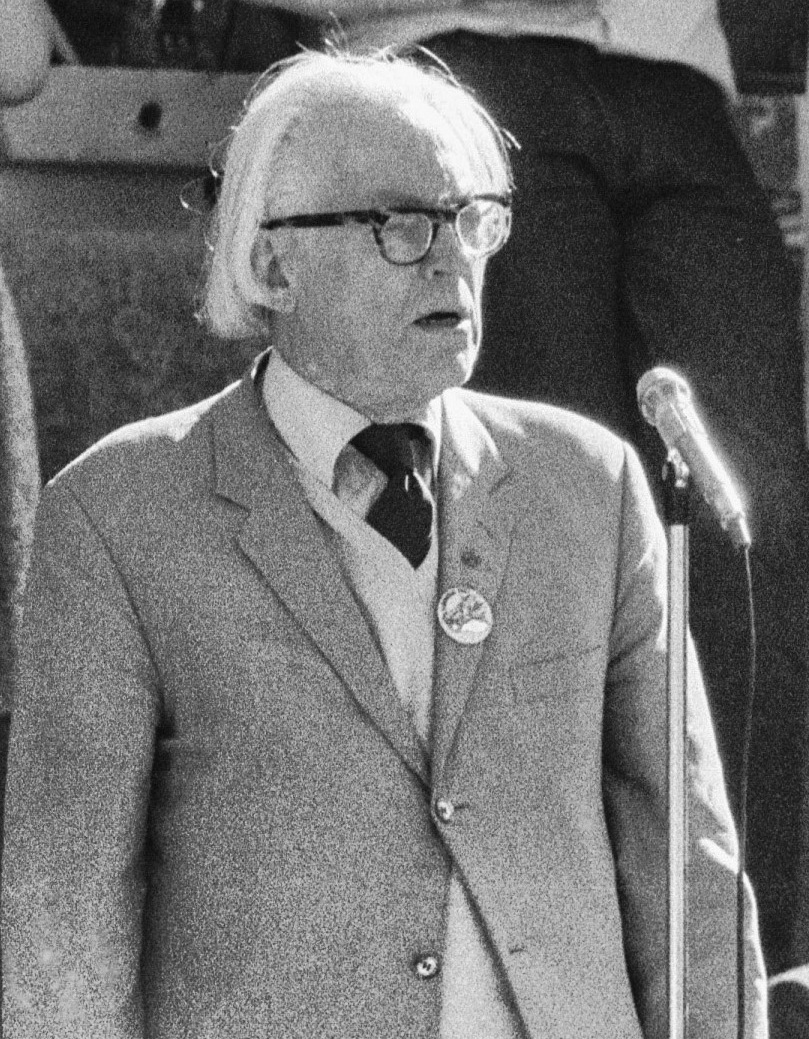
Michael Foot – Department of Education
Former editor of the Evening Standard newspaper.
Later became Deputy Leader of the Labour Party (1976–80) and Leader (1980–83).
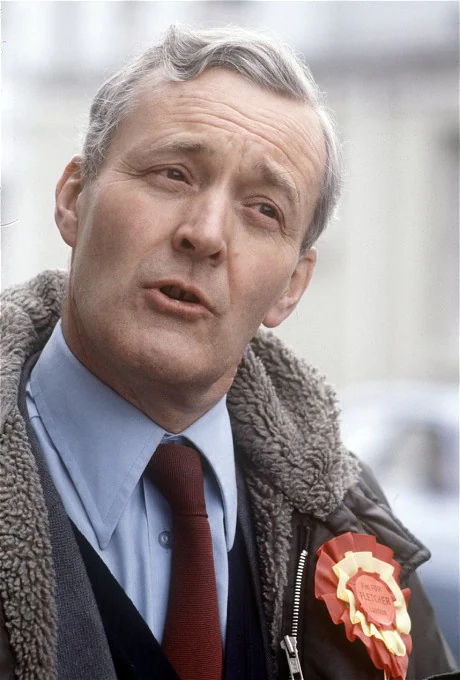
Tony Benn – Secretary of State for Industry
Son of a Labour peer.
Served as Postmaster General under Harold Wilson (1964–70).
Strongly opposed nuclear weapons.
Labour divisions over Europe
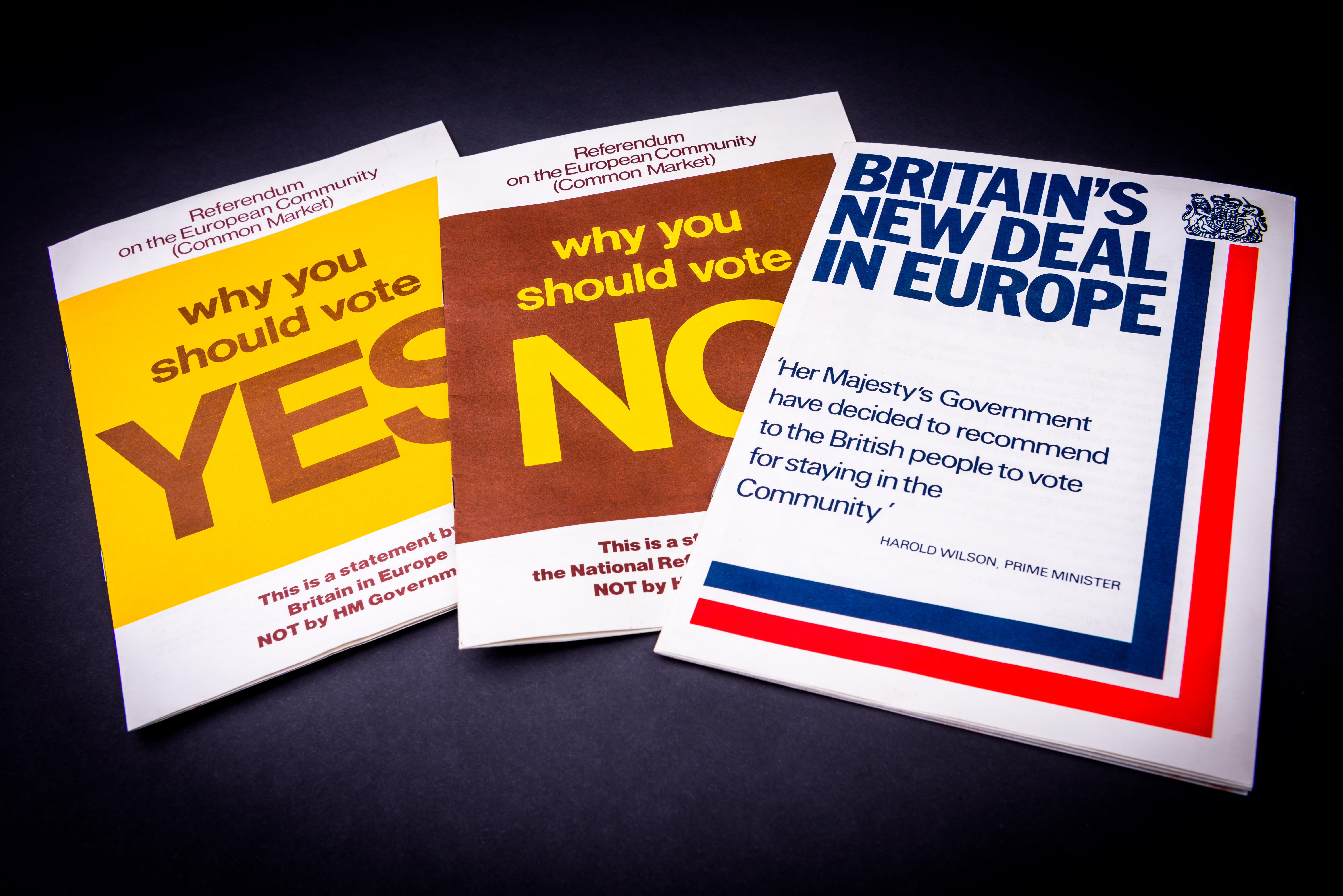
Wilson promised to renegotiate the terms of British membership of the EEC (or Common Market) and hold a referendum on the issue. The new terms, by which Britain’s contribution to the EEC budget would be reduced, were announced in March 1975 and the date for the nation’s first referendum was fixed for 5th June 1975. Wilson sensibly allowed his Cabinet members freedom to campaign for either side. The result was a 2:1 vote in favour of continued membership because voters believed that the success of the EEC offered a way to overcome Britain’s economic difficulties. This result, for a while at least, buried the issue of Europe and appeared to preserve Labour Party unity.
Wilson’s resignation, March 1976
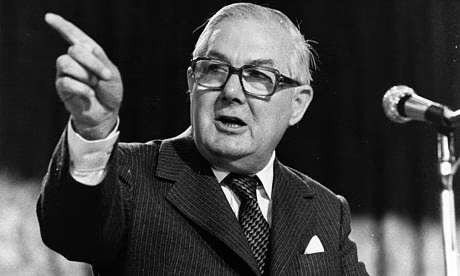
In March 1976 Wilson suddenly announced his resignation. Although he was only 60 years old, he was aware that his normally excellent memory was beginning to fail him. He later revealed that he had decided in March 1974 to serve no more than two more years. James Callaghan defeated five other senior Labour figures in the election to replace him.
Economic difficulties: Stagflation
The Labour government settled a miners strike in 1974 by giving them a 29% pay increase and, with wages rising faster than growth, inflation reached nearly 30% by the middle of 1975. The response of the trade unions was to demand even bigger wage increases which created further inflation. A world recession hit British exports, economic growth slumped and unemployment steadily increased from 542,000 in 1974 to over 1.3 million two years later.
Denis Healy, the Chancellor (1974-79) concluded that economic recovery was dependent on conquering inflation:
His 1975 budget increased taxes and cut government spending – he hoped taking money out of the economy would reduce prices.
July 1975 government introduced a £6 per week ceiling on wage increases. The TUC reluctantly agreed but some left‑wing MPs were opposed to the policy.
1976, the government reduced the ceiling to £4 per week. Led to a gradual fall in wage increases from 26% (1975), 15% (1976) and 10% (1977).
Although inflation fell economic recovery did not follow. Continuing poor productivity and high costs did little to boost exports and imports remained high, so that the balance of payments was in deficit.
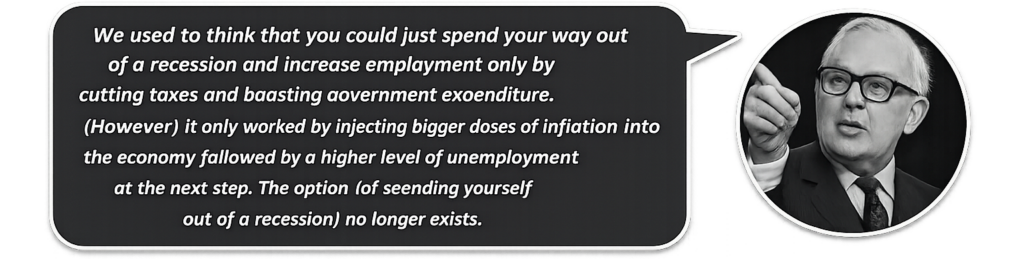
During 1976 the government was faced by a severe crisis of confidence in the pound. Its falling exchange value threatened to push up the prices of British exports and make inflation worse. The Bank of England bought pounds on the foreign exchange in order to prop up its value, but this threatened to use up the nation’s currency reserves. National bankruptcy threatened.
Callaghan realised that the onset of “stagflation” had destroyed some of the economic assumptions that had prevailed since 1945. He told the Labour Party conference in September 1976:
The IMF loan, 1976
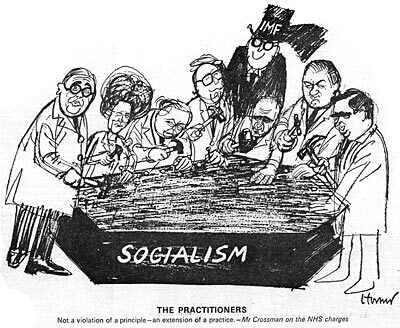
In September 1976 Healy decided that he could only stop the falling value of the pound by asking the International Monetary Fund for a loan of $3900 million. But to secure it, the government would be required to cut government spending by approximately £2 billion. After exhaustive debate, Callaghan and Healy finally persuaded the Cabinet to accept the terms early in December.
Although the crisis deepened the rift between the Labour leadership and the left of the party, Callaghan prevented a severe economic crisis. All too aware that a similar crisis in 1931 had destroyed the Labour government and kept it out of power for 14 years, Callaghan succeeded in preserving the unity of his Cabinet and kept the government in office.
IMF: At the end of WW2 30 countries agreed to create a fund to help rebuild their national economies and to provide short-term loans to enable members to overcome balance of payments deficits.
The Lib-Lab Pact, 1977-78
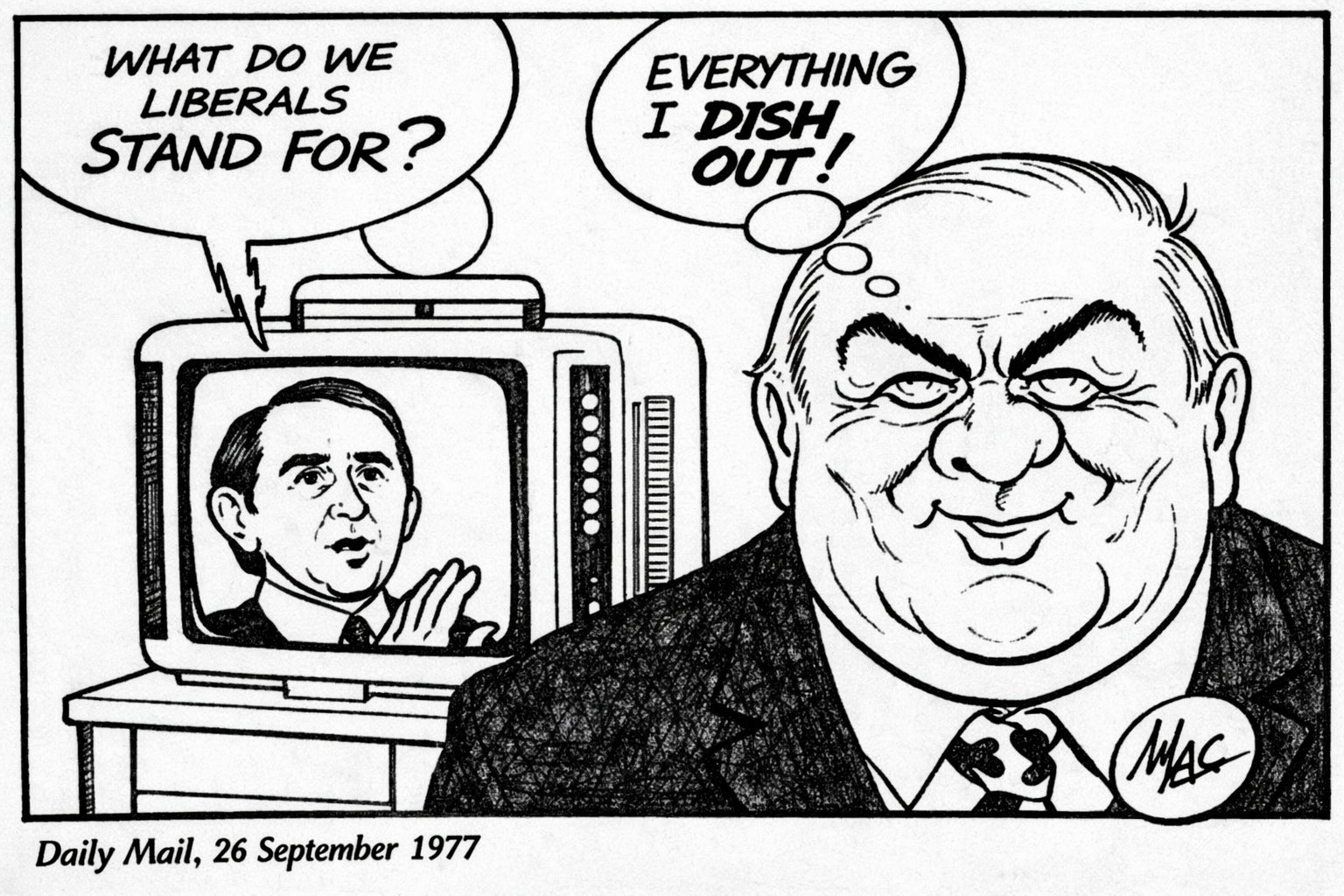
However, the severity of Britain’s economic problems undermined public confidence in the government. In November 1976 a Gallup opinion poll gave the Tories a 25% lead over Labour. By-election losses meant that the government’s slim majority in the House of Commons disappeared. In March 1977 Callaghan negotiated a deal with the new Liberal leader, David Steel, by which thirteen Liberal MPs agreed to support the government. The pact lasted until 1978.
The “winter of discontent”, 1978-79
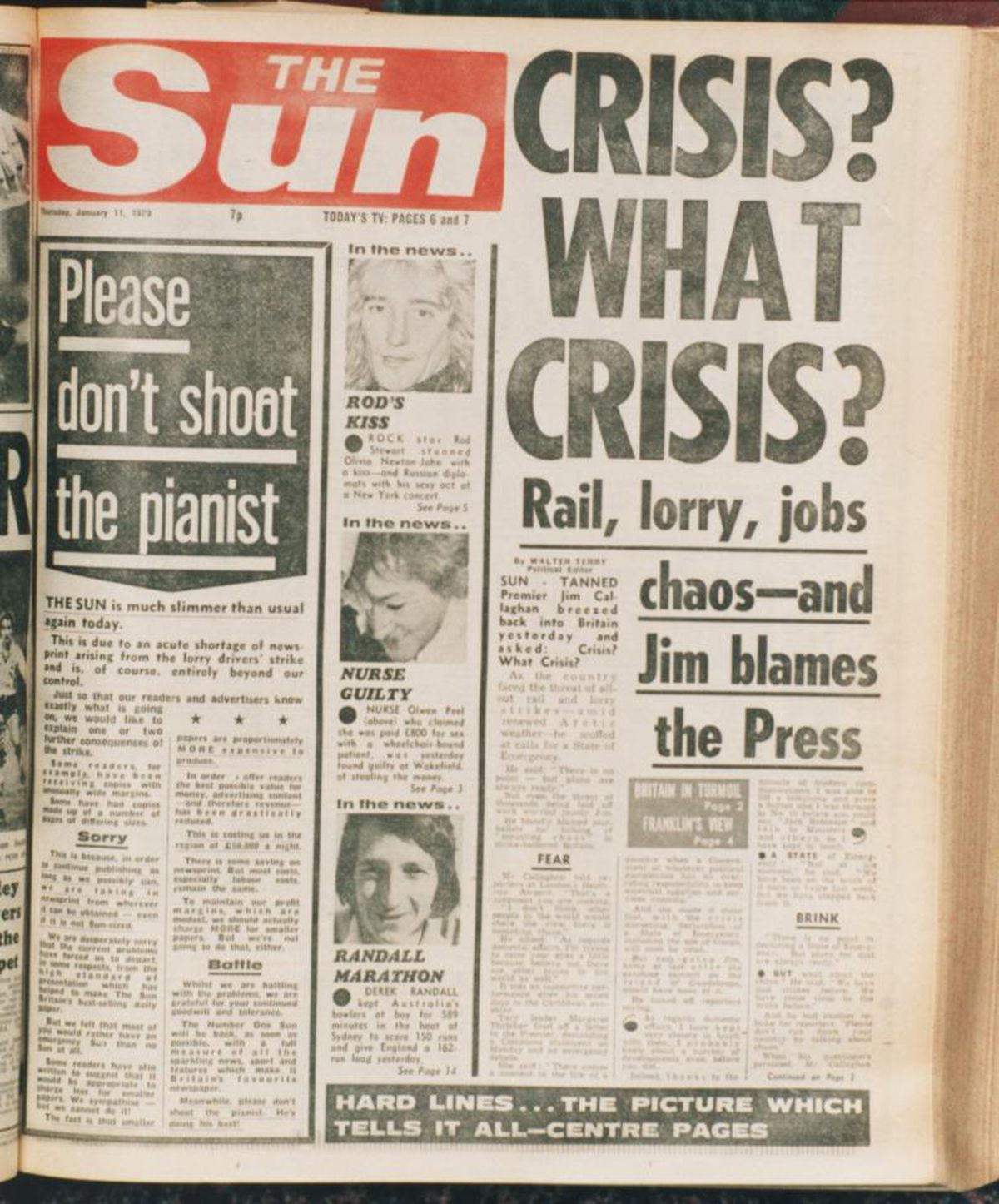
The government’s strategy for controlling inflation depended on the unions agreeing to pay rises no more than 5%. But the unions disliked Chancellor Healey’s policies, believing that he had abandoned the Social Contract and that their members were suffering disproportionally from the government’s counter-inflation strategy. In December, Ford workers won a 15% pay increase after a three-month strike. They were followed by the lorry drivers, who went on strike in January 1979 demanding a 30% rise. This affected deliveries and caused petrol shortages. More strikes and overtime bans followed when the National Union of Public Employees (NUPE), representing some of the lowest paid local authority workers, demanded a 40% increase. With workers such as dustmen and gravediggers involved, and rubbish piling up in the streets, the impact of the strikes was dramatic and easy for the press, predominantly unsympathetic to both Labour and the unions, to sensationalise as symptomatic of the country’s decline and the government’s impotence in the face of over-mighty union power.
Callaghan appeared to be complacent and out of touch. He spent a week in early January at a summit in the West Indies, and photos of him basking in the sunshine contrasted badly with the wintry chaos in Britain. When he returned, he told reporters: “I don’t think that other people in the world would share the view that there is mounting chaos”. This was transformed into a damning headline: “CRISIS? WHAT CRISIS?” The strikes were settled by pay increases adding to the public perception that the Labour government could neither control the unions nor manage the economy.

The end of the Labour government
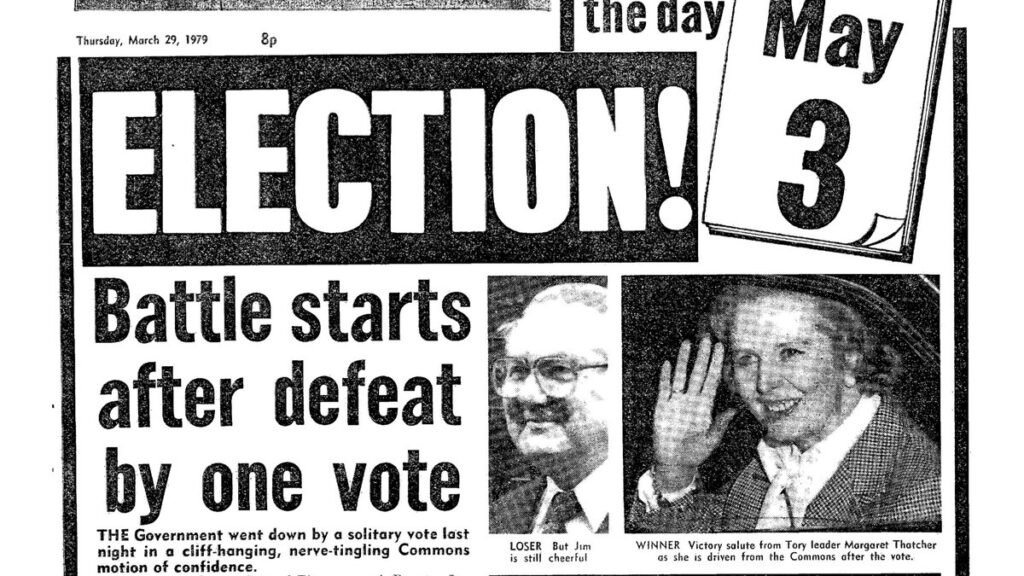
The government had gained the support of Plaid Cymru (Welsh Nationalist Party) and the SNP (Scottish Nationalist Party) in parliament by promising to devolve some power to Wales and Scotland. But in March 1979, referenda in both Wales and Scotland failed to win enough votes in favour for devolution to proceed. The nationalist MPs expected more support for devolution from the government and felt badly let down and, at the end of March, joined the Conservatives in voting against the government in a no-confidence motion, which the government lost by a single vote.
Exam Zone
This section has been designed to help you build confidence, sharpen your skills, and achieve your best possible results. Whether you are preparing for mock exams, end-of-unit tests, or final assessments, the Exam Zone provides everything you need in one place.
The Exam Zone is not just about testing your knowledge. It is about developing the key historical skills required for success: critical thinking, evaluation, and clear written communication. By practising regularly and reflecting on feedback, you will strengthen both your understanding of the past and your performance in exams.