

Anti-Semitism in Nazi Germany and the Holocaust
This module enables students to undertake an independent 4,000–5,000-word research investigation into the Holocaust and anti-Semitism in Nazi Germany, exploring how Nazi ideology, government policy, and public attitudes contributed to genocide, while critically evaluating historical interpretations and primary sources to develop a coherent, evidence-based argument.
This independent research project allows students to investigate one of the most significant and devastating periods in modern history. Through a 4,000–5,000-word essay, students will explore how anti-Semitic ideas developed and became embedded within Nazi ideology, government policy, and everyday life in Germany, ultimately contributing to the persecution and murder of Europe’s Jews.
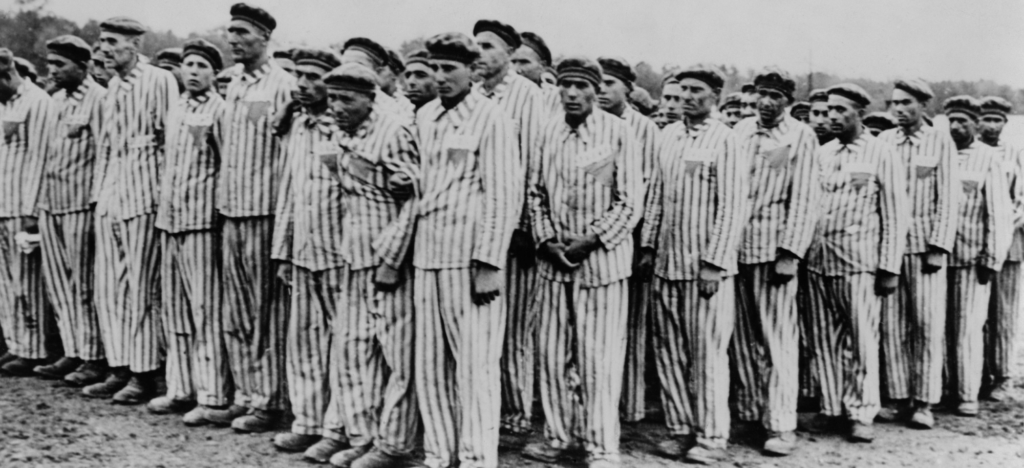
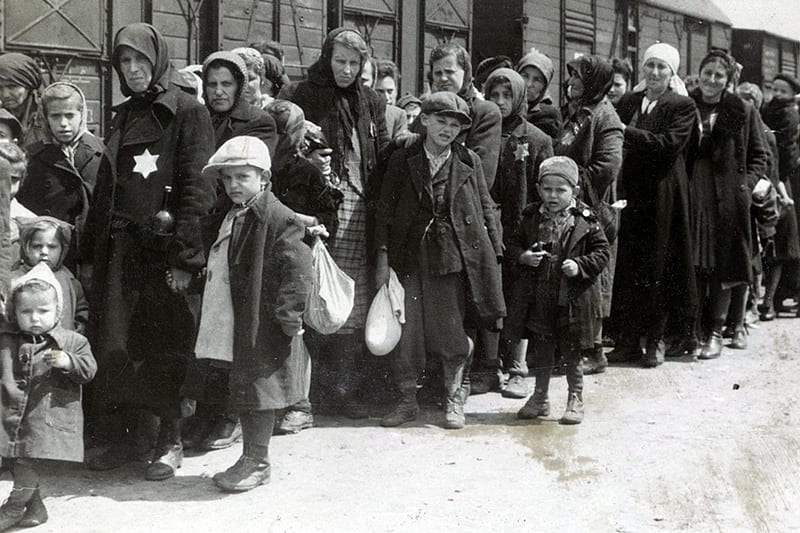
Students are expected to formulate a focused historical question, construct a sustained argument, and reach well-supported judgements. The essay should go beyond description, analysing competing explanations and evaluating the significance of different factors that contributed to the Holocaust.
A key element of the investigation is the critical use of evidence. Students must engage with a range of primary sources, such as speeches, laws, personal testimonies, and contemporary documents, while also assessing the interpretations of historians who have debated the causes, nature, and responsibility for the Holocaust.
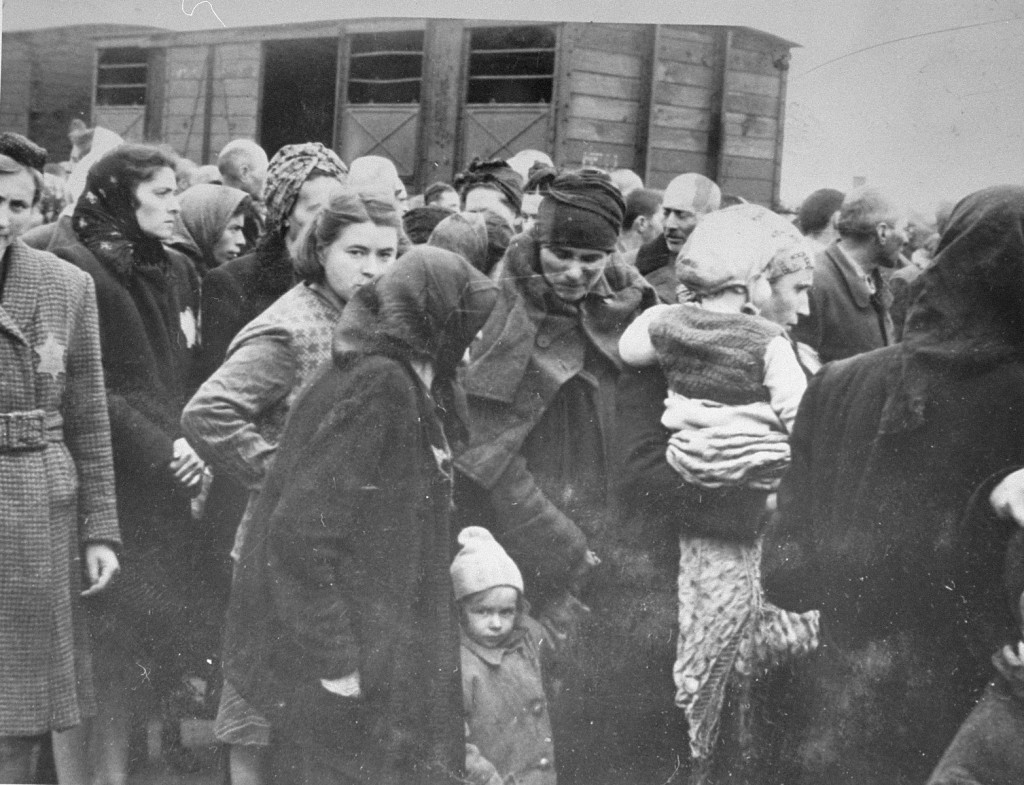
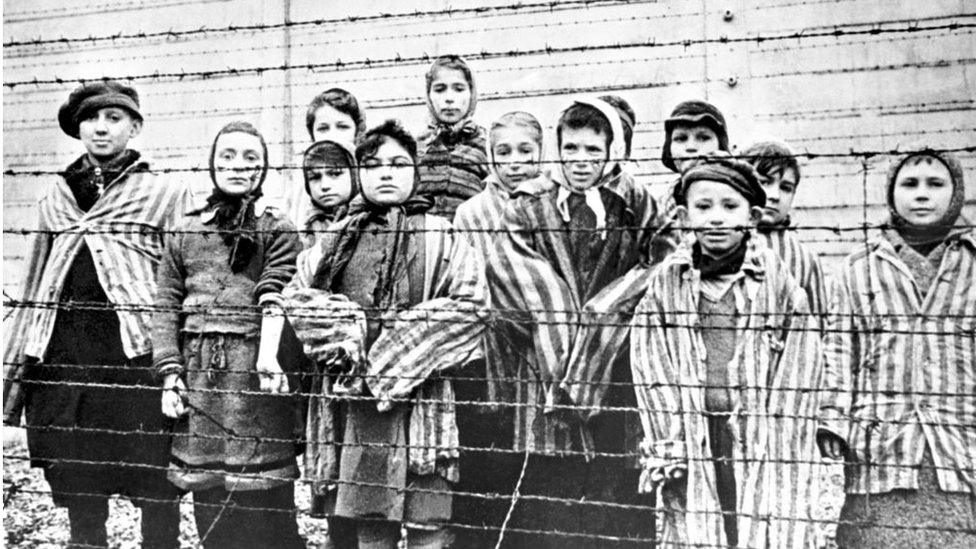
By combining independent research, source analysis, and historical interpretation, students will develop the skills of professional historians: questioning evidence, weighing different viewpoints, and producing a coherent, evidence-based argument on anti-Semitism in Nazi Germany and the Holocaust.
Holocaust Resources
Explore this collection of books on the Holocaust, offering powerful insights into the experiences, events, and lasting impact of one of the most significant tragedies in human history.