Causes of the American Revolution
Britain’s attempts to tighten imperial control after 1763—through taxation, territorial limits, and new enforcement measures—triggered escalating colonial resistance that ultimately set the American Revolution in motion.
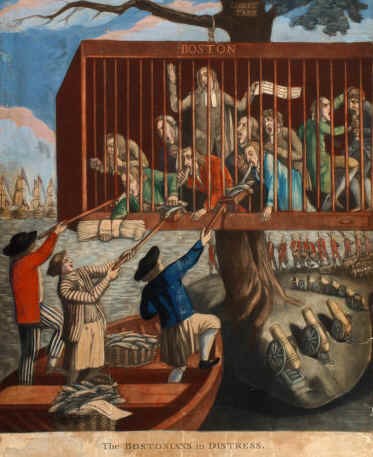
Relations with Colonies by 1763
The Treaty of Paris gave Britain a vastly increased Empire, most notably the acquisition of Canada. Its victory over the French was complete and it was now the largest colonial and maritime power in the world. The colonists had also made great gains as they no longer faced a threat from the French and believed that they would now be able to exploit the lands they had acquired and move further inland. However, the victory had come at a cost, mostly to the British government who had largely funded the war through borrowing. The national debt had virtually doubled and the last thing Britain wanted was further hostilities against the Native Americans, which would only add to costs. Victory had brought not just benefits but also considerable difficulties.
Increased Imperial Authority
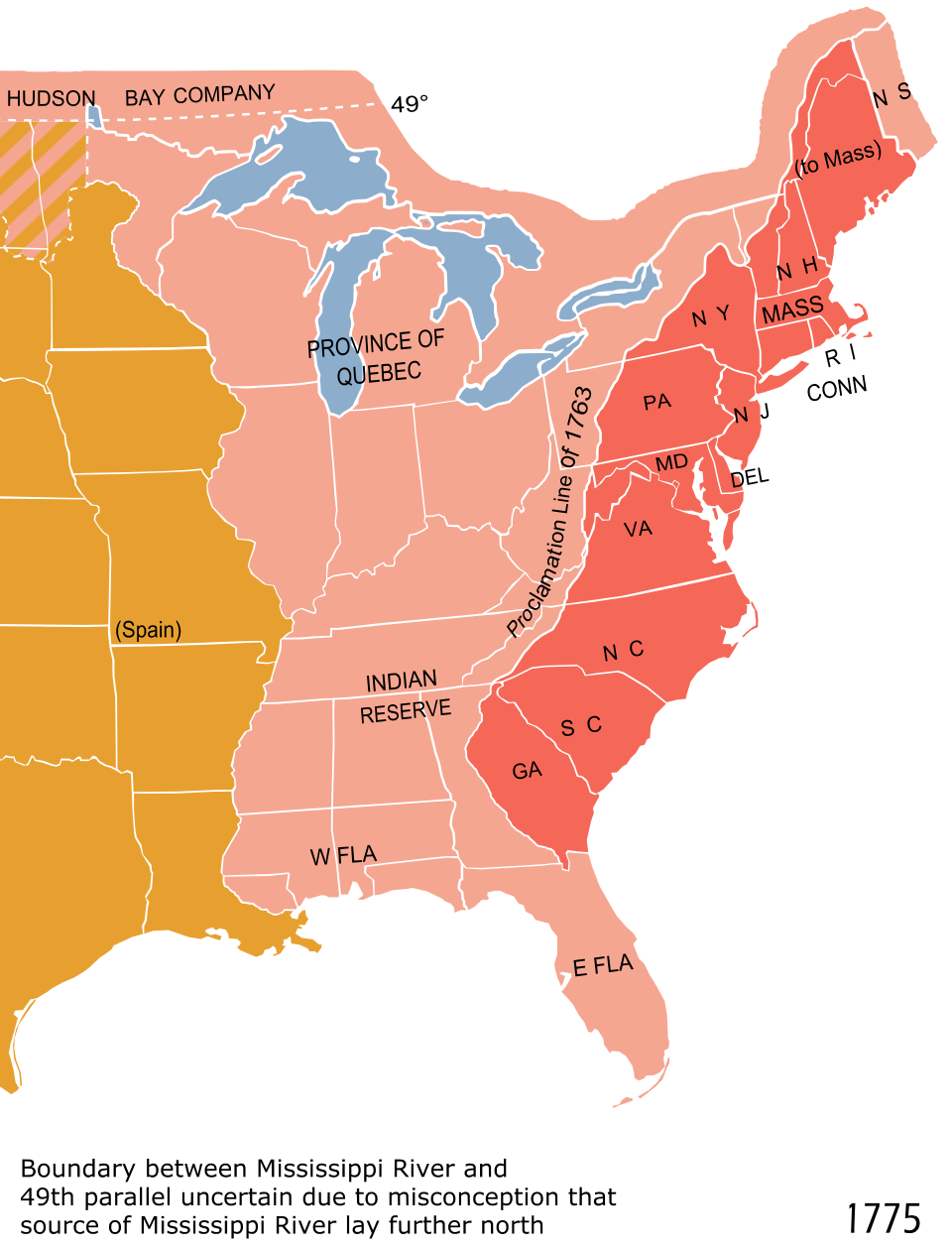
The British believed that the best way to prevent further hostilities was to station a permanent standing army in the colonies. Lord Bute’s government decided that in order to protect the colonists and prevent hostilities 10,000 troops would be needed as a permanent army. Since many politicians in Britain were angry that the colonists had done little to help meet the cost of the fighting during the war, the feeling was that the colonists should contribute at least some of the cost. Not only would the army protect them from Native American attacks, but it would also stop settlers moving beyond the Appalachians. It was hoped that such a policy would help to keep the two groups apart and help to resolve their conflicting needs for land and control of the fur trade. This was to be upheld by the Proclamation Act 1763, which George Grenville’s government issued. This set the boundary for colonial settlement as a line running along the top of the Appalachians, with any land claims west of that boundary declared null and void.
Appalachians
A mountain range that stretches from Canada to Alabama. They acted as a natural barrier to east-west travel.
The Seven Years War had resulted in a dramatic rise in the national debt. Interest payments on the debt by 1763 were some £4.4 million, but government income was only £8 million and therefore Grenville had to find ways to reduce spending and increase income. The cost of colonial defence had risen from £70,000 in 1748 to £350,000 by 1763 and would rise further with the stationing of 10,000 troops in America. It seemed only fair to the British that the colonists should pay for their own defence. This view seemed even further justified following Pontiac’s rebellion in 1763.
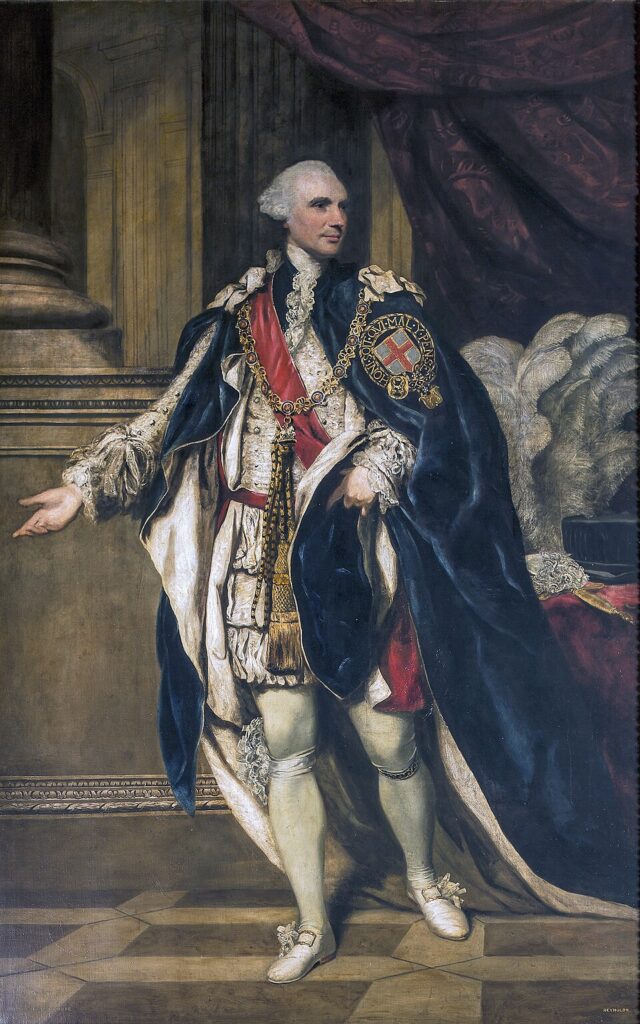
Newcastle as PM in 1762. He was former tutor of George III, came to power in 1760 and was
probably the last royal favourite to hold political power.
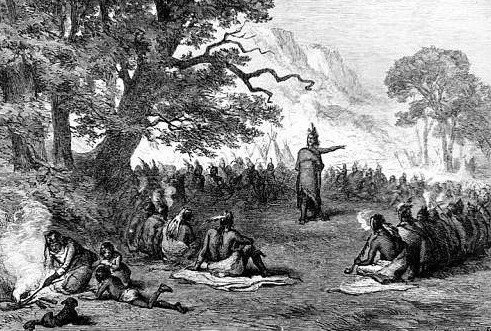
Proclamation Act 1763
The Proclamation of 1763 was issued by the British at the end of the French and Indian War to appease Native Americans by checking the encroachment of European settlers on their lands. It created a boundary, known as the Proclamation Line, separating the British colonies on the Atlantic coast from American Indian lands west of the Appalachian Mountains.
Pontiac’s Rebellion 1763
The Native American’s under the Ottawa chief, Pontiac, feared further encroachment on their lands in the Ohio Valley and had risen in a bloody revolt which lead to the deaths and capture of some 2000 colonists, who were killed in the more remote parts of Pennsylvania, Maryland and Virginia. Detroit was under siege, until British forces were able to relieve it in August and also persuade some of the tribes involved in the revolt to depart. Victory was ultimately secured by British soldiers, paid for by Britain, only adding to the view that the colonists should pay for their own defence and that further westward expansion should be stopped in order to prevent future clashes. This led to the passing in October of the Proclamation Act of 1763. Many in Britain were angered by the high levels of taxation they had to pay. Discontent was seen most clearly in the necessity for troops to be stationed in the apple growing countries of England in order to raise the cider tax imposed in 1763. This was made worse by the storied of British troops returning from American reporting the prosperity of the country. It seemed only right that the colonists should contribute to their defence.
Colonial reaction
The colonists did not view these developments in the same way. The attempts to stop westward expansion were resented. The population of the colonies was growing rapidly and following the defeat of the French, they expected to be able to move into former French lands. However, this was difficult to enforce. At least 30,000 American settlers ignored the restriction and moved west in the 5 years after 1763. Despite this, they resented being prevented from moving west by a standing British army, which was seen as an agent of despotism, and being denied the right to self determination. The presence of a standing army was seen as an alien and oppressive force which threatened their liberty, particularly after a period of salutary neglect, during which time there had been very litter interference.
Colonial attitudes therefore began to change. Instead of viewing the British presence as being the best way to protect them from the French or Native American threat, many colonists now saw it as stopping them from acquiring new and fertile lands. Not only were the colonists having a standing army imposed on them, but they were also being told that they had to pay for it even though they were not represented in the parliament that had decided to tax them. This appeared to them to be an attack on their rights. Not only had the British government prevented them by threatening their economic future by the Proclamation Act, but it was now threatening their liberties.
Taxation and Relations 1763-1768
Following victory in the Seven Years War, Britain’s imperial commitments had increased considerably and with that went an increase in expenditure. It did not seem unreasonable to Britain that the American colonists should contribute to the cost of their own defence, having been saved from the French and Native Americans.
The concern among the colonists was largely centred on the issue of ‘no taxation without representation’. As a result of the growing British national debt the colonists were being asked to contribute through taxation towards the costs of their own protection. Issues that impacted on them were being decided without any representatives and there were fears that if they could be taxed without being consulted then traditional freedoms could be undermined.
Grenville’s anti-smuggling measures
Grenville’s hoped to use the trade laws to extract more revenue from the Americans. The problem was that the colonial customs service was inefficient; smuggling was rife and the customs officers were frequently corrupt. Americans thus evaded most of the customs duties.
In 1763 Britain introduced measures intended to reduce smuggling:
- Colonial customs officials had to reside in America rather delegating their duties to deputies.
- To counter the leniency of colonial juries towards smugglers, jurisdiction in revenue cases were transferred from colonial courts to a vice-admiralty court in Halifax, Nova Scotia, where the judge alone would hand down the verdict.
Trade and Navigation Acts
Between 1651 and 1673 these acts were designed to establish an English monopoly of the colonial carrying trade, market and products. Laws were also passed to restrict manufacturing. This all fell under the principle of Mercantilism.
The 1764 Sugar Act
Under the terms of the Sugar Act of 1733 Americans were expected to pay a duty of 6d (old pence/2.5p) per gallon (4.5 litres) on molasses and sugar imported from non British Caribbean colonies. This duty, largely ignored by American merchants and British customs officials, had yielded only £21,652 over 30 years. Grenville’s Sugar Act, passed in April 1764, reduced the duty on foreign molasses from 6d to 3d. The Board of Customs commissioners advised Grenville that the revised duty, strictly enforced, would yield £78,000 per year.
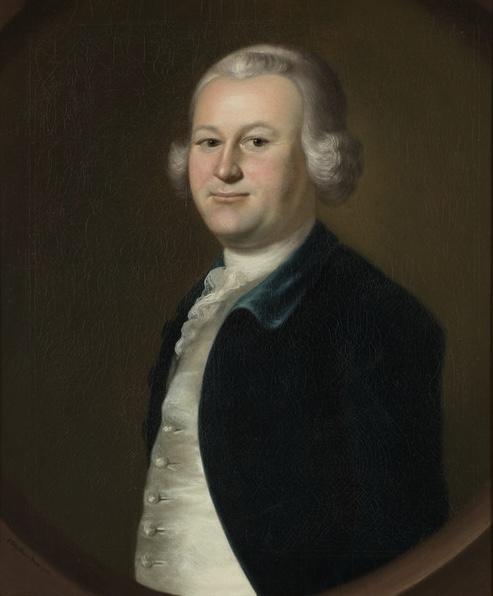
It was not only the assemblies that objected to the Sugar Act. James Otis, a member of a prominent Massachusetts family, published an influential pamphlet in 1760, The Rights of the British Colonies Asserted and Proved, in which he criticised Parliament’s new aggressiveness towards the colonies and asserted that there should be no taxation in America without the peoples consent.
Despite the objections of assemblies and pamphleteers most Americans complied with the Sugar Act, few were directly affected by it. This compliance gave Grenville the confidence to proceed with the Stamp Act.
The Currency Act
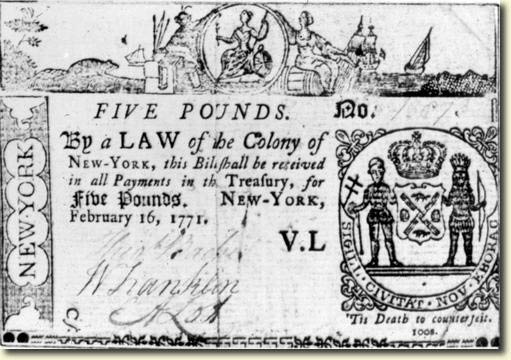
The 1764 Currency Act placed a ban on colonial paper money. The act, aimed mainly at Virginia, which had issued a large amount of paper money during the Seven Years War, appeased British merchants who insisted that colonial debts be paid in a more acceptable currency, for example, British sterling or Spanish dollars.
The American Reaction – American Suspicion
Britain’s rights to regulate colonial trade has long been accepted as normal practice. However, the Sugar Act represented a fundamental revision in the relationship between Britain and colonies. By imposing duties to raise revenue, Britain was essentially taxing Americans who were unrepresented in parliament. Once it was accepted that Parliament could tax colonies at will, where would it end, colonists asked?
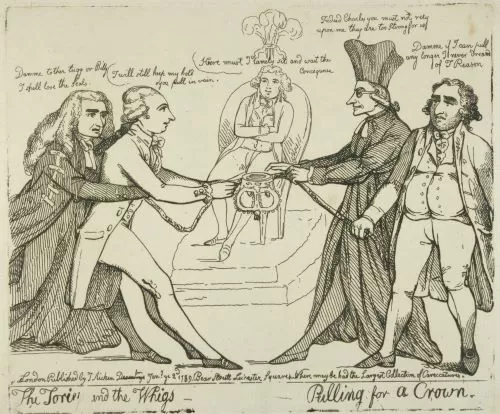
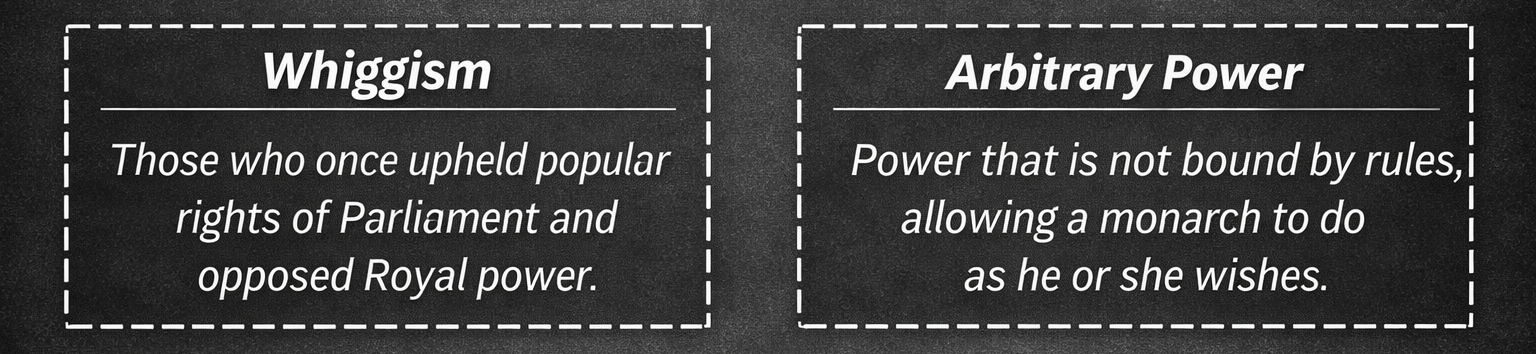
By the mid 18th century the colonists regarded themselves as good Whigs. Their Whiggism, however was not the same Whiggism prevalent in mid 18th century Britain. American Whiggism in the 1760s was that of the first English Whigs who would come to prominence when England seemed to be sliding towards despotism under Charles II and James II. Americans were concerned with the old Whig issues of resistant arbitrary power, upholding popular rights and defending the integrity of representative institutions. The writings of early eighteenth century British radical Whigs who condemned ministers for conspiring to undermine traditional freedoms enjoyed wide support in the colonies. There was also the fact that a large peacetime British army was being stationed in North America the colonists had not asked for that army and many were suspicious of it. Standing armies had long been seen as a potential threat to liberty.
American Opposition in 1764
By 1765, nine colonial assemblies had sent messages to London all arguing that parliament had abused its power by introducing the Sugar Act. While conceding Parliament’s right to regulate trade they did not accept its right to tax in order to raise revenue in America.
It was not only the assemblies that objected to the Sugar Act. James Otis, a member of a prominent Massachusetts family, published an influential pamphlet in 1760, The Rights of the British Colonies Asserted and Proved, in which he criticised Parliament’s new aggressiveness towards the colonies and asserted that there should be no taxation in America without the peoples consent.
Despite the objections of assemblies and pamphleteers most Americans complied with the Sugar Act, few were directly affected by it. This compliance gave Grenville the confidence to proceed with the Stamp Act.
Stamp Act Controversy
What was the Stamp Act?
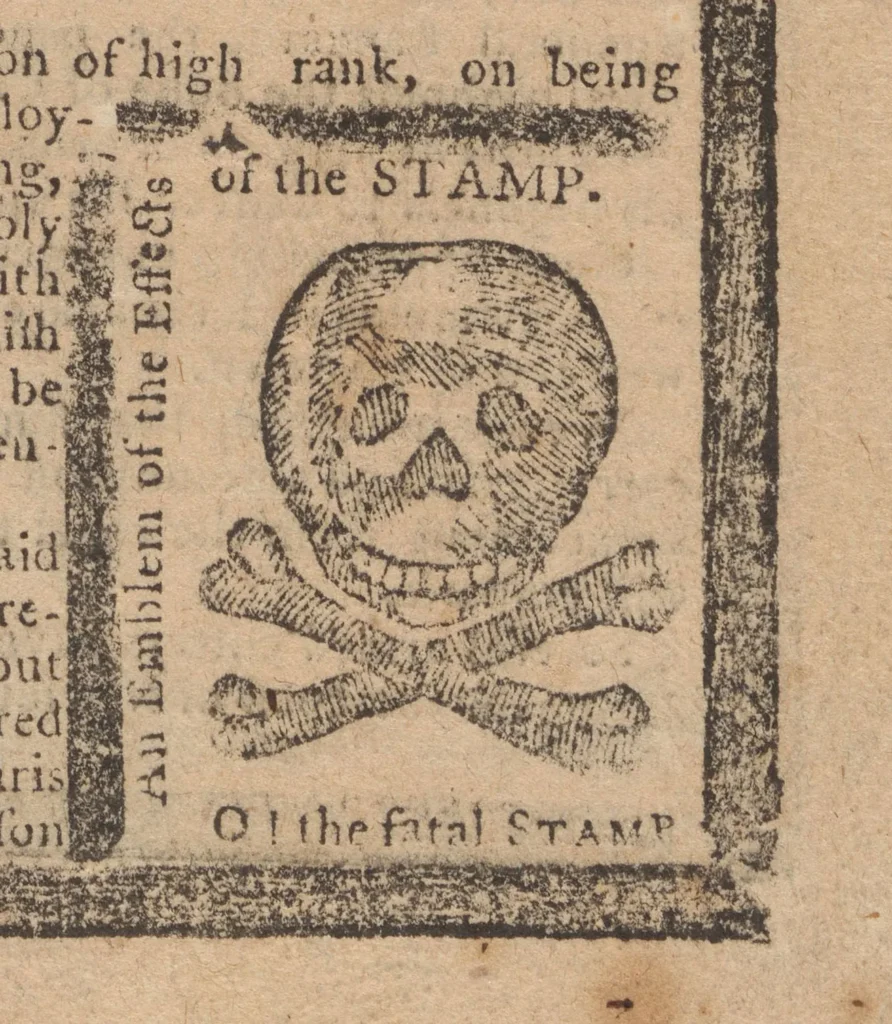
In March 1764 Granville let it be known that he was planning to bring in a Stamp Duty in America in 1765. It was possibly a mistake to give Americans a years warning of the Stamp Act. The measure might have created less controversy had it been brought in more quickly. As it was, the colonies had time to prepare their opposition.
Ignoring messages of protest from American assemblies Grenville introduced the Stamp Bill to parliament in February 1765. The bill required stamps to be affixed almost anything formally written or printed in the colonies. 50 items ranging from newspapers, legal documents, insurance policies, tavern and marriage licences, even playing cards, would be affected. The American Stamp Duties were much lighter than those in England where they had been levied for over 70 years. The Treasury estimated that the new duty would raise £60,000 in its first year. The money, to be spent entirely in the colonies, would be only 1/4 of the sum needed for colonial defence.
There was not much opposition to the Stamp Bill in the Commons. Most MPs agreed with Grenville that parliament had the right to tax the colonies and that the Americans should contribute everything to their own defence. The bill having passed easily through parliament was given royal assent in March. It was to take effect on the 1st of November 1765.
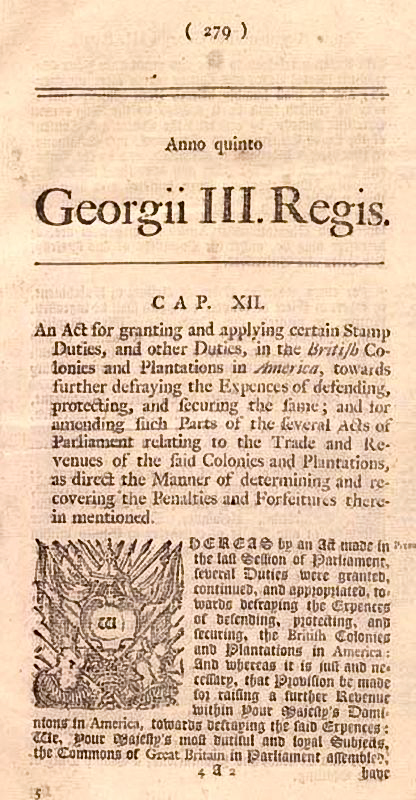
Stamp Duty
A tax on legal documents, its payments being confirmed by the affixation of a stamp.
Levied
To impose a fee/tax.
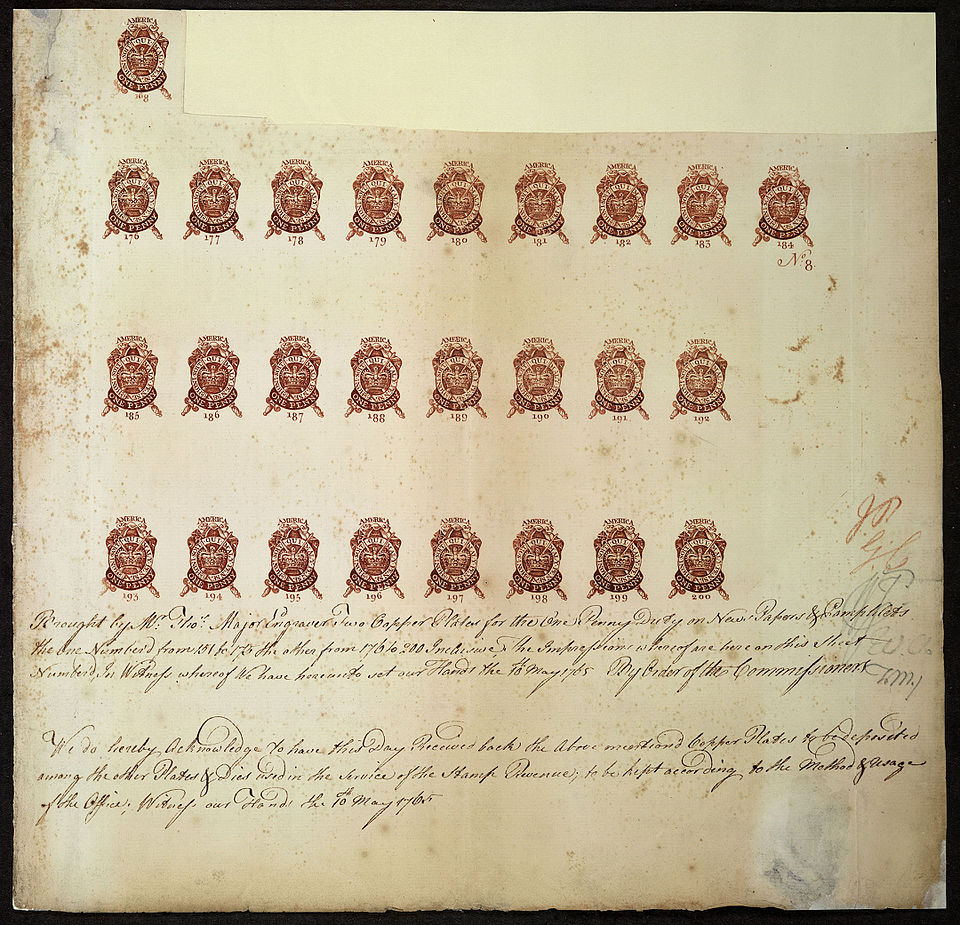
A proof sheet of one penny stamps submitted for approval to the Commissioners of Stamps by their engraver on May 10, 1765
The American Reaction
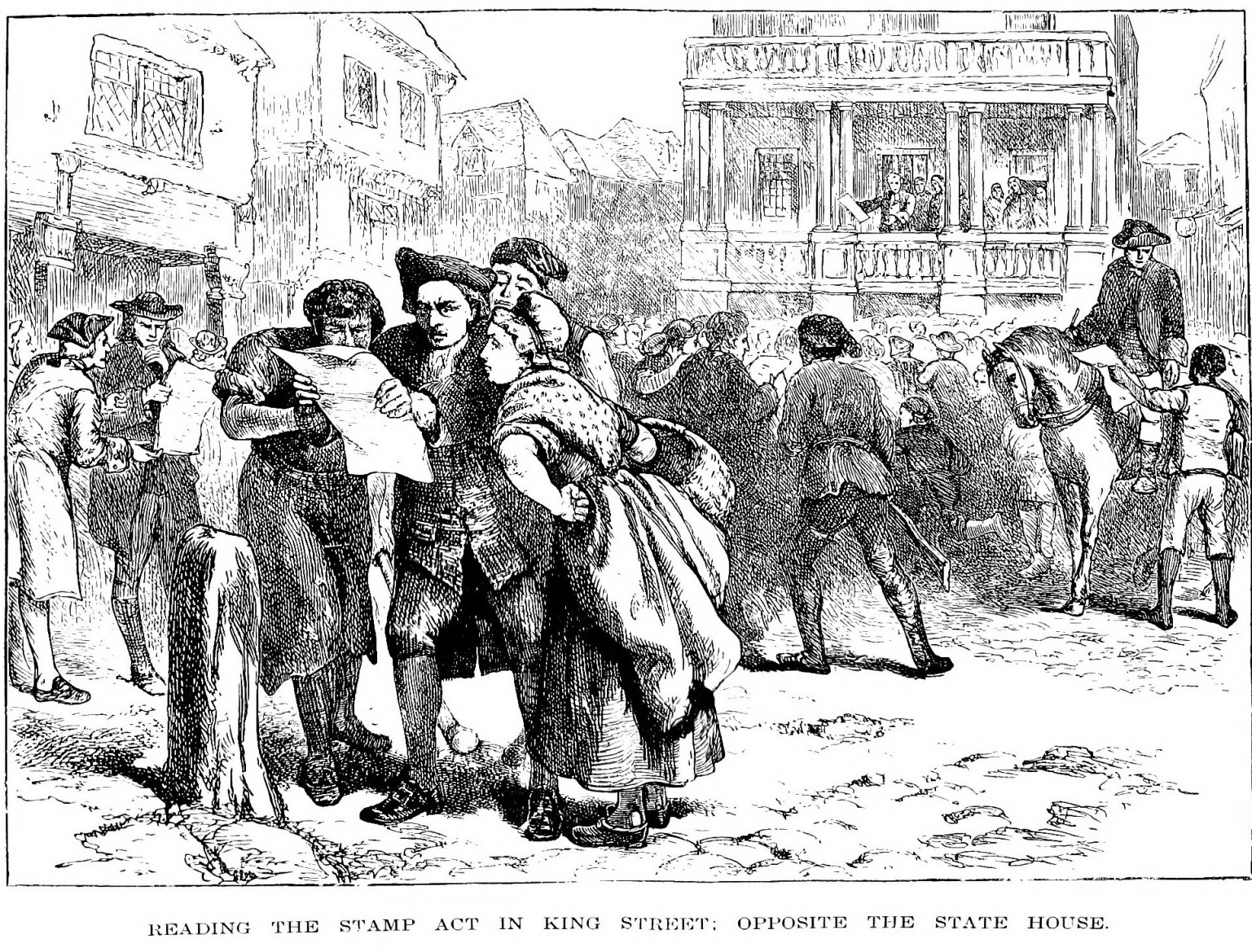
News of the Stamp Act produced an intense reaction in America. Whereas the Sugar Act had affected only New England merchants, the Stamp Act applied universally, antagonising some of the most
influential groups of colonists – lawyers, printers and tavern keepers. The first direct tax levied by Parliament on the colonies, it was seen as a dangerous and unjustified innovation, and raised the issue of whether colonists could be taxed by a body in which they were not represented.
An extract from a speech by Eliphalet Dyer of Connecticut.
If the colonies do not now unite, and use their most vigorous endeavours in all proper ways, to avert this impending blow, they may for the future, bid farewell to freedom and liberty, burn their charters and make the best of thraldom and slavery. For if we can have our interests and estates taken away, and disposed of without our consent or having any voice therein, and by those whose interest as well as inclination it may be to shift the burden off from themselves under pretence of protecting and defending American, why may they not as well endeavour to raise millions upon us to defray the expense of the last or any future war?
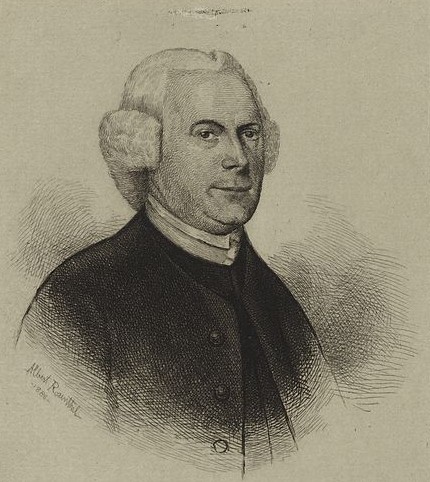
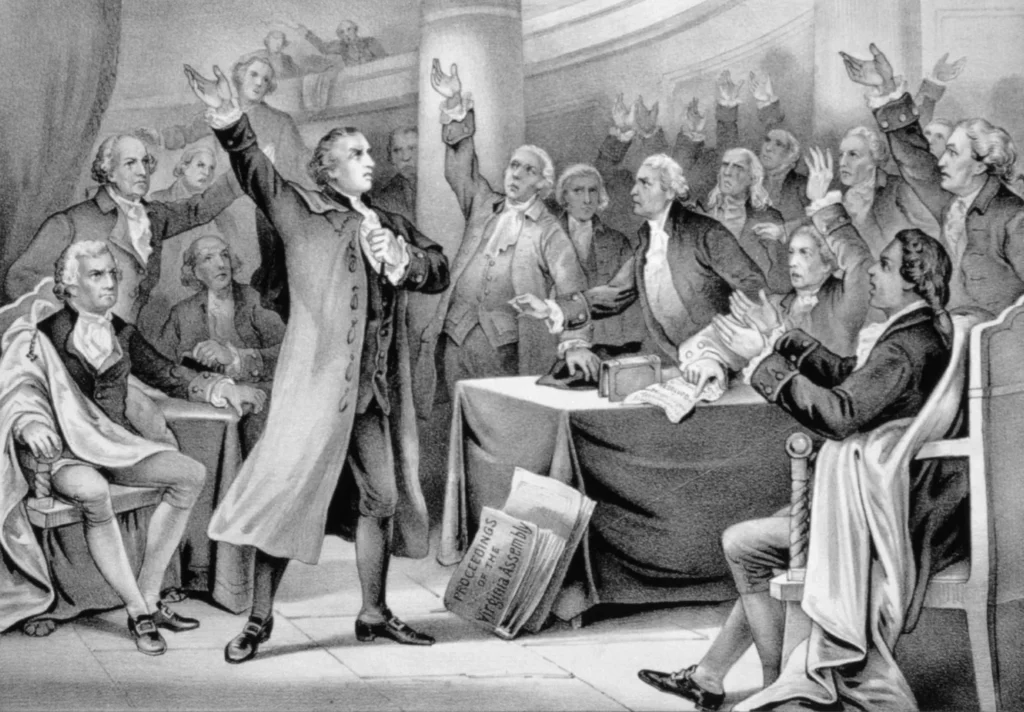
A lawyer from Virginia, Henry, was famous for his denunciation of the Stamp Act in 1765. A great orator, he served in the First Continental Congress. He later opposed the 1787 Constitution.
The Virginia Resolves
On 29th May 1765 Patrick Henry introduced in the Virginia House of Burgesses (the Virginia Assembly) seven resolutions attacking the Stamp Act and threatening resistance. Henry put forward his resolves at the end of the session when most members had left for home. On 30 May the remaining 39 burgesses, by no means unanimously, adopted the five mildest of Henry’s resolutions:
- Colonists possessed the rights of Englishment
- Colonists rights were guaranteed by royal charter
- Colonists could be taxed only if they had proper representation
- Colonists had the rights to give their consent to their laws ▪ The House of Burgesses had the sole right to tax Virginians
Since Henry’s resolutions were printed in their entirety in many colonial newspapers, the impression was given that Virginia had rejected the Stamp Act and sanctioned open resistance if Britain tried to enforce it.
Most of the colonial assemblies had finished their spring sessions by the time news of the Virginia Resolves arrived. It was not until the autumn, therefore, that they discussed the Stamp Act. However, by the end of 1765 eight other assemblies had passed resolutions condemning the act and denying Parliaments rights to tax the colonies. Most drew up petitions to the Crown and Parliament appealing for the acts repeal.
The Stamp Act Congress
In June 1765, the Massachusetts assembly suggested that an inter-colonial meeting be held to draft a set of resolutions that expressed a common colonial position. Accordingly, a Stamp Act Congress met in October in New York. 27 delegates from 9 colonies attended – all men of high social standing. They denounced the Stamp Act as having ‘a manifest tendency to subvert the rights and liberties of the colonies’ and claimed that only their own legislatures could impose taxes on them. I was the duty of the colonies to seek the repeal of the Stamp Act, the abolition of vice admiralty courts and ‘of other late Acts for the restriction of American commerce’.
Ideological Developments
It was not just practical concessions that had come to the fore: opposition to the Stamp Act had also raised a number of ideological issues in the colonies. Most notably the question of rights representation in taxation. The tax had made the colonists aware just how fragile their rights were as it appeared that their property could be taxed without consent. However, despite resenting being taxed without being represented, the colonists did not want to attend the British parliament. Once the colonists were represented, the British government could then justifiably raise taxes. Instead they argued that only colonial assemblies could raise taxes. In the previous century, the political theorist John Locke had argued that ownership of property was the key characteristic of freeman. This right was not determined by parliament but arose from the original state of nature and government was a contract between the government and those who governed, which lasted only as long as basic rights were protected and not abused
Such ideas led to the second major issue raised by the controversy, the spectre of despotism by the British government. Taxation without representation was now portrayed as despotism by the British government. Pamphlets in the colonies put forward the view that their liberties were under attack and that the government or rather ministers not the king needed to be kept in cheque. The Stamp Act needed to be opposed because if not more tyrannical legislation would follow. For the British government a standing army seemed to be logical where to protect the frontier and stop further clashes but for the colonists it seemed very different. Why did Britain need a standing army, a symbol of repression, in America unless it was to enforce unconstitutional demands, such as taxes? Hostility to towards royal power and particularly the idea of a standing army was not knew and had been seen in England in the Civil War of the 1640s and it was concerned such as these that had played a significant role in influencing the writings of John Locke.
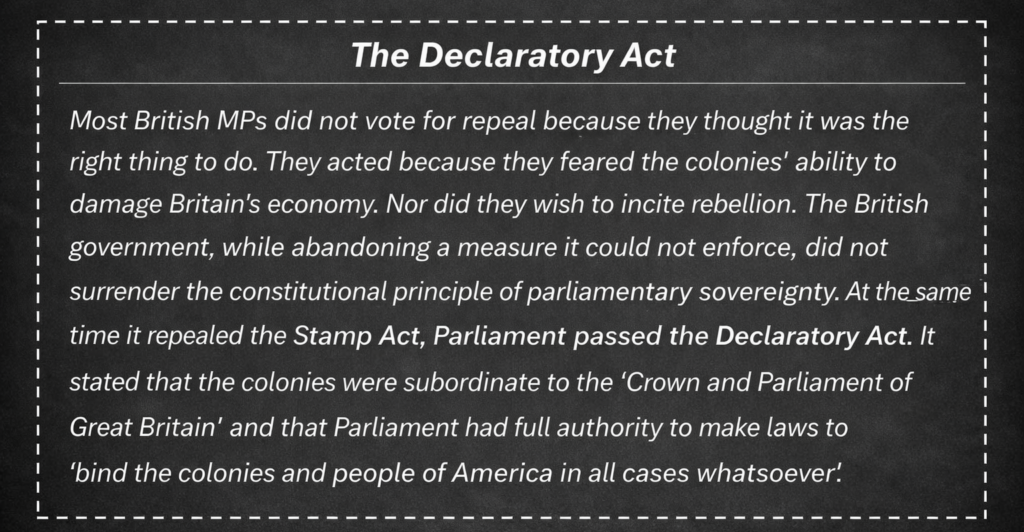
This time crisis had created serious bitterness between Britain and the colonists. The colonist saw the policies of British government is innovative while their own reaction was conservative. The elite colonist saw themselves as opposing new and radical policies that the British were trying to introduce and not as revolutionaries. This was only added by the Protestant nature of the colonies with the dissenting sects’ emphasis on hard work, frugality, and thrift being threatened by arbitrary government which would take away their rights. This was particularly important in Massachusetts, which would become a hotbed of opposition during the Revolution. But most importantly, victory had given the colonists greater self confidence, even if it was clear that with the Declaratory Act Britain has not relented on its supreme legislative control.
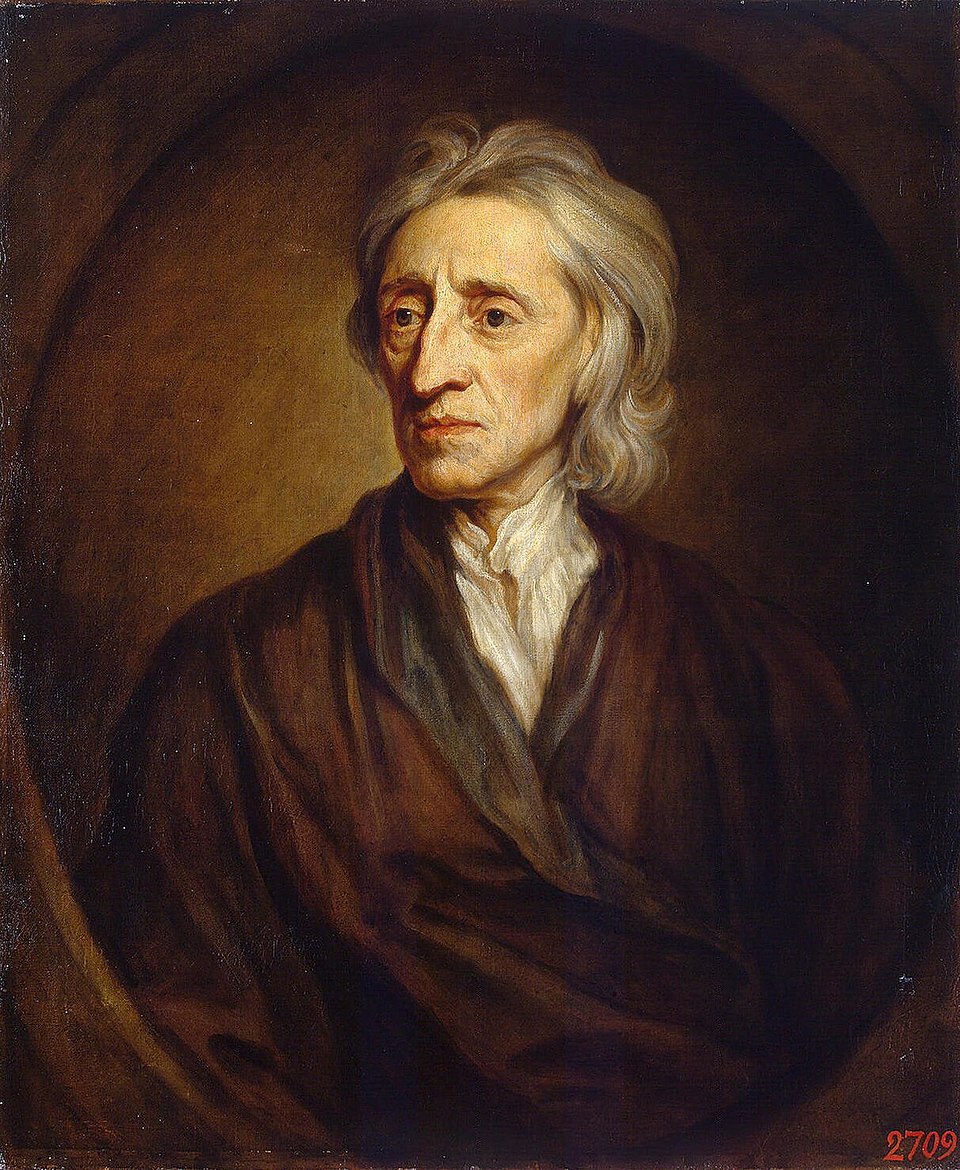
A political theorist and influential Enlightenment thinker, known as the Father of Liberalism. His writings influenced many others, including Voltaire and Rousseau, but he is also seen as influencing some of the American revolutionaries and the United States Declaration of Independence.
Popular Protest and Mob Action
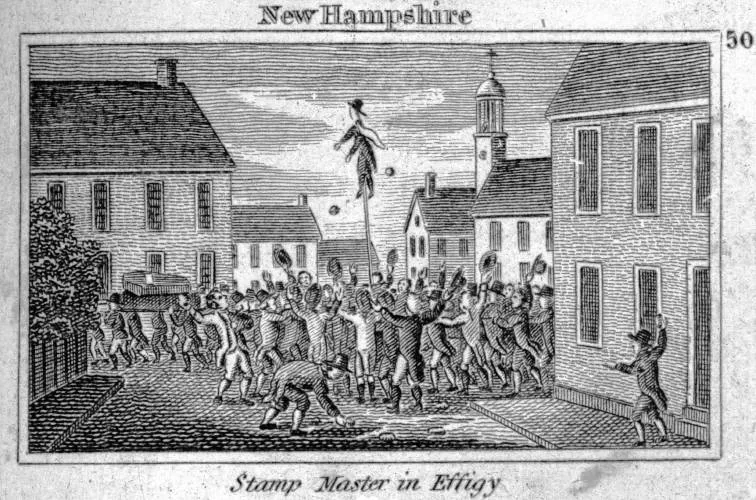
Popular Protest
Colonial leaders could not challenge British policy successfully without popular support. It was people in crowd to turn the situation from a debate into a movement. Crowd action was a fact of life in 18th century. However, the sustained popular militancy that developed in most American towns in 1765 was something new.
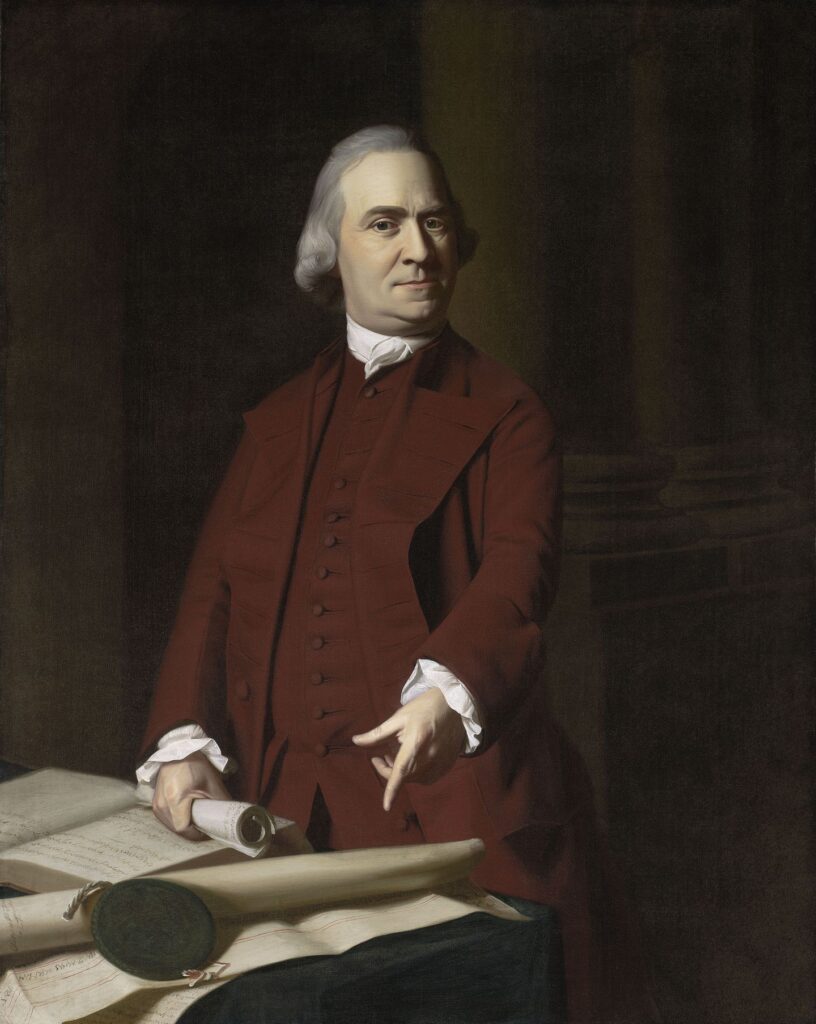
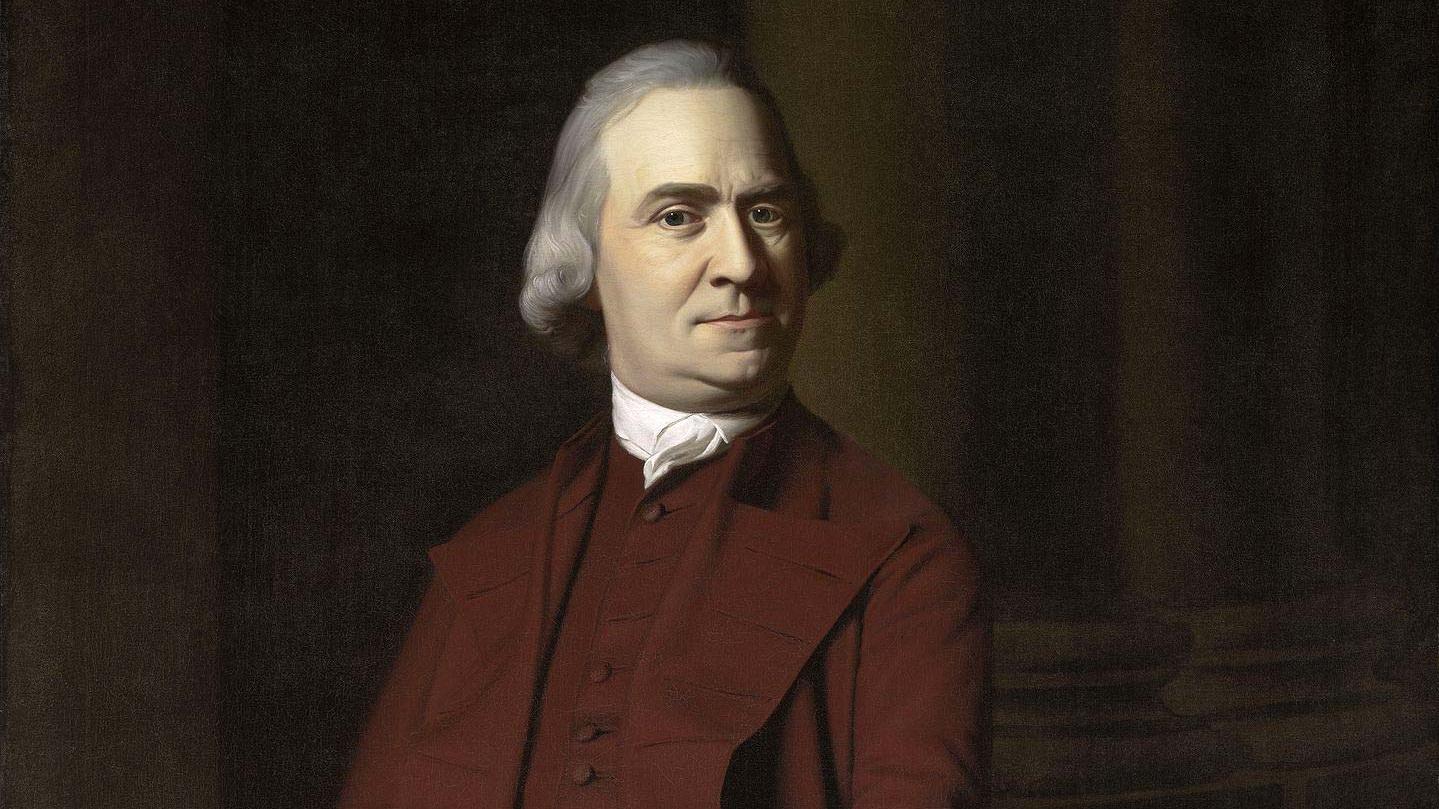
Popular resistance to the Stamp Act originated in Boston among a group of artisans and shopkeepers known as the loyal nine. The groups, most importantly, included Samuel Adams, who focused resentment on purported supporters of the Stamp Act. These included Andrew Oliver, the designated Massachusetts stamp distributor, the Chief Justice Thomas Hutchinson, and Governor Francis Bernard. Adams turned to the North and South End gang for support. These gangs, comprising unskilled workers, sailors and apprentices, had fought each other for years. They now agreed to unite against the act
Samuel Adams
A radical idealist, Sam Adams was a skilled propagandist and also an unscrupulous opportunist. In his view, this justified any misrepresentation which might shed the worst possible light on Britain. He was the man who sculpted the protest movement in Massachusetts, influenced resistance elsewhere and both openly and behind the scenes, led the 1st Congress to embargo Britain and the 2nd towards independence. More agitator than statesman and more prominent in Massachusetts than nationally, this may explain why he is not regarded as one of the great revolutionary figures. Nevertheless, he was a preeminent early rebel leader.
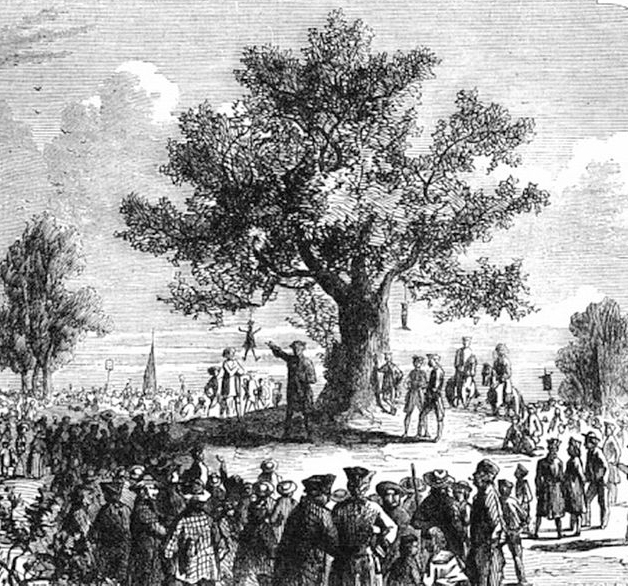
An actual, but also symbolic, tree in Boston representing freedom from tyranny.
Mob Action
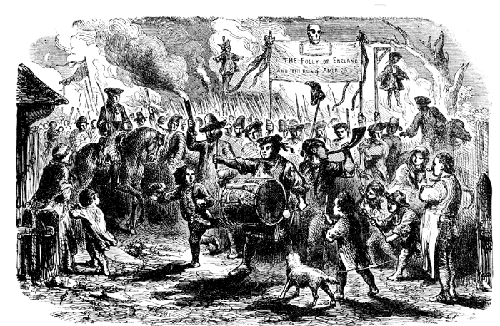
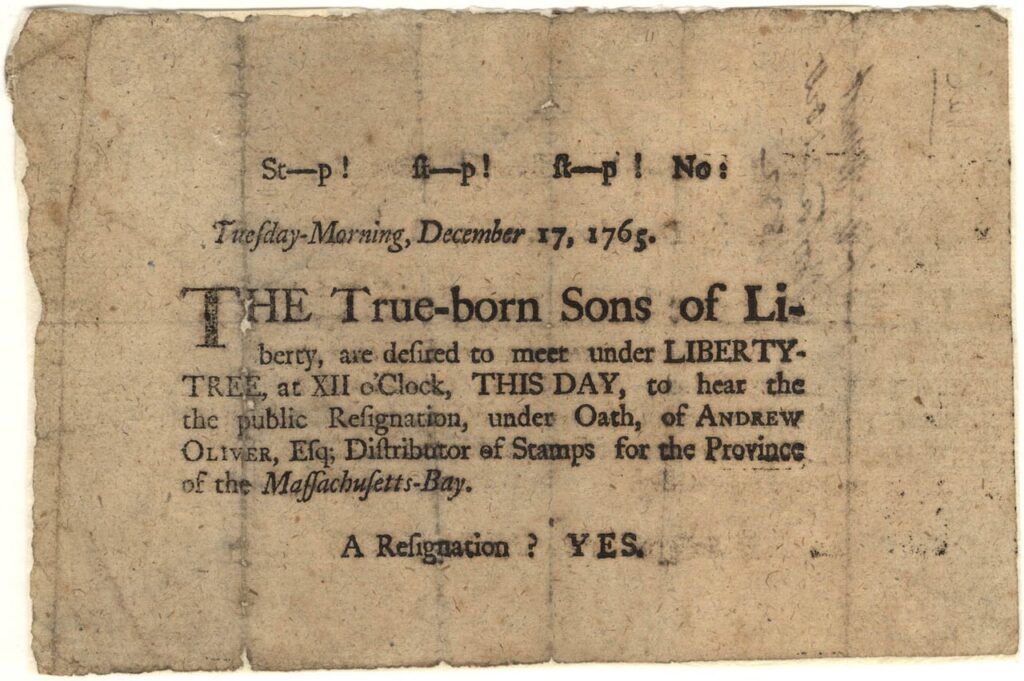
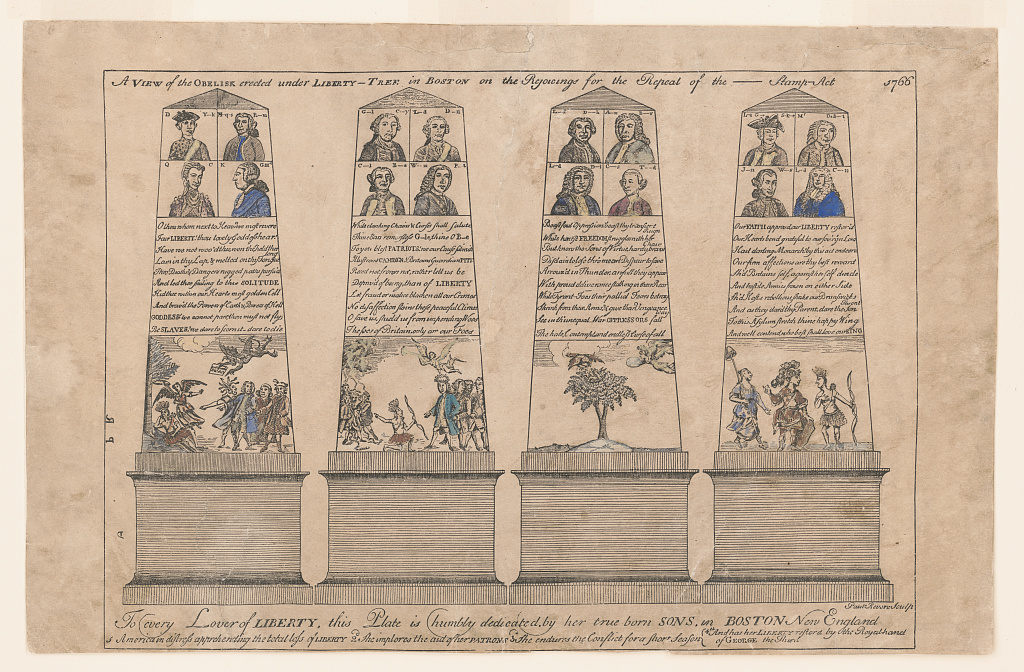
On the 14th of August effigies of Oliver and Bute were hung from the liberty tree in Boston. men stood by the tree collecting and mock stamp duty from every passerby. When Hutchinson ordered the effigies to be cut down a crowd prevented the order being put into effect. Towards nightfall a mob tore down Oliver’s office and then destroyed his house. Oliver quickly resigned from the stamp distributors post.
On the 26th of August another Boston crowd damaged the houses of two British officials. The goal was the same to force the officials to resign. One rapidly did. The crowd then attacked Hutchinson’s mansion. There was an element of class resentment in the destruction
Oliver and Hutchinson were unpopular, not just because they were seen as British minions, but because they were wealthy. Social discontent was a latent ally of political rebelliousness. Indeed many rich Bostonians feared that popular resentment at the Stamp Act had turned into an attack on property by the ‘rabble’. Consequently, Governor Bernard to his surprise had no difficulty raising the militia and for several weeks with able to maintain order. As news of events in Boston spread, so did crowd action particularly in New York. Stamp distributors fearing for their lives resigned or fled in every colony.
The Stamp Act had been nullified by mob action. If no one was prepared to be a stamp distributor, the stamp duties could not be levied. Britain would have to use a force if it was to maintain its authority. While Britain had 10,000 soldiers in America, most were stationed in Nova Scotia and on the western frontier. Only a few hundred men were garrisoned in New York and Philadelphia. Moreover, the army could only be called out to deal with civil disobedience if a governor made a request to the military commander. No one did so.
The Sons of Liberty
By the autumn of 1765 the men directing the crowd action belonged to a semi secret society known as the Sons of Liberty. The sons included members of the elite as well as knew men small – merchants, artisans and dissident intellectuals like Sam Adams. The Sons influence had possibly been exaggerated:
- The organisation was far from united
- The Sons had limited influence in the southern colonies
- The Sons orchestrated an urban movement. But townspeople were less than 5% of Americans population
Nevertheless, the organisation did ensure that political consciousness was kept high.
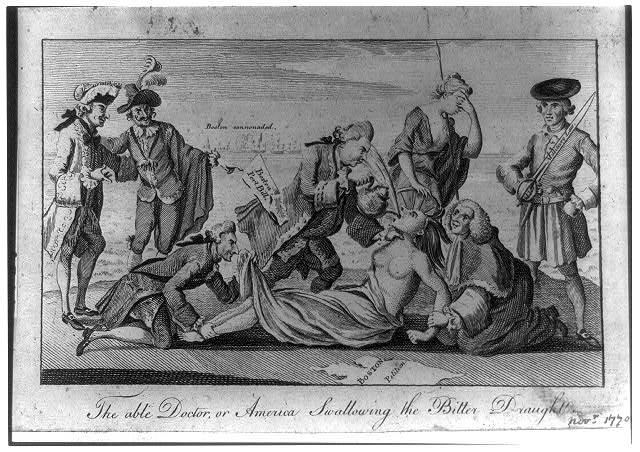
Economic Sanctions
As the crisis deepens the Sons of Liberty appealed to the public not to buy British goods. In October 1765 leading merchants in New York signed an agreement not to import goods from Britain until the stamp act was repealed. The boycott soon spread across the colonies, while merchants formed non-importation associations, many Americans simply boycotted British goods
The Repeal of the Stamp Act
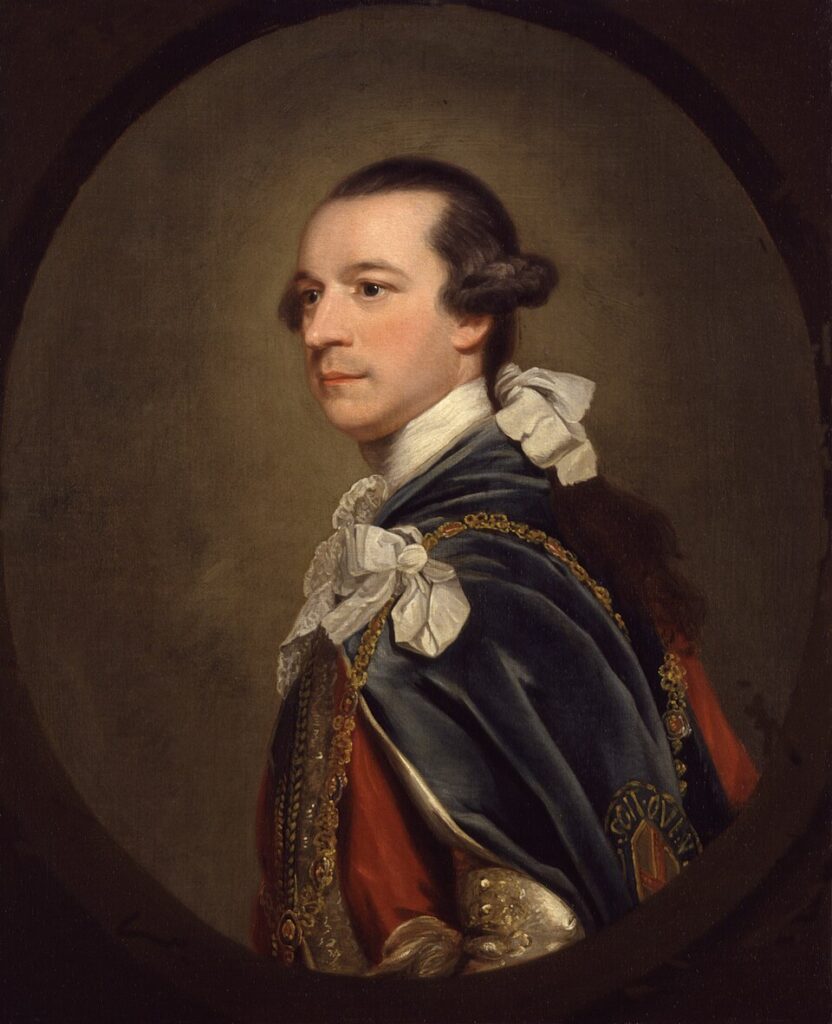
In July 1765, Grenville was replaced by a new ministry led by the Marquis of Rockingham. Like Grenville, Rockingham wanted to see parliament’s authority upheld. But while Grenville thought that parliament’s right to tax the colonies had to be boldly asserted to avoid being lost, Rockingham believed that it was best not to exercise some rights or at least exercise them with discretion.
British opinion inside and outside Parliament was divided. Many MPs horrified by the mob violence in America were against repealing the Stamp Act convinced that this would seem an act of weakness. They did not accept the American argument that because they were unrepresented Parliament could not legislate for them. The colonies were no more unrepresented then many British towns. There were MPs willing to speak for America just as there were MPs who would speak for Manchester and Birmingham. Most MPs believe that they represented not the interests of certain communities but the whole ‘Commons of Great Britain’ and that included the Americans who were British subjects.
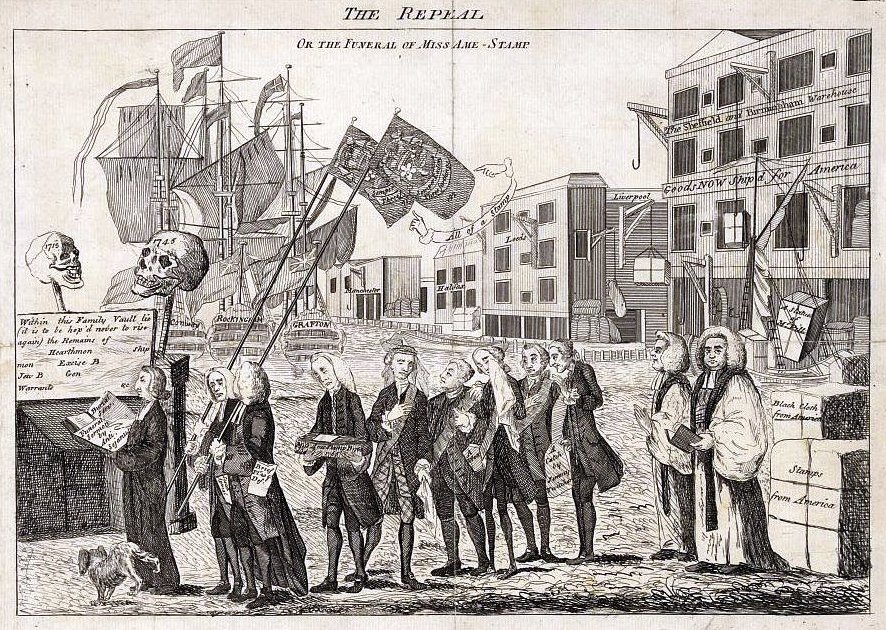
But British merchants and manufacturers, alarmed by the colonial boycott, campaigned for repeal of the Stamp Act. Rocking him was also informed by General Thomas Gage, commander in chief of the colonies, that the act could not be enforced without far greater military force than he possessed. Rockingham thus resolved to repeal the act.
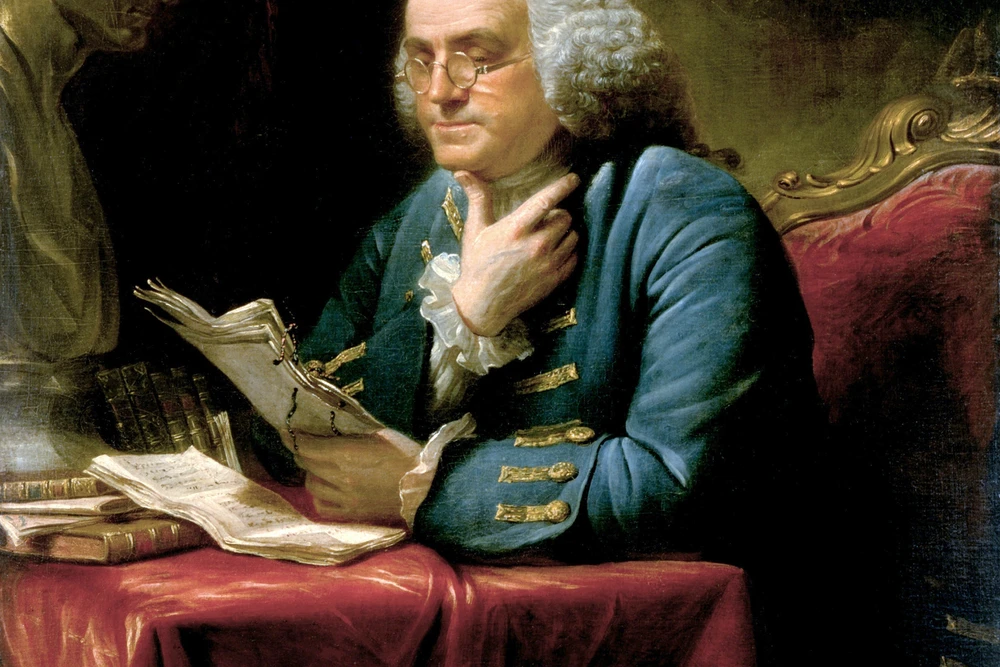
The Commons debated the issue in January 1766. Grenville defended his measure asserting that taxation was part of the sovereign power. He wanted a motion to declare the colonies in a state of rebellion. William Pitt by contrast declared that ‘this Kingdom has no right to lay a tax upon the colonies’ and praised American resistance to the Stamp Act. ‘Three millions of people saw that too all feelings of liberty is voluntarily to submit to be slaves would have been fit instruments to make slaves of the rest’. But some MPs wondered why anyone should expect Americans ever to pay taxes again if they escape this one. Benjamin Franklin appearing before Commons committee did his best to ease those fears. He made a distinction between internal and external taxes the colonies Franklin said objected only to internal taxes. they would willingly pay external duties on trade in return for the protection of the Royal Navy. This was not quite correct. The Stamp Act was repealed in March 1766 by 275 votes to 167.
Impact of the Repeal of the Stamp Act
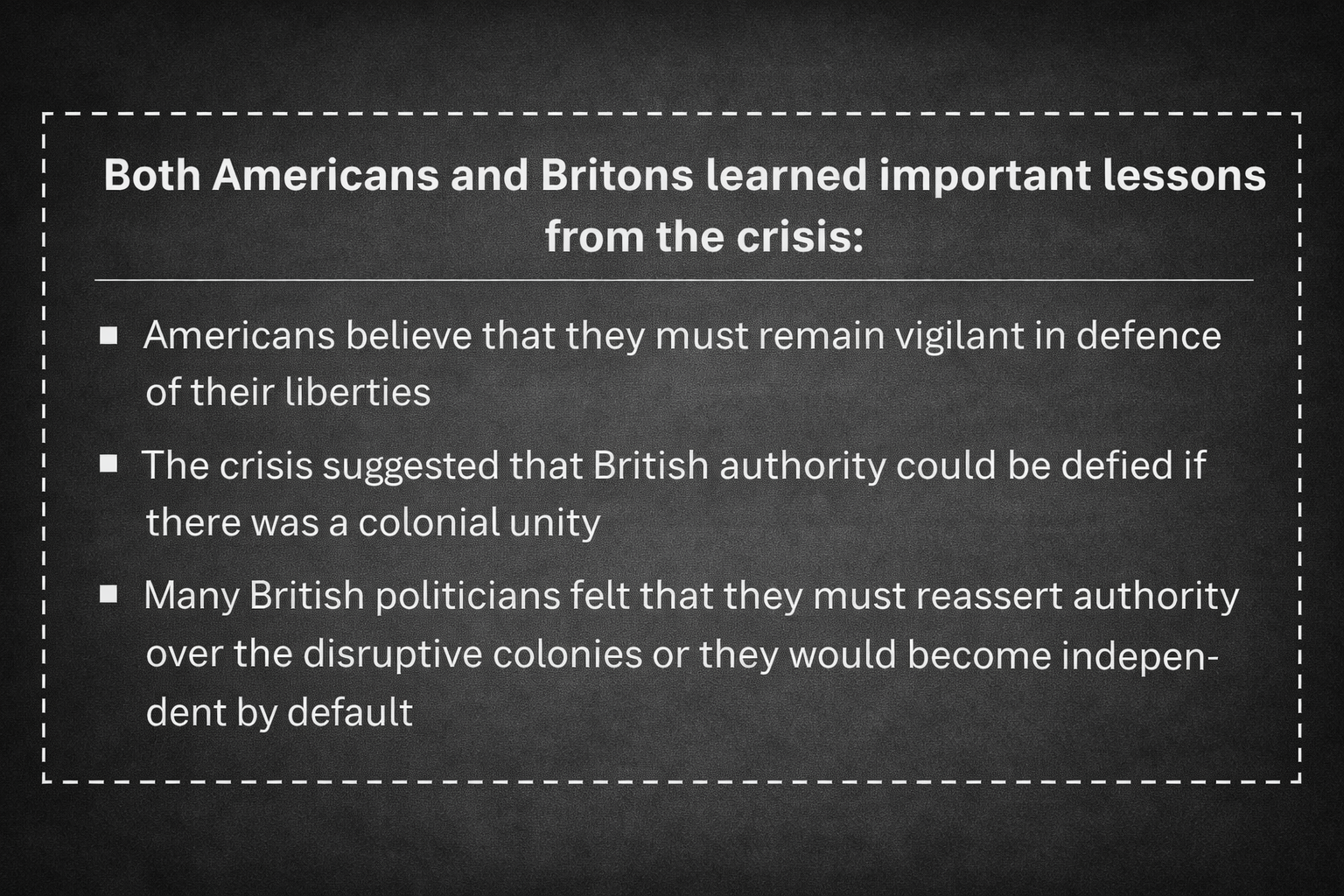
In America, news of the repeal was rapturously received. Non-importation was abandoned. The Sons of Liberty virtually disbanded. Most assemblies sent addresses of gratitude to the king. Nevertheless, the Stamp Act crisis marked a crucial turning point in British colonial relations. As Grenville had recognised, there was more at stake in the controversy than revenue. The fundamental issue was Parliament’s sovereignty over the colonies. In 1765, most Americans still believed that the Stamp Act was the problem, not British rule itself. Nevertheless, in denying Parliament the right to tax them, the Americans were implicitly denying Parliament’s right to govern them.
If not yet demanding independence in principle, they would demand independence, or at least self-rule in practise. Ruling out all British Parliamentary interference in colonial internal affairs, they recognised a connection only with the king. This stance arose from the need to find a reason to deny Britain the right to impose a fairly modest tax. The response seemed out of all proportion to the provocation.
Britain had been caught unawares. British assumptions that the colonies were too self interested to act together had been swept away. The Stamp Act had brought the colonists closer together than they had ever been before.
In several colonies, the Stamp Act crisis resulted in important shifts of powerful stop those factions who could be charged with supporting the Stamp Act lost control of the assemblies. In Massachusetts, for example, the Otis faction had no trouble in discrediting Governor Bernard and Thomas Hutchinson for supporting British policy. Consequently, in 1766, Bernard’s supporters took a drubbing at the polls.
The Townshend Duties
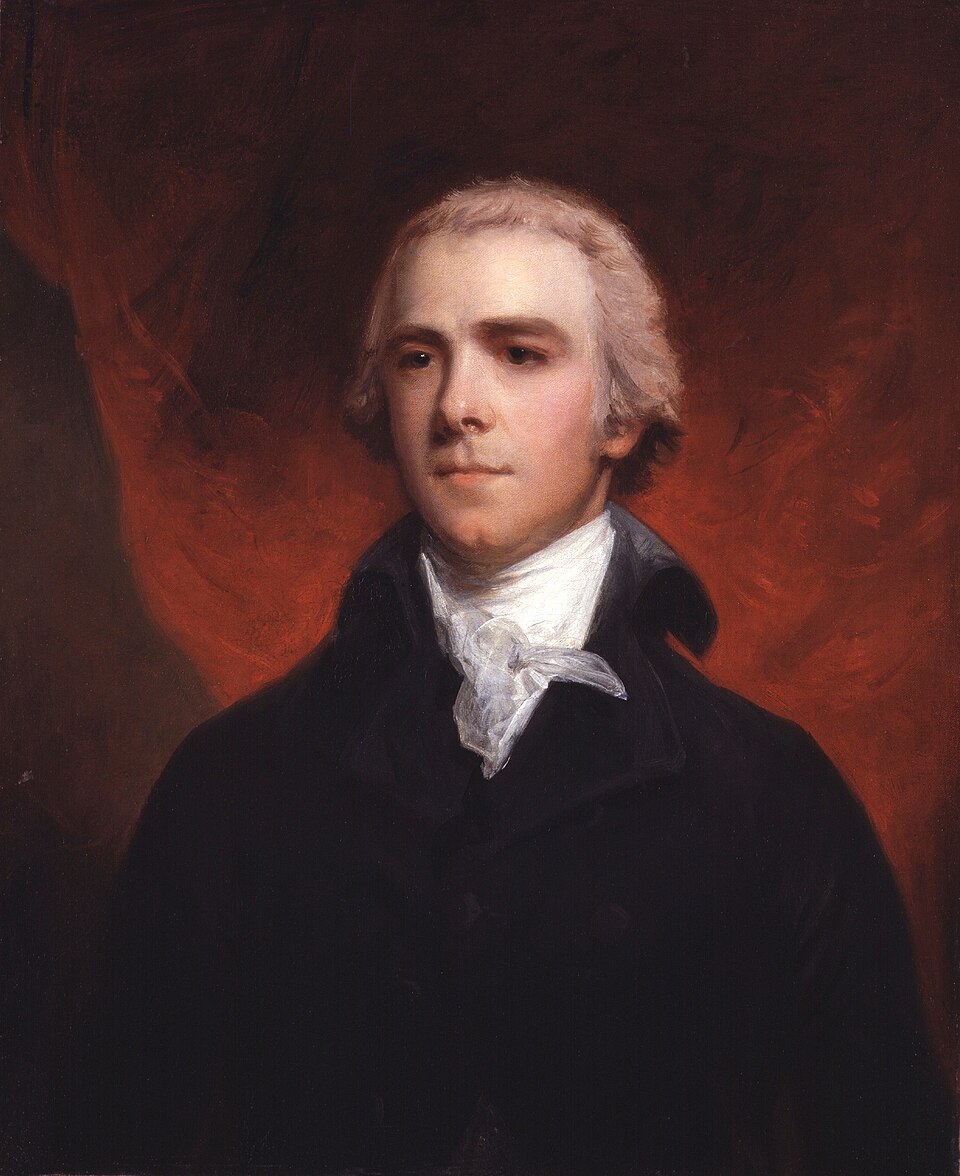
In July 1766 Rockingham was replaced by national hero William Pitt, now given the title of Earl of Chatham. A passionate imperialist, Chatham did not want to see the British Empire undermined by provocative measures like the Stamp Act. However, in poor he passed responsibility to the inexperienced Augustus Henry Fitzroy, the Duke of Grafton.
In this situation, Chancellor of the Exchequer Charles Townshend dominated proceedings. Concerned that royal officials in America were dependent on colonial opinion, he was determined that they should be paid directly by Britain, not by the colonial assemblies. He also believed that the colonies should shoulder the burden of this expense.
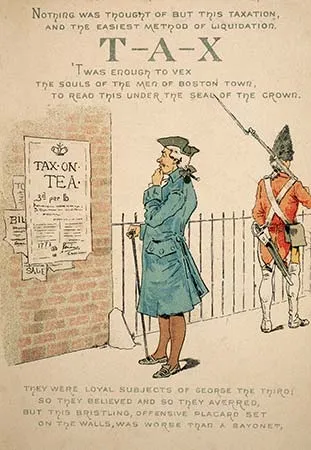
In May 1767, Townshend introduced new duties on colonial imports of glass, wine, china, lead, paint, paper and tea. During the Stamp Act crisis, Americans had distinguished between internal and external taxes, denying Parliament’s authority to impose the former on them but conceding its right to regulate trade, even if such regulation produced revenue. Since Townshend’s new duties were unquestionably external, he reasoned that the colonists could not logically object to them. Some MPs realised that Townshend’s measures, which would raise only £40,000 per year, were a mistake. Edmund Burke, a prominent MP, pointed out that it no longer mattered to Americans whether taxes were external or internal. If they were levied by Britain, they would oppose them. Nevertheless, Townshend had gauged the strong anti-American mood in the Commons and his measures easily passed. To tighten trade enforcement, Townshend established an American Board of Customs and Commissioners. Stationed in Boston, it was to be directly responsible to Britain and would give American customs officials more powers.
An ex-president of the Board of Trade with extensive experience in colonial administration. A gifted man, he was nevertheless erratic in private and public conduct.
The New York Restraining Act
Townshend also took steps to enforce the Mutiny (or Quartering) Act of 1765. Designed to remedy the shortage of military accommodation, the act required colonial assemblies to make provision for quartering and supplying British troops. Most of the colonies had grudgingly complied, but New York, the headquarters of the British army in America, had refused because the burden of the act fell disproportionately on the colony. Faced with this defiance, Townshend brought in the New York Restraining Act in March 1767. Under its terms, the New York assembly was prohibited from taking any legislative action until it complied with the Quartering Act. By suspending the assembly, Parliament had posed the problem of the constitutional standing of the colonial legislatures. Most colonists disliked the notion that Parliament could suspend or change them at will. However, the New York assembly, lacking support from the other colonies, now agreed to support the troops.
Townshend’s death
It was ironic that an administration, nominally headed by the pro-American Chatham, approved Townshend’s policies. It was also ironic that Townshend did not have to deal with the colonial response to his measures. He did suddenly in September 1767.
Economic Resistance
In 1768 Boston led the way in organising a new economic boycott against Britain. Other towns followed, albeit slowly in some cases. Many merchants opposed non-importation, so the boycott was never totally watertight. Nevertheless, by 1769 every colony except New Hampshire had organisation pledged to boycott British goods. Complementing the non-importation agreements were decisions by individuals not to purchase British products. American housewives, for example, stopped serving British tea. As in 1765, non-importation spurred home manufacturing as an alternative to boycotted British goods.
Non-importation provided considerable scope for popular activity because it touched the lives of ordinary people, offering them a means of effective action. Unofficial bodies, usually called committees of inspection, were set up in most colonies to enforce nonimportation.
Intellectual Response
John Dickinson wrote the most influential attack on Townshend’s measures. His Letters of a Pennsylvania Farmer (1768) was printed in most colonial newspapers. Dickinson argued that while Parliament could regulate the colonies trade, it did not have the right to tax them without their consent through either internal taxes or external duties. He also condemned the suspension of the New York assembly as a blow to colonial liberty.
Other writers suggested that Townshend’s measures would strengthen the executive and make colonial governments less accountable. Americans particularly feared that the new position of customs official would become a rich field of patronage at the disposal of the executive. Many feared that patronage power would in time corrupt a majority in the assemblies, making their members mere creatures of the British government.
Political Response
In February 1768 the Massachusetts assembly sent out a circular letter denouncing the Townshend duties for violating the principle of ‘no taxation without representation’ and appealing to the other colonies for common action. The document, largely the work of Samuel Adams and James Otis, was branded as seditious by Governor Bernard. Despite efforts by other governors to prevent its endorsement, seven colonial assemblies quickly approved the letter. Virginia’s House of Burgesses went further, issuing a circular letter of is own, advocating joint measures by the colonies against ay British actions which ‘have an immediate tendency to enslave them’. At a lower level, the Sons of Liberty movement was revived throughout the colonies in order to co-ordinate opposition.
Colonial Resistance
Colonial resistance to Townshend’s measures developed more slowly than had been the case in 1765. Not all Americans were sure whether the new duties constituted a violation of colonial rights. Merchants, enjoying a period of economic boom, had no wish for another trade war. Nevertheless, it was clear that American resentment was widespread.
Economic Response: Continued
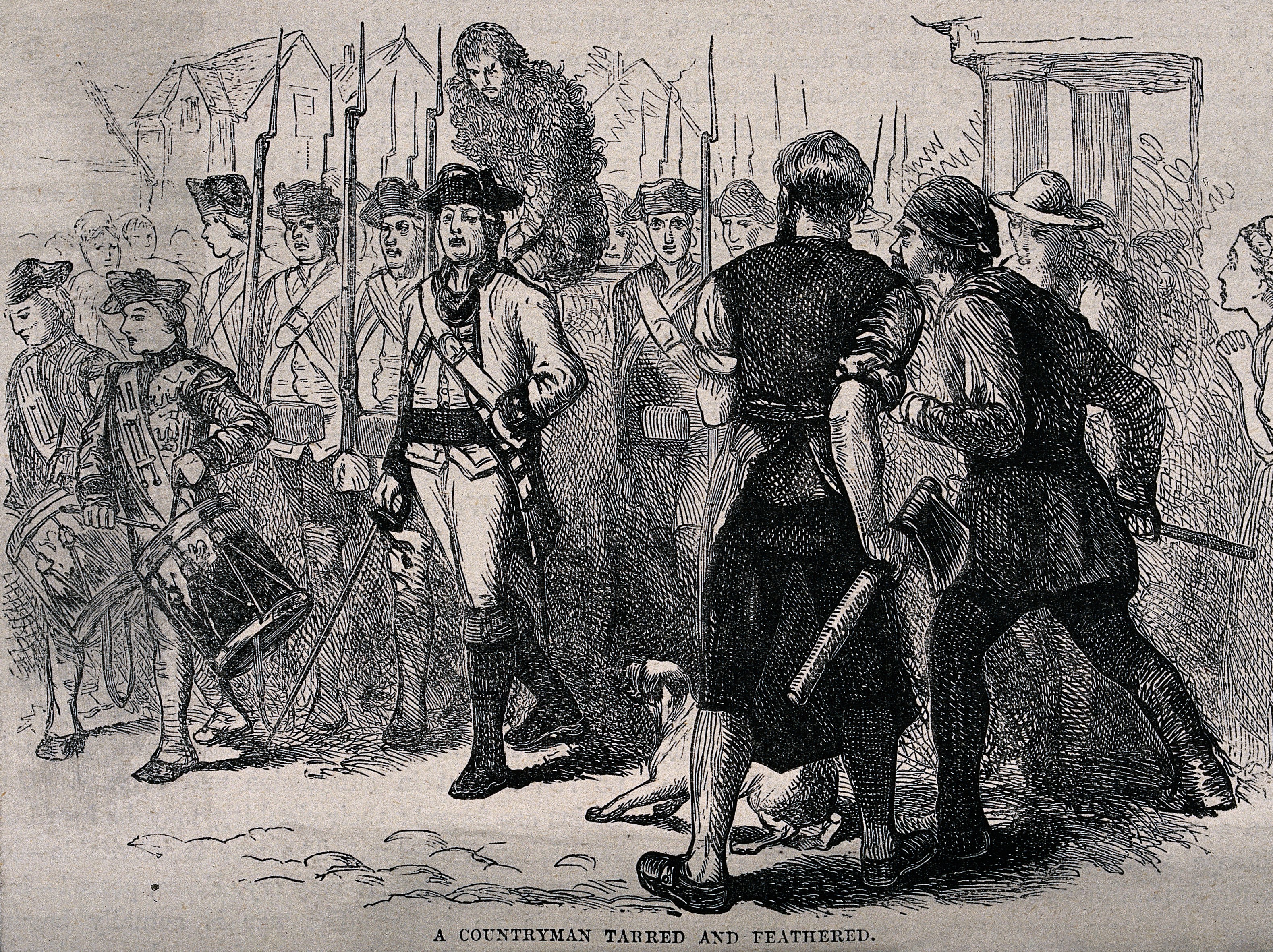
Those merchants who did not comply had their warehouses broken into and their goods damaged. Violators also faced the threat of violence, including being tarred and feathered.
As well as putting economic pressure on Britain, non-importation strengthened the moral resolve of the colonists. Some Americans were delighted to stem the tide of British luxury goods that were thought to be undermining the simplicity, virtue and independence of colonial life.
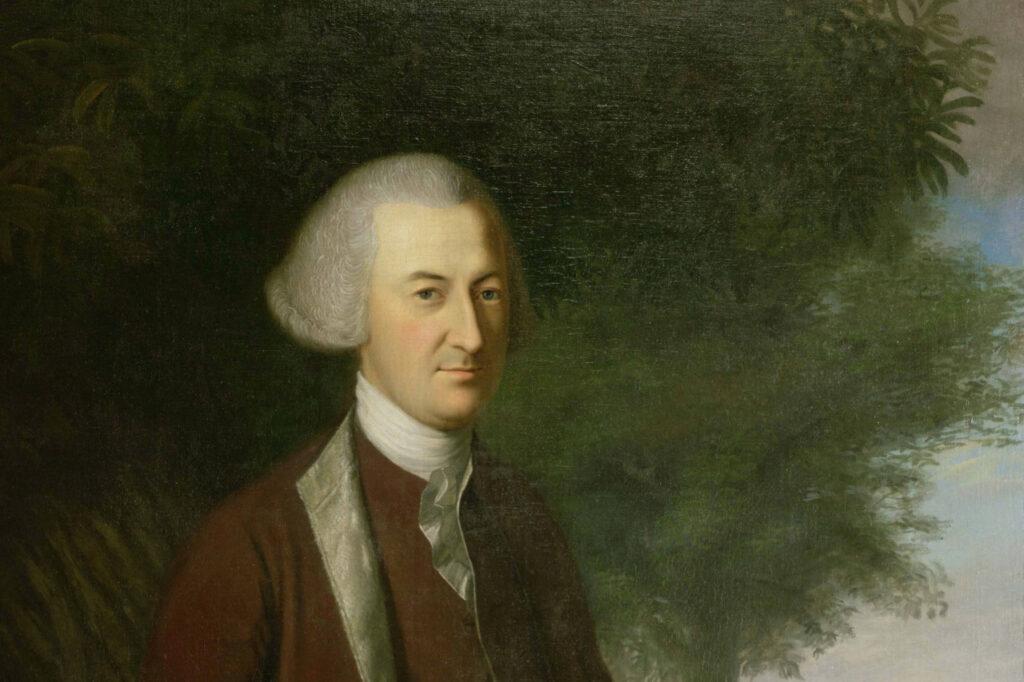
John Dickinson
A prominent Philadelphian lawyer, who wrote letters and pamphlets which were critical of British actions in 1760s and 1770s. He was largely responsible for writing the Articles of Confederation.
Unrest in Boston
Placing the American Board of Customs Commissioners in Boston proved to be a major error. From the time they arrived in November 1767 the commissioners were targets of popular wrath. Charged with tightening up the customs service, they faced an impossible task. There were far too few customs men to stop smuggling. Unable to carry out their duties, the commissioners sought help from the Royal Navy. In June 1768 the 50 gun warship Romney sailed into Boston harbour. Emboldened by this reinforcement, the commissioners seized the Liberty, a small vessel belonging to leading radical John Hancock. A mob soon marched to the wharf and a scuffle began with the customs men. Sailors from the Romney boarded the Liberty and took the boat out into the harbour. However, in the face of threats, the customs officials were forced to take refuge in Castle William, on an island in Boston harbour. By the summer of 1768, the Sons of Liberty controlled Boston.
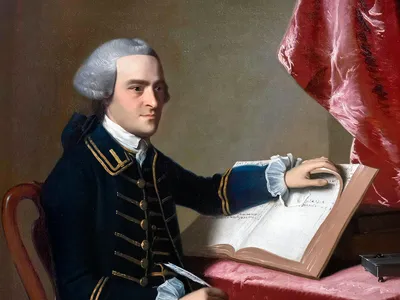
A wealthy Boston merchant who was one of the leaders of the opposition to Britain pre-1775. He was a delegate at the Second Continental Congress and served as its president, 1775-7. As president he was the first member to sign the Declaration of Independence.
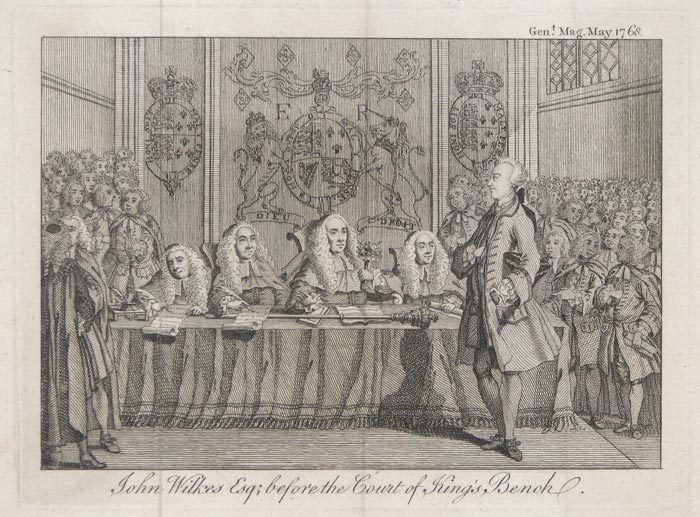
The Wilkesite Movement
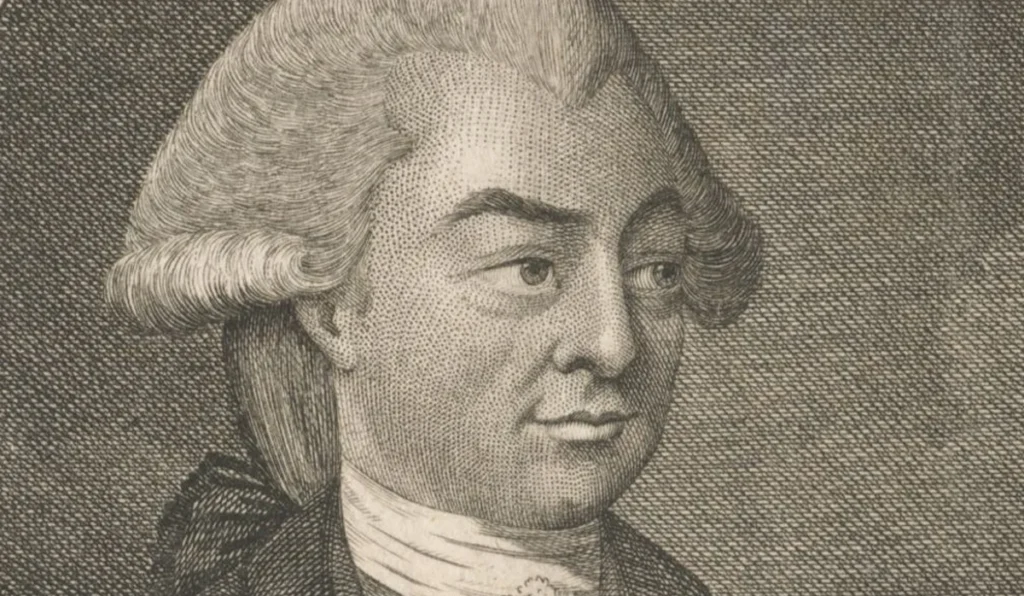
In 1768, John Wilkes returned to England from France. He was promptly arrested, fined £1000 and sentenced to 22 months in prison. In May 1768, some 30000 people gathered near the prison in London where Wilkes was incarcerated, demanding his release. Troops fired into the crowd, killing six and wounding twenty. While in prison, Wilkes was elected to Parliament three times: on each occasion, he was expelled for libel. On the fourth try, the Commons illegally installed a rival. Wilkes’ treatment, which was well reported in colonial newspapers, suggested to Americans that the British government was pursuing a concerted programme to suppress liberty on both sides of the Atlantic. Subscriptions for Wilkes’ relief were taken in several towns. In 1769, South Carolina’s assembly donated £1500 to Wilkes’ cause.
The Secretary of State for America
In January 1768, Grafton created a Secretary of State for colonial and American matters. Unfortunately, the Earl of Hillsborough, the first colonial secretary, lacked tact and political wisdom. One of his first acts was to order the Massachusetts assembly to rescind the circular letter it had sent out, on penalty of dissolution.
The Situation in Boston
In Massachusetts, Governor Bernard did his best to obey Hillborough’s order. When the Massachusetts assembly voted not to rescind the letter, he dissolved it. This only worsened matters. The Sons of Liberty now had another issue on which to campaign. To keep up popular enthusiasm, Otis and Adams organised marches and meetings while radical newspapers carried on an endless campaign against the British government and its servants. By 1768 Boston had disciplined cadre of men who spent so much time and energy countering every British move that they were virtually professional revolutionaries. Not surprisingly, crowd trouble continued. Royal officials were threatened and the houses of customs commissioners damaged. Bernard was forced to ask for troops to try to restore order.
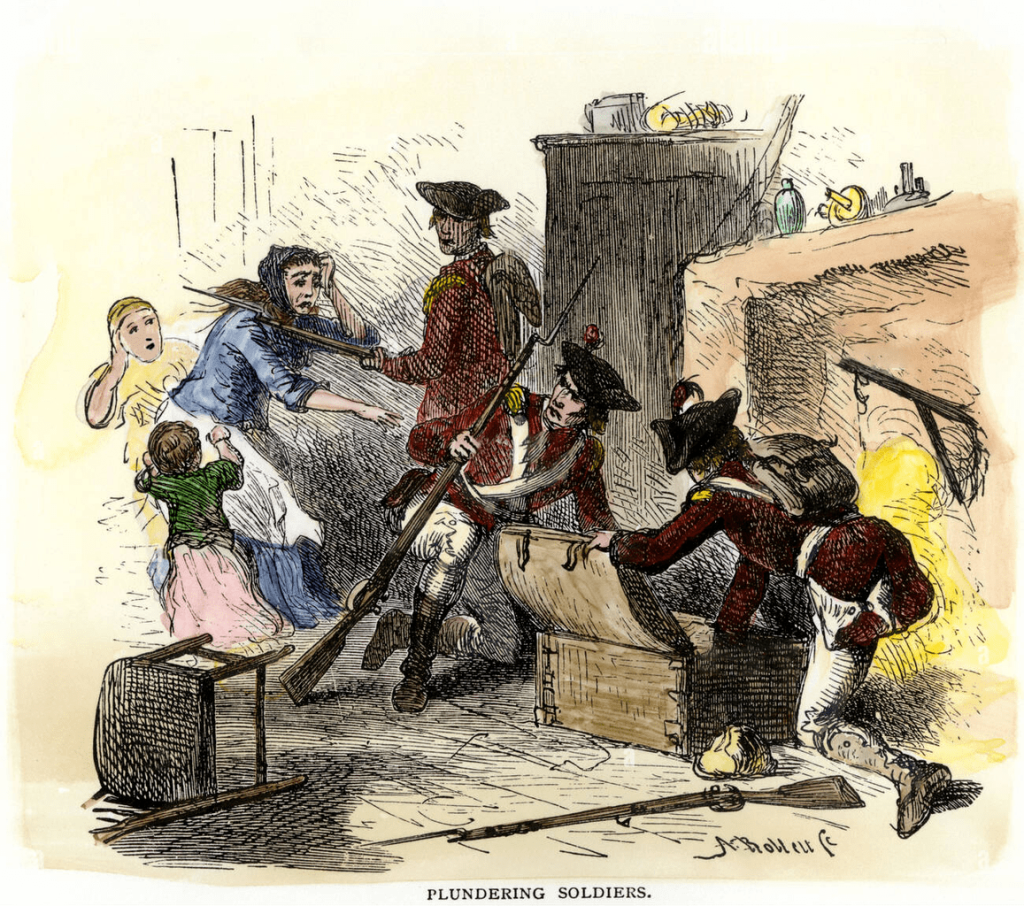
In late September, 600 British troops arrived in Boston. Far from ending the towns disaffection, they gave it another focus – themselves. The day-to-day presence of British troops became a constant aggravation:
- There were problems of barracking and quartering the men.
- Bostonians, accustomed to leading their lives with a minimum of interference, were harassed by British patrols.
- Off-duty soldiers sought to improve their meagre incomes by taking part-time jobs. The facts that they were prepared to work for less money than Americans increased tensions.
Boston newspapers reported (often fabricated) stories of brutality and debauchery among British troops. The army, goaded by a hostile population#, had better cause to grumble. Brawls between troops and Bostonians were common. Troops resented the fact that they received severe treatment in local courts.
The Boston Massacre
In Boston tension increased:
- On 22nd February 1770 a suspected customs informer killed an 11 year old boy during a riot. The Sons of Liberty turned the funeral into a political demonstration: 5000 Bostonians attended.
- On 2nd March workers at a rope factory attacked some soldiers seeking jobs: a pitched battle ensued.
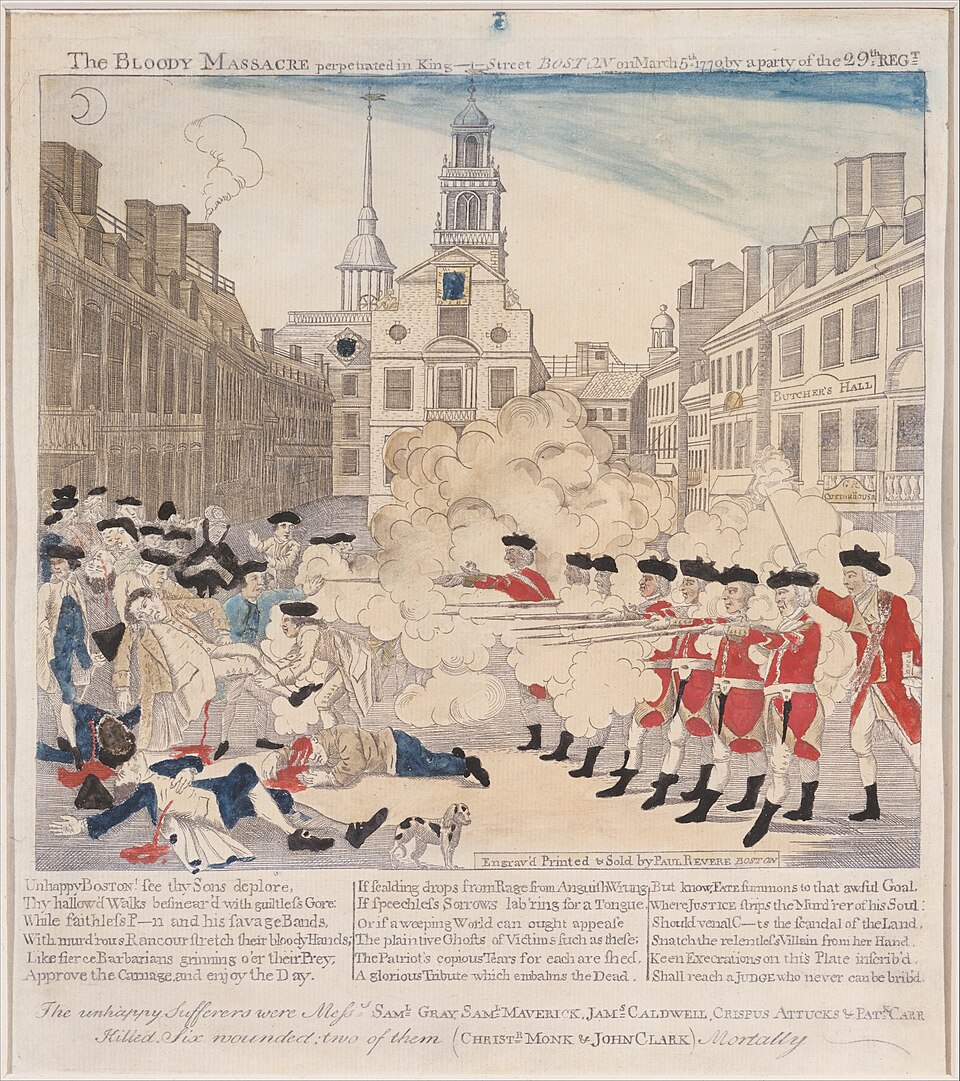
The climax came on 5th March. A detachment of British soldiers guarding the customs house was attacked by a mob hurling hard packed snowballs. The troops, under extreme provocation, opened fire, killing 5 Bostonians. Sam Adams’ political machine gave the impression that there had been a deliberate massacre – a version of events that was accepted by most Americans. The funerals of the dead were occasions for mass political demonstrations. The Americans cause now had martyrs.
Eight of the soldiers were eventually brought to trial. Six were acquitted after a skilful defence by their counsel, John Adams, a cousin of Sam. Two, found guilty of manslaughter, were released after being branded on the thumb.
The situation by 1770
By 1770, the British government faced problems: ▪
There were insufficient troops in the colonies to impose order. ▪ Relations between British authorities and the assemblies had broken down.
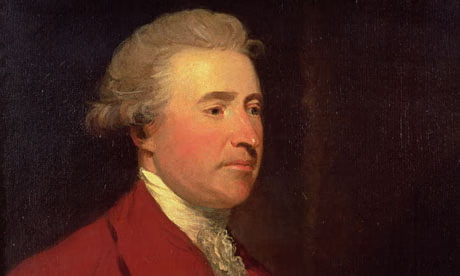
Burke was an Irish-British statesman, economist, and philosopher. Born in
Dublin, Burke served as a member of Parliament between 1766 and 1794 in the House of Commons of Great Britain with the Whig Party.
‘The Americans have made a discovery, or think they have made one, that we mean to oppress them. We have made a discover or think we have made one, that they intend to rise in rebellion against us… we know not how to advance, they know not how to retreat… some party must give way’.
However, colonial unity was not total. Conservatives were alarmed at the resort to mob action. Nor was non-importation uniformly observed.
Repeal of the Townshend Duties
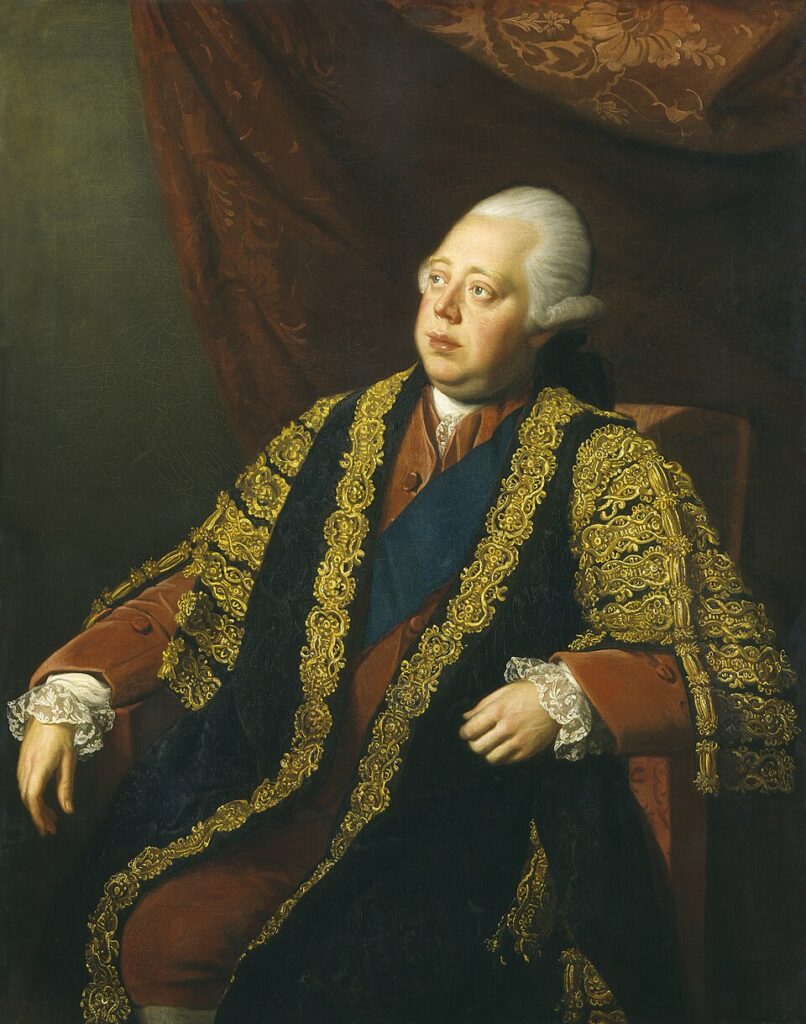
The British government was concerned by events in the colonies. The Townshend duties, which had stirred up such a hornet’s nest, made little financial sense. Not only were they failing to raise a significant revenue, they were also penalising British exports to the colonies. Grafton decided that overseeing the repeal fell to the new prime minister, Lord North. In March, the duty on tea was taken in cabinet by a single vote, that of North himself. He saw the duty ‘as a mark of the supremacy of Parliament’.
North’s action divided conservative merchants from more radical agitators. New York quickly abandoned non-importation. As other ports followed suit, the crisis ended. Three years of comparative calm followed. Anglo-American trade resumed.
As colonial prosperity returned, there was something of a conservative reaction against the radicals. In 1772 the Earl of Dartmouth succeeded Hillsborough as secretary of the colonies. Dartmouth believed in accommodation rather than confrontation.
Committees of Correspondence
In 1771, the Boston town meeting created a Committee of Correspondence, which was to communicate colonial grievances throughout Massachusetts. By mid-1773, 50 Massachusetts towns had their own committees. Other colonies followed suit, so much so that by February 1774, every colony except Pennsylvania and North Carolina had committees. In the event of another crisis, it was envisaged that the committees would ensure a rapid dissemination of information and a unified response. Although the committees did not do a great deal before 1777, they at least communicated with each other and were a focus for radical activity in each colony.
American Disunity
From Britain’s point of view, the good news was that the colonists were far from united. Indeed, at times they seemed more intent on quarrelling among themselves that with Britain:
- There were disputes between colonies over boundaries and land claims (New York vs New Hampshire = Vermont)
- There were tensions between rich and poor in some colonies
- In 1768 the so called Regulator movement began in north Carolina and spread to South Carolina. Most of the participants were backcountry farmers who protested against the oppressions and corruption of tidewater officials. After a period of virtual civil war the Regulators were crushed in 1771 at the battle of Alamance by eastern militia forces. Some 300 Regulators were killed.
The Tea Act
The 1773 Tea Act
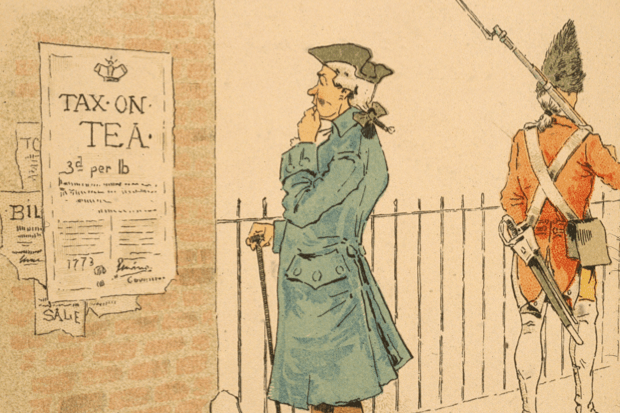
In 1773 the British government reopened old wounds by introducing a Tea Act. The act was designed to save the near bankrupt East India Company rather than assert parliamentary sovereignty over the colonies. It aimed to relieve the financial stresses of the company by permitting it to export tea to the colonies directly and retail it there, using its own agents. The Tea Act abolished British duties on the company’s tea while obligating Americans to continue paying the duty levied under Townshend’s legislation. Nevertheless, the tea sold by the company would be so cheap that it could undercut tea that was traded legitimately by American merchants and foreign tea that was smuggled in, usually by the same merchants. It seemed that:
- American consumers would benefit because tea would drop in price
- The East India Company would sell its vast stocks of tea in America at a healthy profit
- Britain would obtain increased duties
But Lord North had miscalculated. It should have been clear to him that the colonists would not buy the tea until the duty was lifted. For a few pounds – the tea imported into America had netted only £400 in 1772 – North was risking the export of £2 million of tea and antagonising the Americans into the bargain.
The American Reaction
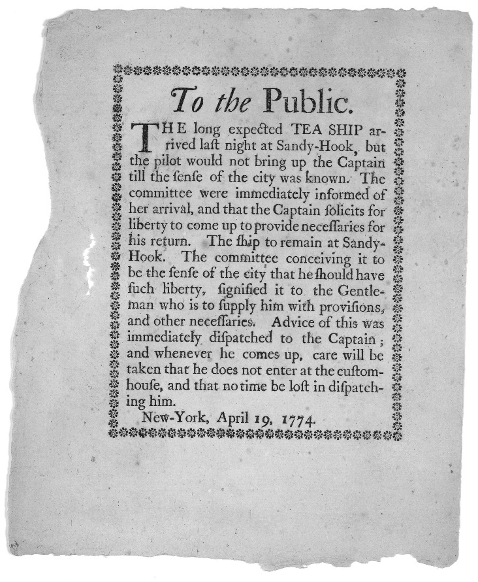
Most Americans were convinced that the Tea Act was another attempt at parliamentary taxation and the destruction of the independence of their assemblies. The measure was bitterly attacked in newspapers and pamphlets. Philadelphians set the tone of the opposition and gave it direction in ways made familiar in the crises over the Stamp Act and the Townshend duties. Violence was threatened against those merchants importing East India Company tea. In all the major ports the tea agents, facing severe intimidation, were forced to resign.
- East India Company: A powerful company that controlled much of Britain’s trade with India.
- Tea Agents: Men responsible for collecting tea duties.
The Boston Tea Party
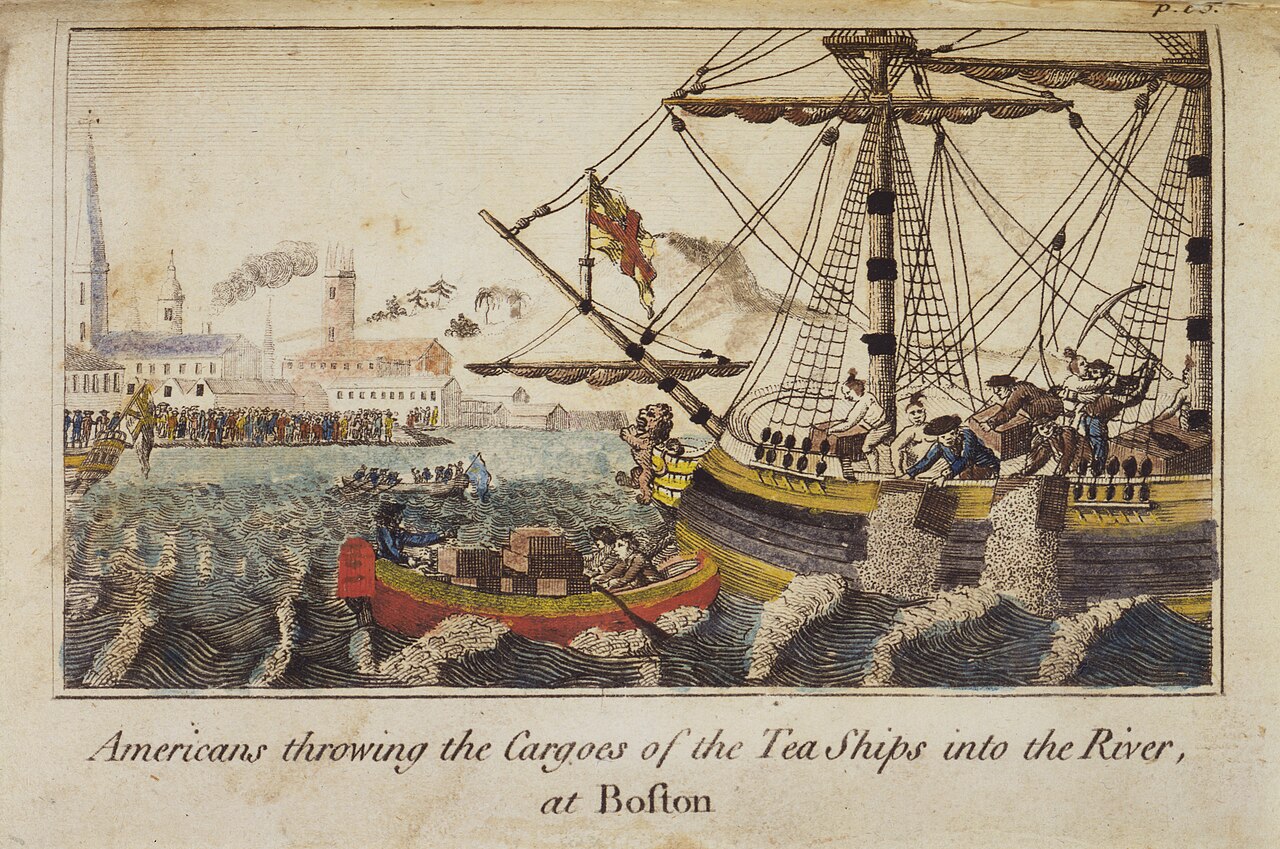
On 28th November 1773, the ship Dartmouth, bearing 114 chests of East India Company tea, entered Boston harbour. Among the merchants to whom the tea was consigned were two sons of Governor Hutchinson. Hutchinson was determined that the tea be disembarked. Most Bostonians were equally determined that the Dartmouth should depart. Thousands gathered daily to prevent the tea from being unloaded. On 2nd December, the Eleanor joined the Dartmouth. Two weeks of discussion between Hutchinson and patriot leaders resulted in a deadlock. On 15th November the Beaver arrived.
On 16th December 60 Sons of Liberty men, crudely disguised as Mohawk Native Americans and directed by Sam Adams, boarded the three ships and threw their cargoes – 342 tea chests worth about £10,000 – into the harbour. A huge crowd watched in silence. Admiral Montagu, the Royal Navy commander in Boston, could have ordered his nearest warship to open fire. Fearing that this might worsen the crisis, Montagu did nothing. Nor did the troops stationed at nearby Castle William.
The British Reaction
When news of the Boston Tea Party reached London, the reaction was one of outrage. In 1766 and 1770, colonial protests had brought about a reversal of British policy. Confronted with colonial defiance for a third time, Lord North’s government determined to take a hard line. North was convinced that Britain faced a fundamental challenge to its imperial system, a challenge which could not be ignored without imperilling national prosperity and security. Parliament was either the supreme authority in the empire or it was not. Even staunch friends of
the colonists in Britain refused to defend the Tea Party. Chatham said it was ‘criminal’.
The Coercive Acts
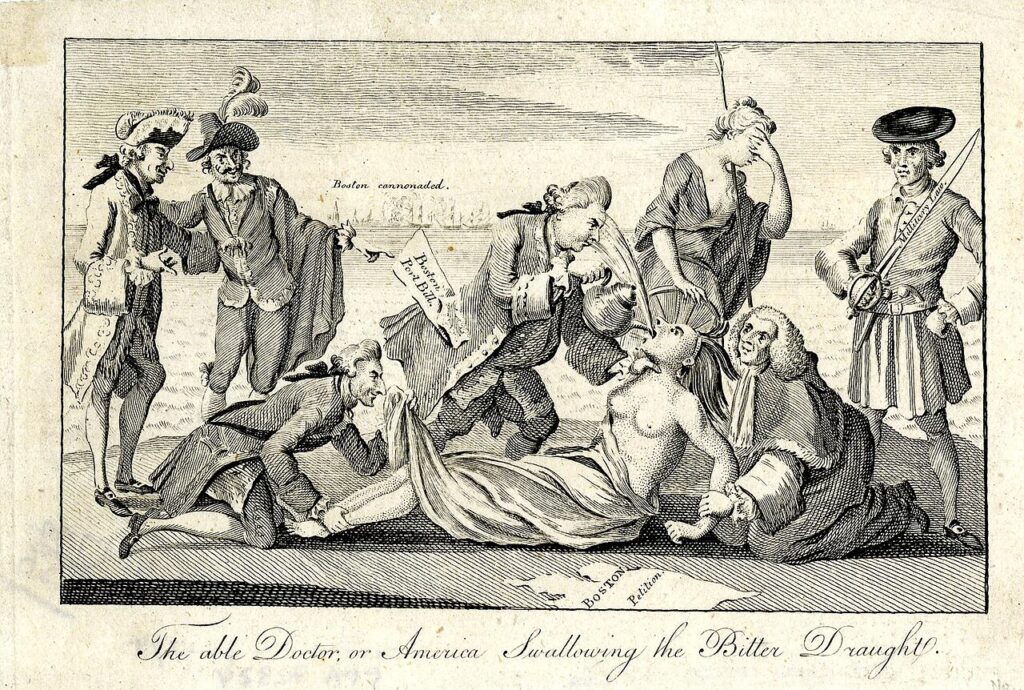
Concluding that Boston was at the centre of colonial troubles, North’s ministry decided to punish it. In early 1774 Parliament passed four Coercive (dubbed by the colonists Intolerable) Acts:
❑ The Boston Port Act closed Boston to all trade until the destroyed tea had been paid for.
❑ The Massachusetts Government Act allowed the royal governor to appoint and remove most civil officials. Town meetings could not be held without his permission.
❑ The Impartial administration of Justice Act provided for the transfer to Britain of murder trials.
❑ A new Quartering Act gave broader authority to military commanders seeking to house their troops.
Chatham and Burke spoke against the measures, warning of the consequences. Their eloquence had no effect. All passed with large majorities. Meanwhile, the commander in chief in America, General Gage, was made governor of Massachusetts
The Quebec Act
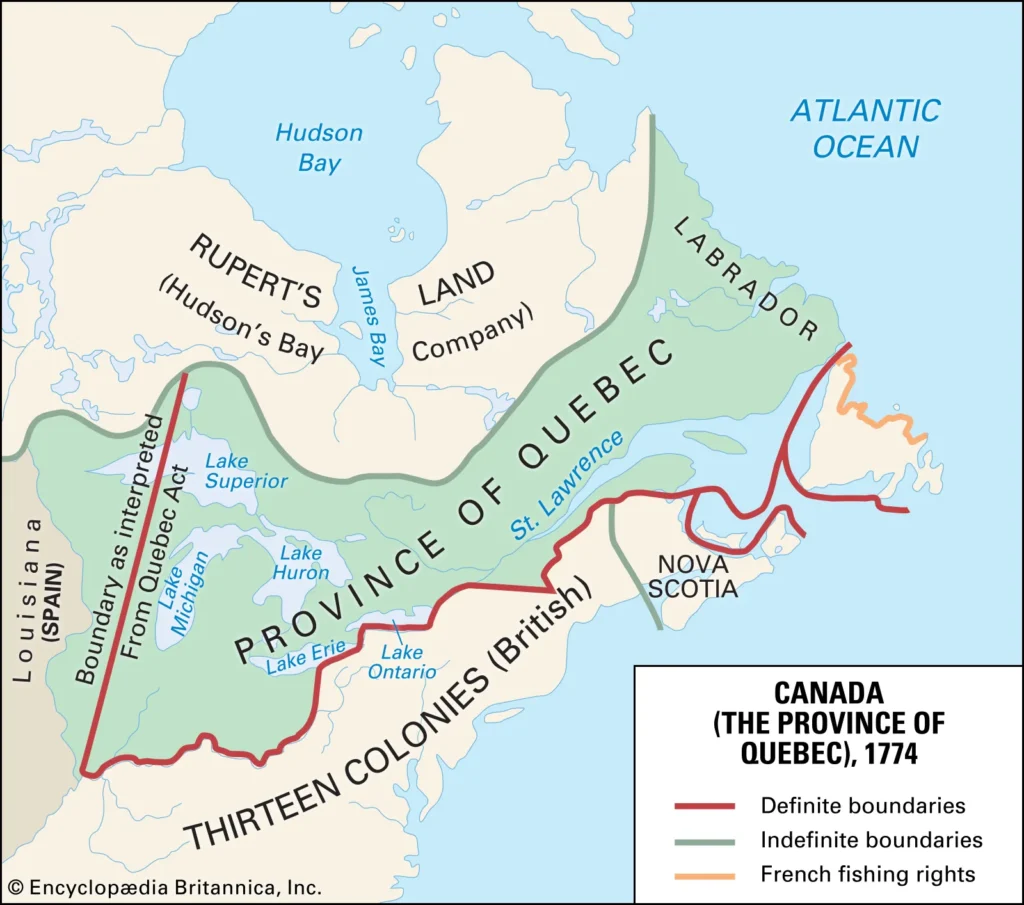
Colonial sensibilities were further inflamed by the Quebec Act in June 1774. This ill-timed effort to solve the problem of governing the French inhabitants of Canada was seen by Americans as confirmation of evil British designs.
The act placed authority in the hands of a governor without an elected assembly and limited trial by jury. This suggested to colonists that Britain intended to put the whole of North America under authoritarian forms of government.
Moreover, the extension of the Quebec boundary south and west to the Ohio and the Mississippi looked like an attempt to check westward expansion by the thirteen original colonies.
The American Reaction
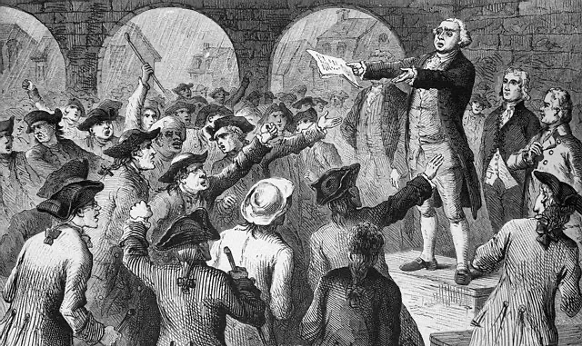
While the Coercive Acts were intended to punish Massachusetts, especially Boston, most Americans believed that the measures were a threat to all the colonies, If Massachusetts could be dealt with in this way, no colony was secure. People in other colonies rallied to Boston’s support, sending food and money to help the town’s poor. In March 1774 New Yorkers found East India Company tea on board the Nancy. They set out to follow the Bostonians’ example. While a party of Mohawks prepared themselves, the main crowd surges on to the ship and disposed of the tea.
Economic Response
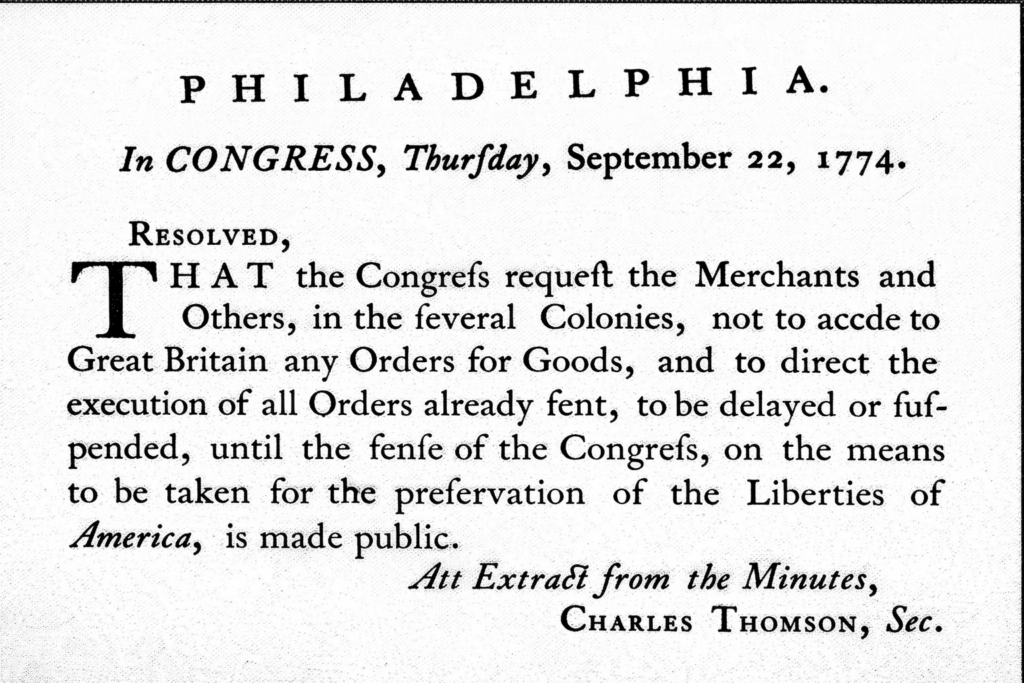
On 13th May, the Boston Town Meeting asked all the colonies to boycott British goods until the Boston Port Act was repealed. The Boston Committee of Correspondence drafted a Solemn League and Covenant committing itself to a British boycott. Many communities endorsed the document. However, not all merchants were convinced that this was the right course of action:
❑ A trade boycott would probably harm America more than Britain
❑ Previous non-importations had shown that boycotts were difficult to enforce and that some merchants had made money from trade with Britain at the expense of others
Political Response
Colonial assemblies, town and country meetings, newspapers, clergymen and other men of influence denounced the actions of the British government. Propaganda, disseminated by the Committees of Correspondence, persuaded the colonists of the need for common action to defend American liberties. Royal governors dissolved assemblies that seemed ready to denounce the Coercive Acts and support an economic boycott. Undeterred, the Virginia House of Burgesses passed a resolution on 24th May condemning the Coercive Acts. Two days later, Governor Lord Dunmore dissolved the House. On 27th May, 89 of the 103 burgesses met at the Raleigh Tavern in Williamsburg. This body proceeded to adopt a non-importation agreement, pledged non-consumption of tea and denounced the Boston Port Act. It declared that ‘an attack, made on one of our sister colonies, to compel submission to arbitrary taxes, is an attack on all British America and threatens the ruin of all’. Accordingly, it proposed that an intercolonial congress be called to seek redress of American grievances.
During the summer of 1774, seven other colonies, where royal governors had forbidden assemblies to meet, followed Virginia’s example and set up extra legal conventions. Meeting in open defiance of British authority, they assumed the role of government. Usually, they were simply the assemblies meeting without sanction. But in some colonies, the conventions had a broader membership than the old assemblies.
Newspapers and pamphlets
By 1775, there were 42 colonial newspapers, mainly concentrated in New England. All but two or three were radical in emphasis, their language incendiary and strident. Numerous pamphlets defended the rights of the colonies. In 1774 Thomas Jefferson published A Summary of the Rights of British America. In Jefferson’s opinion, the British Parliament had no right to exercise authority over Americans. There was no reason why 160,000 electors in Britain should give laws to millions of Americans, ‘every individual of whom is equal to every individual of them’.
By 1774, some pamphlets and newspapers openly discussed – and some supported – colonial independence. John Adams, under the pseudonym Novanglus, published twelve essays between January 1774 and April 1775 in the Boston Gazette. In one, he declared, ‘America is not any part of the British realm or dominions’.
The Continental Congress
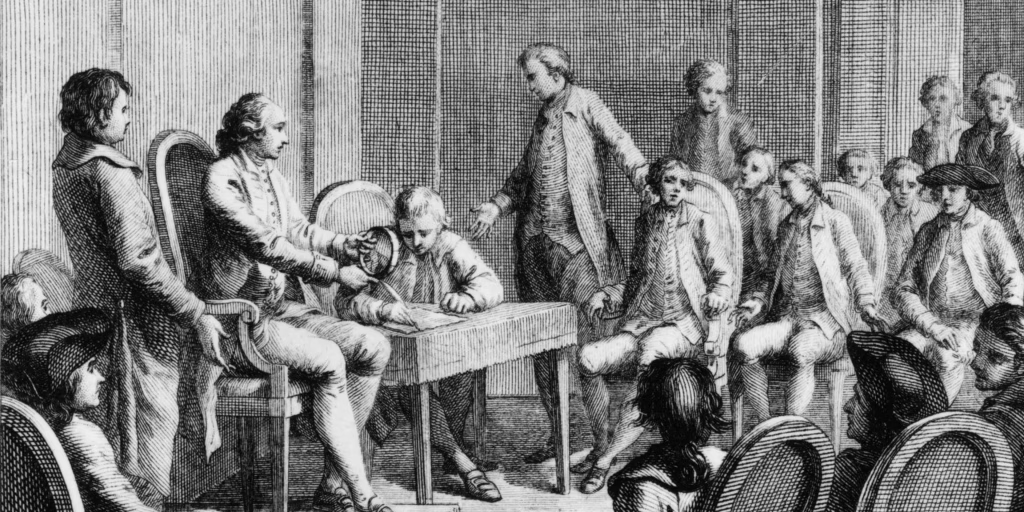
In September all the colonies except Georgia sent at least one delegate to Philadelphia to a Continental Congress ‘to consult upon the present unhappy state of the colonies’. Most of the 56 delegates (usually chosen by the extra-legal conventions) were men who had played prominent local roles in opposition to Britain over the previous decade. John Adams thought the Congress was almost equally divided between radicals, who favoured severing most ties with Britain, and moderates who favoured retaining more ties. The most prominent radical figures were Richard Henry Lee and Patrick Henry of Virginia, and John and Sam Adams of Massachusetts. Leading moderates included John Dickinson and Joseph Galloway of Pennsylvania.
The Congress endorsed the Suffolk Resolves on 17th September. These declared the Coercive Acts null and void and called on Massachusetts to arm for defence. Congress also called for non-importation of all British goods, starting on 1st December 1774, unless Parliament repealed the Coercive Acts. A ban on exports to Britain would begin in September 1775 (allowing planers time to sell crops raised in 1774). To promote the trade embargo, Congress called on colonists everywhere to form a Continental Association so that non-importation would be a united effort rather than merely local initiatives.
On 14th October Congress agreed on a Declaration of Rights and Grievances. Whiles acknowledging allegiance to the Crown, the declaration denied that the colonies were subject to Parliament’s authority. While accepting that Parliament could regulate trade for the good of the whole empire, Congress declared that it could not raise revenue of any kind from the colonists without their consent. It also proclaimed the rights of each colonial assembly to determine the need for troops within its own province. Although the Congress had no coercive or legislative authority, it provided a useful unifying purpose. When it came to an end of the 26th October, another Congress was called for May 1775.
The Trade Boycott
The ban on British imports boosted the radical cause by encouraging local production and pride in frugality. Indeed, non-importation and non-consumption again became the basis for a drive for moral regeneration in which the rejection of luxury items and a return to a simple rustic life played an important part. Even wealthy landowners tempered their aristocratic lifestyles so they were in tune with ordinary Americans.
Committees of Safety
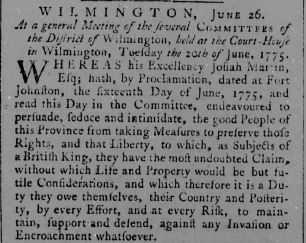
In late 1774, Committees of Inspection (or Safety) were established across the colonies in accordance with the Continental Association. Some of these committees were organised by the old elite. Others involved new – poorer – men. The committees had a mandate to enforce the boycott. But many went much further than this, acting in place of the defunct local government. The committees had considerable powers. Functioning as quasi-courts, they investigated and punished those who broke the Continental Association’s rules. By the spring of 1775, some 7000 colonists, many directly involved in politics for the first time, were serving either on Committees of Safety or in the extra-legal conventions.
The Situation in Massachusetts
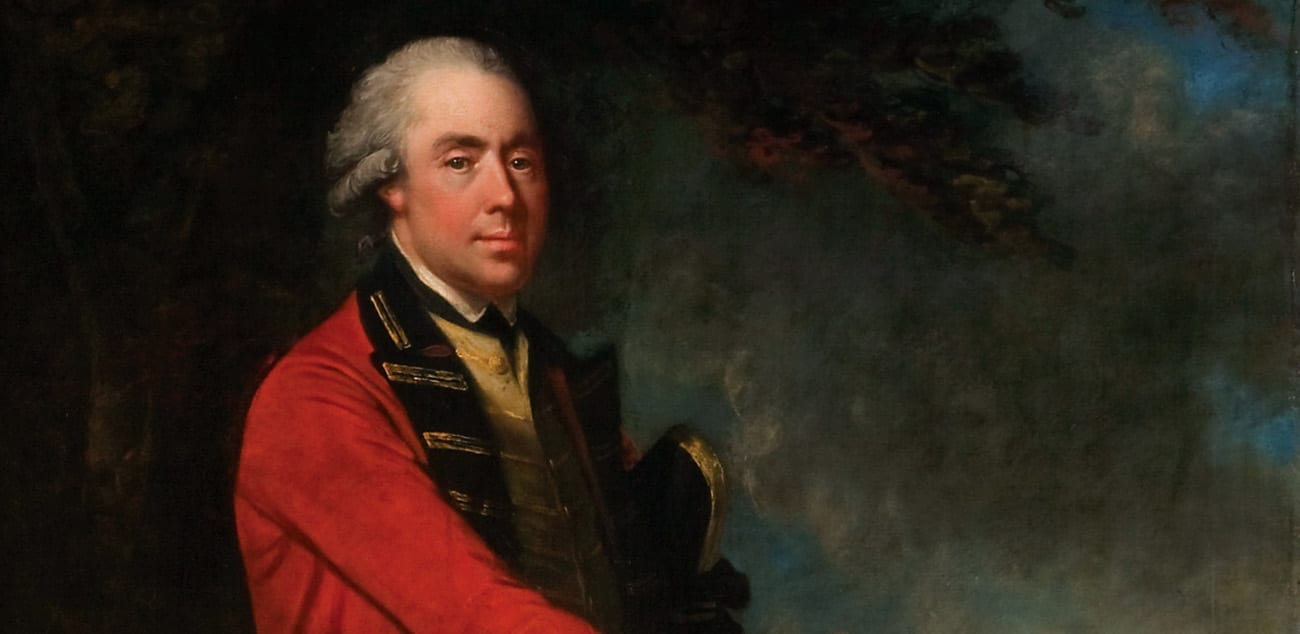
By late 1774 British authority had broken down completely in Massachusetts. In outlying areas those officials who were still loyal to Britain were terrorised by mob action and forced out of office. Outside Boston, effective authority resided in the Provincial Congress and a host of committees. As well as stopping trade with Britain, these bodies took on themselves the organisation of military resources. Across Massachusetts, militia units began to prepare for war. General Gage found that his power extended only as far as British troops could march. Effectively besieged in Boston, where his relatively few troops were concentrated, General Gage could do was ask the British government for 20,000 extra soldiers. He was all for teaching the rebels a bloody lesson, but had insufficient force to do so.
The Situation in other colonies
By early 1775, in most colonies, extra legal conventions and committees had expelled traditional authority. Arms and ammunition were stockpiled and militias drilled. Rhode Islanders and New Hampshire militiamen seized cannon, arms and munitions from British forts. However, not all Americans supported the rebel cause. New York, for example, remained predominantly loyal to Britain. Most Americans continued to hope that a solution to the troubles could be found within the framework of a continuing Anglo-American connection. Relatively few Americans sought total independence.
British Determination
In November 1775, Gage wrote to North recommending the temporary suspension of the Coercive Acts. But neither North nor the King had any intention of backing down. Both men recognised that the colonies were in a state of rebellion. In the circumstances, North’s military measures were remarkably lax: only 4000 extra troops were sent to Boston. North still failed to appreciate the scale of the military task facing them. Some politicians tried to persuade the government to make concessions to the Americans:
❑ Pitt introduced a bill in February 1775 proposing the repeal of the Coercive Acts: it was rejected by 61 to 32
❑ Burke, in the Commons, offered repeal of all legislation offensive to the Americans: his proposal was defeated by 270 to 78
North did introduce a Conciliation Plan, but it promised merely that Parliament would ‘forbear’ to tax any colony paying the cost of its own civil administration and making a satisfactory contribution to imperial defence. This attempt at concession failed. Americans were no more inclined to accept North’s small carrot than to bend to his equally small stick. In February 1775, Parliament declared Massachusetts to be in a state of rebellion. In March, it limited New England’s commerce with Britain and the British West Indies. In April, this restriction was extended to most colonies. Meanwhile, in March, Dartmouth finally dispatched a letter telling Gage to move against the rebellion and to arrest ‘the principal actors and abettors’.
9th February 1775, the British parliament provided King George III with a report on the situation in New England:
“your majesty’s subjects in the province of Massachusetts Bay have proceeded so far to resist the authority of the supreme legislature, that a rebellion at this time actually exists within the said province, and we see, with the utmost concern, that they have been countenanced and encouraged by unlawful combinations and engagements, entered into by your majesty’s other subjects in several of the other colonies, to the injury and oppression of many of their fellow subjects…
13th February 1775, both Houses of Parliament petitioned the king and asked him to:
“…direct your Majesty’s governor of Massachusetts Bay to take the most effectual methods for procuring the fullest information that can be obtained touching all treasons or misprision of treason committed within this government since the 30th day of December last… together with the names of the persons who were most active in the commission of such offences… in order that your Majesty may issue a special commission for… hearing and determining the said offences within this realm…”
Stretch
How important were political ideas in bringing about the split between Britain and her colonies?
There were several reasons why political ideas played an important role in bringing about the split between Britain and the colonies. The number of printing presses and booksellers in the colonies, particularly in New England, which has been seen as the hotbed of radicalism, was considerable and more than 30 newspapers existed by 1763 so that ideas were easily disseminated. These developments allowed Enlightenment ideas to spread and some of these challenged the existing order. Opposition was further encouraged by the English writer and radical Thomas Paine, who in 1775-76 published a pamphlet, Common Sense, which put forward the argument that the colonists should be given independence. Its impact was considerable, as can be seen in the sales, which were the largest of any book in American history and it was also read aloud at pubs and taverns.
There was also a great deal of political energy within the colonies. Each colony had its own assembly and even though the right to vote, or the franchise, was limited, the assembles did provide a forum for political discussion meaning that there was a great deal of political interest and enthusiasm. Involvement in political activity, even at a regional level, ensured that there was lively debate and an understanding of concepts such as liberty. Although in many instances it was popular support and mob action that caused an escalation of the disputes, many of the leaders of the unrest, such as Samuel Adams, were able to exploit the political ideas that were circulating among more intellectual circles so that they appealed to and could direct the rank and file, even if it meant misrepresenting British policy so that it was portrayed in the worst possible light. Among the leadership of the resistance, political ideas were important, underpinned the resistance to British policies and gave theoretical justification to the actions of groups such as the Sons of Liberty.
American Whiggism
There were a number of strands to the developments in political ideology among the colonists. Many would have seen themselves as following in the tradition of English Whiggism, which had developed in the mid-seventeenth century when there appeared to be a trend towards arbitrary and despotic government in England during the latter years of the reign of Charles II and during the reign of James II. In many ways, the colonists had the same concerns – to uphold popular rights, defend representative institutions and protect traditional freedoms – all of which early eighteenth-century British Whig writers had argued were under attack from government ministers.
In the American colonies, there had developed a concern that executive power was on the increase and this appeared to be given credence by the stationing of an army, associated in popular imagination with tyranny, in the colonies after the Seven Years War. Such views appeared even more justified when, in Britain, the London journalist and politician John Wilkes had attacked the king and his ministers, accusing the latter of being the tools of despotism and corruption’. It therefore appeared as if the government was suppressing liberties in both Britain and America. Attempts by the British government to raise taxes, even though they were to pay for the defense of the colonies, were therefore easy to portray as an attack on their liberties. This became very clear in the comment by the Boston lawyer and patriot John Adams in his diary about the Stamp tax as ‘that enormous engine, fabricated by the British parliament, for battering down all the rights and liberties of America’. This was followed by the Virginia Resolves in which the right to tax the colonists without their consent was robustly denied. The Virginia Resolves of May 1765 argued that Americans, as British citizens, had to give their consent to the laws that governed them: “That the taxation of the People by themselves, or by persons chosen to represent them, who can only know what taxes the People are able to bear, or the easiest method of raising them, and must themselves be affected by every tax laid on the people, is the only security against burdensome taxation, and the distinguishing characteristic of British freedom, without which the ancient Constitution cannot exist’.
How important were political ideas in bringing about the split between Britain and her colonies?
The stamp tax had certainly raised fundamental issues and caused the colonists to re-evaluate their relationship with Britain. It had raised issues of their fundamental rights and the principle that property could be taxed without consent. It thus led to explicit attacks on parliamentary control of the colonies and the publishing of the Virginian Richard Bland’s An Inquiry into the Rights of British Colonies in 1766, which argued that an act of Parliament that imposes internal taxes upon the colonies, is an act of power, and not of right. The development of such ideas led John Adams to comment in his diary chat ‘the people, even of the lowest ranks, have become more attentive to the liberties, more inquisitive about them, and more determined to defend them, than they were ever before known or had occasion to be. According to Locke, there was a constitutional right not to have your property taken from you and this right was greater than the authority of the British parliament, which should safeguard, not undermine, that right. Parliamentary taxation without consent was establishing in the minds of many influential colonists that the British were despots who had to be resisted. This view was such that by 1765 the colonists were, according to Robert Middlekauff, arguing that there were fundamental rights that should limit the powers of parliament and government over the individual in theory, even if this did not happen in practice. The implications of the right to tax went beyond that of other legislation and only by condemning the Stamp Act could they reassert their rights. For intellectuals, there were parallels with the 1630s in England when it appeared that Charles I was attempting to establish a despotism and if the colonists did not resist the Stamp Act then further acts of tyranny would follow.
The actions of the British government triggered a feeling among many in the colonies that their constitutional liberties were under threat. They saw the government as innovative, while their response was conservative, defending the rights of freeborn Englishmen. Although, as we have seen, the British government withdrew the Stamp Tax it did not end suspicions about British intentions. This became even more evident with the Townshend Duties which raised further concerns that the British government was determined to subvert the liberties of the colonists. This was most clearly brought to the fore in John Dickinson’s Letter of a Pennsylvania Farmer, in which he stated, ‘Let these truths be indelibly impressed upon our minds, that we cannot be happy without being free, without being secure in our property – that we cannot be secure in our property if, without consent, others may, as of right, take it away’. Such a view was further developed by Samuel Adams when he drafted the circular letter from the Massachusetts Assembly in which he wrote, while acknowledging that Parliament was the supreme law-making body, that there were constitutional rights that could not be challenged, most importantly that of taxation without representation. The development of such ideas had certainly brought the issue of taxation to the fore.
However, it was the seizure of the vessel Liberty, which led to the British government sending troops, that changed the focus of the ideological debate from taxation to military occupation. Although it was the actions of the mob and clashes that led to a further deterioration in relations in 1770 and again in 1773, it is impossible to separate these developments from the ideological issues that surrounded the Tea Act, which reaffirmed the right to tax the colonies. Resistance to it, most notably with the Boston Tea Party raised constitutional issues in Britain, challenging as it did the authority of the British government. The final division between the colonists and Britain can also be seen to be the result of the development of political ideas. The decision to implement the Quebec Act raised again the issue of arbitrary government with not only colonial boundaries being changed but also the establishment of a royal governor, who would govern without an elected assembly. It, along with the Coercive Acts which had preceded it, seemed, according to the historian Francis Cogliano, to be ‘proof positive of a deliberate plan to oppress Americans’ and required further resistance. Although the most memorable actions of the period, such as the Boston Tea Party or the hanging of effigies from the Liberty Tree, were carried out by popular or mob action, historians today stress the importance of ideology in bringing about revolution. Ideas about English constitutional thought were present throughout the events; colonists often put forward the view that as Englishmen they were entitled to the same rights. They believed, wrongly, that the British ministers who were in power during this period were determined to subvert their liberties, and intellectuals in the colonies were able to see every British action in such light.
What role did American political leaders play in the development of opposition to British rule?
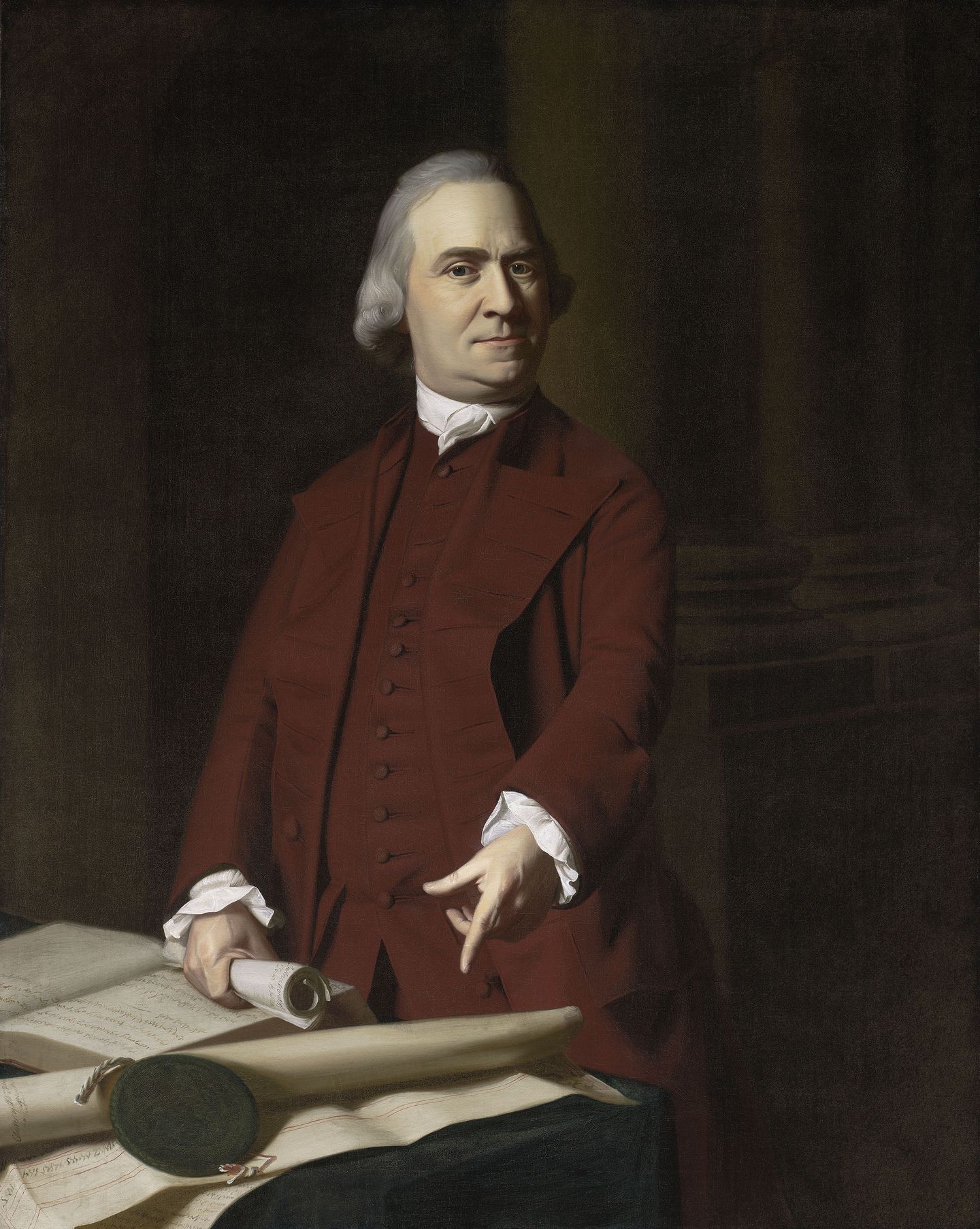
Samuel Adams
Although an ideological debate developed among many in the colonies in America as regards the legality of taxation without representation, it was Samuel Adam who realised that colonial leaders were unable to successfully challenge British policy without popular support. Samuel Adams, from Boston, the leading centre of resistance in these years, was both a radical and an idealist who became a key figure and rebel leader in these early years. Like many others he believed that the ruling elite in Britain were corrupt. He was willing himself to misrepresent British policy in order to win mass support for the cause. He was particularly important in developing mass protest in Massachusetts, which led to opposition developing elsewhere.
Adams was the key figure among a group of Boston shopkeepers and artisans who became known as the Loyal Nine and attacked those who supported the Stamp Act. He was able to unite the various gangs in the town to work against the Act and attack British officials, forcing many to resign and spreading the ideas of crowd action to other towns such as New York. This then led to the formation of the Sons of Liberty, who ensured that even after the Act was repealed levels of political consciousness were maintained.
Adams also played a crucial role in the sending of the circular letter by the Massachusetts Assembly in 1768, which denounced the Townshend Duties, and in the revival of the Sons of Liberty to co-ordinate opposition. He returned to prominence in 1771 when, at the Boston town meeting called at his request, he created a committee of correspondence to inform Massachusetts of colonial grievances. These spread throughout the colonies and was important in providing a focus for radical activity throughout the colonies. It is also claimed by some that Adams played an important role in planning and directing the Boston Tea Party and in leading opposition to the Coercive (or Intolerable) Acts. It was therefore be difficult to underestimate his influence in these years, particularly in organising and rousing the masses and involving them in a means of effective action. This succeeded in putting ever-growing pressure on Britain and drove them towards what could be portrayed as ever more despotic measures.
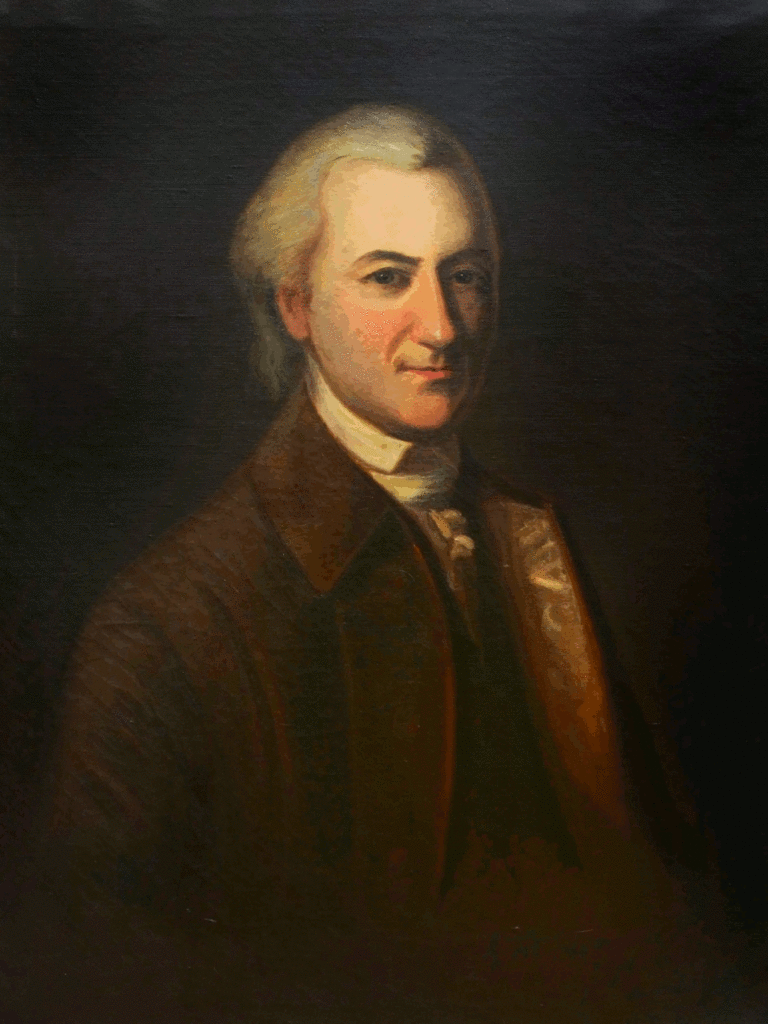
John Dickinson
Dickinson, a Pennsylvanian lawyer and politician, emerged as a prominent leader of opposition to British measures in 1768 when he published his ‘Letters of a Pennsylvania Farmer’. This attack on the town influential in adding to the claim that parliament, while it could regulate trade, did not have the right to tax the colonists without consent. Not only did he attack the issue of taxation, but he also argued that, by suspending the New York Assembly, Britain was attacking the liberties of the colonists.
So it could be argued that these political concepts struck a chord only with the educated elements of colonial society, it should not be forgotten that literacy rates and education were higher in colonial America than Britain with some 9 colleges and universities by the 1760s. this meant that when his article appeared in most colonial newspapers it found a readier and wider audience then might be expected. Such writings also provided the theoretical justification for many of the actions taken by men such as Samuel Adams, as well as encouraging other writers to launch attacks on the power of the British executive.
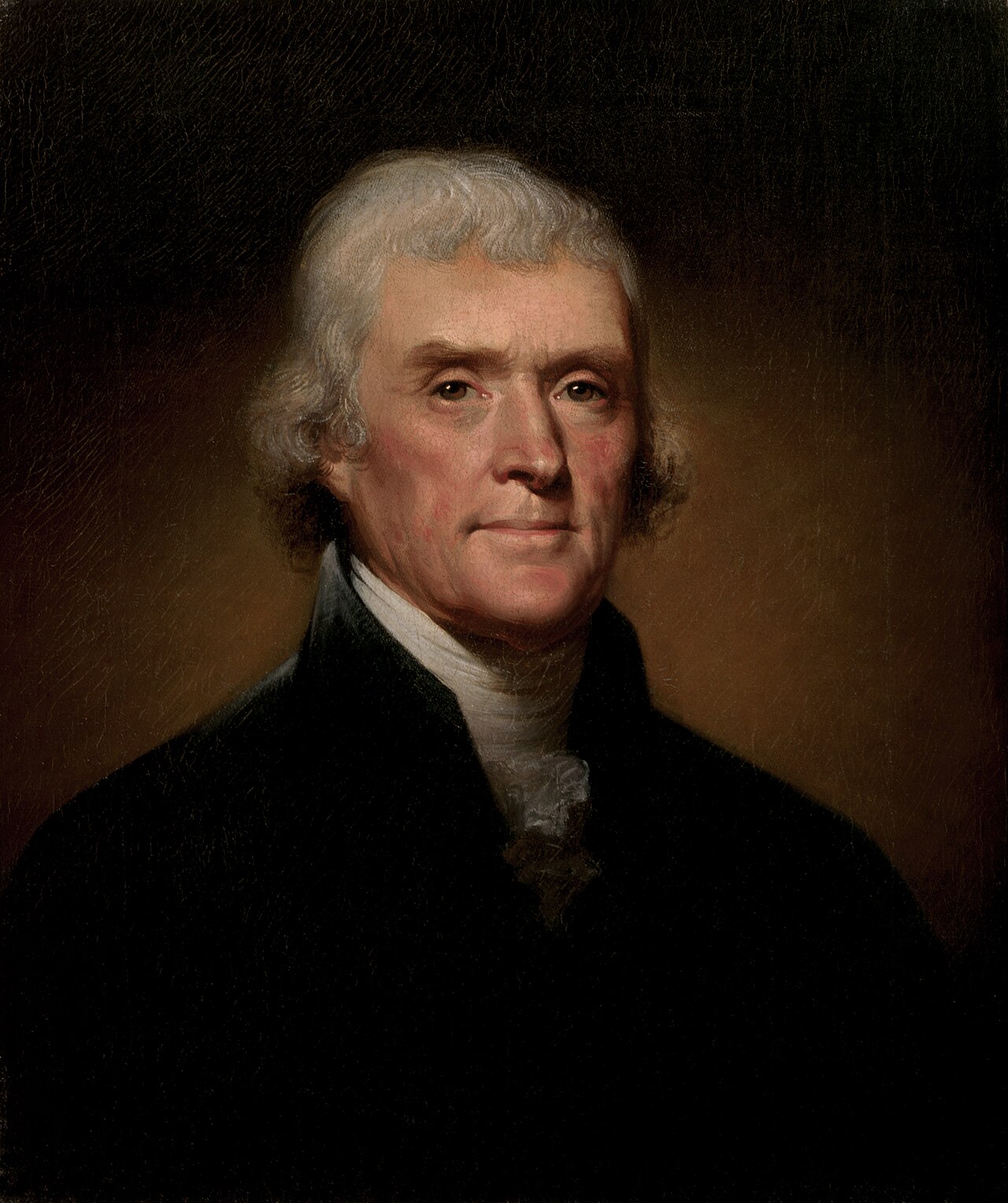
Thomas Jefferson
Jefferson was the son of a rich Virginian planter and became most famous as the principle author of the Declaration of Independence in 1776. However, before that he had, in 1774, published ‘A Summary View of the Rights of British America’, which was influential in moving many towards the idea of independence. In this pamphlet, Jefferson argued that the British parliament had no right to exercise authority over the colonies. In particular, he was critical of the fact that the electorate in England, which was at best 160,000 strong should legislate for America. The logical development of this was American independence, which was starting to gain support and was increasingly seen in a number of pamphlets published in 1774. It appeared that works such as this very clear indication that opinion in America had begun to change and that some at last were willing to sever their ties with Britain.
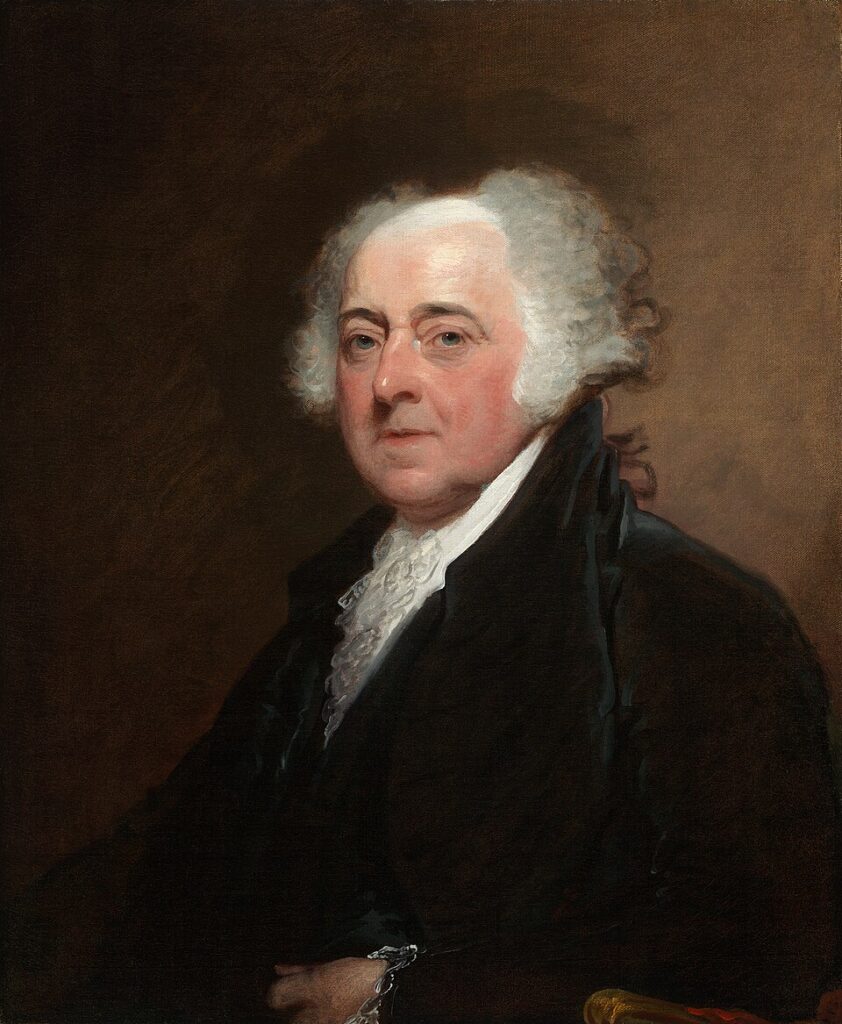
John Adams
John Adams, a Boston lawyer, was the cousin of Samuel Adams and collaborated with him. However, he did rise to prominence through his own actions after the Boston massacre. He acted as the successful calmer although unpopular , legal defence for the British soldiers involved. It was at the Continental Congress, as a representative of Massachusetts, that he became more widely known. As a radical he played a leading role in persuading Congress to decline dependence. It was in the period after this that he had his greatest influence.
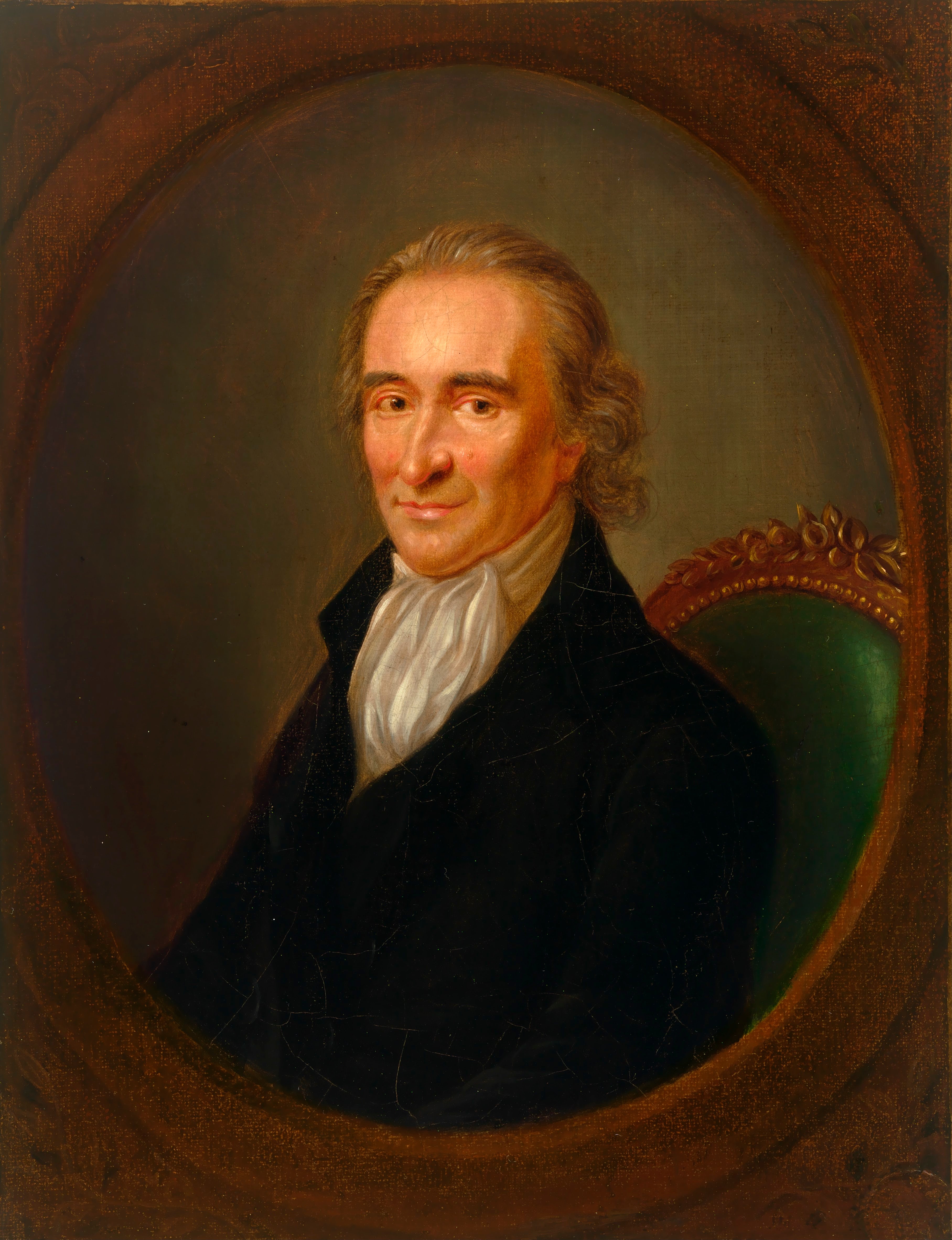
Thomas Paine
Penn was an English radical, who arrived in America in 1774. It was his pamphlet common sense, published in 1776 that yet the greatest impact, selling over 100,000 copies very quickly, with some arguing that this had a greater influence than any other pamphlet published in the 1770s. Pain had attacked the English constitution and the idea of hereditary monarch and privilege. This convinced many Americans, who had feared breaking ties with Britain, that it was the only way to stop the abuse of their liberties. It was Paine who encouraged Americans to establish a Republic.
How important were British policies in the outbreak of unrest?
It would be very difficult to argue that British policies after 1763 did not play a significant role in the causes of the American Revolution and ultimately American demands for independence, British policy towards America changed after the Seven Years War. Prior to that the colonists had experience a considerable degree of autonomy, but the cost of the war and the fear of future conflict with the Native Americans led Britain to abandon the policy of salutary neglect. Instead, British policies aimed at extracting at least some of the cost of, as they saw it, defending the colonists and preventing future conflict, even if the colonists viewed it very differently. The soaring national debt, it can be argued, almost left Britain with little choice and added to their desire to avoid further costly struggles with the Native Americans. Circumstances, it can therefore be argued, drove the government to attempt to extract as much money as possible from the colonists, even if those policies still meant that the colonists were still being taxed very lightly compared to the British. It was the design to extract money from the colonists that ultimately drove them towards revolution. A series of measures, starting in 1763 with the Proclamation Line and culminating in the Tea Act 1773 were seen by the colonists as attempts by Britain to impose their control over them. These acts all resulted in confrontation between the colonists and the British government, increasing the tension between the two. However, as the British government backed down over both the Stamp Act and the Townshend Duties it appeared as if they could be pressured into retreat,
undermining their claim to exercise control over the colonies.
Attempts to adopt a firm approach, as was seen under Lord North, failed. No longer was a firm stance enough to make the colonists cower and the attempt at using force was poorly executed as Britain did not have sufficient troops in America to enforce its will. If the British were to use force to impose their policies then there would need to be a much larger military presence which would have to be paid for.
However, although at first sight it appears obvious that British policies were to blame for the outbreak of revolution, such an interpretation ignores a number of issues. There was certainly little evidence to suggest that the colonists would react in the way that they did to British measures, such as the Stamp Act and the sugar tax, particularly as the rates being levied were so low. The colonists’ claims that they were losing their liberties and being reduced to slavery because of a British conspiracy were far from the truth and it would be fair to argue that ministers were demonised without good cause. There was also nothing inconsistent in British policy. The ministries throughout the period acted consistently in upholding the supremacy of the British constitution and Parliament. Parliament was the supreme body for both Britain and the Empire and to be supreme it must have the right to tax give that up and it would lose its supremacy.
Given the wealth of raw materials that came from America, and as it was a market for British goods, it was not surprising that Britain wanted to hold onto the colonies. But there were also benefits for the colonists with access to the Empire and therefore once again there was little reason for Britain to expect the reaction their policies received. Even in terms of politics the British had every reason to be shocked by the response, after all it was Britain that was the source of liberty, the very liberty that the colonists claimed they wanted. However, as the last section showed, some of the leaders of the earlier unrest were not as principled as they claimed and used extra-legal means, seen in the methods they used to retain control, with Samuel Adams turning to the gangs of Boston to attack the homes of British officials. It would therefore be unreasonable to argue that British policies alone were responsible for the revolution.
They certainly contributed, but in many instances, can be defended, while it was colonial propaganda that portrayed them in a very different light. There was therefore a Fundamental misconception on both sides some colonists thinking that they were being enslaved and the British government failing to comprehend that their actions could be seen in such a way.
Exam Zone
This section has been designed to help you build confidence, sharpen your skills, and achieve your best possible results. Whether you are preparing for mock exams, end-of-unit tests, or final assessments, the Exam Zone provides everything you need in one place.
The Exam Zone is not just about testing your knowledge. It is about developing the key historical skills required for success: critical thinking, evaluation, and clear written communication. By practising regularly and reflecting on feedback, you will strengthen both your understanding of the past and your performance in exams.