
The Early Republic 1783–1796
Explore how the United States struggled to build a stable political system after independence, assessing the weaknesses of the Articles of Confederation, the creation and ratification of the Constitution, and the challenges faced by the new republic between 1783 and 1796.
Challenges After Independence
What were the challenges faced by the former colonies after independence?
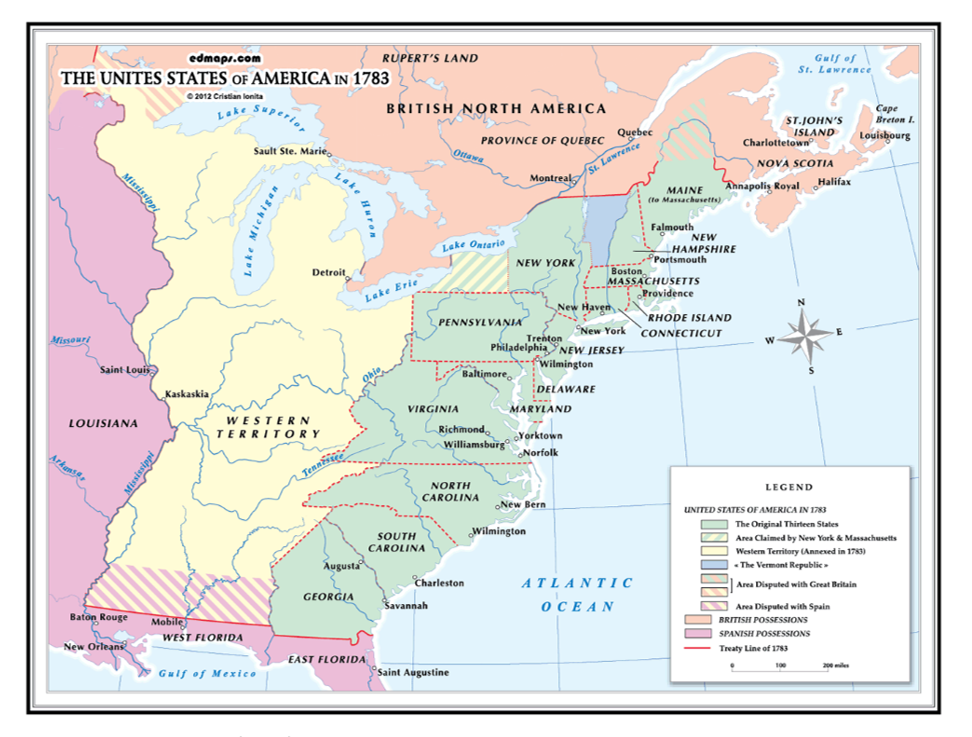
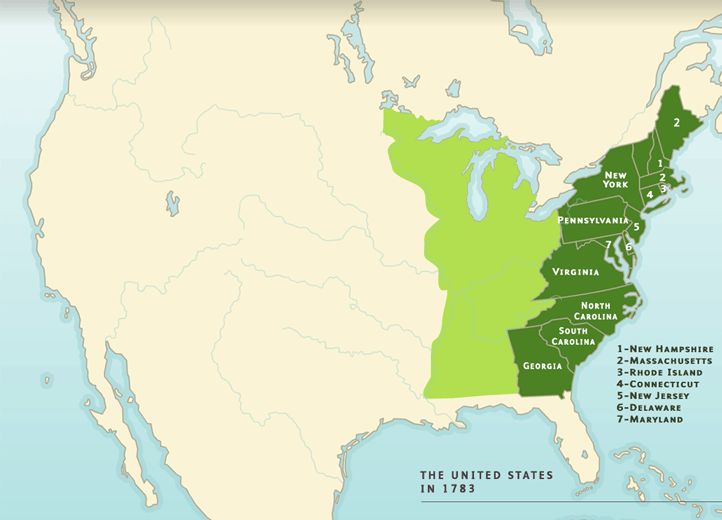
With the Treaty of Paris (1783), the thirteen states of the Eastern Seaboard, with a population of three million (one-sixth of whom were enslaved) had achieved independence and gained access to a vast amount of land. A common term for the new country was ‘Empire of Liberty’ and the opportunities for expansion and prosperity were enormous.
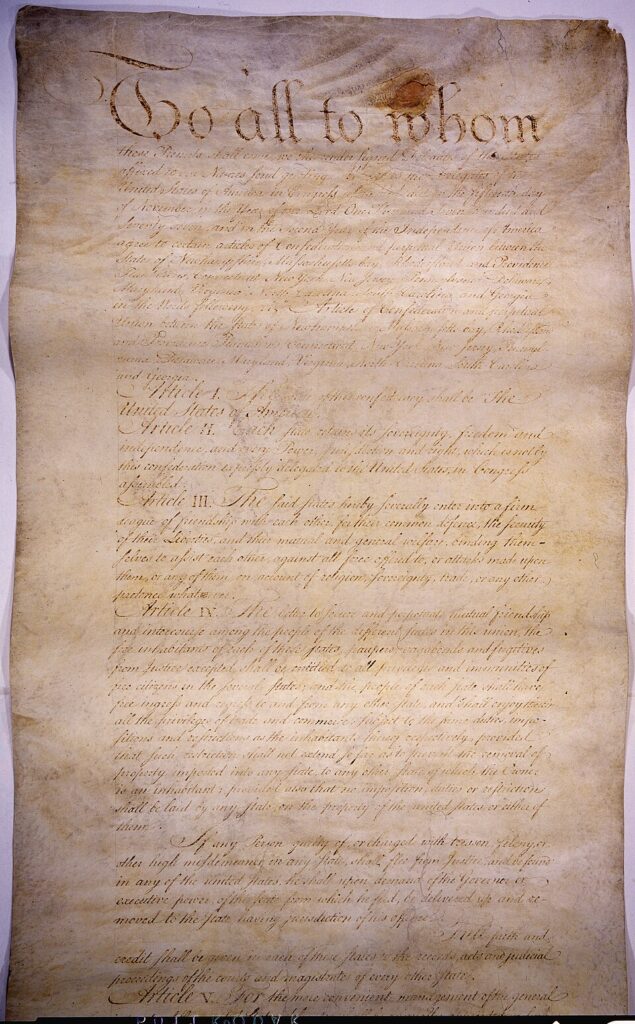
However, the war had not been won by national unity. No unifying and powerful national government had emerged. Instead, the army had depended on the contributions of the thirteen self-governing colonies. Congress had produced Articles of Confederation – deliberately avoiding a term such as ‘united government’. The demands of war had led to some overall authority being exerted by Congress. There was a national army, a national commander, an obligation to serve, negotiations with foreign powers and paper money. However, there were no national taxes, no uniform law and no war cabinet.
Each state had been encouraged to form its own government, but the states too avoided a powerful central executive and favoured rule by elected assemblies. It was by no means certain that it would be possible to maintain a central armed force. Congress was reluctant to vote funds to Washington to supply and clothe his force and he faced a mutiny in 1783.
Key Terms:
Eastern Seaboard
East Coast of the United States of America
Executive
Branch of government which enforces the law and runs the state
Divisions
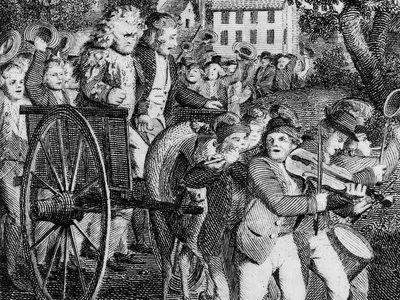
Loyalists were divided from Patriots, and large numbers were impelled to flee to British Canada to avoid persecution. The wealthy elites were divided from the ‘middling sort’ – smaller traders, farmers, craftsmen, and poorly paid professionals. Some states saw their own conflict between richer property owners, merchants and professionals who had supported the Revolution, and poorer, geographically isolated colonists who had remained loyal to Britain. Divisions occurred between the white former colonists and some indigenous tribes who supported the British. In a push to colonise lands gained in the Treaty of Paris (1783), white settlers felt as restricted by the treaty’s terms as by British rule.
The desire for liberty
‘Liberty’ overwhelmingly meant being free from authority. Jefferson was typical of many of his time in seeing overall American government as unnatural and unnecessary. True liberty was being free from state control. Liberty meant being free to pursue a useful and virtuous life in a new world where land was abundant. Strong government had no part in this purer way of life, and was part of the old word that had been defeated in the war. States had become more democratic than the old colonies and had rejected a strong authority of elite rulers. Many colonial assemblies had met behind closed doors and had been elected only by men who owned property. The new authorities, which had been set up in the war, met in public and were elected, generally, by a wider cross section of the male population. All states, large and small, had equal rights of voting in Congress. Any one state could block any major measure. There was little enthusiasm for strong government either in the new states themselves or for the whole ‘United States’.
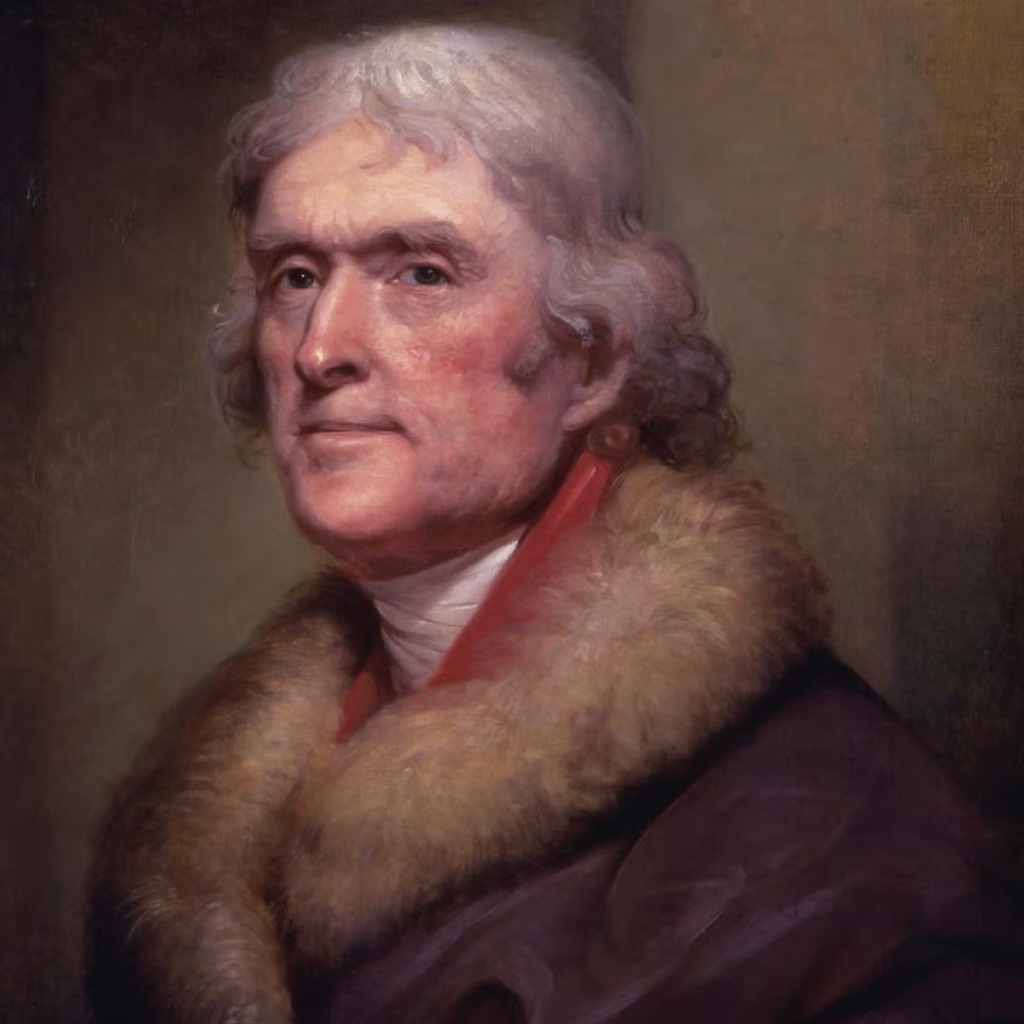
Jeffersonian Democracy refers to Thomas Jefferson’s views on the role of the government and its minimal interaction with its citizens.
Key Terms
Creditors
Those wealthy enough to lend money to Congress and to individuals.
Debtors
Those who had received loans and had to pay them back.
The issue of debt
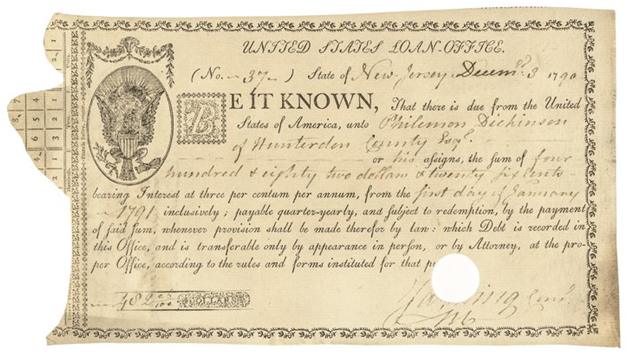
Congress had raised money by borrowing from abroad (especially from France and the Dutch Republic) and from individuals. The new republic faced a substantial burden of debt, and because of the economic disruptions brought by war, there were substantial debts incurred by many farmers and small producers. The republic was divided between creditors and debtors. Many, especially soldiers, were owed money for their service. Creditors needed a stable currency and to ensure that finance and law would ensure that they were paid. Debtors hoped for the printing of paper money and rising prices so their debts would be wiped out. They resisted attempts to collect debts or legal moves by those who lent money to get their wealth back by taking over the lands or property of their debtors. Popularly elected assemblies were pressured to pass measures to help debtors and also to print money. The result, with more money in circulation, was high inflation.
Expansion
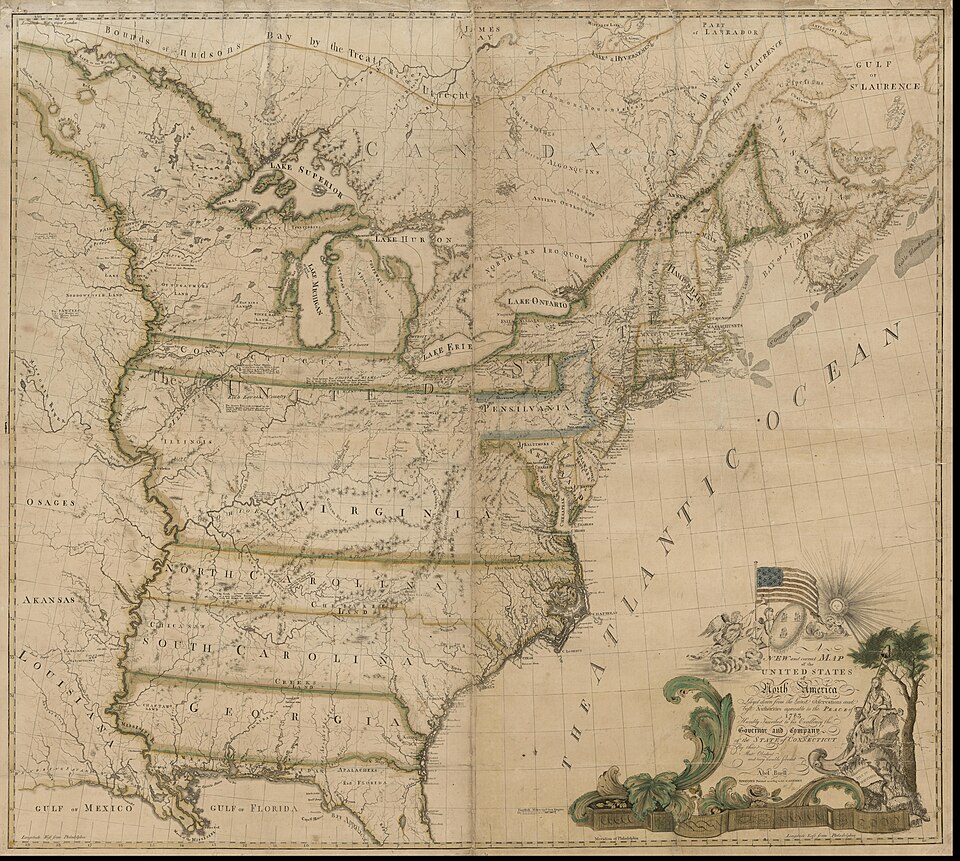
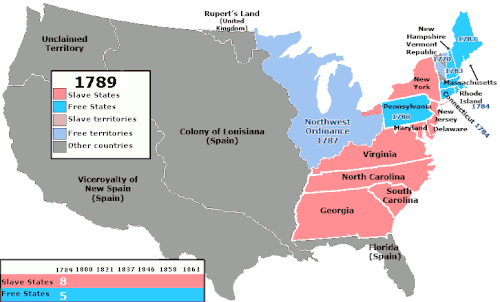
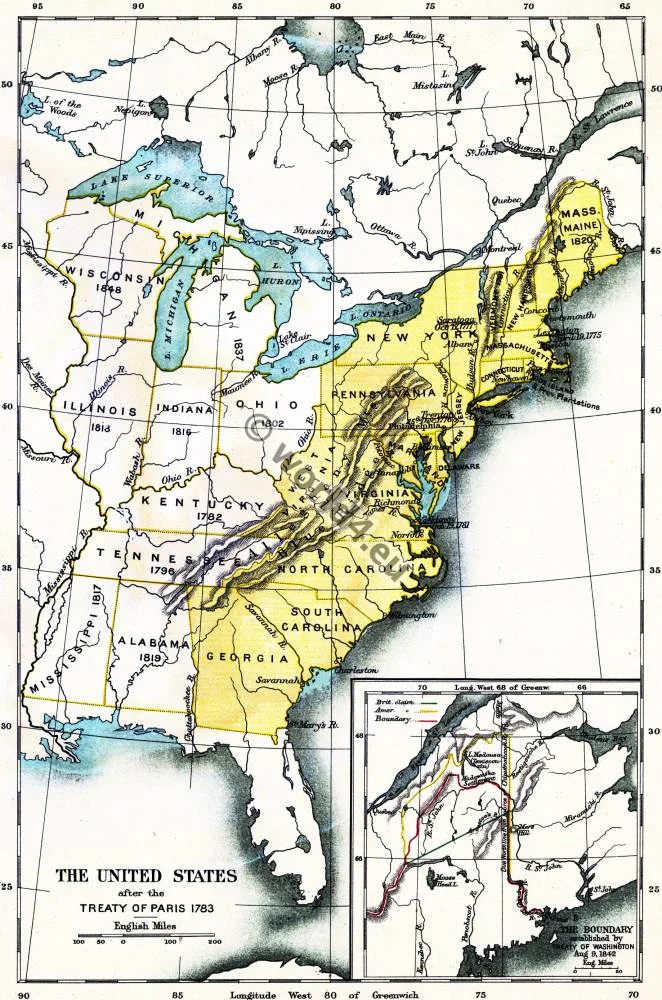
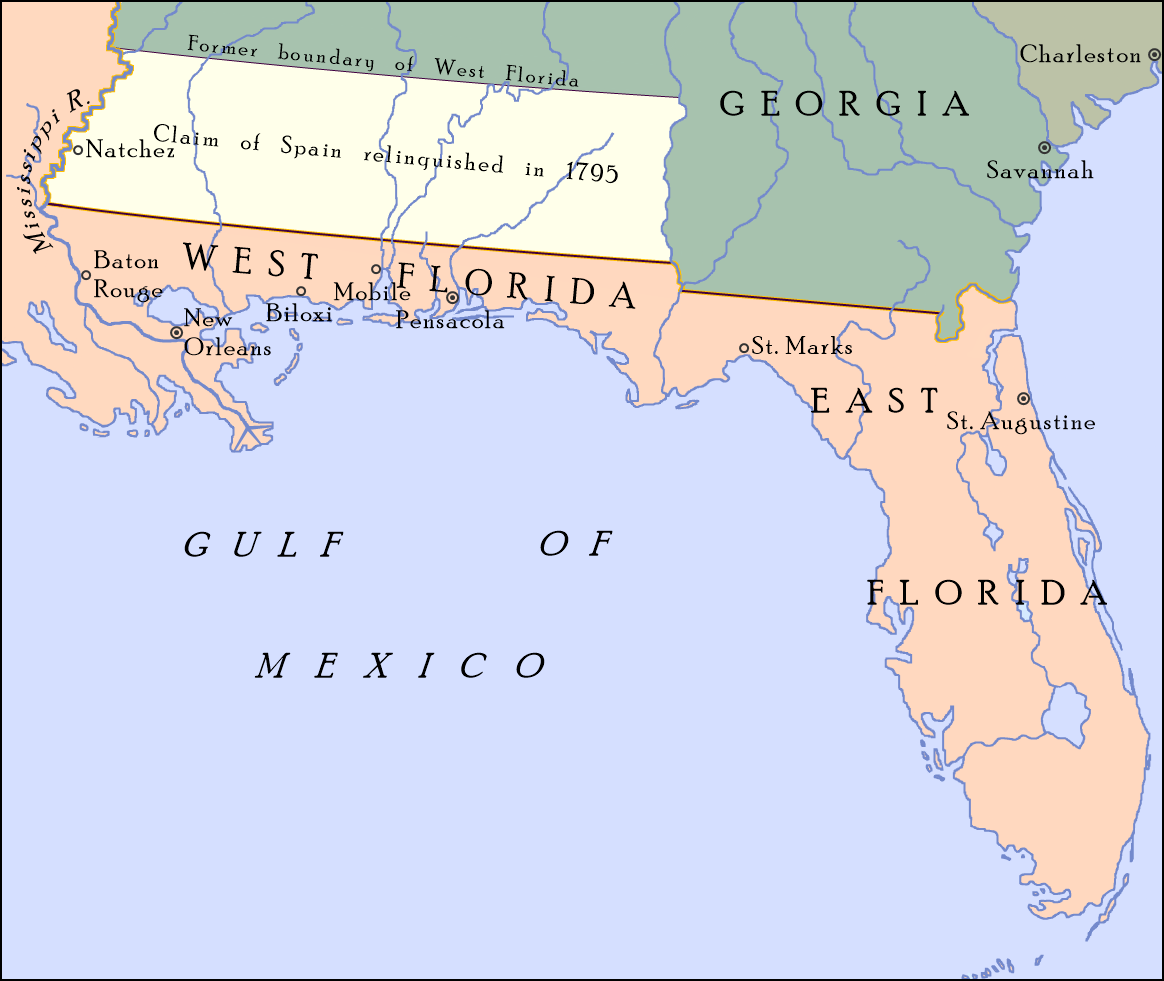
As well as the issue of debt and high inflation, the 1780s were a period of exceptionally high population growth. This increased wealth and the pressure to expand. Not only did this increase the attacks on Indigenous tribes but it raised the prospect of conflict with Spain, whose lands in Florida and Louisiana restricted westward expansion. There was also the problem of Canada, where Britain was slow to evacuate territory ceded in the Treaty of Paris 1783 (see map on page 3). To meet the challenges of westward expansion and to ensure that there would be law and order and an orderly settlement of new territory, a strong overall government was needed. But this had not emerged. In order to meet possible clashes with European powers, two of which still had substantial territories in North America – Britain and Spain – a strong army and a national government able to conduct negotiations from a position of strength would be necessary, but neither existed in 1783.
Differences between North and South
There were considerable challenges and not least was that of actually keeping the new United States together. The divisions between the colonies had been apparent during the war. The slave economy of the South was developing differently from the trading and mixed farming economy of the North. A shared puritan heritage might have easily led to a separate New England state. There was no guarantee in 1783 that westward expansion would lead to the creation of new states that would join the USA. The southern colonies had been deeply divided in the war and its plantation economy and extensive use of enslaved peoples might have resulted in a separate southern union.
Uncertainty
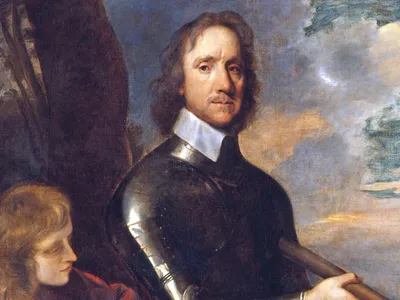
There was also no certainty that the republican form of government would survive. To counteract the more democratic state assemblies, some conservatives talked of a restored monarchy. In the past, weak republics had fallen prey to military dictators – for example, Oliver Cromwell in Britain. The republic of ancient Rome, too, had not lasted and Rome had come under the control of emperors. The vision held by the Federalists was of a strong republic leading expansion into the new lands supported by a strong government for the whole nation. There would be a real balance of power between the different elements – the states, the national legislature and a new national executive, and the judiciary. This would keep a balance between liberty and order. It would allow for the new state to have sound finance, to protect property. It would be dominated by wise, educated and enlightened governors, and keep the ideals of the Revolution. However, this vision did not seem to be the likely outcome of the Revolution at the end of the war.
Key Term:
Judiciary (or judicial branch)
System of courts that defends, interprets and applies the law.
The Failures of the Articles of Confederation
How well did the Articles of Confederation (1781-1789) deal with the political problems of the 1780s?
The USA was governed by the terms of the Articles of Confederation from 1781 until 1789. It faced numerous problems. Its perceived failures to deal with these problems was to have major consequences.
Weak National Government
During the eight years the Confederation was in operation, the USA had only the semblance of a national government and at times not even that. Congress, in which each of the thirteen states had one vote, had some of the qualities of a national government, but it was in session only intermittingly and had no fixed address. It moved from Philadelphia in 1783 to Princeton, Annapolis and Trenton before settling in New York in 1785. Attendance at sessions was light. Once the Articles came into full effect in 1781, three executive departments were set up: foreign affairs, finance and war. The three departments functioned with varying degrees of success. Their main problem was that the Confederation government had no real power over the states or individuals within the states. Moreover, after independence, states attached less importance to national unity and became absorbed in their own affairs. Most ambitious politicians preferred to serve within their states rather than in Congress. Most decisions affecting the lives of Americans were made at state level, not by Congress.
The West
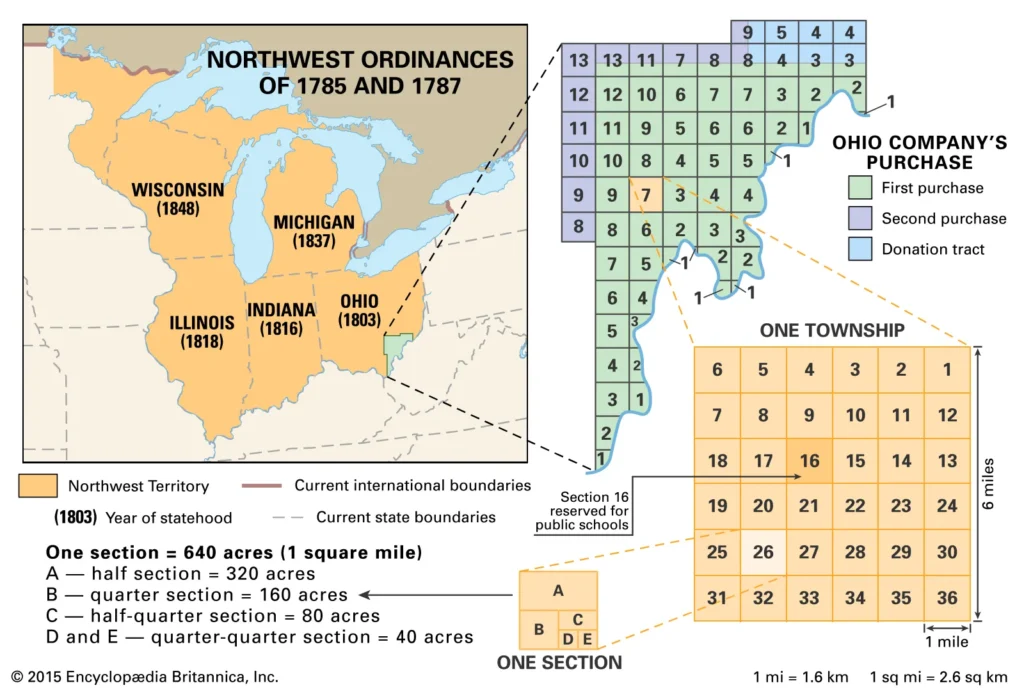
The Treaty of Paris gave America control over a huge area of the Great Lakes and the east of the Mississippi. The 1780s witnessed a flood of pioneers into the Western territories. By 1790 the population of Kentucky had risen to 73,677 and Tennessee’s reached 35,691. A coherent policy on western land distribution and territorial government was essential. American politicians, fearing that the new western territories might declare independence from the USA, realised the need for systems that would bind the western communities to the original 13 states. As early as 1779, Congress had resolved that the west would eventually be organised into new states, to be admitted to the Union as equals. The two laws outlined below are the most important:
The 1785 Land Ordinance
The 1785 Land Ordinance outlined a surveying system for the sale of Northwest Territory. Government surveyors would first divide land into six-square-mile townships. Each township was then divided into sections of one square mile . Four sections in every township were to be set aside as bounty land for ex-soldiers and one for the maintenance of schools. The rest of the land was to be sold at auction in 64-acre lots at not less than a dollar an acre. This provided a relatively quick and certain means of setting out lines, thus reducing the potential for disputes among land purchasers. This was the main source of revenue for Congress as it did not have the ability to control taxation.
The 1787 Northwest Ordinance
The Northwest Ordinance replaced the 1785 Land Ordinance and prescribed a set of procedures for organising and admitting to statehood new territories. It provided that during the initial phase of settlement a territory would not be selfgoverning but would have a governor and judges appointed by Congress. When the territory had 5000 adult male inhabitants, it could elect a legislature with limited powers. It could also elect non-voting representatives to Congress. Finally, when its population reached 60,000, it could form a constitutional convention and apply to Congress for admission as a state on equal terms with existing states. This established the precedent that the USA could expand westward and admit new states, not just expand the states currently part of the USA.
How well did the Articles of Confederation (1781-1789) deal with the problems of foreign affairs in the 1780s?
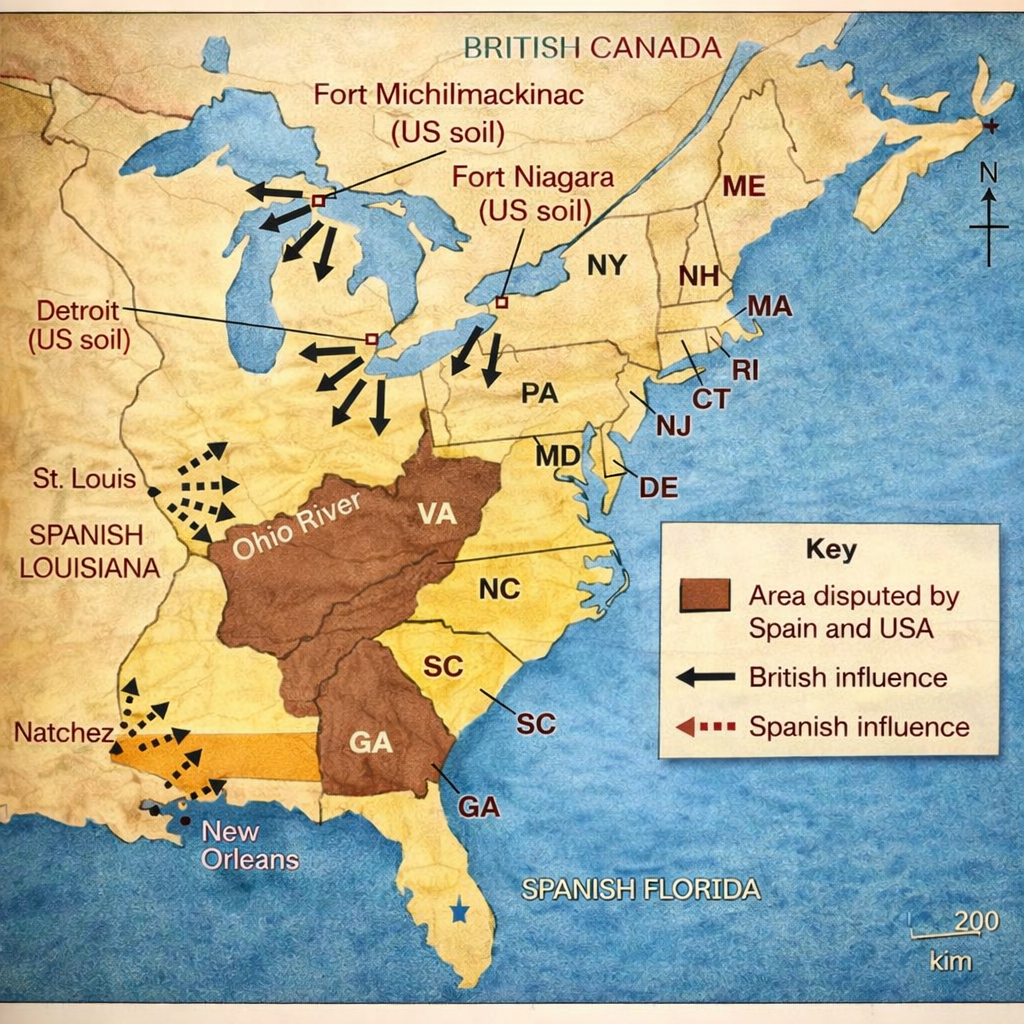
The weakness of the Confederation was demonstrated in foreign affairs, particularly with regard to Britain and Spain.
Relations with Britain
Despite promising in the Treaty of Paris to evacuate American soil ‘with all convenient speed’, Britain still clung to a number of frontier posts south of the Great Lakes in order to safeguard the fur trade and maintain contact with the northwest Native Americans. As a pretext for continuing to occupy the frontier posts, Britain cited the American failure to observe those clauses of the peace treaty concerning the repayment of pre-war debts and the restoration of loyalist property. Although Congress had urged the states to place no obstacle in the way of British merchants recovering pre-war debts, the states had ignored the advice. They had likewise turned a deaf ear when Congress ‘earnestly recommended’ the return of confiscated loyalist property. A government so obviously weak at home could scarcely command respect abroad. Thus, when John Adams was sent to London in 1785 with instructions to demand the evacuation of the frontier posts and seek a commercial treaty, he was rejected. Britain claimed there was little point negotiating with the federal government since Congress was unable to compel the states to implement its treaties.
Relations with Spain
Spain, like Britain, opposed American westward expansion. Strengthening its ties with southwest Native Americans, Spain schemed to create a Native American buffer state to protect its own possessions. Spanish control of the Mississippi River – the strategic key to the entire area south of the Great Lakes – was a huge advantage. In 1784, Spain seized Natchez on the eastern bank of the Mississippi and closed the river to American navigation, thus depriving western settlers of a vital outlet for their goods. Some American leaders feared that settlers in Tennessee and Kentucky might transfer their allegiance to Spain.
In 1786 Foreign Secretary John Jay initiated a treaty with Spain whereby in return for limited access to Spanish markets, the USA agreed to give up for 25 years the right to use the Mississippi. However, with five southern states opposed, the treaty could not be ratified by the required nine. Westerners were furious at Jay’s willingness to sacrifice their interests to those of Eastern merchants. Some talked of setting up an independent Western Republic under Spanish protection.

How well did the Articles of Confederation (1781-1789) deal with the economic and financial problems of the 1780s?
Economic Problems – state of the US economy in general
The American economy suffered considerably from the destruction of war and the separation from Britain. Economic difficulties were compounded by imports of large quantities of British goods after 1783. Between 1784 and 1786, the USA imported from Britain goods worth over £7.5 million, selling less than one-third of that in return. American debt and the flow of specie (gold or coined money) outside the country to meet the trade deficit helped to depress trade and to slow economic recovery. To many at the time, the economic situation looked bleak: prices were depressed, private and public indebtedness was heavy, and trade regulation was chaotic.
The fact that control over commercial matters was retained by individual states weakened by the USA’s bargaining position. When Massachusetts tried to prevent the dumping of British goods in America, New Hampshire eagerly absorbed them. After 1784 there were increasing demands that the Articles should be amended to allow Congress to regulate both international and American trade. The proposal aroused considerable intersectional rivalry since each area had different interests. The mercantile and industrial interests of New England and the Middle States wanted a protective tariff against British competition. In contrast, southern states, as exporters of agricultural products, preferred free trade.
However, all was not doom and gloom on the economic front:
- The US population grew from 2.75 million in 1780 to 4 million in 1790.
- The prospect of western expansion was a great bonus.
- There were new markets available in Europe and the Far East.
- Many of the British trading restrictions could be evaded, especially by Americans trading in the West Indies.
- Barriers to interstate trade were dismantled during the 1780s.
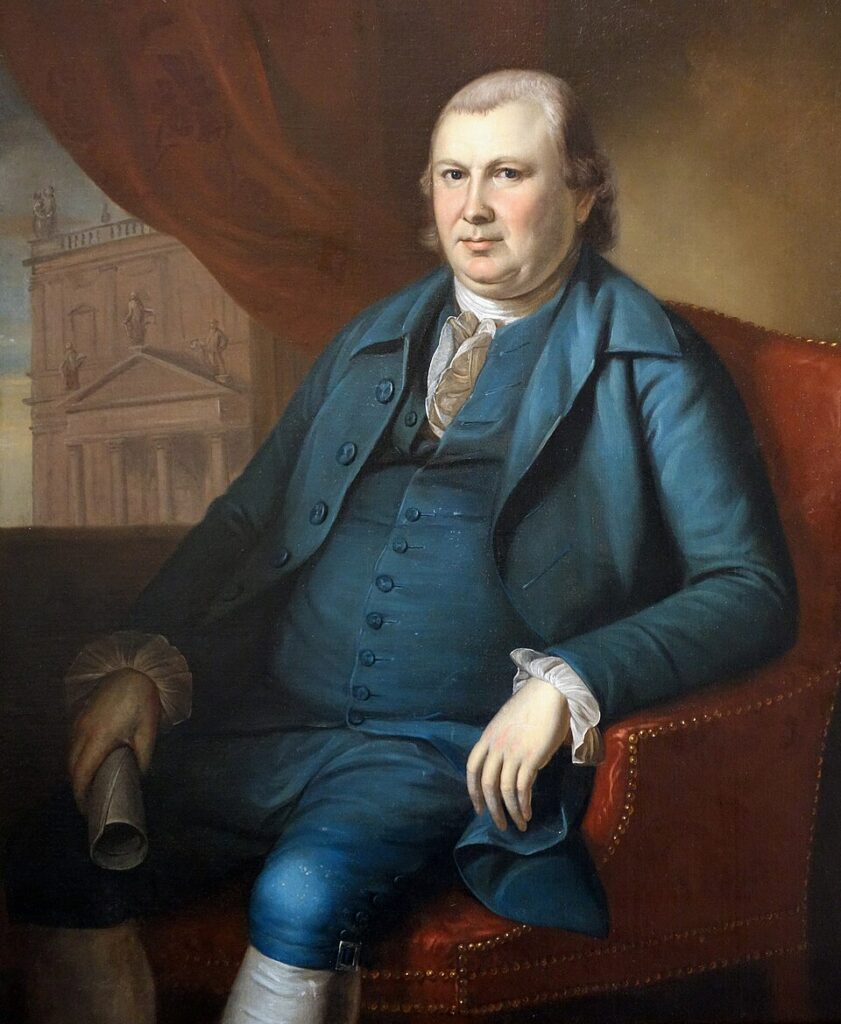
English- Born, Morris became a successful merchant in Pennsylvania. He sat in the Second Continental Congress where he was influential in providing supplies to the Continental Army. From 1781 to 1784 he served as superintendent of finance. Frustrated by the weakness of the Articles of Confederation , he resigned in 1784.
Financial Problems – how money was arranged and administered
The Confederation inherited serious financial problems. Including a nearly worthless currency and huge debts. In 1783 the national debt stood at a massive $41 million: the foreign debt – the Netherlands, France and Spain = comprised nearly $8 million and domestic debt the remaining $33 million. The debt was one problem. Paying the interest on it – about $2.4 million per year – was another.
The fact that the government was unable to pay its soldiers was particularly serious. Over the winter of 1782-1783 army officers met at Newburgh, New York, and pressed hard for back pay and half-pay pensions. The possibility of a coup was defused only by George Washington’s use of his considerable authority. But, in June 1783, dissatisfied soldiers surrounded the Pennsylvania State House, forcing a humiliated Congress to abandon Philadelphia and flee to Princeton.
Bankruptcy was averted only through the dexterity and wealth of Robert Morris, appointed superintendent of finance in 1781. A Philadelphia merchant who had made huge profits during the war, Morris used some of his own money to meet expenses. Keen to develop a sound financial programme, Morris believed that it was essential to create a strong national government with powers to do the following:
- Set up a national bank
- Secure control of the public debt (instead of parcelling it out to the individual states)
- Levy import duties.
The Bank of America
Morris hoped that his privately financed Bank of North America would become a national bank (like the Bank of England), servicing the outstanding loan obligations of the government and affording it credit. His hopes soon collapsed. The government severed connection with the bank in 1784.
The Public debt
Morris wanted the national government to secure control of the public debt so that it would then have to be given taxing power to raise money . He was to be disappointed. The states preferred to assume responsibility for servicing directly that part of the debt held by their own citizens instead of responding to congressional requisitions for the same purpose. Thus, by 1786 the states had incorporated a large part of the national debt into their state debts. This was a blow to the status of Congress and meant that it had little justification seeking enlarged financial powers.
Import duties
Morris supported efforts to amend the Articles so as to give Congress authority to levy a five per cent duty on all imports. The necessary unanimity, however, proved unattainable.
The situation by 1787
A disappointed Morris resigned in 1784. The financial situation remained serious. By 1786 Congress had levied over $15 million in requisitions from states but only $2.5 million had been paid. The states which failed to meet their obligations could not be compelled to do so. The only major source of independent income for the national government was the sale of western lands, but this developed slowly, yielding only $760,000 before 1788. Consequently, there was still an immense overseas debt and Congress lacked the sufficient revenue to pay the interest, let alone the debt itself.
How did financial problems lead to social tension?
Creditors vs Debtors
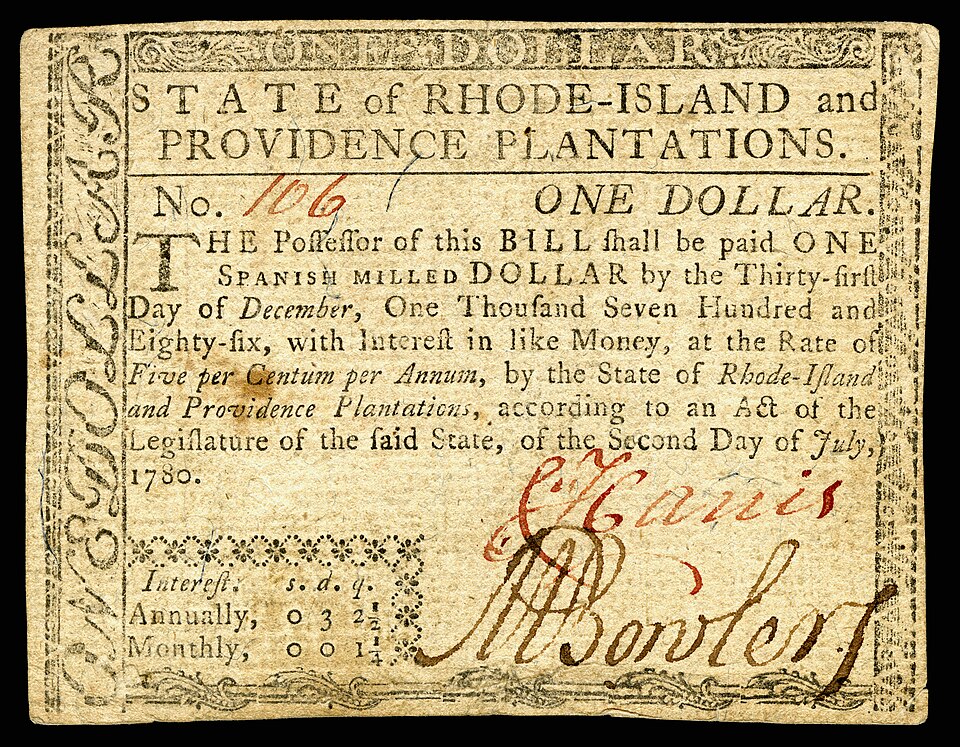
As well as the federal government dealing with financial problems, state governments faced similar issues. In an effort to reduce their war debts, the states imposed heavy taxes. Those in debt were particularly hard hit by the financial situation. By 1783, the paper continental currency had ceased to circulate and some states stopped issuing paper currency. Lacking the specie necessary to pay their taxes and meet their debts, debtors demanded an increase in paper money. Most creditors opposed this, contending that paper money would simply lead to inflation and economic instability.
By the late 1780s it seemed the debtors were winning political control. In 1787 seven states were issuing paper money. Rhode Island not only made paper money legal tender but compelled creditors to accept it. The value of Rhode Island paper money depreciated sharply and creditors fled the state to avoid having to accept it. For conservatives, Rhode Island was a horrifying symbol – an attack on private property. The experiment in republican government seemed to have given way to anarchy.
Social Tensions
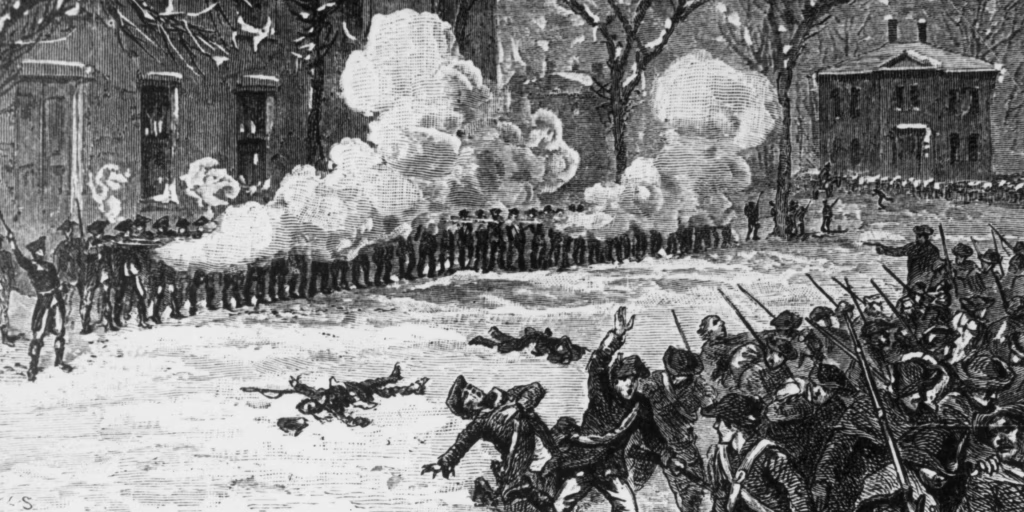
The financial problems of the 1780s resulted in social tensions and disturbances. In September 1786, the governor of New Hampshire called out 2000 militiamen to disperse several hundred farmers threatening the legislative assembly after it reneged on a promise to issue paper money. There were similar disturbances by angry farmers in Vermont, Pennsylvania, New York and Virginia.
Shays’ Rebellion
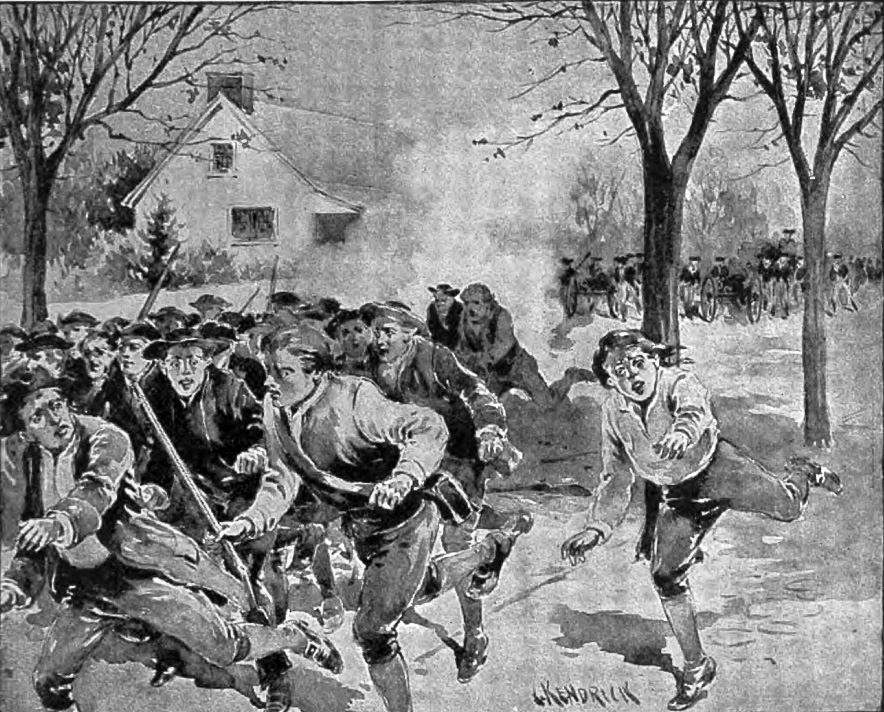
The most serious trouble arose in Massachusetts. The Massachusetts state legislature, controlled by men from the commercially oriented eastern counties, rejected the demand for paper money and insisted that taxes be paid in scarce specie. Many farmers, unable to pay the taxes, lost their land; some were imprisoned. By the summer of 1786 western Massachusetts was seething with discontent. When the state legislature adjourned without heeding the farmers’ demands for paper money, riotous mobs roamed from place to place, preventing the courts from hearing debt cases. By the autumn, the malcontents had found a leader in Daniel Shays, a bankrupt farmer who had been a captain in the war. In January 1787 Shays led several hundred men toward the federal arsenal at Springfield. The rebels were easily dispersed by the 1000 militiamen led by Benjamin Lincoln and by February the insurgency had been put down. Nevertheless, Shays’ Rebellion alarmed conservatives throughout the country. Again it seemed that anarchy loomed. In conjunction with the paper money issue in Rhode Island, Shays’ Rebellion gave a crucial impetus to the movement to strengthen the national government’s power.
Building the New Republic
Why did many Americans wish to strengthen the national government?
By the mid-1780s many Americans (like George Washington) were dissatisfied with the Articles of confederation:
- Many were appalled by the powerlessness of the national government in foreign affairs and commercial matters.
- Creditors wanted a national government that would put a stop to what they saw as the irresponsible legislation of states that issued paper money.
- There was a general fear that the Articles’ weakness would result in disintegration and chaos.
American nationalism
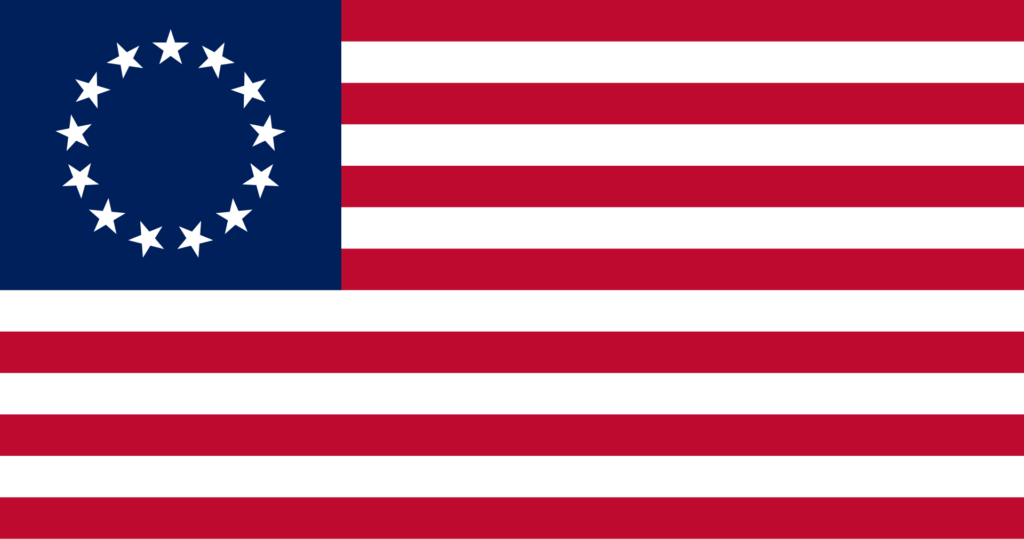
While most Americans were primarily loyal to their states, there were distinct signs of growing national consciousness. The struggle for independence had increased the sense of being American. The war, besides mixing men from different states in the Continental army, had produced a crop of national heroes (for example, George Washington) and national shrines (for example, Bunker Hill). National symbols appeared in profusion:
- Congress adopted the Stars and Stripes as the national flag in 1777
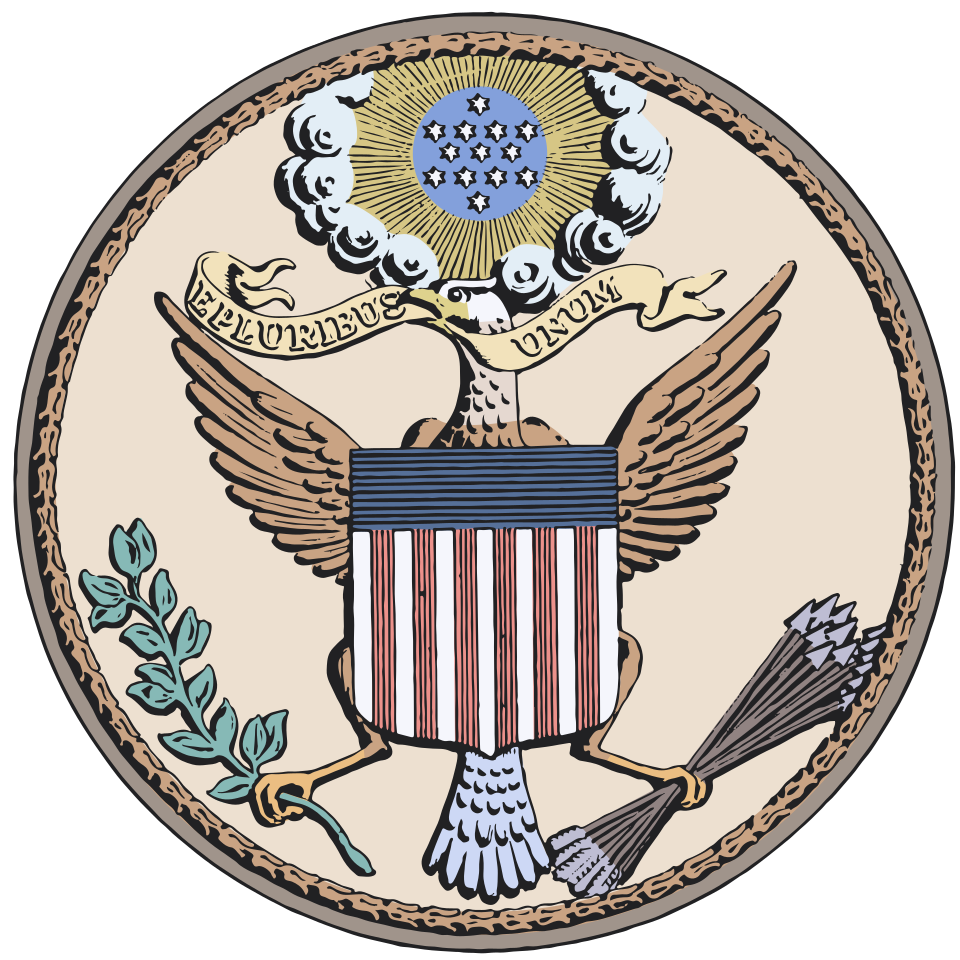
- The bald eagle took its place on the Great Seal of the USA in 1782. (Benjamin Franklin, thinking the eagle a bird of bad moral character, would have preferred the turkey as America’s emblem.)
Nationalism inspired the political leaders who led the movement for constitutional reform. Men like Alexander Hamilton, James Madison and George Washington wanted a unified republic that would command the respect of the world – a truly national society in which local and state attachments were subordinate to American loyalties.
Conservative nationalism
Most of the nationalist leaders were men of substance. Some were horrified by the type of men who now occupied so many seats in the state legislatures and even more horrified by what they considered to be the low standards of the consequent legislation. Nevertheless, the nationalists were far from crude reactionaries- – as some historians have suggested. They supported much of the revolution’s central ideology, including popular sovereignty. But they lacked faith in the ability of the common people to exercise careful judgement and abhorred what they saw as democratic excesses in state government. They favoured the creation of a strong national government whose power was vested in the hands of the wealthy and well educated.
Support for the Articles of Confederation
The view that the USA was falling apart was not shared by all Americans. Some believed the Confederation was working reasonably well:
- Americans had gained independence under the Articles.
- State governments were more responsive to people’s demands than ever before.
- A stronger central government might replicate the British government.
- Most Americans equated a high degree of local self-government with the preservation and enjoyment of personal liberty.
- Most state governments muddled along competently enough by eighteenth-century standards.
However, there were too many forces working against the Confederation to prevent the events leading up to the Philadelphia Convention of 1787.
Interstate disharmony
Although state boundary disputes, jurisdictional rivalry and western issues were mostly resolved by 1787, sectional animosity remained a problem, particularly in relation to the levying of tariff duties. From 1782 to 1785 all the states except New Jersey placed duties on imports, affecting both interstate and foreign commerce, for the purpose of raising revenue. By 1786 the New England states, New York and Pennsylvania had increased import duties to make them protective. States put their own interests first: some imposed higher tariffs than others against foreign – especially British – goods.
Virginia and Maryland Agreement
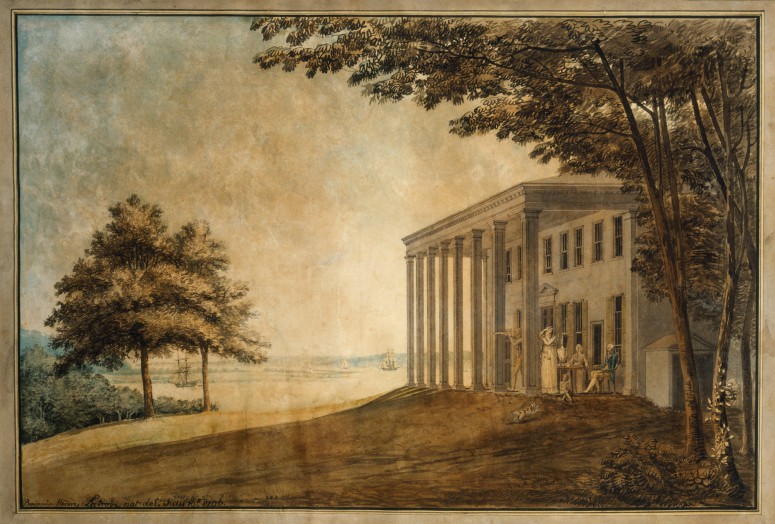
The immediate origins of the Constitutional Convention lay in a dispute between Virginia and Maryland over navigation on the Potomac River. Such interstate disagreements were not uncommon during the 1780s, and the national government was largely powerless to act as an arbitrator in them. In 1784, James Madison proposed that commissioners from the two states meet to negotiate a solution. Meeting at Washington’s Mount Vernon estate in 1785, the delegates quickly reached an agreement on the navigational issues. They then went beyond their brief and suggested that their states should cooperate on financial and customs policy, and recommended that an appeal should be made to Pennsylvania to join in future deliberations on matters of common interest. Madison, who had served in Congress and witnessed its ineffectiveness first-hand, saw an opportunity in interstate cooperation for constitutional reform. In the wake of the Mount Vernon meeting, he proposed a resolution to the Virginia assembly for a national convention to discuss commercial regulations.
The Annapolis Meeting
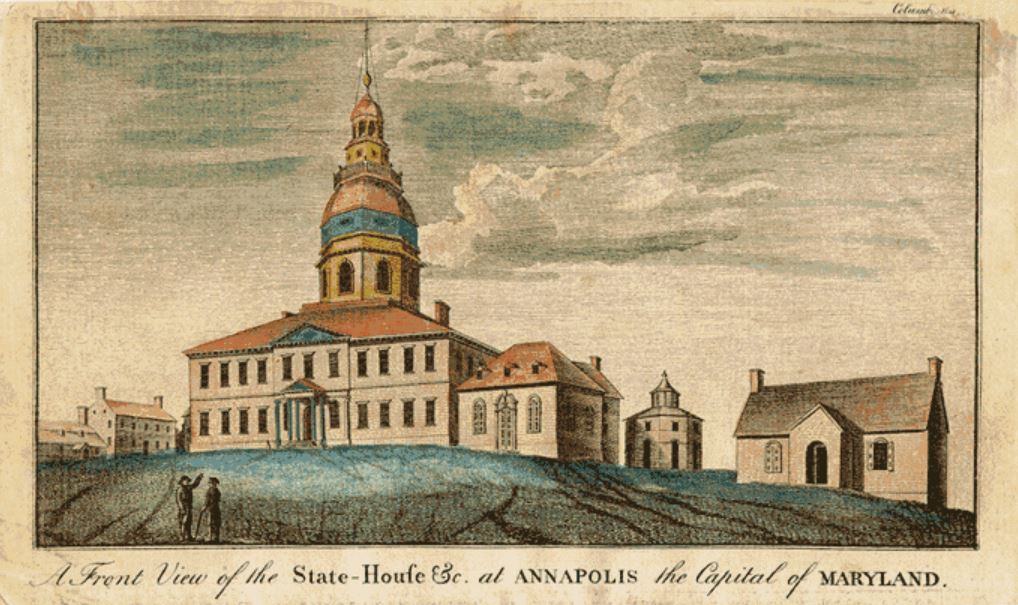
Madison’s resolution had effect. In September 1786 twelve men, representing five states (New York, New Jersey, Pennsylvania, Delaware and Virginia) met in Annapolis to discuss commercial problems. A meeting of such an unrepresentative body could not propose reforms, commercial or otherwise, to the nation with any credibility. But the Annapolis meeting brought together men from different states who agreed on the need for constitutional change. Most, like Madison, realised that it was impractical to hope for amendments to the Articles by congressional action. The Articles could be amended only with the unanimous agreement of all thirteen states – an unlikely event. The meeting thus proposed that a convention of all the states should be held in Philadelphia in 1787 to redraft the Articles of Confederation
Congress was not at first enthusiastic, but after the shock of Shays’ Rebellion it called on the states in February 1787 to send delegates to a convention in Philadelphia in May ‘for the sole and express purpose of revising the Articles of Confederation.
What were the aims of the Founding Fathers at the Philadelphia Convention and how successful were they in realising them?
Thomas Jefferson described the Constitutional Convention that met in Philadelphia in May 1787 as ‘an assembly of demi-gods’. Many historians have agreed. The Convention delegates (the Founding Fathers) have been seen as intervening at a crucial moment to save the revolution. Their masterpiece – the Constitution – is seen as relaunching the republic and laying the foundation of all that followed. However, there are scholars who view the Convention as a meeting of self-interested elitists who sought – successfully – to undermine the revolution’s democratic principles.
The influence of James Madison
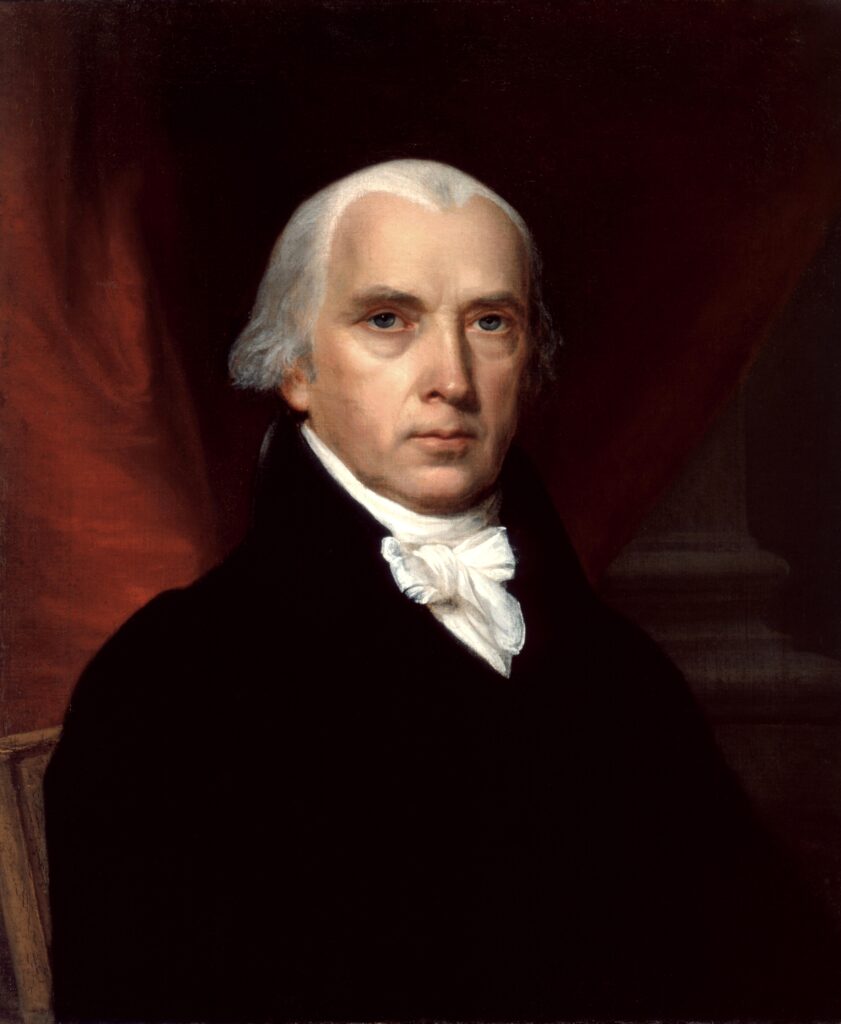
The Constitutional Convention was scheduled to begin its deliberations on 17 May 1787. But when the appointed day arrived, the delegations of only Pennsylvania (the hosts) and Virginia were present. Poor weather and poorer roads delayed the arrival of other delegates. The Virginian delegation contained two key men: George Washington and James Madison. The presence of Washington, the most famous and respected American, would lend credibility to the convention. But Madison was to have a greater impact at the Convention than Washington. Determined to strengthen the national government, he came to Philadelphia with a clear idea of what the thought needed to be done. In a lengthy memorandum, ‘The Vices of the Political System of the United States’, written in April 1787, Madison outlined the need for a powerful national republic with a centralised government. He circulated the memorandum among the delegates. By the time the Convention opened, he was ready to dominate its opening stages.
The Delegates
By 25 May, 29 delegates from seven states had arrived and the Convention, meeting a in the Philadelphia State House, began its work. Over the next few weeks a further 26 delegates straggled in. Every state was represented except Rhode Island, which declined to participate. The 55 delegates brought a broad range of experience in public service:
- All had held public office.
- Forty-two had served in the Continental or Confederation Congresses.
- Three were present and four were former governors of their states.
- Twenty had helped to draft their states’ constitutions.
The Convention was a remarkably talented group – even if it lacked the abilities of Thomas Jefferson and John Adams, who were serving as envoys to France and Britain, respectively. With an average age of forty-two, the delegates were relatively youthful: thirty had fought in the War of Independence, thirty-four had legal training, twenty-six were college graduates; nineteen were slave owners. The fact that there were no black people, Native Americans, women or ‘poor’ was hardly surprising. By law and custom, these groups were outside the recognised polity in eighteenth-century America. Small farmers, artisans and westerners, who had won an increased voice in politics since the 1760s, could not afford the time to attend.
The principles of the Founding Fathers
There was no great ideological rift between the delegates. Virtually all agreed on the necessity to strengthen the central government. But few wished to centralise power to the extent of abolishing state sovereignty altogether. There was general agreement on the need for balanced government. No one branch of government – executive, legislative or judiciary – should be allowed to monopolise power. Most delegates distrusted democracy, believing that government should be in the hands of men with experience and standing, Nevertheless, virtually all accepted that the people must have a voice in government.
Despite a large measure of agreement on principles, there was no unanimity on details:
- While the delegates accepted the need to extend the federal government’s power, they disagreed as to how powerful it should be.
- They disagreed about whether the legislature should consist of one house or two.
- Representation was the most contentious issue. Should all the states be equally represented in the federal legislature, irrespective of size, as was the case under the Articles? Or should representation be based on population, an arrangement which would give Virginia, with 747,000 people (of whom 300,000 were slaves), twelve times as many representatives as Delaware, which had only 60,000?
The Key Men
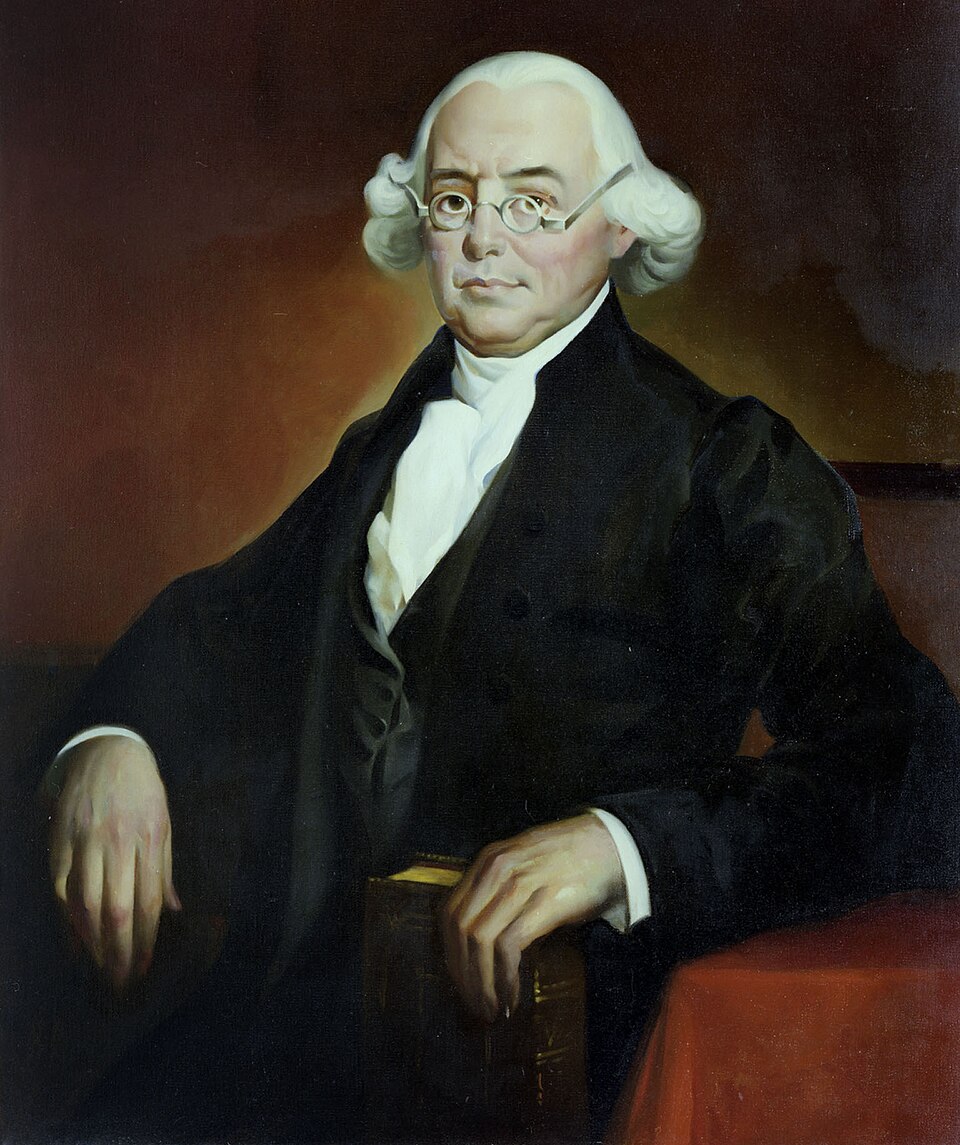
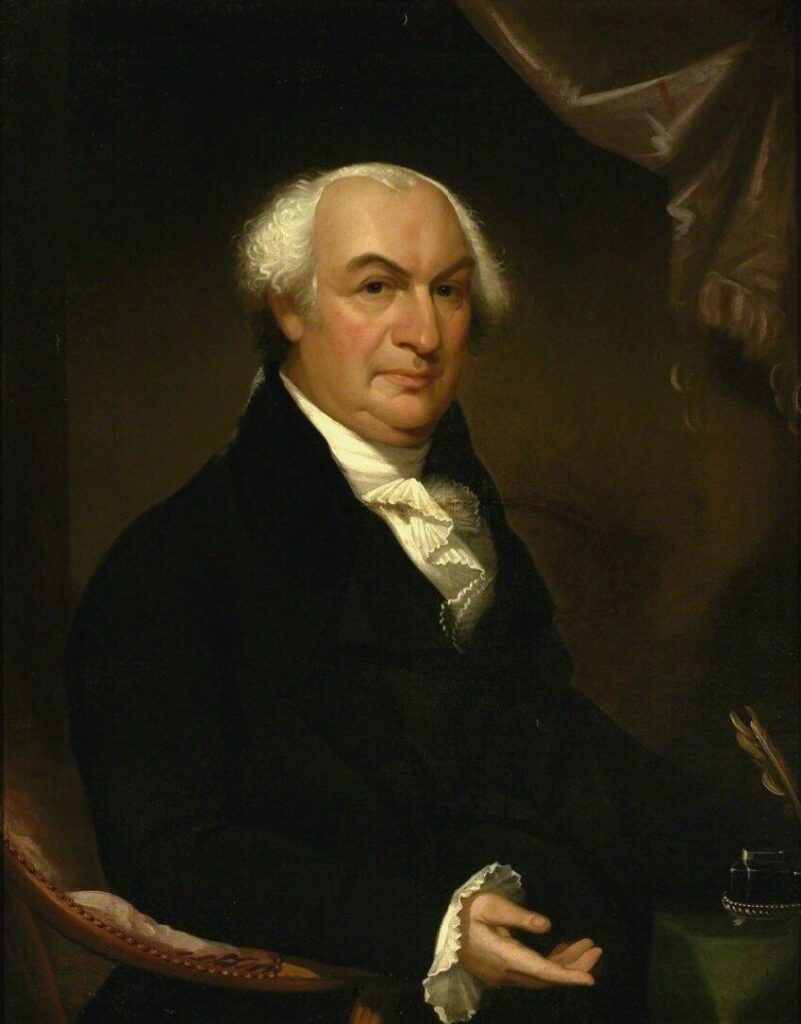
Apart from James Madison (who spoke 161 times), other key delegates were the Pennsylvanians James Wilson (who spoke 168 times) and Gouverneur Morris (who spoke 163 times). Wilson, who had been born in Scotland, was a successful lawyer. Gouverneur Morris, with a crippled arm and only one leg, was far more vocal than his namesake Robert Morris (ex-superintendent of finance), another of the Pennsylvania delegates. The presence of George Washington and Benjamin Franklin was crucial. Although they rarely spoke, the mere fact that they were present gave the Convention prestige. Washington was unanimously chosen to preside over proceedings.
Economic motivation
In the early twentieth-century , historian Charles Beard depicted the Founding Fathers as reactionaries whose aim was to destroy popular rule. According to Beard, they had considerable investments in certificates of public credit (printed statements recognising that the holders were owed money by the government). They thus stood to gain economically if a strong central government was established. Beard argued that the debate over the Constitution centred on rivalry between the holders of personal property (money, public securities, manufacturing, trade and shipping) and real property (land). By the mid-twentieth century Beard’s thesis had been generally accepted. However, historians Robert Brown and Forrest McDonald (1965) showed that Beard’s research was sloppy. In reality, the Founding Fathers’ capital was largely invested in land, not public securities. Perversely, some of the largest holders of certificates of public credit voted against the proposed Constitution. No one doubts that the Founding Fathers represented the richest groups in the USA or that they were determined to construct a system that would ensure that their wealth was protected. However, economic interest did not determine the framing of the constitution. The Founding Fathers were men of ideas and principles. Most believed that the survival of liberty was at state. Most were also convinced that excessive democracy was as dangerous as the monarchical tyranny from which the Americans had just freed themselves.
The Virginia Plan
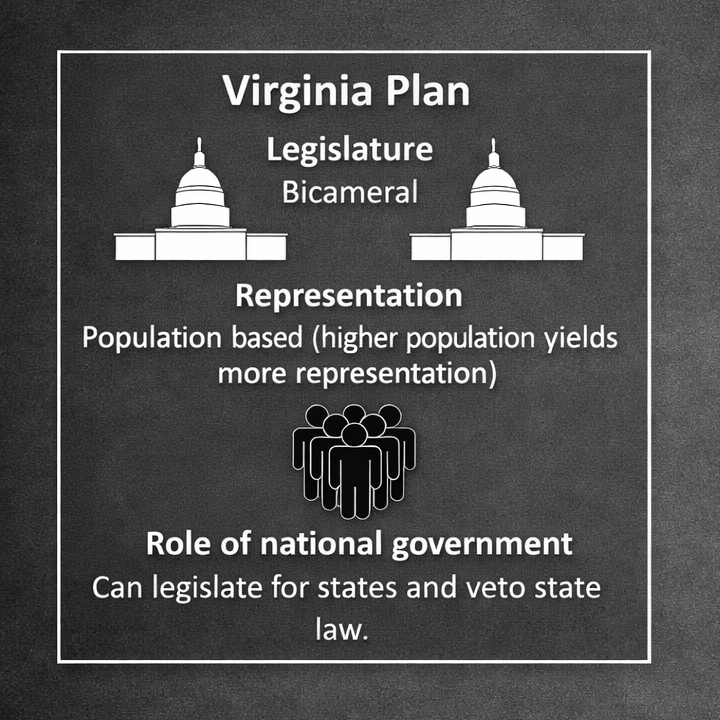
The Convention’s first step was to consider a draft constitution, introduced on 29 May. Largely the work of Madison, the Virginia Plan provided for a national legislature of two houses, in each of which representation was to be proportionate to the population. The first house of the legislature would be directly elected by the voters. The members of the second house would be elected from among those of the first. The legislature was to have wide powers: it was to elect both the executive and the judiciary. The states would be reduced to little more than administrative units since the central government was to have the power to veto acts of state legislatures. Given that the Virginia Plan was the first proposal put before the Convention, it set the agenda. For the rest of the summer the delegates debated and amended it. Although significant changes were made to it, it remained at the centre of the Convention’s deliberations.
The New Jersey Plan
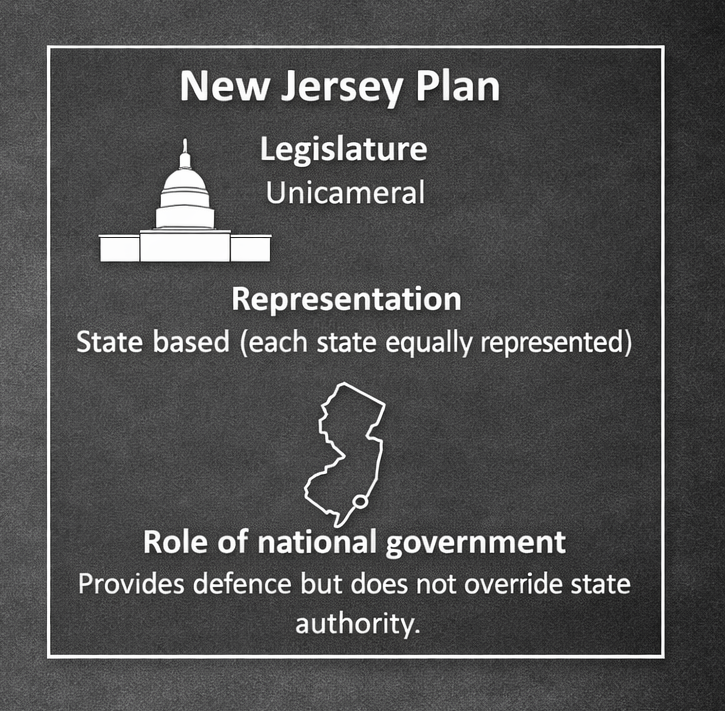
Although pleasant to the larger states, the Virginia Plan was bitterly opposed by the smaller ones (whose representatives would easily be outvoted by those of the larger states), as well as by delegates who objected to the amount of power which would be concentrated in Congress. In an effort to preserve the interests of the smaller states, William Patterson (from New Jersey) presented an alternative scheme (on 15 June) providing for a single legislative chamber, in which each state would have one vote. The New Jersey Plan envisaged merely the amendment of the Articles. Although, Congress was to be given enlarged powers, including authority to tax and to regulate commerce, state sovereignty would be largely preserved. Although the Convention rejected the New Jersey Plan on 19 June (by seven states to three), the issue of representation in the national legislature went unresolved. For the next fortnight the issue was debated with increasing acrimony. A Grand Committee, with one delegate from each state, was finally appointed (2 July) to work out a compromise.
The Great Compromise
The Grand Committee’s report is referred to as the Great Compromise. All the states, whatever their population, would have equal representation in the upper house (the Senate). However, the lower house (the House of Representatives) would have proportional representation; larger states would have more representatives. Representation and direct taxation would be distributed according to the results of regular censuses. The Great Compromise was accepted on 16 July, after a fierce debate.
North vs South
The issue of slavery representation divided northern and southern delegates. Southern states wanted slaves to be included in the population total when allotting congressional seats, but left out in determining liability for direct taxation. Northern states, by contrast, wanted slaves excluded from representation, since they were neither citizens nor voters, but included for tax purposes since they were a form of property. The Convention eventually accepted the formula whereby a slave was counted as three-fifths of a person for the purposes of both representation and direct taxation.
Continued debate
The Convention adjourned on 26th July. A Committee of Detail was charged with producing a draft constitution, making sense of the various recommendations and amendments to the Virginia Plan made over the previous two months. The committee worked for ten days, fleshing out many of the Constitution’s features.
Debate on the report of the Committee of Detail occupied five weeks from 6 August to 10 September. During this debate, slavery re-emerged as an issue. The proposed Constitution prohibited Congress from banning the slave trade. Some northern delegates wanted to end the trade. Delegates from the Carolinas and Georgia, by contrast, insisted that their states would never accept the new Constitution if the right to import slaves was impaired. However, it was not simply a case of north vs south. Some northern delegates, more concerned with securing a constitutional settlement than they were with slavery, argued against interfering with the trade. Moreover, some southern delegates wanted to abolish the slave trade, as a shortage of slaves was likely to increase the value of their – excess – slaves. In late August, it was agreed that Congress would not have the authority to abolish the slave trade until 1808.
The Constitution Agreed
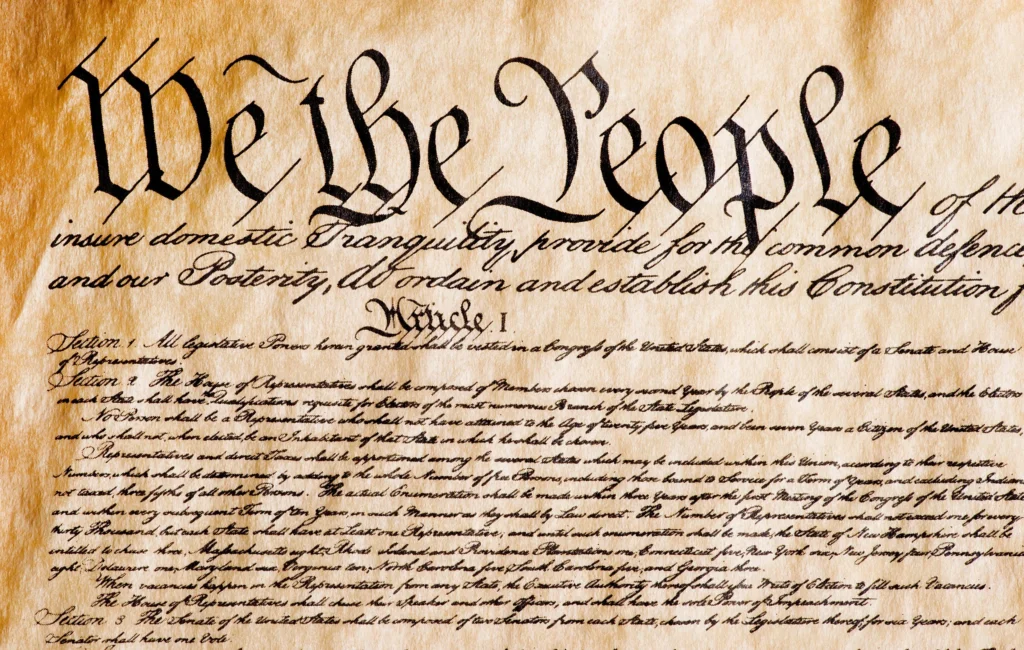
On 8 September a Committee of Style was appointed to tidy the draft Constitution into its final form. Most of the work was done by Gouverneur Morris. On 17 September, 39 of the remaining 42 delegates approved the Constitution
To what extent was the Constitution a bundle of compromises?
The Constitution proposed a division of authority among the executive, legislative, and judicial branches. The separation of powers was intended to permit the other two branches of government to check the third should it exceed its authority.
The powers of the federal and state governments
Federal Government
Authorised to:
- Maintain an army and navy; mint and borrow money
- Make treaties with foreign powers; collect taxes and regulate trade (additional powers)
The Constitution and all laws and treaties made under it were declared to be the supreme law of the land, superior to any state law.
Federal
government
The national government of the United States representing all thirteen states.
State Government
Specifically forbidden from waging war, engaging in diplomacy, coining money or laying duties on imports.
But retained considerable powers:
- The slavery issue was left to the states
- Each state could determine its own suffrage in elections to House of Representatives
- They could regulate their own intrastate or internal commerce.
State government
The government representing each individual state, e.g. the Massachusetts state government; the New York state government, etc.
Separation of federal powers outlined in the Constitution
The Federal Executive
Executive authority would be exercised by a president:
- He was to be commander-in-chief of the army and navy
- He could make important appointments, for example, judges and diplomats
- He could conclude treaties (in association with the Senate)
- His signature was required to make acts of Congress law
- He could veto acts of Congress (but the veto could be overridden by a two-thirds vote of both houses)
- He could be removed from office only on impeachment for and conviction of ‘high crimes and misdemeanours’
Presidents were to be elected for a four-year term by an Electoral College, to which each state was to send the same number of electors as it had Congressmen.
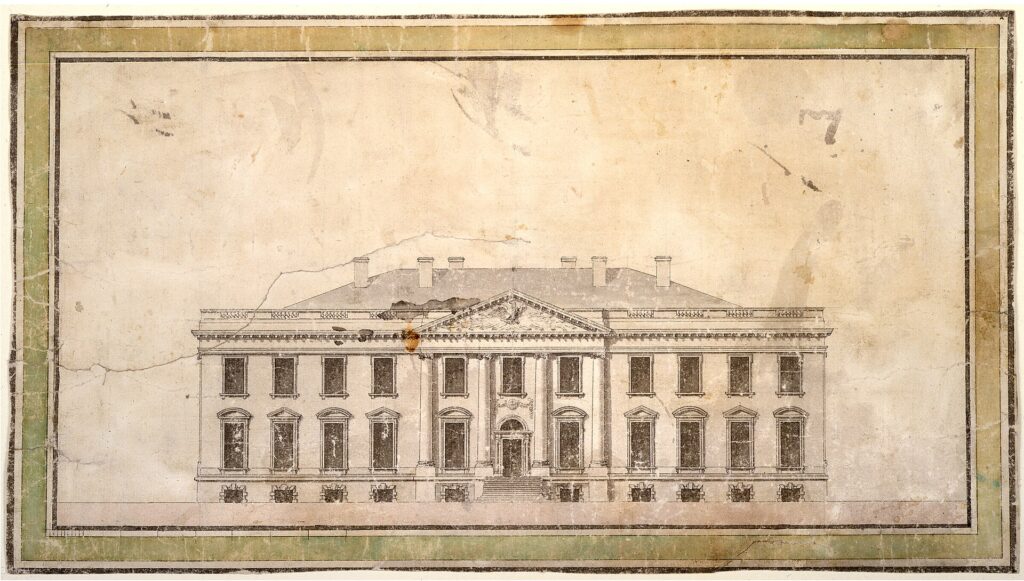
The Federal Legislature
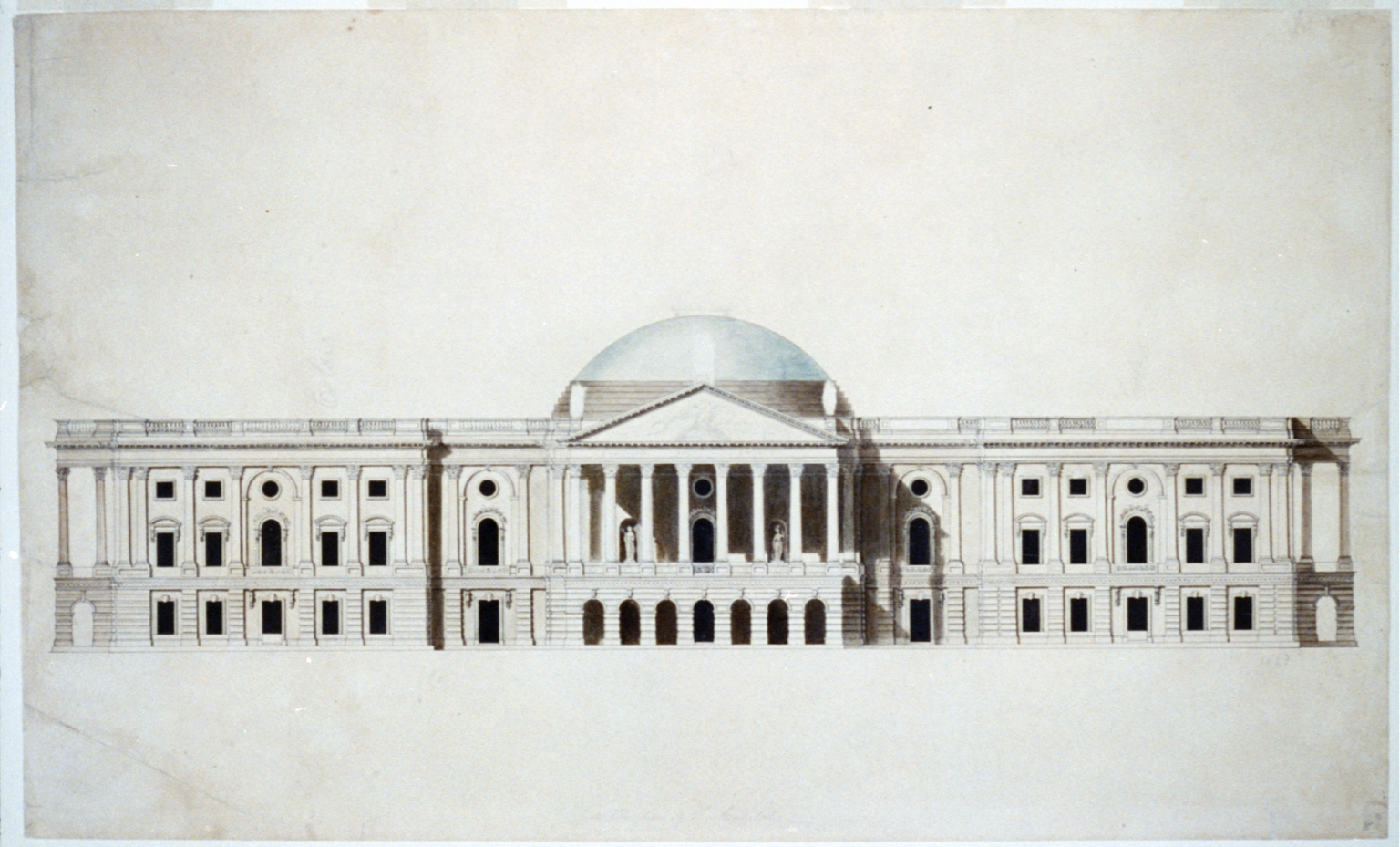
Congress was to comprise of the House of Representatives and the Senate:
- The House was elected directly by voters for a two-year term.
- The Senate comprised of two senators from each state and was elected by state legislatures. Senators were to serve for six years, one-third elected every two years.
- Congress had the power to raise money, make laws, declare war, ratify treaties (2/3 of Senate had to agree), impeach and (with a 2/3 majority) override president’s veto.
The Federal Judiciary
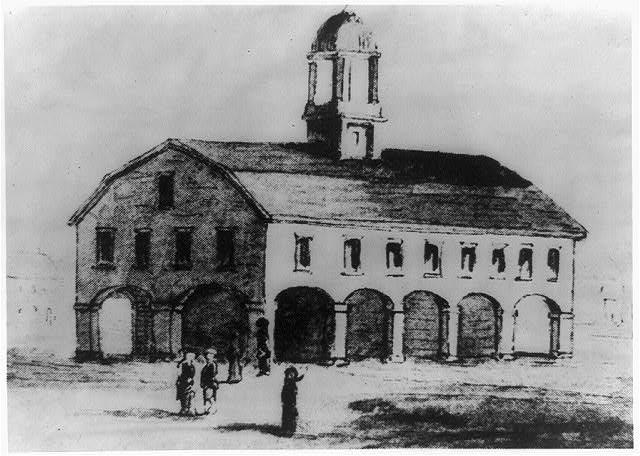
The Supreme Court of the United States is the only court specifically established by the Constitution of the United States, implemented in 1789; under the Judiciary Act of 1789, the Court was to be composed of six members. Although much was left vague, it was agreed that there should be:
- An independent national judiciary
- A Supreme Court – appointed by the president with the approval of the Senate
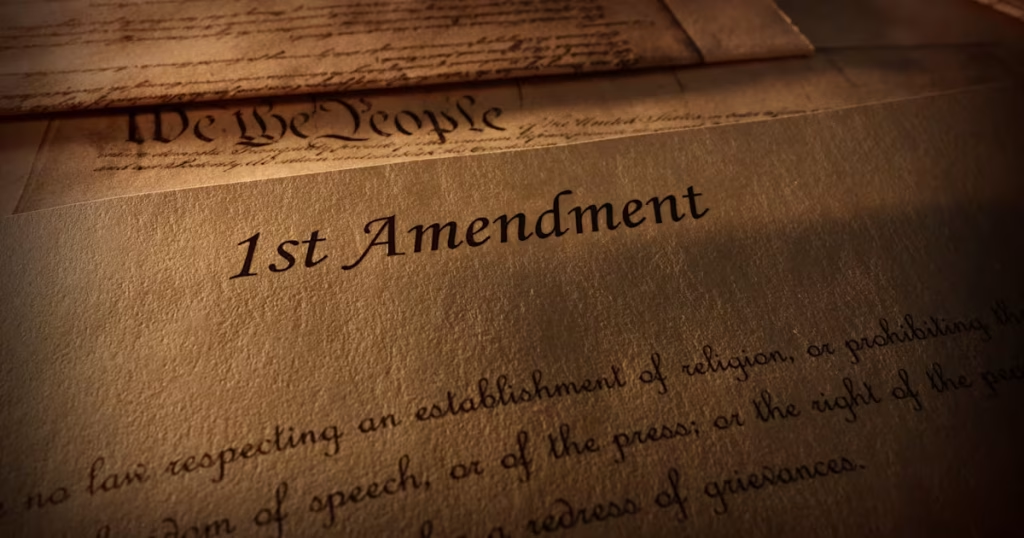
Key Term:
Amendment: A formal or official change added to a law, contract, constitution or any other legal document.
Amending the Constitution
The founders also specified a process by which the Constitution may be amended. In order to prevent arbitrary changes, the process for making amendments is quite difficult. An amendment may be proposed by a two-thirds vote of both Houses of Congress, or, if two-thirds of the States request one, by a convention called for that purpose. The amendment must then be ratified by three-fourths of the State legislatures, or three-fourths of conventions called in each State for ratification. In modern times, amendments have traditionally specified a time frame in which this must be accomplished, usually a period of several years. Additionally, the Constitution specifies that no amendment can deny a State equal representation in the Senate without that State’s consent.
Criticisms of the Constitution
A common view in 1787 – and one shared by historians since – was that the constitution represented a conservative backlash, curbing a growing democracy:
- The Electoral College would stand between the people and the president.
- Senators would owe their office to the state governments, not direct election.
- Six-year terms would give senators considerable immunity from popular pressure.
- The House of Representatives would represent constituencies as large as 30,000 people, half the population of Delaware.
- The two-year term of its deputies was twice as long as the terms of most state assemblymen.
Historians have attacked the Constitution for its defence of slavery (not changed until 1865). They have also criticised some of the Constitution’s ineffective provisions. The Electoral College has, on occasions, prevented the candidate with the most popular votes from becoming President. The need for a two-thirds approval of the Senate for treaties has handicapped the formulation and execution of foreign policy. It is also possible to claim that the system of checks and balances ensured that nothing much would ever get done. Historian Richard Hofstadter (1948) described the Constitution as a ‘harmonious system of mutual frustration’.
Much of the Constitution was written in general terms and many issues were left open. It was unclear, for example, whether the Constitution should be strictly constructed or more loosely interpreted. More importantly, the boundaries between federal and state power were far from sharply defined. Nor was it clear whether states could leave once they had joined. These questions would provide the staple of constitutional debate for decades to come and were not to be settled until the Civil War (1861-5), a war which cost 620,000 lives.
In practice, the Constitution did not operate as envisaged. The Founding Fathers’ model was parliamentary, not presidential, yet presidents – eventually – came to dominate the political scene. Although the Founding Fathers envisaged that both houses of Congress would be equal, within three generations the Senate, with its longer tenure, had become more powerful than the House. The power of the Supreme Court would also have surprised the Founding Fathers. Since the chief justiceship of John Marshall (1801-35), the Court has regularly pronounced on the validity of Acts of Congress. American political and social advance has thus often been determined more by the pronouncements of judges than by acts of Congress. The Constitution has 4000 words; the Supreme Court’s interpretations of it number over 450 volumes.
Praise for the Constitution
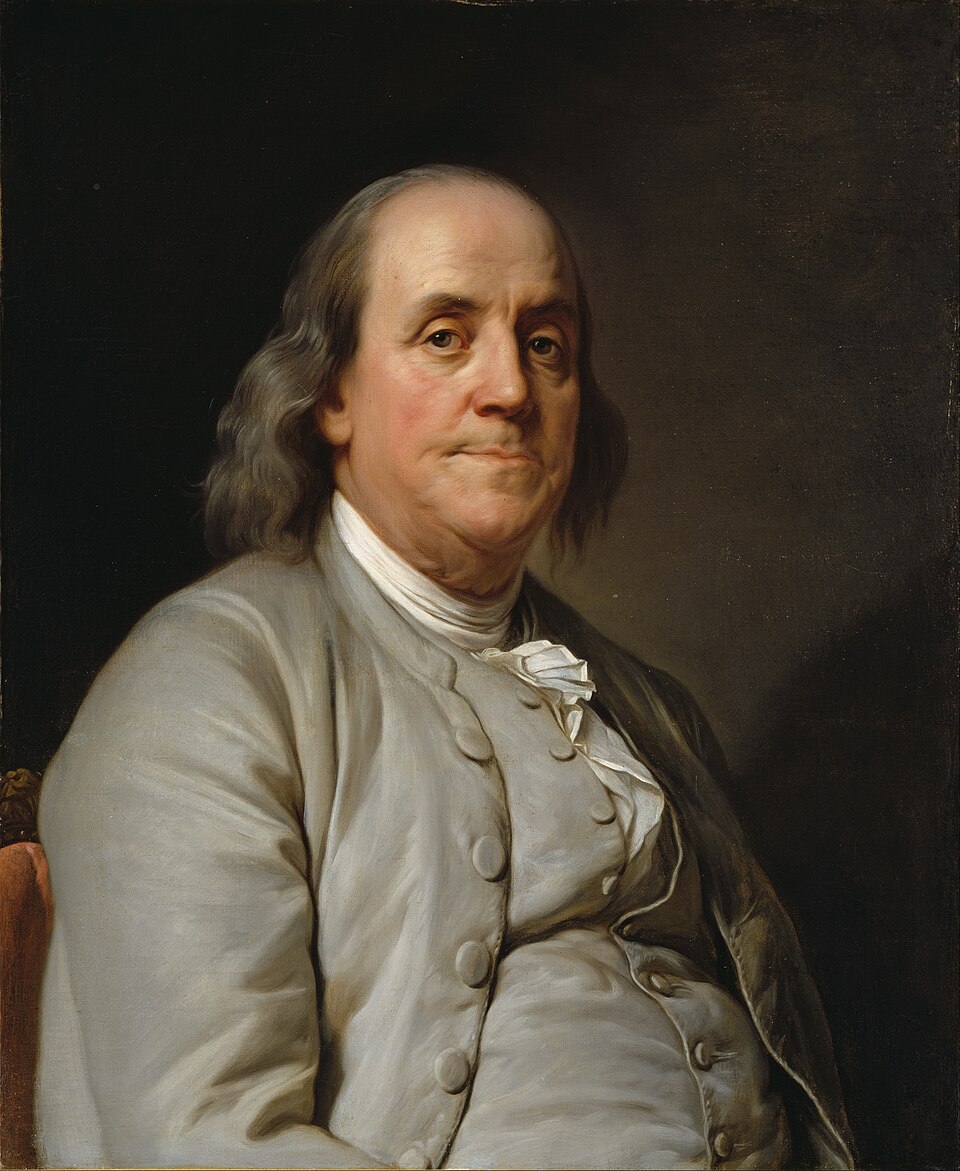
George Washington gave his (considerable) seal of approval to the Constitution: ‘I am fully persuaded it is the best that can be obtained at the present moment under such diversity of ideas that prevail.’ Benjamin Franklin said much the same: ‘I confess that there are several parts of the Constitution which I do not at present approve but I am not sure I shall never approve them… I consent, Sir, to the Constitution because I expect no better and because I am not sure that it is the best.
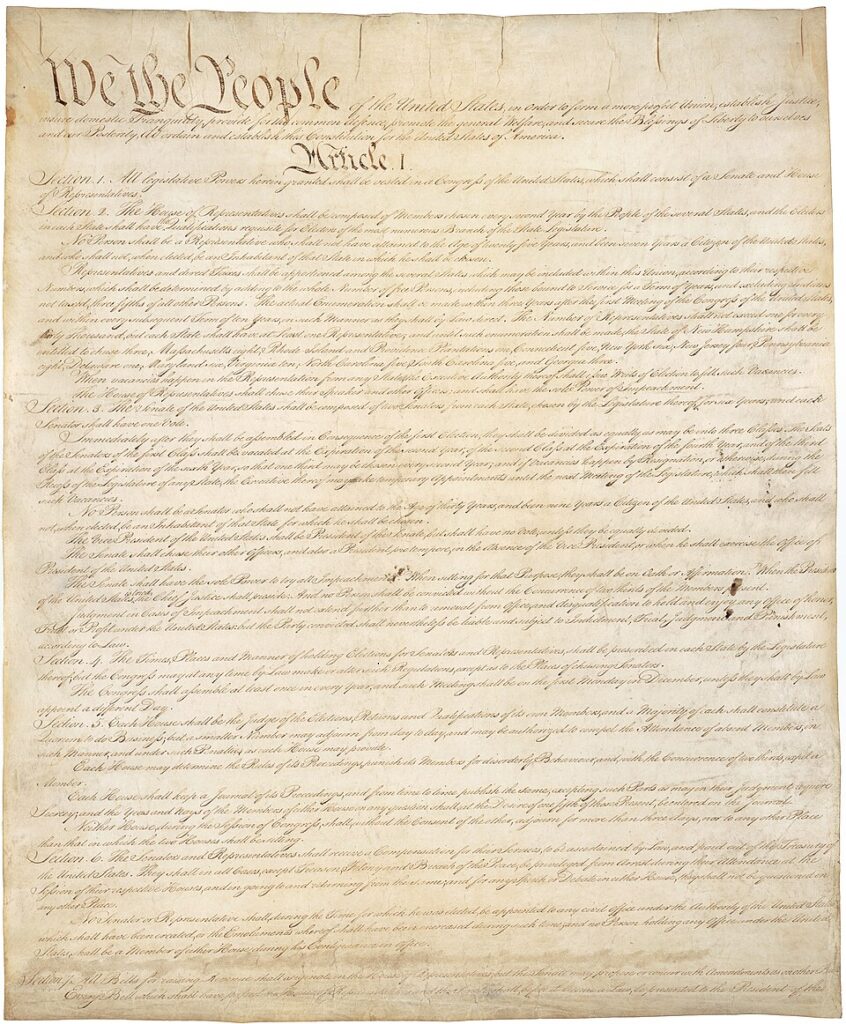
Nineteenth-century British Prime Minister William Gladstone went further, describing the Constitution as ‘the most wonderful work ever struck off at a given time by the brain and purpose of men’. Arguably, the Founding Fathers’ work was a masterpiece of ingenuity, informed by democratic ideals, which helped to save the American Revolution. The Constitution accepted that the sole source of legitimate political authority was the people: its preamble opened with the phrase ‘We the People of the United States’. All the officers of government were to be agents of the people. The Founding Fathers remained true to the representative principle at almost every point.
The strong national government was still made as weak and as divided as could safely be managed. Fearing tyranny in any form, the Founding Fathers were hostile to the concentration of authority in any one man or institution. They deliberately created a system of checks and balances:
- Executive versus legislative versus judiciary
- House of Representatives versus Senate
- Popular election versus indirect election
- Federal government versus state governments.
At the same time, the Constitution reconciled the interests of:
- Large and small states
- Slave and free states
- Federal government and state governments
- Patrician leadership and popular sovereignty
The fact that the Constitution was a sketch, not a blueprint, was a strength. Much was left for the future to clarify. The Constitution has thus been a living document, constantly reinterpreted and made responsive to new social and political needs. The Founding Fathers’ good sense and political realism are evident from the fact that the Constitution has stood the test of time. With relatively few amendments (27 since 1787), a document devised over 200 years for a small, rural republic is still the fundamental law for the world’s greatest power.
The US Constitution
Follow the link to read the US Constitution – this is a good way to fully appreciate the contents of the Constitution and stretch your knowledge of the different articles.
Why was there debate over the ratification of the Constitution?
When the Convention had finished its work, it transmitted a copy of the proposed Constitution to Congress. On 28 September Congress unanimously voted to submit the document to the states for ratification according to the method outlined by the Convention:
- The new document would become operative when ratified by nine – not all thirteen – states.
- The Constitution would be submitted to specially elected state conventions, not the state legislatures. Such a procedure would confer on the Constitution a status which the constitutions of all but one of the states (Massachusetts) lacked, namely that of being based directly on popular consent. It would also side-step probable opposition from the state legislatures.
Federalists vs Anti-Federalists
The process of ratification provoked fierce debate everywhere. The contest was marked by discourse of the very highest order concerning the meaning of republicanism. It was also marked by cynical political tactics.
Supporters of the Constitution won an important first point when they used the word ‘Federalist’ to describe themselves. The fact that the Federalist opponents were dubbed ‘Anti-Federalists’ immediately cast them in a negative role. According to historian Carol Berkin:
“Perhaps the Federalists most brilliant tactic in the battle of ideas ahead of them, however, was their decision to call themselves “Federalists” and their cause, “Federalism.” The men behind the Constitution were not, of course, federalists at all. They were advocates of a strong national government whose authority diminished the independence of the states. […] By co-opting the name “Federalists,” the pro-Constitution forces deprived their opponents of the ability to signal clearly and immediately what they stood for.”
In the struggle over ratification, the Federalists were most strongly supported by men of property and position: planters, merchants and lawyers. Many of their Anti-Federalist opponents were small farmers, especially from the more isolated regions. But opinion did not divide neatly along lines of class or economic interest. Some rich men were Anti-Federalist. Many poor men, like the labourers and artisans of the cities, were Federalist. Every major town had a Federalist majority.
Anti-Federalists were aware of the problems of the 1780s but believed that the proposed cure was far worse than the disease. Anti-Federalist leaders made several criticisms of the Constitution:
- They claimed that the Convention had exceeded its mandate in proposing a whole new framework of government to replace the Articles.
- They feared that a powerful national government would destroy the sovereignty of the states.
- They argued that state legislatures were more representative of the people than the new Congress was likely to be.
- Many deplored the absence of a Bill of Rights – a list of legally protected liberties such as were added to many of the state constitutions.
Anti-Federalists also raised a host of specific objections, all reflecting a suspicion of centralised power. Federalists addressed the criticisms in hundreds of pamphlets and newspaper articles. Their greatest fear was that rejection of the Constitution would lead to collapse of the Union, anarchy, interstate warfare and ultimately the loss of American independence.
Federalist advantages
It seems likely that at the outset a majority of American voters were opposed to the Constitution. Nevertheless, the Federalists had several advantages:
- They offered a specific set of solutions to the pressing problems that faced the nation. While most Anti-Federalists conceded that some political reform was necessary, they had no alternative to offer the public.
- Federalist support was strong in the towns. Local people thus often gave delegates to state ratifying conventions (which met in towns) the impression that most people favoured the Constitution.
- The support of the two most famous men in America – Washington and Franklin – added to the Federalist cause.
- Anti-Federalist support, scattered across isolated small farms, was difficult to organise.
- The vast majority of newspapers were Federalist owned and inclined. Only five major newspapers, out of approximately 100, consistently opposed the Constitution.
Where their support was strong the Federalists moved rapidly to secure approval, and where it was weak they delayed, allowing themselves time to campaign effectively. The crucial states were the largest ones: Pennsylvania, Massachusetts, Virginia and New York.
How and why was the Constitution ratified?
States in which ratification was easily achieved:
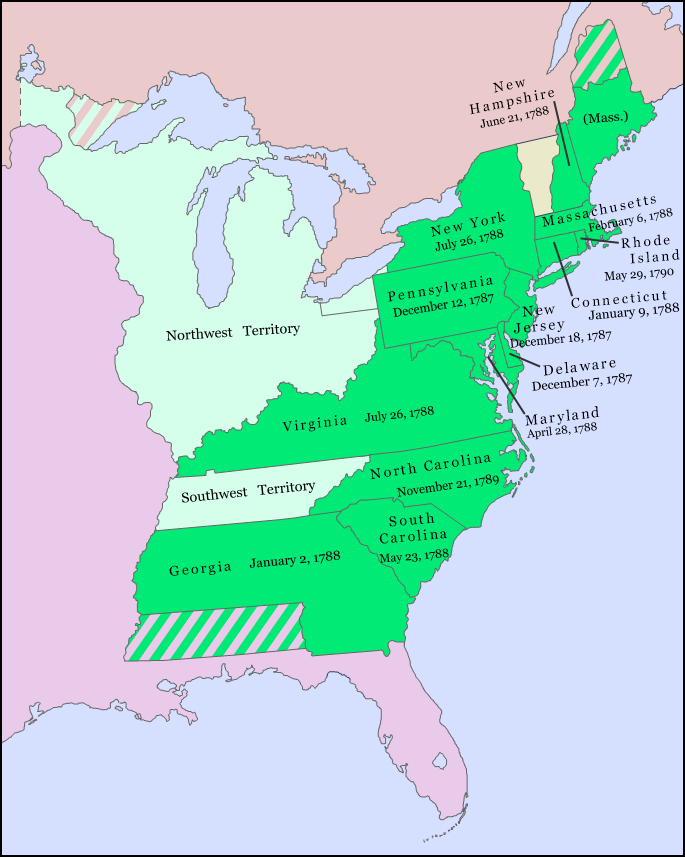
Of the first five states to ratify, Delaware (7 December 1787), New Jersey (18 December 1787) and Georgia (2 January 1787) did so unanimously. Pennsylvania (12 December 1787) approved by a comfortable majority (46-23) and Connecticut (9 January 1788) by an overwhelming one (128-40). Thus, the Federalist cause built up an early momentum.
Why did the Constitution take longer to ratify elsewhere?
In Massachusetts there was a long and spirited contest. The stance of revolutionary stalwarts Samuel Adams and John Hancock was vital. Both had Anti-Federalist leanings. Federalist pressure was put on both men when the Massachusetts Convention met in January 1788. Pro-Constitution demonstrations by Boston artisans persuaded Adams to support the Constitution. Hancock changed sides when Federalists suggested that he might become vice president if the Constitution were ratified. Eventually, moderate Anti-Federalists were won over by a Federalist pledge to consider adding a Bill of Rights to the Constitution. Thus, in February 1788 the Federalists triumphed by 187 votes to 168.
Maryland (63-11) voted in favour of the Constitution in April 1788, and South Carolina (149-73) fell into line in May. In June, New Hampshire became the ninth state to ratify. Remote and non-commercial, the state had been initially strongly Anti-Federalist. When its people elected their convention, they instructed it not to ratify. When it met over the winter, it followed instructions. But rather than reject the Constitution, it adjourned until June without taking a final decision. That gave the Federalists an opportunity. Raising the issue in town meetings, they put pressure on delegates to change their minds. The New Hampshire Convention finally ratified on an afternoon when Federalists had got a number of their opponents drunk enough at lunch to miss the session. Technically, the Constitution could now go into force. However, without Virginia and New York it could hardly succeed.
In Virginia, the opposing forces were evenly balanced. Patrick Henry’s eloquent attacks on the Constitution, ably seconded by Richard Henry Lee’s Letters from a Federal Farmer, had a profound effect. However, Washington’s support for the Constitution and Madison’s reasoned advocacy, along with his promise to work for a Bill of Rights, was crucial. On 26 June 1788 the Virginia Convention ratified by 89 votes to 79. In essence, in Virginia, the division was between the commercial tidewater counties (Federalist) and the less well-developed regions (Anti-Federalist).
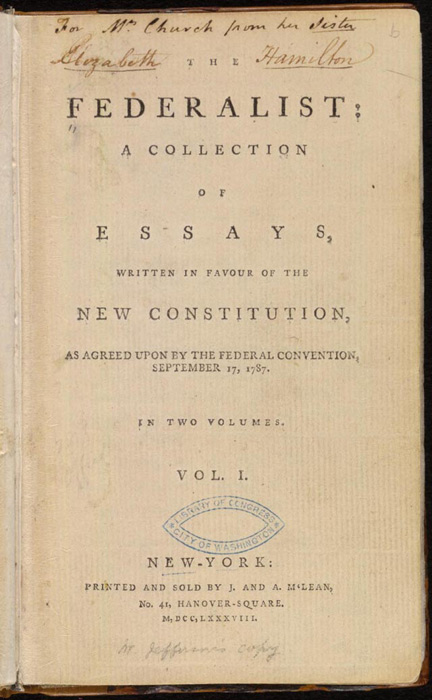
When the New York Convention met, Alexander Hamilton thought that four-sevenths of the people of the state were against the Constitution. He, Madison and John Jay, using the joint pseudonym Publius, wrote a series of 85 articles for the New York press, urging the adoption of the Constitution. These essays, subsequently published as The Federalist Papers, came to be regarded as a classic of American political thought. However, it appears that they did not have a significant influence on contemporary opinion. More important in softening the stubbornness of the New York Anti-Federalists was Virginia’s decision to ratify, and the fear, cultivated by Hamilton, that New York City would secede if the state rejected the Constitution. On 26 July 1788, New York’s Convention approved ratification by 30 votes to 27.
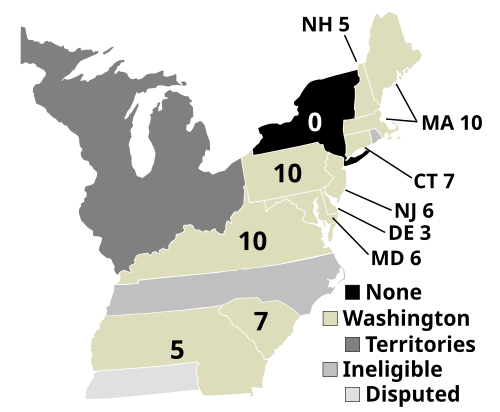
Although North Carolina (November 1789) and Rhode Island (May 1790) still stood aloof (both states wanted significant alterations, and Rhode Island wanted a referendum on the issue), the new Constitution could now begin to function in the states which had ratified it. As its last act, the Confederation Congress ordered national elections for January 1789. Only about ¼ of adult white males voted for the state ratifying conventions. Federalist success was the result of several factors: better organisation, big names, newspapers and Anti-Federalist divisions. The Bill of Rights concession was vital.
What was the significance of the Bill of Rights?
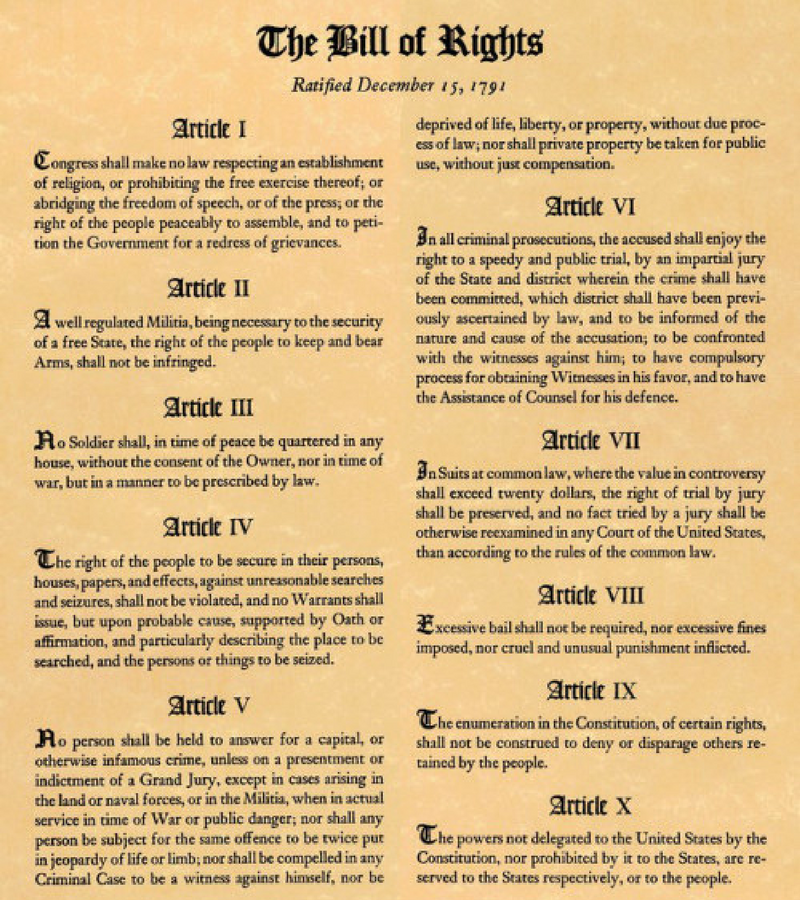
A key development in 1789 was the acceptance of ten amendments to the Constitution, which were ratified in 1791 and remain guarantees of citizens’ rights today. They are known collectively as the Bill of Rights and are largely the work of James Madison.
These amendments went far towards reconciling anti-Federalists to the Constitution. None of the amendments was concerned with the rights of the individual. They guaranteed freedom of religion, of speech, of assembly, and of the press; the right to petition and to bear arms; and immunity from arbitrary search and arrest. They also prohibited excessive bail, cruel and unusual punishments and the quartering of troops in private houses. The tenth amendment reserved to the states all powers except those specifically delegated to the federal government. The amendments took effect in December 1791 when Virginia became the final state to ratify them. The adoption of the amendments helped to convince North Carolina (1789) and Rhode Island (1790) to enter the union.
Did the Founding Fathers ‘ride to the rescue of the American Revolution’?
In the late nineteenth century, historian John Fiske called the years from 1781 to 1787 the ‘Critical Period’. He depicted the Articles of Confederation as a weak government, unable to deal with a host of political, social and economic problems. Fiske claimed that the USA was close to disintegration until the Founding Fathers rode to the rescue, drafting a more effective Constitution. For much of the nineteenth century, the Constitution was seen as the fitting end of the revolution. Most nineteenth-century historians believed that the revolution had been a struggle to secure American liberty: the Constitution was seen as liberty’s greatest protection. However, twentieth-century historians like Charles Beard, Merrill Jensen and Jackson Turner Main had a different view.
Beard, Jensen and Main saw the years from 1781 to 1787 as years of achievement, not failure. Rather than defenders of the revolution, they claimed that the Founding Fathers were upper-class conservatives, conspiring to protect their own economic interests. Thus, by the mid-twentieth century, the Constitution was depicted as a reactionary document: the product not so much of democracy but of devious men who feared it.
It is now generally accepted that the 1780s were not a period of unrelieved gloom. Nor is it fair to blame all the troubles of the period on the weakness of the Articles of Confederation. In some respects, the Confederation acquitted itself well (for example, successfully regulating western settlement). The Articles aimed to prevent the central government from infringing on the rights of states. Arguably, there was nothing wrong with the USA remaining a loose collection of independent states. Nevertheless, the authority of Congress steadily diminished after 1783. With peace, the states no longer felt the necessity of cooperating with Congress. Thus, the once-respected institution became increasingly weak. By 1785, American finances were in disarray, and the USA was treated with contempt by Britain and Spain.
American nationalists wanted a stronger central government. The result – the Constitution – has survived the test of time. As the Founding Fathers. Over the past 60 years, historians have put the Founding Fathers back on their pedestal. Stanley Elkins and Eric McKitrick consider them to be the ‘Young Men of the Revolution’, driven not by self-interest but by youthful energy and the frustrations they had known as Congressmen, diplomats and army officers. John Roche sees them as modern politicians who understood the need for reform and who carefully calculated the best strategy for achieving it. Esmond Wright stresses that the Founding Fathers were patriots, ‘men with principles as well as pocketbooks’. If they represented property, they spoke for many constituents, for most Americans were property owners. They sought to create a strong government not only, and perhaps not mainly, to curb democracy, but also to preserve the Union and the gains of the revolution.
While the critical period may have been less critical than its critics implied, the Articles of Confederation certainly deserve some criticism. The Founding Fathers may not have been ‘demi-gods’, but they did produce an extraordinary document which ensured that the ‘great experiment’ in republicanism would endure at the national as well as the state level. In that sense, they came to the rescue of the revolution.
The First Government of the USA
How well did the first government of the USA in 1789 deal with the problems it faced?
The new Constitution was established remarkably quickly. The first hurdle to be overcome was Washington’s reluctance to serve. The official form of address was established as ‘Mr. President’ to avoid any suggestion that he was a sort of king and Washington was reassured by the Bill of Rights, which guarded against an over-powerful executive able to ignore the rights of citizens. The Constitution was given credibility by having a distinguished national leader as its first president.
The New Government
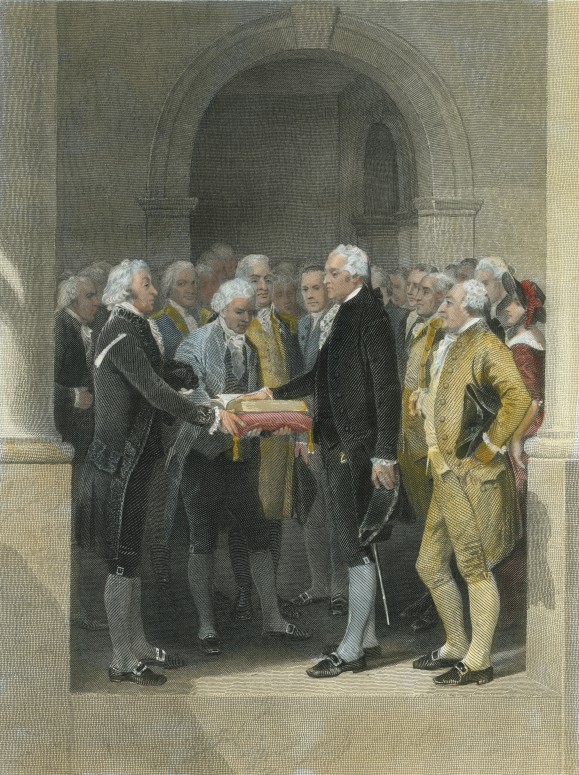
The election of 1789, the first under the new Constitution, gave the Federalists control of the new government. There were large Federalist majorities in both the Senate and the House of Representatives. As the most famous and popular man in the country, George Washington came out of retirement and was chosen as president by Electoral College representatives; no one stood against him. John Adams, with 34 votes, the second highest number, became vice president. The new Congress met on 4 March 1789 in New York city, the temporary seat of the federal government. It could muster only eight senators and thirteen members of the House. A month passed before both chambers gathered a minimum amount. Meanwhile, Washington left his home at Mount Vernon to be inaugurated president on 30 April. His journey to New York turned into a triumphal procession, confirming the universal confidence he commanded. Burdened with dread that so much was expected of him, he declared that he felt like a condemned man going to the place of execution.
Problems facing the new government
Washington’s apprehensions were understandable:
- The Constitution had to be implemented – theory had to be put into practice.
- A new government had to be formed that would meet the challenges of governing a new nation, many of whose citizens were suspicious of any central authority.
- The authority of the new federal government had to be established, and its right to tax had to be exercised.
- There was the considerable problem of national and state debt.
- The demand for new land and the urge to expand westward were producing conflict with the Native Americans.
Actions taken by the new government
The first Supreme Court was established in 1789 with John Jay as its chief justice. Remarkably quickly, federal courts were set up in thirteen districts. The government of the Articles, with three key officials in charge of war, foreign affairs and finance, was developed. The Department of State (under Secretary Thomas Jefferson) and the Department of the Treasury (headed by its Secretary, Alexander Hamilton) were established and the office of Attorney General (Edmund Randolph) was created.
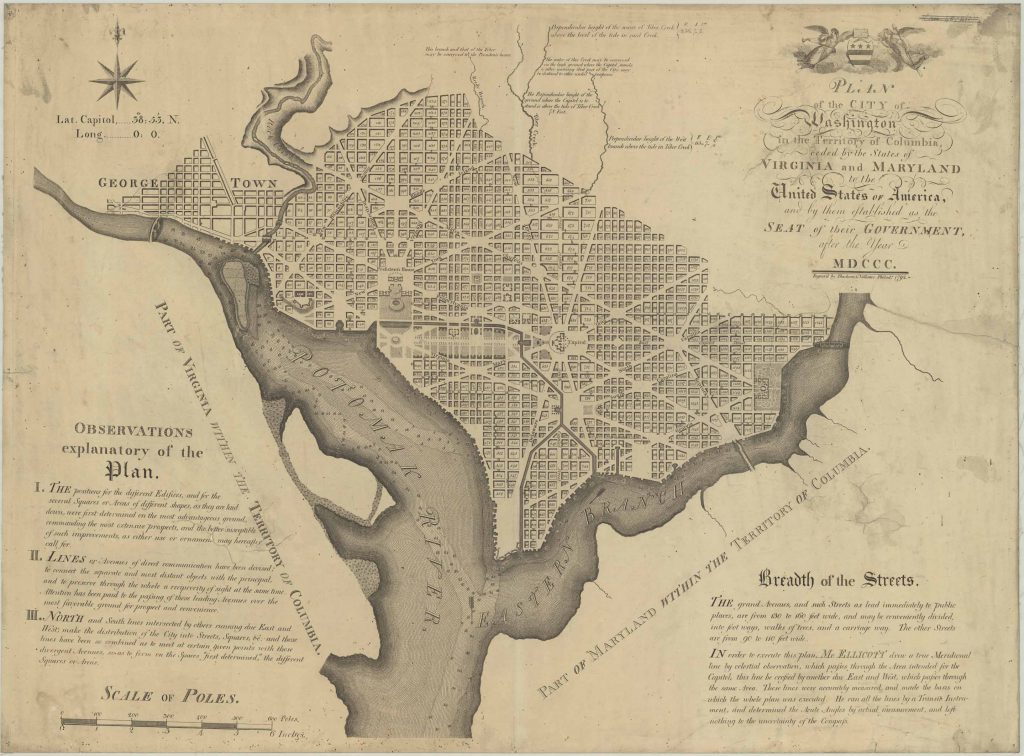
Procedures were developed in both houses of Congress. A key decision was taken to establish the site of the new capital on Federal land in Virginia/Maryland on the Potomac River in 1790. The new nation was, however, very divided. The economic interests of the regions were different, and there were social differences. The main one was that slavery was of much greater economic importance in the South, whereas many northern states had outlawed slave owning. Of the 4 million inhabitants of the United States in 1789, one-fifth were enslaved Africans. There was a major debate in 1790 about slavery, which revealed differences between members of Congress, but, in the end, slavery remained, and there was an uneasy compromise.
How well did the first government of the USA in 1789 deal with the problems it faced?
There were also divisions about what sort of country the USA would be. Washington had to keep a balance of opinions in his cabinet. As the population was 80 per cent rural, some, like Jefferson, saw the republic as one of sturdy and self-sufficient farmers with limited powers for the central government. He also favoured westward expansion to strengthen the rural nature of the new country. Others, like Hamilton, saw a greater need to develop finance, trade and manufacturing and build up the power of the federal government. This would orient the new nation more to the Atlantic and less towards the new lands in the West.
This balance of opinions in the new government helped to reassure those who feared oppression by their own government, and the Bill of Rights, a series of amendments to the Constitution, was also a major factor in reassuring opponents of federal power that individual freedoms would be maintained.
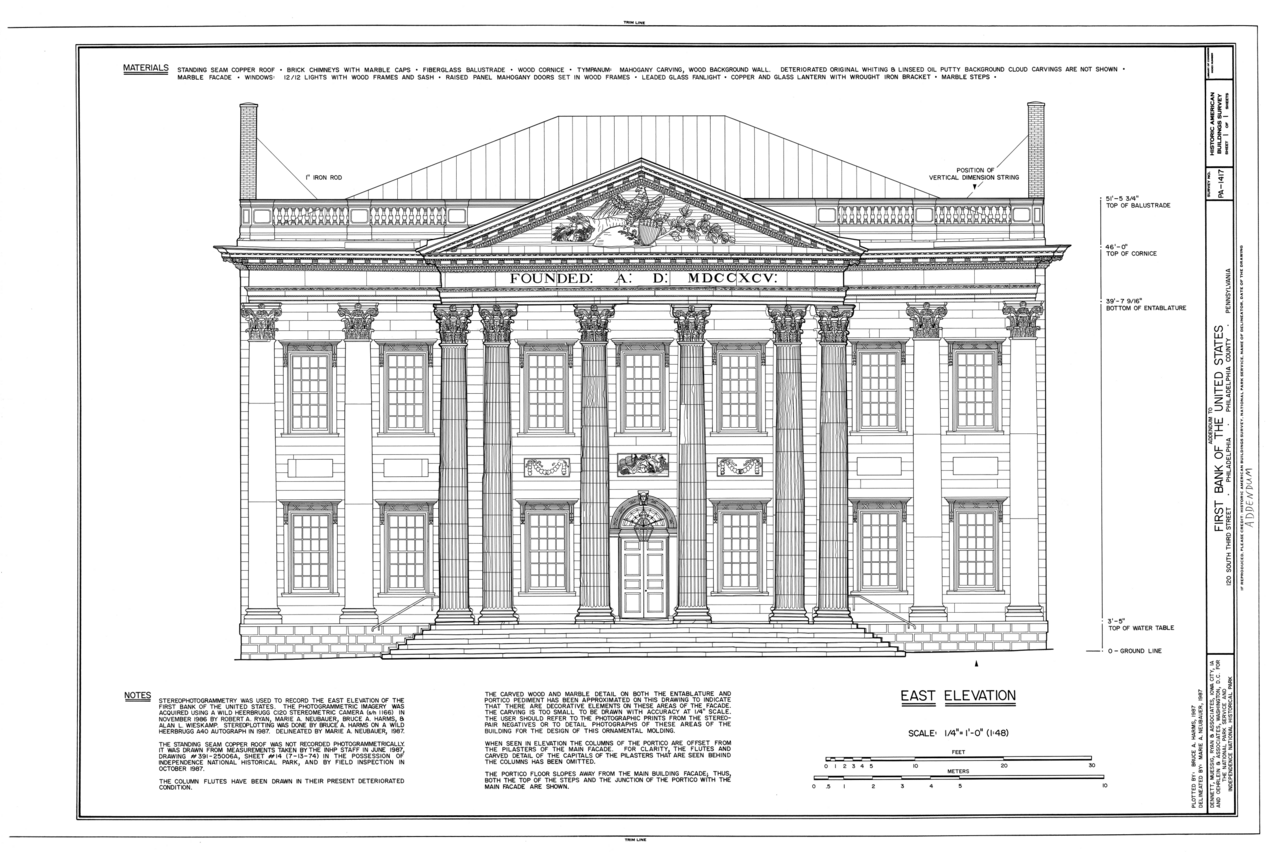
Alexander Hamilton’s financial reforms
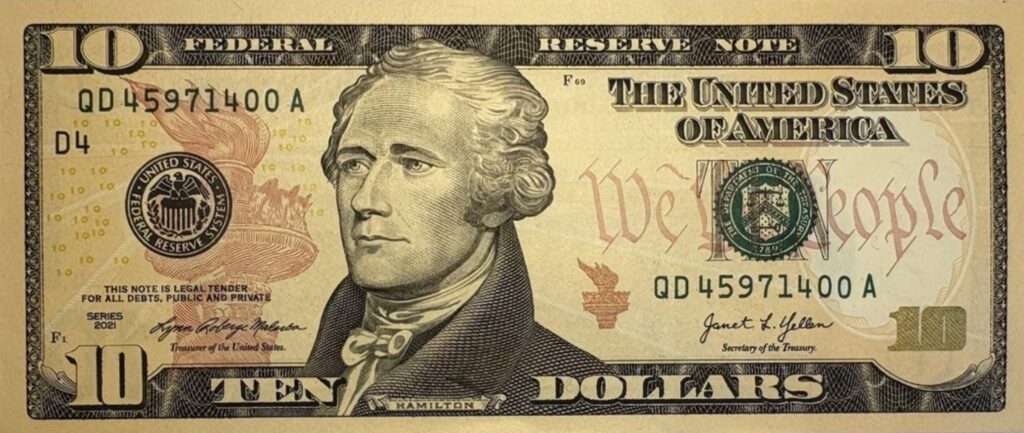
Given the previous disputes over taxation, it was a major achievement to establish the new government’s right to tax the citizens of the USA. The key development was Hamilton’s ‘Reports on Public Credit’ in 1790 and 1791. Hamilton proposed to deal with the debts in two ways. The first was that the new federal government would take over the debts of the states and the Confederation. The second was that the credits would be paid at face value. Anyone who lent the state a sum of money would either receive a cash payment or be given, as a replacement, a new national bond (where the government commits to paying back the money lent over a period of time).
This was very controversial, but it was essential if the new country was to be seen as financially trustworthy. Without it, further borrowing would have been impossible. But many states, for example, Rhode Island, New Hampshire and Delaware, had little debt and resented paying off the debts of other states. Also, some lenders had sold their bonds at a discount, including many former soldiers who had been paid in bonds. Those who bought the bonds at a discounted price now benefit from getting face value for them.
The whole deal was possible only because Hamilton agreed that the new capital would be in the South and in return opponents of his financial measures, especially Jefferson, agreed not to obstruct the reforms.
In addition, Hamilton established a new national bank, which would control the issuing of a national currency to prevent states from issuing inflated paper currencies. A national mint was set up in 1792, and federal aid was given to promote the manufacturing industry. To fund this, a national tariff was brought in to tax imported goods. There were also other federal taxes, including one on the sale of alcoholic liquor known as the ‘Whiskey Tax’.
Hamilton’s actions changed the USA dramatically. It was his vision of a modern financially stable trading and manufacturing nation that was established. His measures went beyond what the framers of the Constitution had expected. However, a wave of prosperity in the South brought about by the expansion of cotton led to reluctant acceptance. The Fugitive Slave Act 1793, which made it a federal offence to assist escaped slaves, helped the South to accept the changes; however, the divisions between rural and urban America increased.
What were the USA’s main problems in foreign and western policy between 1793 and 1796?
The impact of the French Revolution
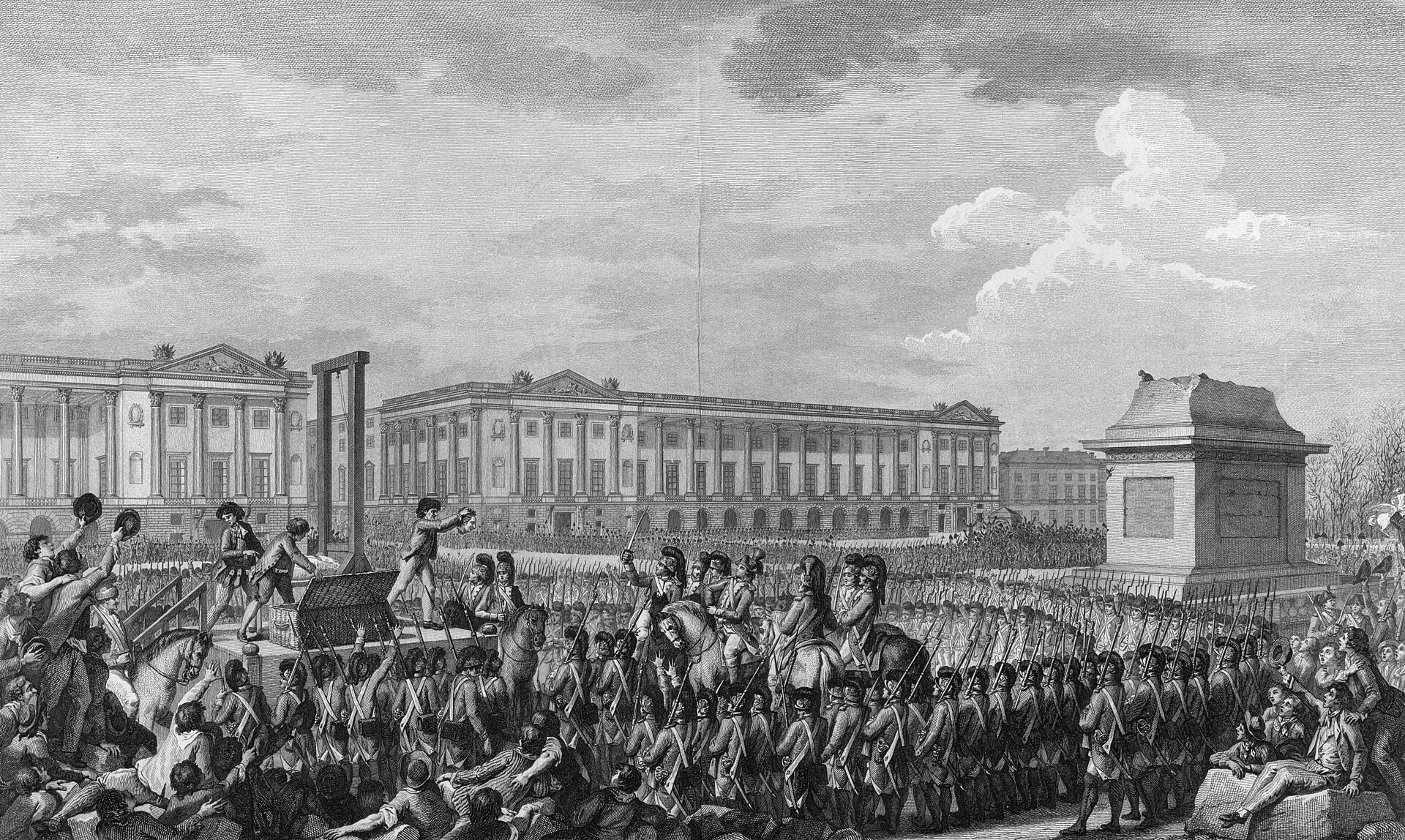
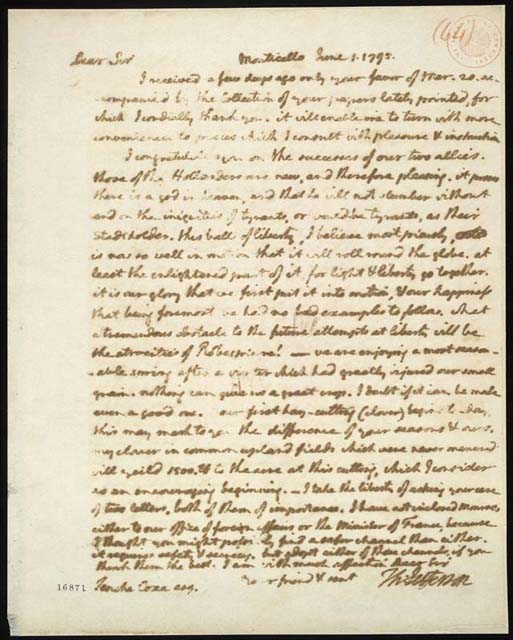
The outbreak of revolution in 1789 in France was met with general approval by most Americans, who believed the French were following their example. But by 1793, with the execution of King Louis XVI and the Jacobin terror (an extremist group in the revolution, associated with the Reign of Terror and the guillotine), opinion in America diverged sharply. Federalists interpreted events in France as confirming their fears that popular government could easily degenerate into mob rule. Anti-federalists (now termed Republicans) continued to sympathise with the revolutionaries. Jefferson, a leading Republican, declared that ‘the tree of liberty must be refreshed from time to time with the blood of patriots and tyrants’. If Hamilton’s fiscal programme had first divided Federalists and Republicans, the French Revolution had become the touchstone for determining political allegiance in American politics by the early 1790s.
France’s declaration of war on Britain in 1793 exacerbated the conflict of opinion. The European war raised the question of American obligations to France. By the Treaty of 1778, the USA remained an ally of France, obligated to defend French possessions in the West Indies. Hamilton argued that the 1778 alliance should be declared invalid on the grounds that it was made with a government that no longer existed. As well as holding strong pro-British sentiments, he was aware that British imports were the chief source of the tariff revenues on which the financial programme depended. Seventy-five per cent of American trade was with Britain, and 90 per cent of its imports came from Britain.
Jefferson supported France, but he did not want war. He believed that the USA should proclaim neutrality but should delay abandoning the 1778 treaty, using it as a bargaining tool with Britain. Washington, who regarded foreign affairs as a presidential concern, was essentially a realist. He believed in interests, not ideals. He did not share Jefferson’s views that American ideals were necessary American interests. Aware of the USA’s military and economic weakness, he believed that its main interest was to avoid another war with Britain at almost any cost. In April 1793, he issued a proclamation of neutrality.
What did the Citizen Genêt affair reveal about Washington’s skills as president?
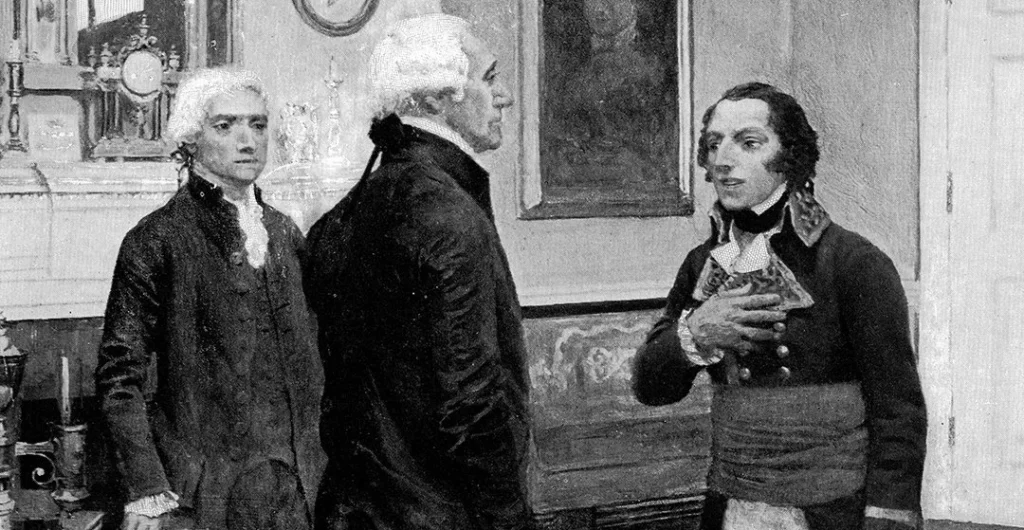
Washington accepted Jefferson’s argument that the USA should recognise the new French Jacobin government (becoming the first country to do so) and received its new ambassador, Citizen Edmond-Charles Genêt. Conspiring with frontiersmen and land speculators with a plan to attack Spanish Florida and Louisiana (assuring French military assistance), Genêt quickly became an embarrassment. Jefferson decided that the French minister had overreached himself when he violated a promise not to outfit a captured British ship as a French privateer. Washington, in August 1793, demanded his recall. Meanwhile the French government had sent over a new minister with a warrant for Genêt’s arrest. Instead of returning to France to risk the guillotine, Genêt sought asylum in the USA. Despite Genêt’s foolishness and the growing excessiveness of the Jacobins, the French revolutionary cause remained popular with many Republicans through 1793-4. Mass demonstrations took place in many towns as Americans demanded war with Britain. Federalists, abhorring the principle of mob rule, feared that French practices might spread across the Atlantic.
Relations with Britain
- Britain had not relinquished its military posts south of the Great Lakes as it had agreed to do in 1783. British troops were suspected of encouraging Native Americans to attack American settlers.
- Britain disregarded the maritime rights of neutral America. France and its colonies was blockaded by the British, yet America still traded with the West Indies. Britain, unwilling to accept such an obvious attempt to evade the blockade, declared its intent in November 1793 to maintain the blockade. This resulted in the seizure of 250 American ships carrying goods from the French West Indies to France and the imprisonment of their crews.
By the Spring of 1794 it seemed that the USA and Britain were close to war. In April 1794 a bill supporting the boycott of trade with Britain passed the House of Representatives. It was defeated in the Senate only by the casting vote of Vice President Adams.
Jay’s Treaty
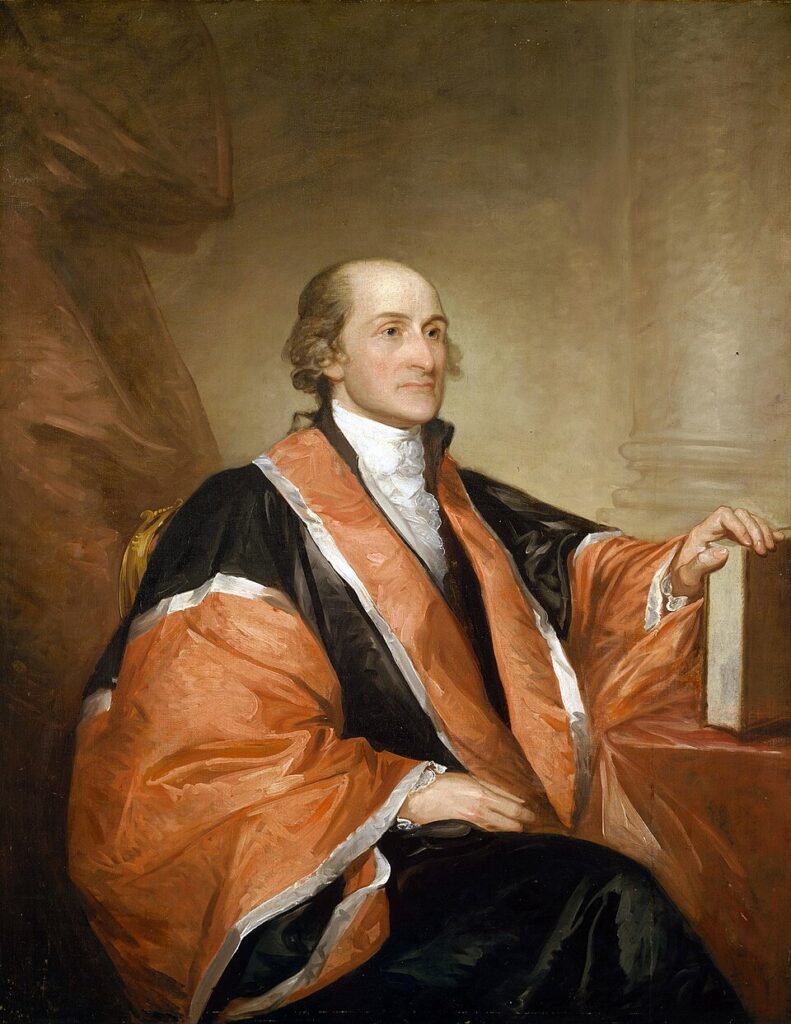
Washington, aware that the USA was totally unprepared for war and fearful of war’s potentially divisive consequences, sent Chief Justice John Jay to London to try to negotiate a settlement. The British government was in an uncompromising mood. Jay’s Treaty, signed in November 1794, fell short of what he had been instructed to demand. Britain agreed to evacuate the forts in the Northwest Territory by 1796 and to pay compensation for American ships and cargo which they had taken in 179394. The USA had to accept that it would not trade with France in food or war supplies or with the French colonies. French privateers (a private person or ship that engages in maritime warfare under a commission of war) were not to be fitted out in US ports. The British refused to pay compensation for any slaves they had freed during the Revolutionary War and gained the most favoured nation treatment in American commerce.
The treaty provoked a wave of opposition in the USA with old anti-British feelings re-emerging. Effigies of Jay were burned, and there were demands for his impeachment. Only after long debate did the Senate ratify the document with the necessary two-thirds majority. Washington hesitated for two months before signing it in August 1795. He signed it because he thought the treaty was a sensible compromise and better than the only alternative – war with Britain. It inflamed the new growth of two opposing parties in every state, the pro-Treaty Federalists and the anti-Treaty Jeffersonian Republicans. Jay’s Treaty was largely successful. Britain surrendered its forts. An economic boom followed the treaty as American trade with Britain and its empire increased threefold.
Relations with Spain
Spain had encouraged secessionist plots among Western settlers and also incited southern Native Americans to attack American settlements. By creating the impression that Britain and the USA were drawing closer together and might be contemplating joint action against Louisiana, Jay’s Treaty induced Spain to soften its attitude towards the USA. Thomas Pinckney, sent to Madrid as a special envoy, was able to conclude the Treaty of San Lorenzo (October 1795) by which Spain granted the USA free use of the Mississippi and the right to deposit goods in New Orleans, accepted the American claim to the 31st parallel as the Florida boundary, and promised to restrain Native Americans from attacking frontier settlements.
Western developments
Washington was more concerned with western developments than with European foreign policy. His main wish was to consolidate US control of the continent between the Appalachians and the Mississippi. Americans continued to edge westwards throughout the 1790s. New western states joined the Union: Kentucky (in 1792) and Tennessee (1796).
Native American policy, 1789-93
Washington declared in 1789 that a just Native American policy was one of his highest priorities. He supported a policy designed to create several sovereign Native American ‘homelands’. He envisaged that the Native American occupants of these areas would gradually become fully fledged US citizens. Attempting to make this policy a reality occupied more of Washington’s time and energy than any foreign or domestic issue during his first term. In 1790, he issued a proclamation forbidding private or state encroachments on all Native American lands guaranteed by treaty with the USA. Washington soon found it was one thing to proclaim and another to sustain:
- In the south, the Georgia state legislature defied the proclamation by selling more than 15 million acres on its western border to speculators calling themselves the Yazoo Companies.
- In the north, white settlers simply moved on to Native American lands, breaking formal treaties.
With some misgivings, Washington approved a series of military expeditions in to the Ohio Valley to put down uprisings by Native American tribes. In the Autumn of 1791 an expedition commanded by Arthur St Clair was annihilated, provoking congressional cries for reprisals in what became an escalating cycle of violence that defied Washington’s efforts at conciliation.
How did the Treaty of Grenville impact Western expansion?
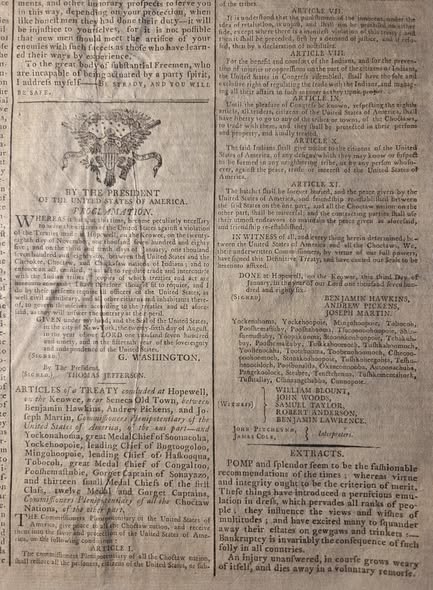
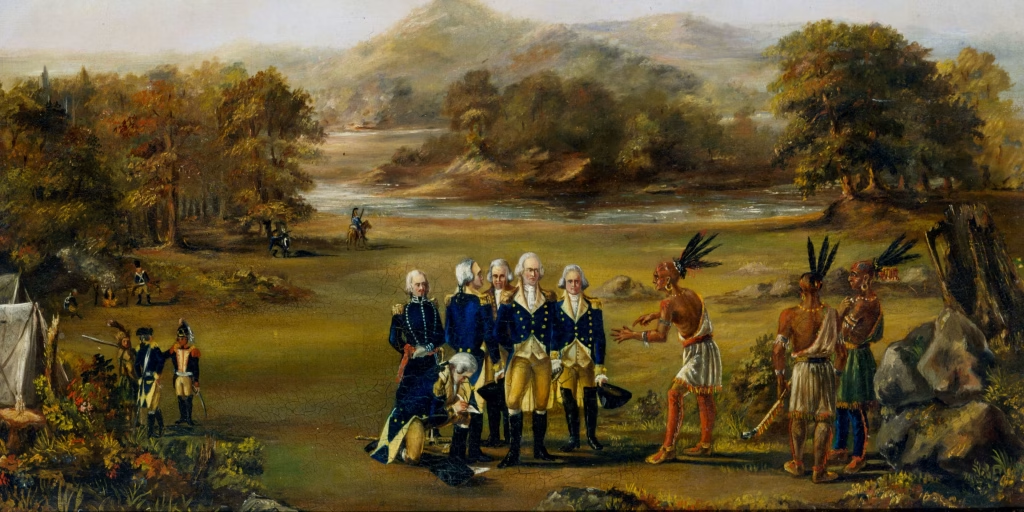
In 1794, the north-western Native Americans suffered a crushing defeat at the hands of 5000 troops led by General Wayne at the Battle of Fallen Timbers. Native American tribes eventually agreed to the Treaty of Greenville (August 1795). The USA acquired the right to lands which are now Ohio and Indiana.
The combination of the Treaty of Greenville and the Jay Treaty left Native American lands at the mercy of white settlers. Congress passed the Land Acts of 1796, which extended the surveys ordained in 1785 (as part of the Northwest Ordinances) – but doubled the price of land to $2 per acre. This proved to be well beyond the means of most settlers and even too pricey for most speculators. By 1800, government land offices had sold fewer than 50,000 acres under the act.
The Whiskey Rebellion 1794
The 1791 tax on liquor bore heavily on frontier farmers. Lacking adequate transport facilities, they found it difficult to dispose of their surplus corn and rye unless its bulk was reduced by distillation into whiskey. In western Pennsylvania the discontent with the tax boiled over in 1794 into armed resistance. Mobs terrorised federal agents and prevented courts from functioning. In August 1794 some 6000 men gathered near Pittsburgh setting up mock guillotines to register solidarity with revolutionary France. At Hamilton’s urging, Washington raised a force of 13,000 men to deal with the trouble. He marched part of the way before leaving Hamilton in charge. Hamilton led the army to Pittsburgh, rapidly suppressing the ‘Whiskey Boys’ and granting an amnesty to all the rebels who signed an oath to obey the federal government’s laws.
Why was it such a problem to find a non-partisan successor to Washington in 1796?
Although political parties were far from fully developed, it was clear that the 1796 presidential election was likely to be bitterly fought.
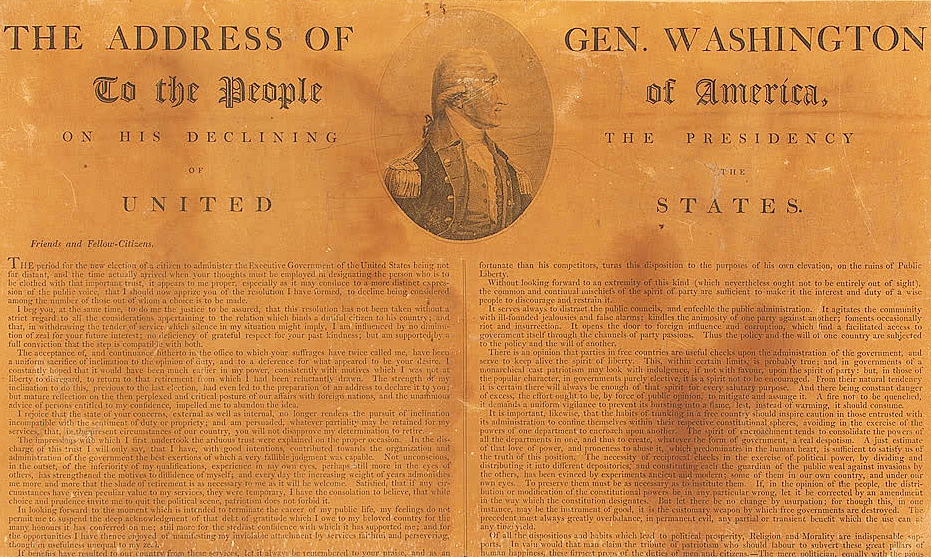
Washington Stands Down
Regarding himself as the national leader, Washington had no wish to evolve into a party chieftain. But he could do little about it. By the mid-1790s , he believed that the leading Federalists (like Hamilton) were men of sense and patriotism. He considered many Republicans (especially Jefferson) to be fools and troublemakers.
During his second term, the Republican press depicted Washington as either a Federalist or a senile puppet of Federalist leaders. The press also heavily criticised Washington’s character and his policies. Worn out by the burdens of the presidency and hurt by the partisan abuse heaped on him, Washington declined to stand for re-election in 1796. Before leaving public life, Washington issued a Farewell Address in September 1796. The address, written mainly by Hamilton, advised Americans to ‘steer clear of permanent alliances with any portion of the foreign world’. He also warned Americans against the ‘baneful effects of the spirit of party’. Washington was 64 at the time of his Farewell Address and would die 3 years later in December 1799.
The Candidates
The party strife that Washington deprecated was more intense by his retirement. In 1796 the presidency became for the first time a party question. The Republicans chose Jefferson as their candidate, adding geographical balance to the ticket with Aaron Burr of New York as the vice president. The logical choice of the Federalists was Washington’s protégé Hamilton. But accused (wrongly) of mishandling public money, he was not in a position to stand. Torn by factional rivalries, the Federalists settled on John Adams. Hamilton, who disliked Adams’s moderation as well as his independence, hoped to manipulate the election machinery so that the Federalist vice presidential candidate, Thomas Pinckney of South Carolina, became president. The Constitution did not then require separate balloting for president and vice president. Electors simply cast two cotes without specifying which candidate they favoured for president. The candidate with the highest number of electoral votes became president, the runner-up vice president. Hamilton hoped that southern Republicans, whose first votes would go to Jefferson, might be persuaded to make another southerner, Pinckney, their second choice.
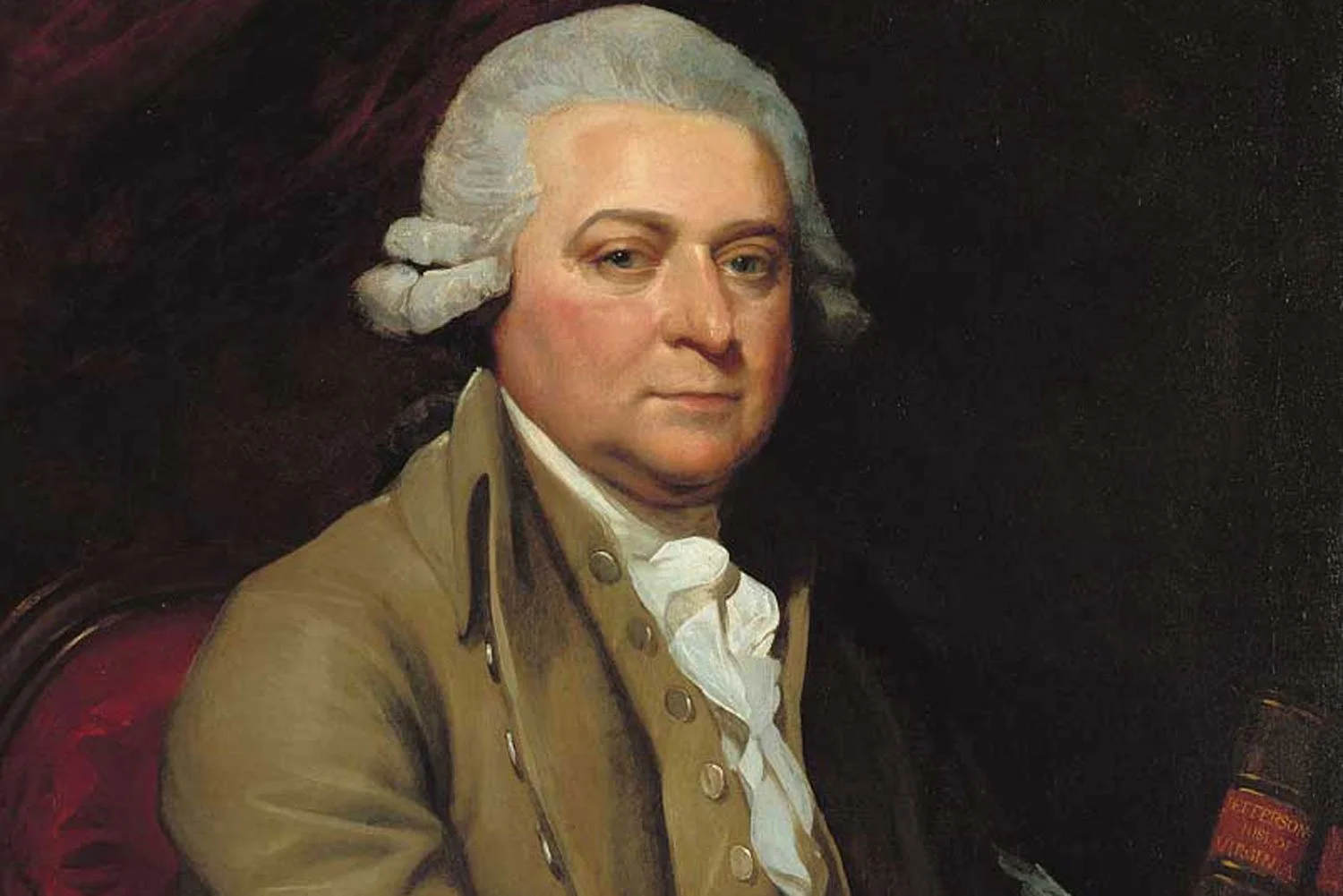
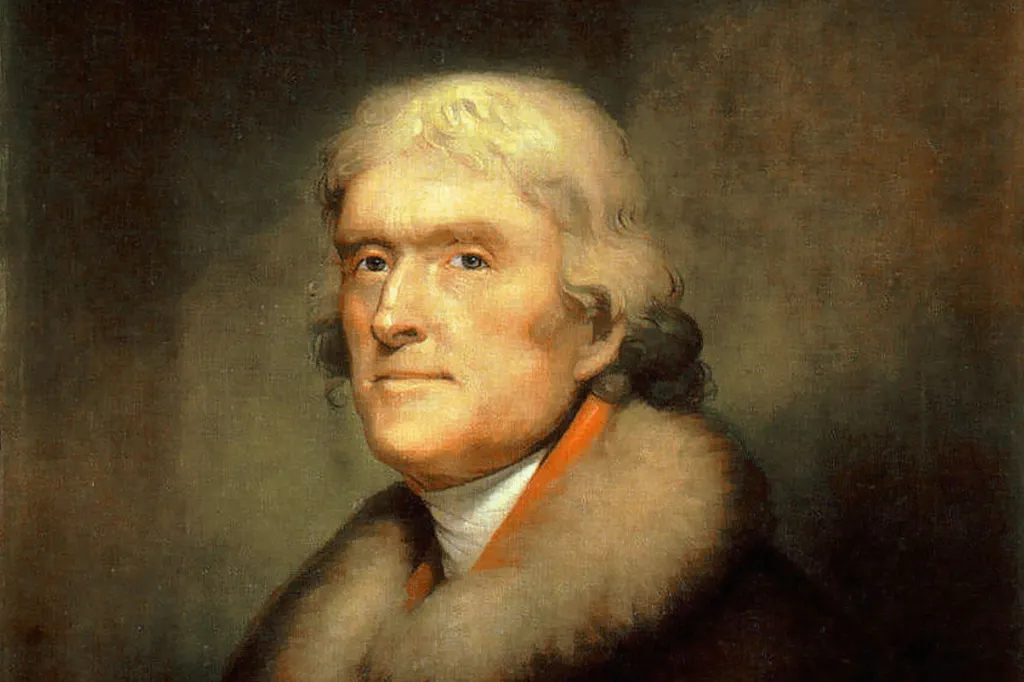
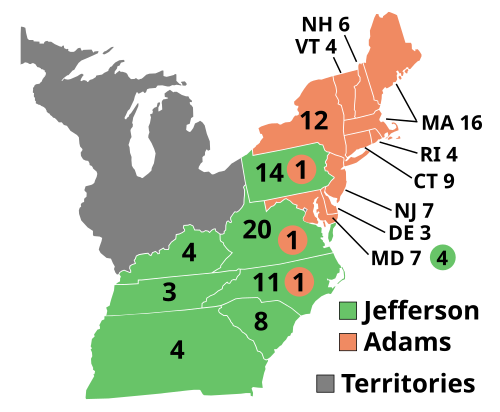
The result
Some of Adams’s supporters, aware of Hamilton’s scheme, withheld their second ballots from Pinckney. Thus, Adams with 71 electoral votes became president. Astonishingly, the vice presidency went to Jefferson, whose 68 electoral votes exceeded those of Pinckney (with 59) and Burr (with 30). Accordingly, candidates of different parties were elected president and vice president.
Party divisions
Besides demonstrating the deficiencies in the electoral system, the 1796 result also showed how well-founded Washington’s fears of geographical divisions were. Adams’s electoral votes came almost entirely from the northern states; Jefferson carried nearly all the south plus the new western states, Kentucky and Tennessee. It was somewhat ironic that New England, once the most democratic part of America, should have become the chief stronghold of Federalism, whereas Virginia, where society had been more class-conscious, became the most Republican.
Conversely, it is difficult to divide the parties purely down geographical lines: there was some strong Federalist support in South Carolina, and New York saw a good turnout of Republicans. Similarly, the parties could not easily be categorised on socio-economic divisions. By and large, the wealthiest in society (merchants, bankers, ship owners and manufacturers) were Federalists, while farmers and planters were Republicans. But with farmers making up about ninety per cent of the population, it is evident that many farmers supported the Federalists.
A variety of factors influenced partisan allegiance. Some voted Federalist out of veneration for George Washington. Others followed the lead of a local magnate. Most Americans who were entitled to vote did not do so, possibly because of the inconvenience of travelling many miles to the ballot.
Exam Zone
This section has been designed to help you build confidence, sharpen your skills, and achieve your best possible results. Whether you are preparing for mock exams, end-of-unit tests, or final assessments, the Exam Zone provides everything you need in one place.
The Exam Zone is not just about testing your knowledge. It is about developing the key historical skills required for success: critical thinking, evaluation, and clear written communication. By practising regularly and reflecting on feedback, you will strengthen both your understanding of the past and your performance in exams.