Conservative Domination 1951–1964
Investigate Britain’s post‑war reconstruction and the factors behind sustained Conservative control between 1951 and 1964.
Attlee’s Post‑War Labour Government
The Birth of the Welfare State
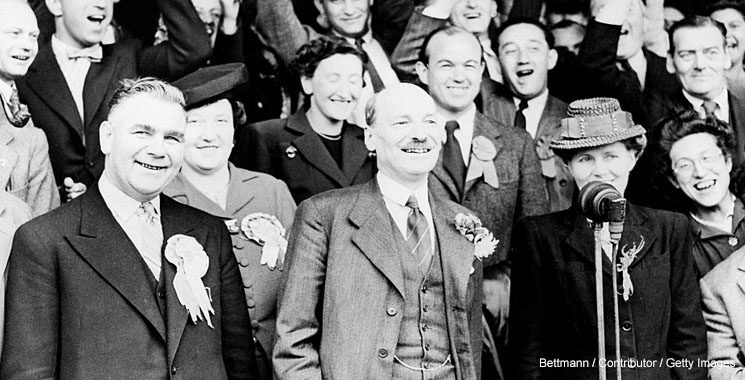
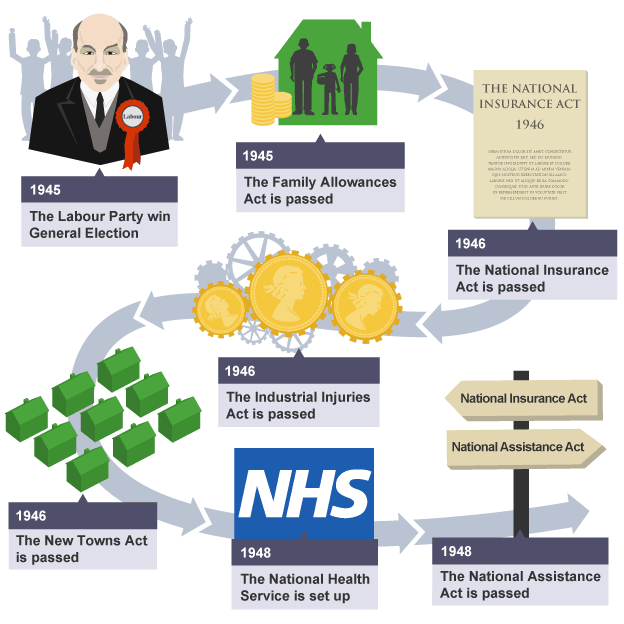
Attlee’s Labour government is sometimes described as one of the great reforming governments of 20th-century Britain, pushing through even more sweeping reforms than those of the Liberal government before 1914. The record of the post-war Labour government is dominated above all by one issue – the introduction of the so-called “welfare state” and the setting up of the National Health Service (NHS). Labour idealists believed they were going to “build a new Jerusalem” in Britain, overcoming class divisions and ensuring fairness for all in a progressively modern society. These idealistic objectives could only be achieved by practical politics.
National Health Service
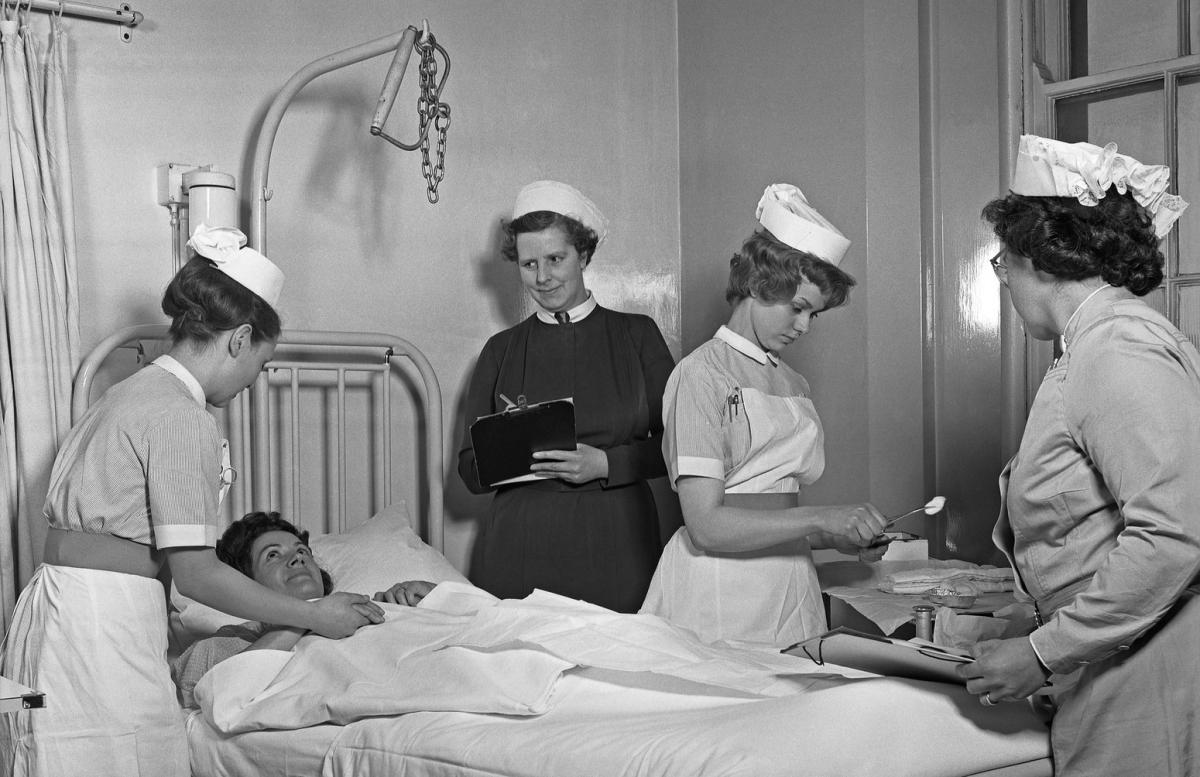
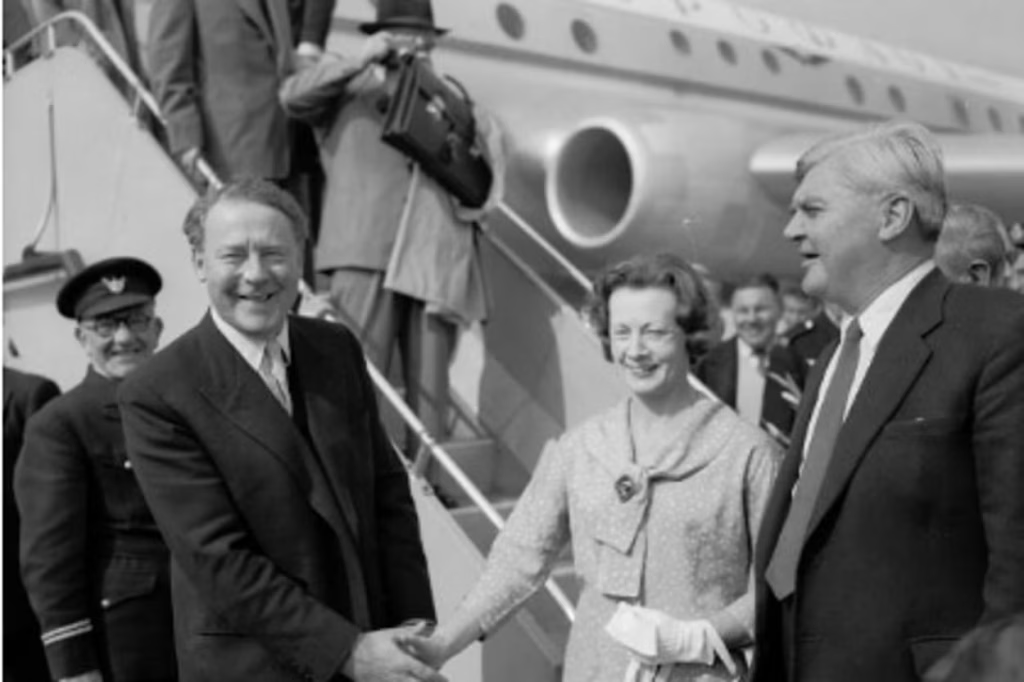
The flagship of Labour’s welfare reforms was the NHS. An act of parliament in 1946 opened the way for the NHS but it did not begin to function until July 1948. Some form of national health service had been discussed for several years but the actual NHS that was established was very much the work of Nye Bevan, Labour’s Minister for Health and Housing. However, Bevan’s ideas provoked considerable controversy.
Before 1945, health care was not free. National insurance provided some free cover, but did not extend to all workers or to wives and children; nor did it cover all forms of medical treatment. Doctor’s and hospital bills could be a heavy burden for the longterm sick or those on low incomes. Mothers tended to neglect their own health rather than their children’s, and serious illnesses were often diagnosed too late or could not be treated properly. This was the situation that the NHS was supposed to put right. There was broad agreement on the principles behind Labour’s proposals, but actually implementing the plans for the NHS was a long and difficult battle, fought by Nye Bevan against vigorous opposition from elements of the Conservative Party and the medical profession. Doctor’s were self-employed, earning fees from their patients or their patients’ insurance companies, friendly societies or trade unions. Hospitals funded themselves from patients’ fees, or through charitable collections. There were many types of hospital with little central control over the way they were run. The idea of doctors having to work as and where the state directed them was fiercely resisted by many doctors.
Labour’s Welfare Reforms
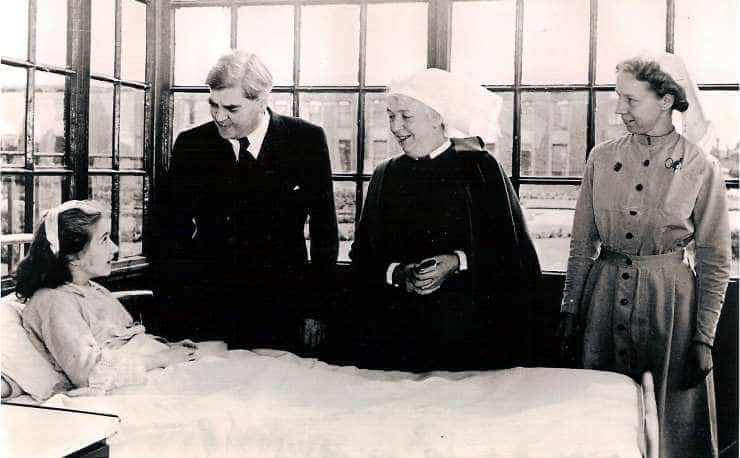
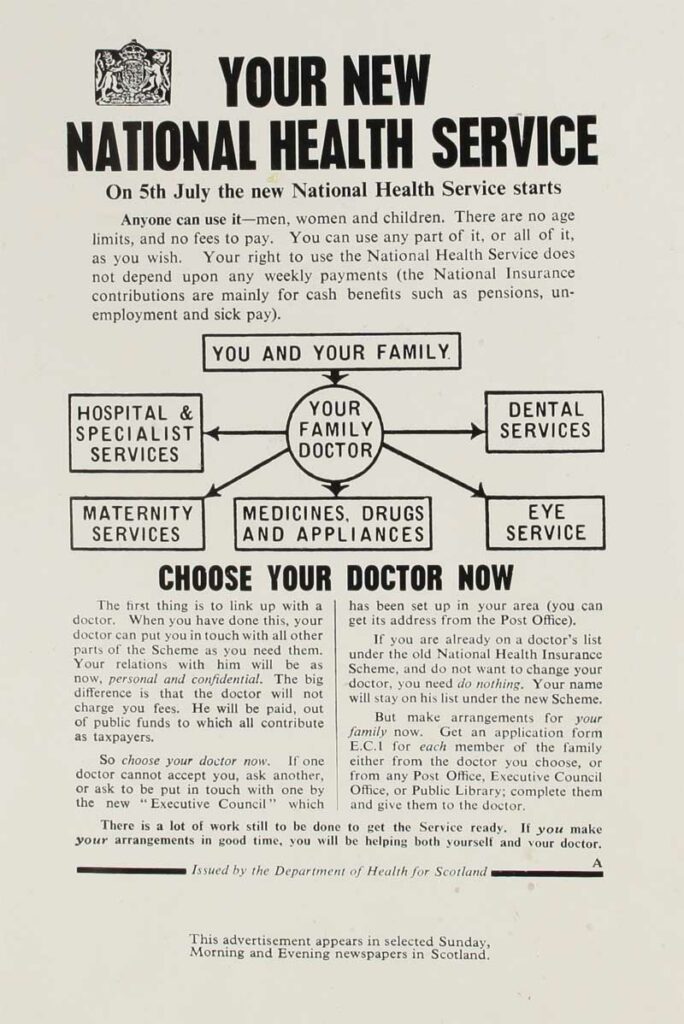
How successful was the NHS?
→ Initially a limitation was shortage of trained staff and of buildings. For example, were only 10,000 dentists to cater for 47 million people in 1948. hospital buildings were often dreary, old fashioned and ill suited for purpose. Local health centres, which were intended to be central to the new service, were slow to develop. The first one was not opened until 1952.
→ Another massive problem was cost. Nobody had been able to predict that the financial effects of universal free provision would be – and the costs were much greater than expected. Spending on the NHS almost doubled between 1948 and 1951 and it proved very difficult to bring the costs under control.
→ Over 187,000 prescriptions were issued in the first year; 8.5 million dental patients were treated; 5.25 million pairs of spectacle were prescribed. – Lots of social groups that had previously been unable to afford regular health care such as mothers of large, low income families, could now do so. Major improvements in public health took place in the late 1940s and early 1950s. infant mortality, a useful general measure of health, fell dramatically after 1948 and so did cases of tuberculosis.
→ The NHS rapidly gained public acceptance. It soon became Labour’s single most popular welfare reform. 95% of the population enrolled with NHS doctors and dentists. Some 88% of the doctors and 95% of dentists agreed to join the service.
→ The medical profession who had opposed the NHS from 1946 soon came to be its staunchest defenders.
Why did Labour lose the 1951 election?
How important were Labour weaknesses?
The post-war Labour governments of 1945-50 and 1950-51 had achieved a great deal and laid down some political principles that would be followed by all governments until 1979. However, despite its achievements, the Labour government was not as strong as it had been in its early years of office. There were a number of areas in both the party and its policies with which the public were dissatisfied.
The difficulties of dealing with the post-war economic and financial problems had exhausted many of the cabinet. In the public’s mind the party had become associated with the policies of austerity, rationing and high taxation, which most of the public – particularly the middle classes – longed to see ended. The Labour government had also involved Britain in the Korean War in 1950, which only added to the financial strains. Not only was the party exhausted, it was also divided. The division was seen most clearly in the imposition of charges for dental treatment, prescriptions and glasses, which appeared to undermine the principle that the NHS should be free at the point of treatment. This issue was bitterly debated within the party and eventually led to the resignation of the left-wing firebrand Minister of Health, Anuerin “Nye” Bevan.
The election results of 1950 also placed Labour in a difficult position. They were left with a working majority of only 5 MPs in the House of Commons. Attlee was aware that should some of his own MPs vote against the party line (which seemed increasingly likely due to the many divisions within the party) then the party would become unable to pass legislation through the Commons. Attlee knew that at some point he would have to call another election to try to increase the party’s majority.
However, although it is possible to argue that Labour failings were responsible for their defeat in 1951, this interpretation is not supported by their performance in the election. Their number of votes in 1951 was, at that point, the highest polled by any party in British political history.
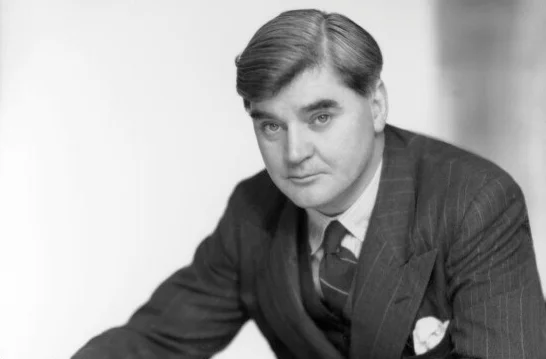
Austerity: Policy where the
government deliberately hold back living standards i.e.
through continuing rationing in an attempt to limit spendingKorean War 1950-1953: Communist North Korea, backed by Russia and China, invaded the non-communist South Korea in 1950. The US led a United Nations force in support of South Korea, with backing from Britain. Led to dramatic increase in British military spending.
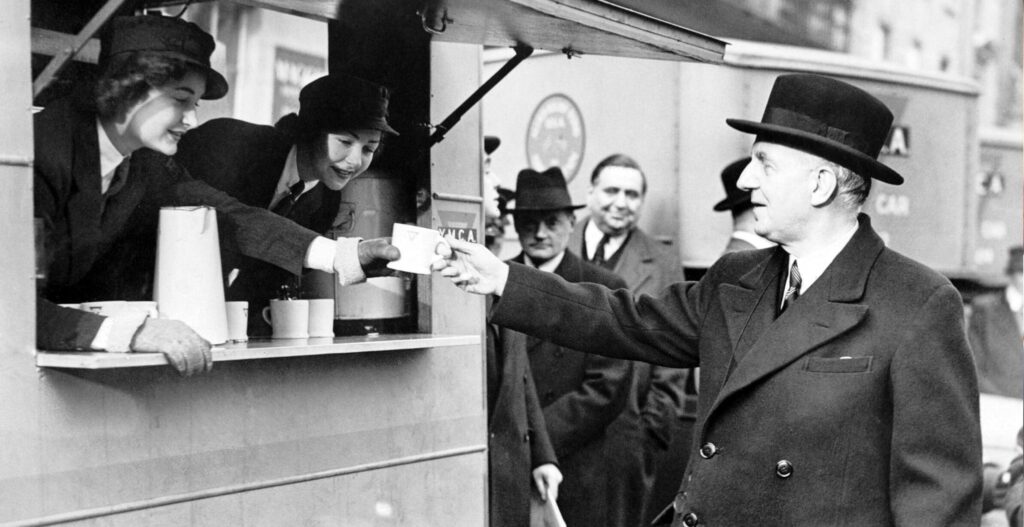
Nationalisation: Bringing of key industries under state control. Labour had nationalised up to 20% of the economy during the period 1945-1951
How important were Conservative Strengths?
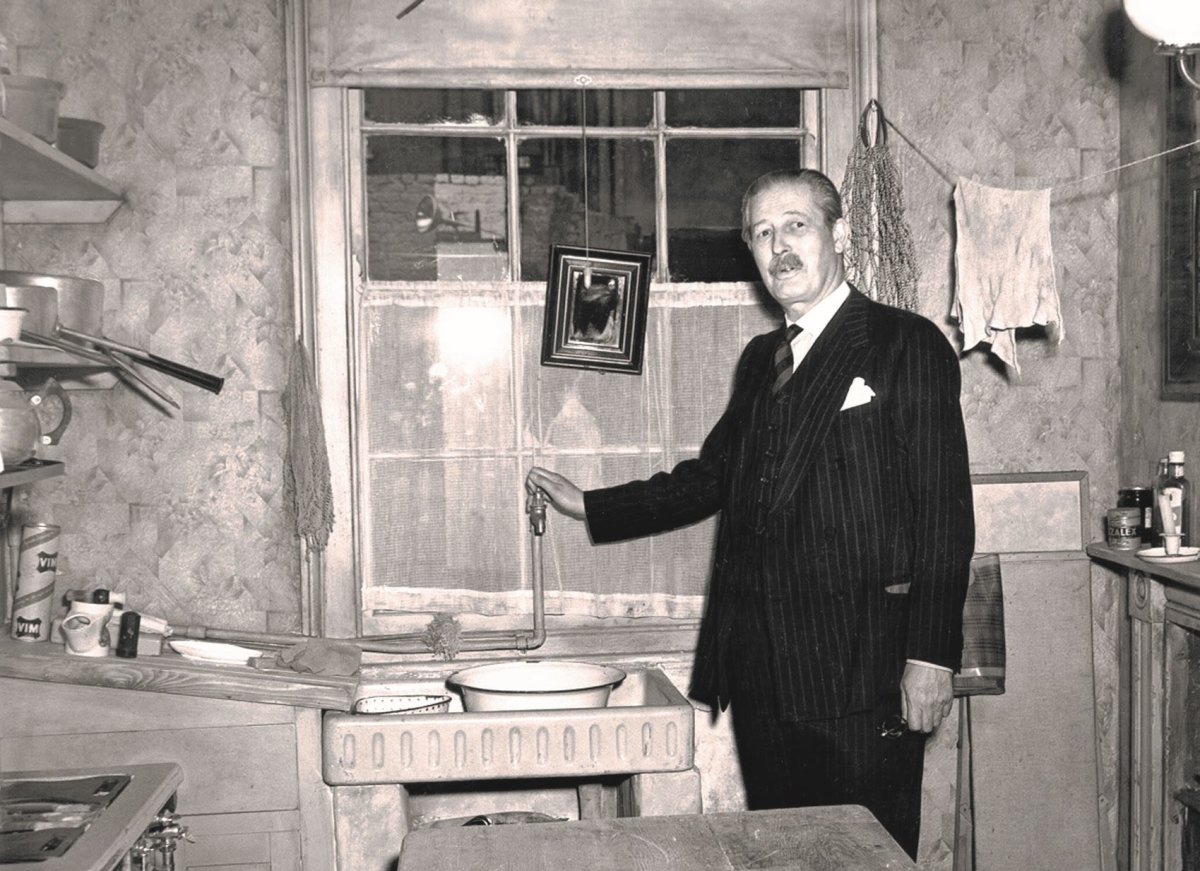
It would be wrong to see the result of the 1951 election as mainly a vote against the Labour Party as there were many positive aspects to the Conservative campaign. The party were undoubtedly shocked by their defeat in 1945, but by 1950 had put in place both policies and a reorganisation of the party that allowed them to recover and take advantage of Labour difficulties.
Accounts often overlook the vital work of Lord Woolton, who reformed party finances and local organisation, so that the party was in a stronger
position to challenge Labour. He was aided by an influx of young talented
politicians into the party, such as Reginald Maudling, who gave the party new ideas and dynamism. Labour’s nationalisation of the iron and steel industry provided a contentious issue around which the party could challenge the government.
The party also offered an attractive programme. They promised to build 300,000 houses a year – a winning proposition given the serious housing shortage, despite Labour overseeing the building of an average of over 200,000 houses a year – and to give the people “more red meat” at a time when meat was still being rationed. The party had also made it clear that they would not reverse Labour’s achievements and that they were fully committed to the welfare state. In practice, this meant that after a period of dramatic innovation, the Conservatives would consolidate. In 1945 the nation had wanted change and abandoned the party associated with appeasement; this time they abandoned the party associated with austerity.
Finally, Winston Churchill was still a popular figure. Although he had lost the 1945 election, many still saw him as a hero for leading the country to victory in the war and wanted to thank him.
1951 Election Results
| Party | Votes | Seats | % of Vote |
| Conservative | 13,717,538 | 321 | 48 |
| Labour | 13,948,605 | 295 | 48.8 |
| Liberal | 730,556 | 6 | 2.5 |
| Other | 198,969 | 3 | 0.7 |
FIRST PAST THE POST: A system by which a parliamentary candidate is elected if they win more votes than any other in their constituency. The party which wins the election overall is the party with the most MPs – no account taken of the total proportion of the vote they received nationally.
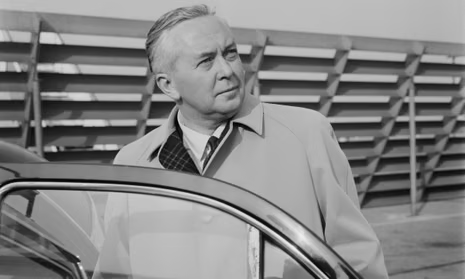
“Hugh Gaitskell and Nye Bevan were as temperamentally
and politically opposed to one another as it was possible to be within a single political party. I had relations of fairly long standing with both of them …. Nye was suspicious of university-trained MPs, particularly those from Oxford and above all economists.
One thing soon became clear about Hugh. He was certainly ambitious and had close links with the right-wing trade unions. It was not long before that ambition took the form of a determination to outmanoeuvre, indeed humiliate ANEURIN Bevan. Hugh, for his part, despised what he regarded as emotional oratory, and if he could defeat Nye in open conflict, he would be in a strong position to oust Morrison as the heir apparent to Clement Attlee.”
Harold Wilson in his memoirs
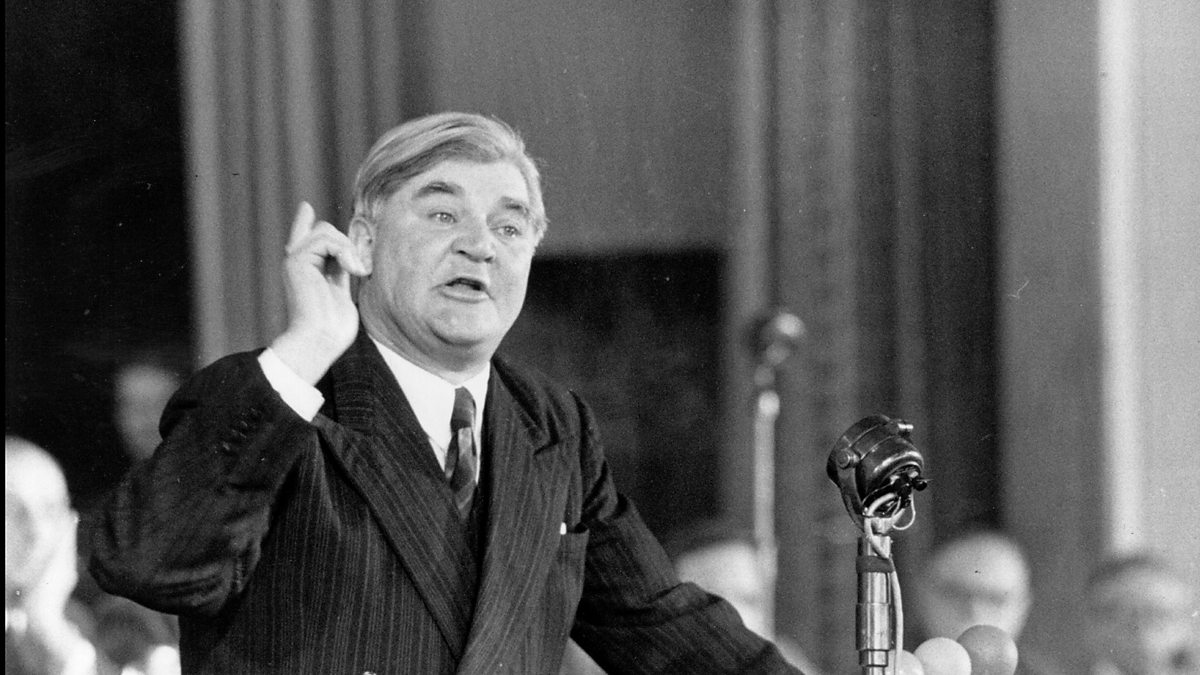
“I have made it clear to you, the Prime Minister, and Gaitskell that I consider the imposition of charges on any part of the Health Service raises issues of such seriousness and fundamental importance that I could never agree to it. If it were decided by the Government to impose them, my resignation would automatically follow. …. I am not such a hypocrite that I can pretend to have amiable discourses with people who are entirely indifferent to my most strongly held opinions.”
Nye Bevan, letter to Stafford Cripps July 1950
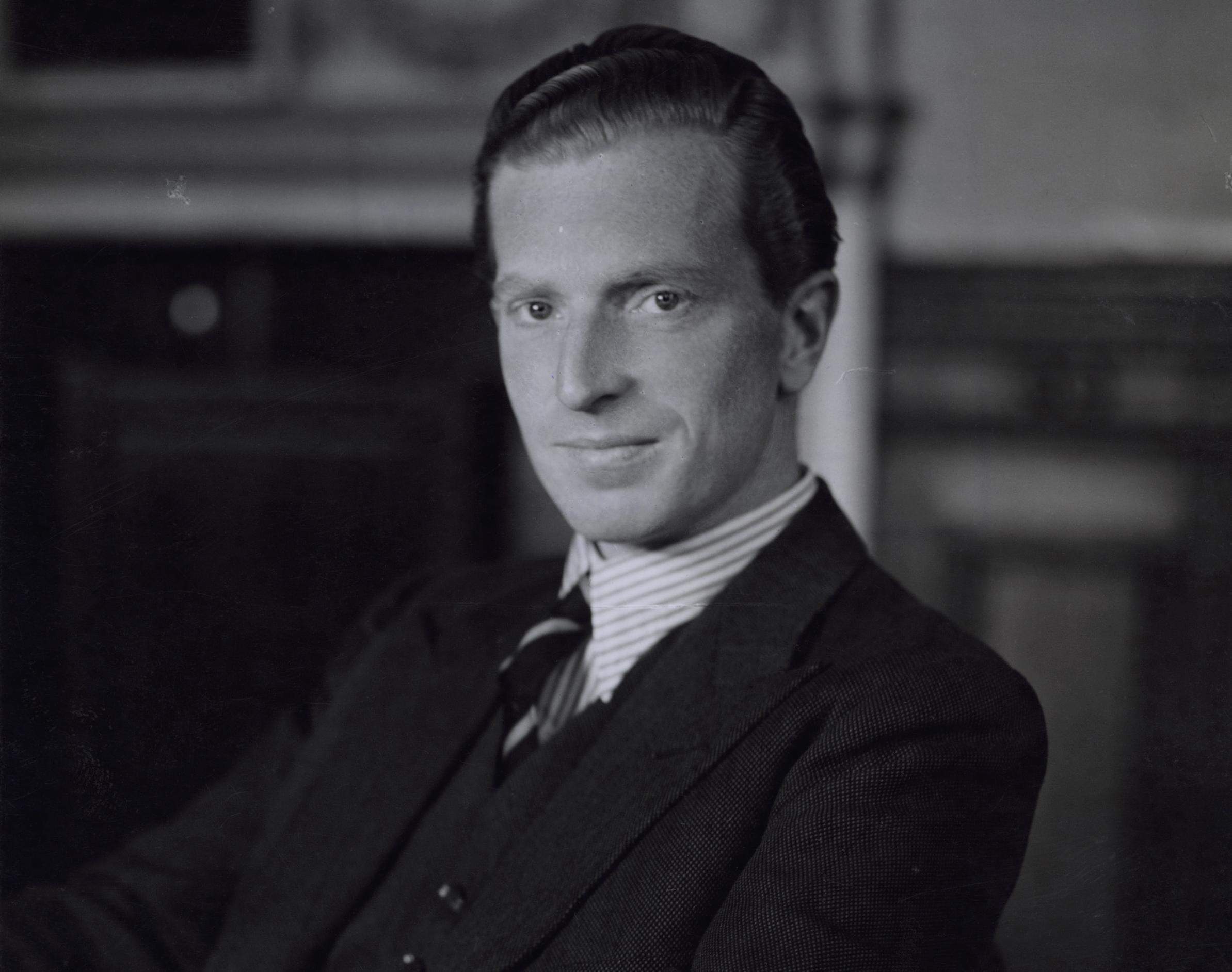
“The Budget is popular in the Parliamentary Party, even among those who have indicated sympathy for your point of view. It will be popular, though perhaps less so, in the Labour movement in the country. If you resign now on the Budget there will be amazement as well as anger among our colleagues, and the consequences to the Party which would in any circumstances be extremely grave, will be catastrophic. Your own position, and the views we share will be, for some time ahead, seriously compromised. The impending election will find us disunited, without policy and with the reactionaries in full charge of the Party machine which will be used unscrupulously against you and those who stand with you. The result will be a debacle of 1931 proportions – and little or nothing gained.”
John Freeman letter to Aneurin Bevan (April, 1950)
“In previous conversations with you, and in my statements to the Cabinet, I have explained my objections to many features in the Budget. Having
endeavoured, in vain, to secure modifications of these features, I feel I must ask you to accept my resignation.
The Budget, in my view, is wrongly conceived in that it fails to apportion fairly the burdens of expenditure as between different social classes. It is wrong because it is based upon a scale of military expenditure, in the coming year, which is physically unattainable, without grave extravagance in its spending.
It is wrong because it is the beginning of the destruction of those social services in which Labour has taken a special pride and which were giving to Britain the moral leadership of the world.
I am sure you will agree that it is always better that policies should be carried out by those who believe in them. It would be dishonourable of me to allow my name to be associated in the carrying out of policies which are repugnant to my conscience and contrary to my expressed opinion.
I am sorry that I feel it necessary to take this step after so many years of cooperation in a Government which has done so much for the cause of Labour and the progress of mankind.
I need hardly say that my adherence to the cause of Labour and Socialism is stronger than ever and that I believe that renewed efforts by all of us will result in another thrust towards the goal of our hopes.”
Aneurin Bevan, letter to Clement Attlee (22nd April, 1951)
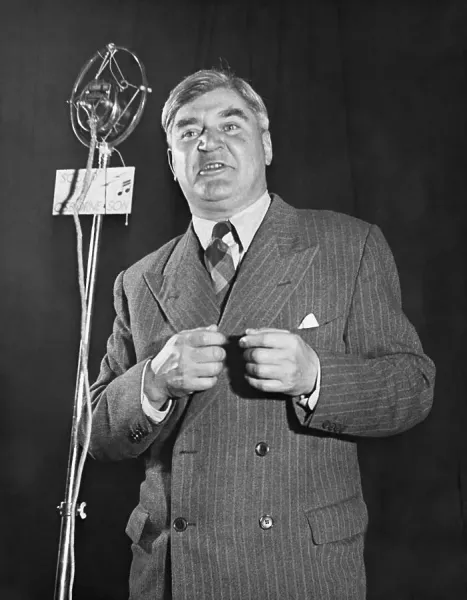
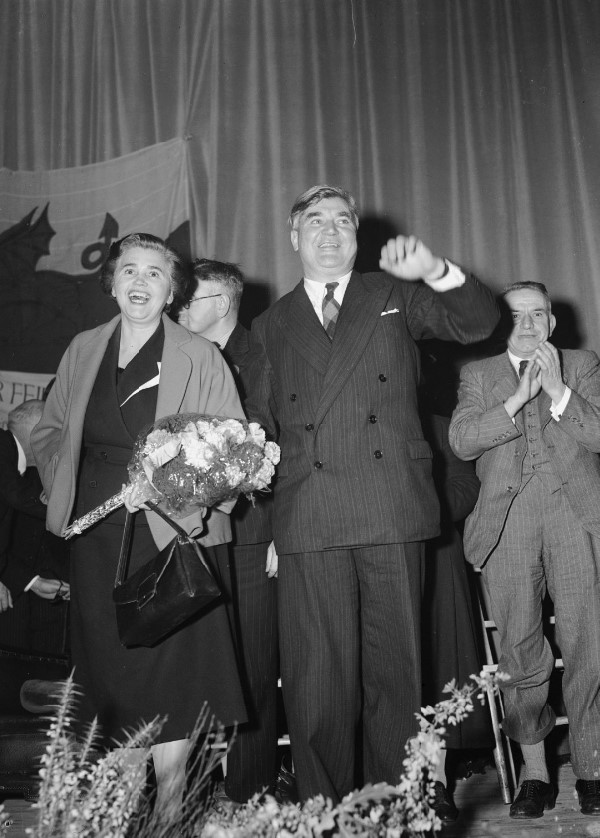
“I now come to the National Health Service side of the matter. Let me say to my hon. Friends on these benches: you have been saying in the last fortnight or three weeks that I have been quarrelling about a triviality – spectacles and dentures. You may call it a triviality. ….
The Chancellor of the Exchequer in this year’s Budget proposes to reduce the Health expenditure by £13 million – only £13 million out of £4,000 million. No, £4,000 million. He has taken £13 million out of the Budget total of £4,000 million. If he finds it necessary to mutilate, or begin to mutilate, the Health Services for £13 million out of £4,000 million, what will he do next year? Or are you next year going to take your stand on the upper denture? The lower half apparently does not matter, but the top half is sacrosanct…
The Chancellor of the Exchequer is putting a financial ceiling on the Health
Service. With rising prices the Health Service is squeezed between that artificial figure and rising prices. What is to be squeezed out next year? Is it the upper half? When that has been squeezed out and the same principle holds good, what do you squeeze out the year after? Prescriptions? Hospital charges? Where do you stop?”
Aneurin Bevan, resignation speech (23rd April, 1951)
Conservative Leadership
Leadership of Churchill: 1951-1955
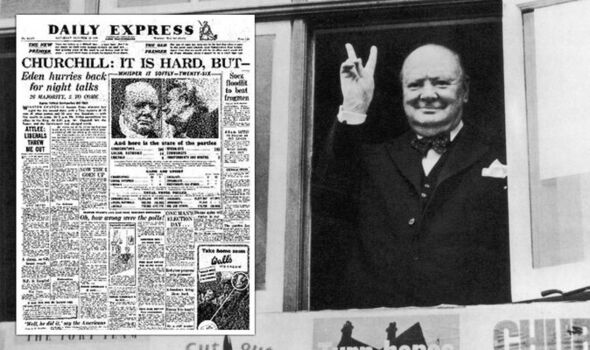
Churchill, like most of the country, was aware of the enormous support for Labour, as witnessed in the 1945 election, and also of the widespread support for its reforms. He was anxious to establish a liberal Conservative government that would work essentially within the same fundamental policy areas. He did not want a return to the party political bitterness of the 1930s. He would be a “consensus” prime minister, accepting the welfare state, the need for a massive house building programme, conciliation with the trade unions and even a large nationalised segment of the economy.
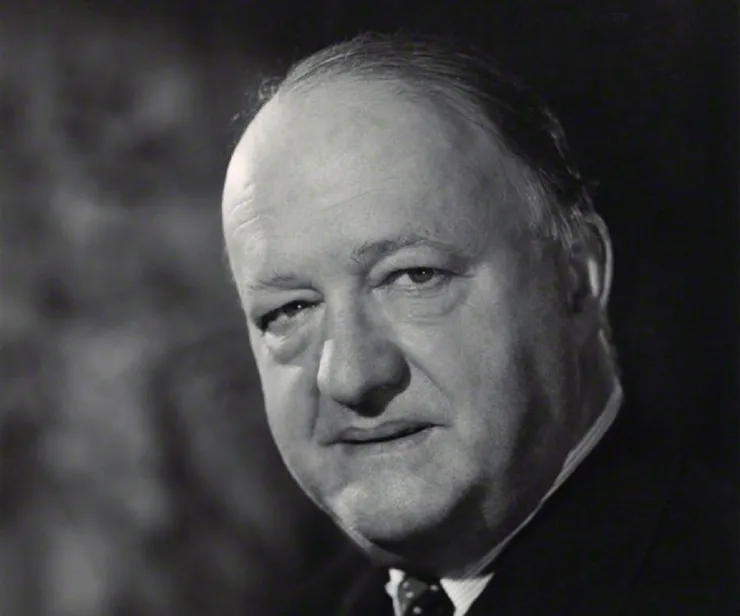
However, much of the developments in the direction of party in the aftermath of defeat in 1945 came from Butler. He was involved in the production of the 1947 party “industrial charter”, in which the Conservatives accepted the principle of a “mixed economy” of private and state ownership. His association with the 1944 Education Act indicated that he was also concerned with social issues, an area that many perceived the Conservatives ignored. Once in office as Chancellor, his policies were little different to those of Labour, but they did allow the Conservatives to appeal to the centre ground of politics. It was therefore Butler, rather than Churchill, who was responsible for modernising the party and helping Eden to secure victory in the 1955 election.
The Suez Crisis 1956
This conflict between Britain, France and Israel against Egypt which took place in October–November 1956. The Egyptian leader, Nasser, had nationalised the Suez Canal in order to raise money. Despite pressure, Nasser refused to reverse his policy and Russian support at the UN prevented any action there. As a result, an Anglo‑French attack was launched. However, the USA condemned the action at the UN and Russia threatened to use rockets against the invaders. International pressure, opposition among the British people and attacks from the Labour Party led to a British withdrawal.
Leadership of Eden: 1955-1957
Anthony Eden replaced Churchill as prime minister in 1955 and soon after called an election that resulted in an increased Conservative majority, in part due to his personal appeal, particularly to many women voters, but also due to the work of Butler. Eden could be charming, and few could rival his knowledge of diplomacy and other world leaders, all of whom he knew. Despite this, his administration was short-lived, and Eden certainly suffered from several deficiencies, not least from waiting for the expected leadership so long. His experience was almost totally in foreign affairs, and he was not well. An operation in 1953 had gone badly wrong, and he remained in pain and subject to fevers. He was also highly strung, superb at public performances but given ages in private and pointless interfering with colleagues, endlessly telephoning them for reports.
However, the end of his leadership came about largely due to one event: the Suez Crisis of 1956. Eden had been Foreign Secretary for many years, and with the press criticising his rather lacklustre domestic policy, he was determined to achieve success abroad. However, in the Suez Canal Eden misjudged the mood of the people and was heavily criticised by the Labour Party for his “mad venture”.
Although Britain was not militarily defeated, Eden’s decision to withdraw was seen as evidence of a lack of political will. With most of the rest of the world condemning British actions, it was a clear sign that the country was no longer a major power. Less than three months after the incident, Eden stood down as Prime Minister. The official reason was ill health, and there was certainly some truth that he was unwell, but his own personal standing had been undermined by events, and he was replaced by Harold Macmillan as leader. Given the damage the affair had done to the party, Macmillan was fortunate that he did not have to go to the electorate until 1959, as an election in the aftermath of Suez might have seen the Conservatives defeated.
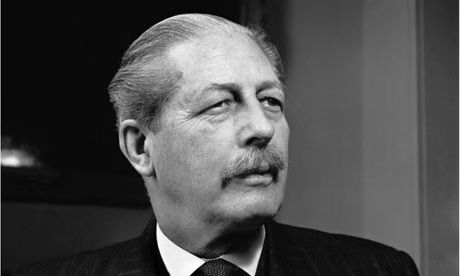
Leadership of Macmillan: 1957-63
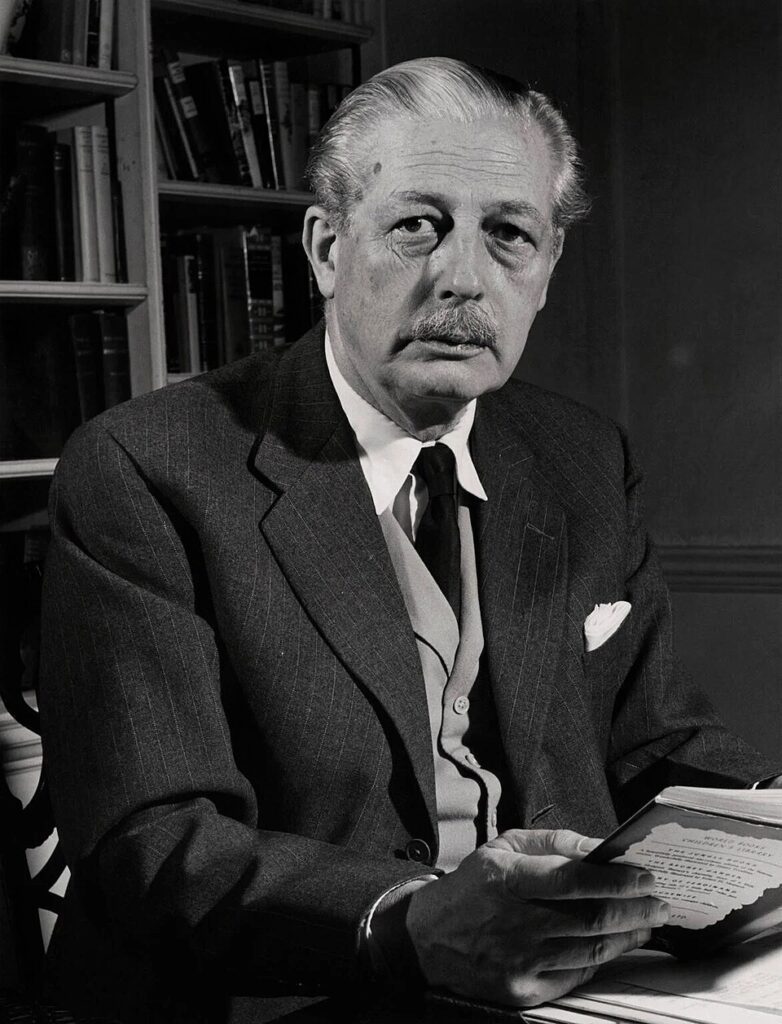
Harold Macmillan led the Conservative Party from 1957 to 1963. During that time, he won the 1959 election and increased the Conservative majority to 100, despite the election being held just three years after the disastrous Suez Crisis. Although he was fortunate to preside over a period of growing prosperity and affluence, at least until his latter years in office, his personal appeal to the electorate also played a crucial role. His television appearances won him much support, and despite satirists mocking him as “Super Mac”, he was able to turn this image to his advantage with the famous comment, “Never had it so good”. However, not all of the Conservative strengths should be attributed to Macmillan. The work of Butler as home secretary, with the Homicide Act, gave the party the appearance of changing its traditional and often reactionary attitudes. The 1959 election was the high point for Macmillan.
→ By 1961 a balance of trade deficit was evidence of a downturn in the economy as the country was importing more than it was exporting.
→ By 1962 unemployment was rising and the number of days lost to strikes was increasing.
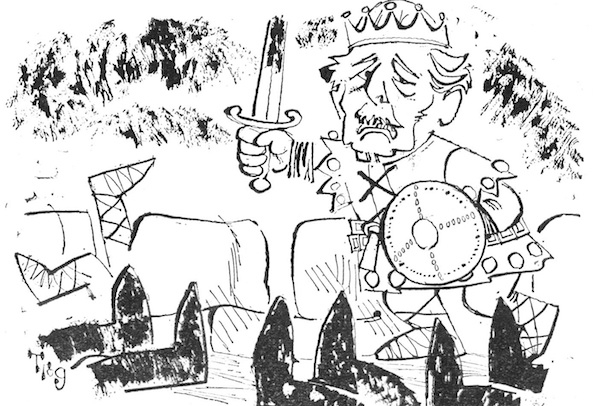
In order to try to breathe new life into a tired government, Macmillan reshuffled his cabinet in July 1962. The sacking of seven cabinet members and nine other ministers became known as the “Night of the Long Knives”, an over-dramatic comparison with Hitler’s 1934 massacre of supporters. It did not have the desired impact and “Super Mac” became “Mac the Knife” as opinion polls saw Conservative popularity fall. Macmillan was also the victim of circumstance beyond his control.
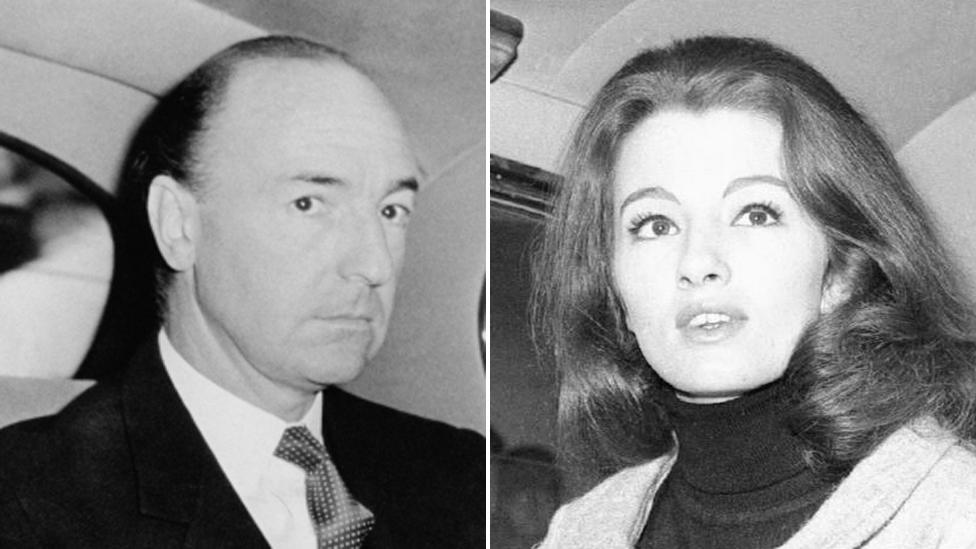
Macmillan gained the reputation of a world-class statesman, in part through his realisation that the British Empire had to be dismantled, despite protests from within the party. He made this clear in 1960 with his call for the need to recognise “the wind of change” blowing through Africa and grant independence to those who wanted it. However, it was also foreign affairs that further damaged his and the party’s image. First, developments in the Cold War in the early 1960s revealed that Britain was no longer a major power. Second, the French vetoed Conservative attempts for Britain to join the EEC. The government was then hit by a series of scandals, most notably the Profumo Affair in 1963. Although Macmillan cannot be blamed for this scandal as it was due to the failings of one minister – his Minister of War John Profumo, critics suggested he was losing his grip and Lord Denning, a senior judge who produced a report on the affair, criticised him for not acting quickly enough.
Not only had Macmillan been damaged by these events, but he was also ill and announced his intention to resign. Macmillan’s final act as leader was to ask the party to follow “customary processes” in choosing his successor, but this process damaged the party’s image and contributed to its defeat in 1964.
EEC
The European Economic Community, the forerunner of today’s European Union, was established in 1957 and was made up of France, West Germany, Italy, Belgium, the Netherlands and Luxembourg. It established a trading system between
member states which had the minimum of controls, while members were also forced to impose tariffs on goods from non-member states so that they were uncompetitive.
*circa 1963
Leadership of Douglas-Home: 1963-64
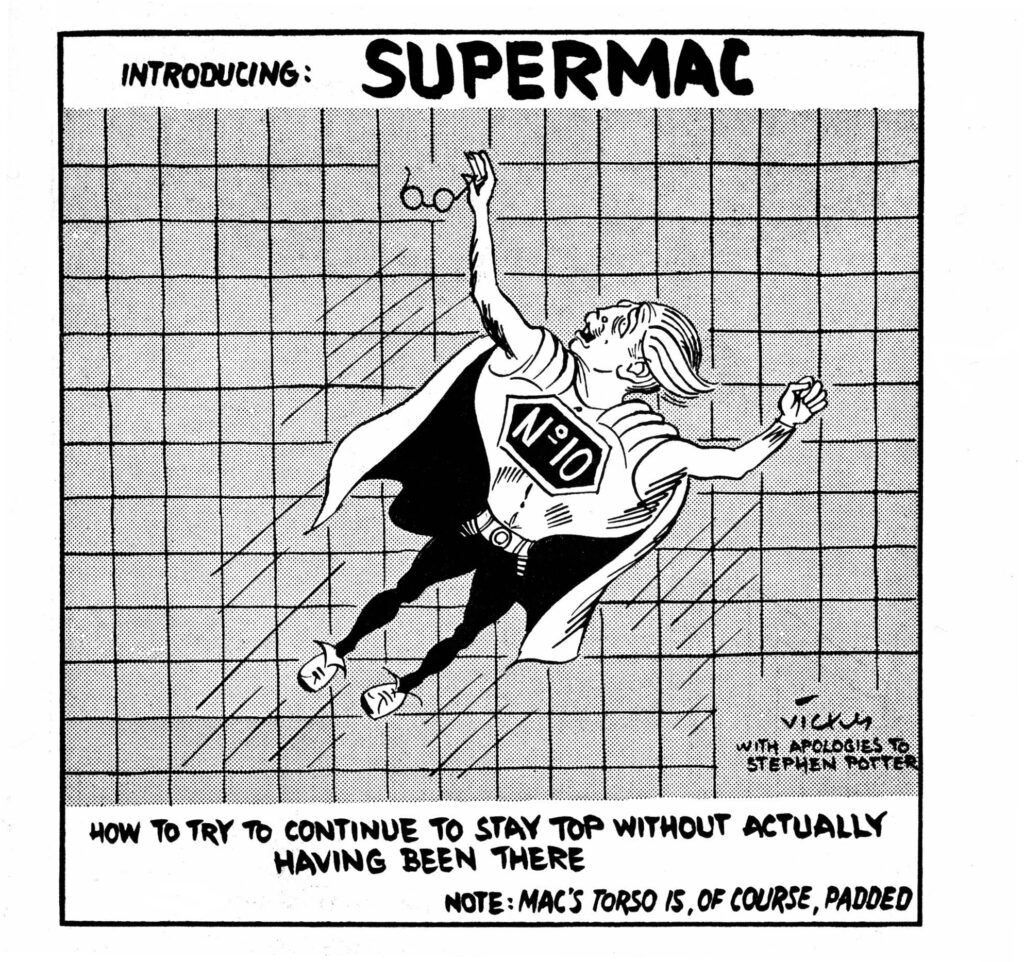
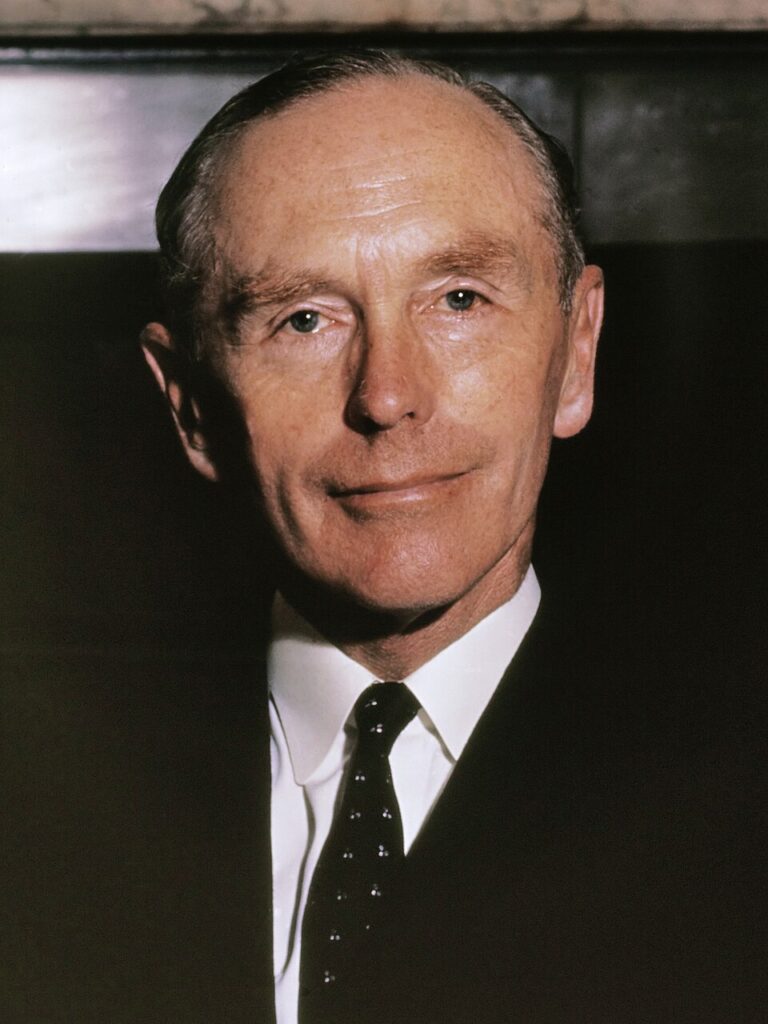
Macmillan’s illness and tiredness following the scandals such as the Profumo affair resulted in his announcement that he intended to resign. The leadership appeared to be a contest between Lord Hailsham and R.A. Butler. Many believed that Butler would take the opportunity to eventually become leader. However, Macmillan did not wish to see Butler succeed him and used his position to advise the Queen to invite Sir Alec Douglas-Home to be prime minister. Initially Macmillan had backed Hailsham, but eventually he believed Home was a safer choice.
The process of choosing a leader by sounding out the cabinet and MPs was seen as rather ridiculous in a democratic age, particularly as it brought to power a man of aristocratic background who was perceived by many to be out of touch with ordinary people. Douglas-Home was chosen by an old-boy network, which included many old Etonians; a clear sign to many that the Conservative Party had not changed its image. There was resentment among many party members, and Enoch Powell and Iain Macleod stated they would not serve under Douglas-Home. Although Douglas-Home was affable and popular within the party, he faced a revitalised Labour party with a new programme, under the youthful and dynamic leadership of Harold Wilson. It was therefore perhaps unsurprising that Labour won the election that followed within a year of Douglas-Home taking office; what was perhaps more surprising was the narrowness of the Labour victory.
Socio-Economic Developments
Conservative Dominance: Domestic Policy
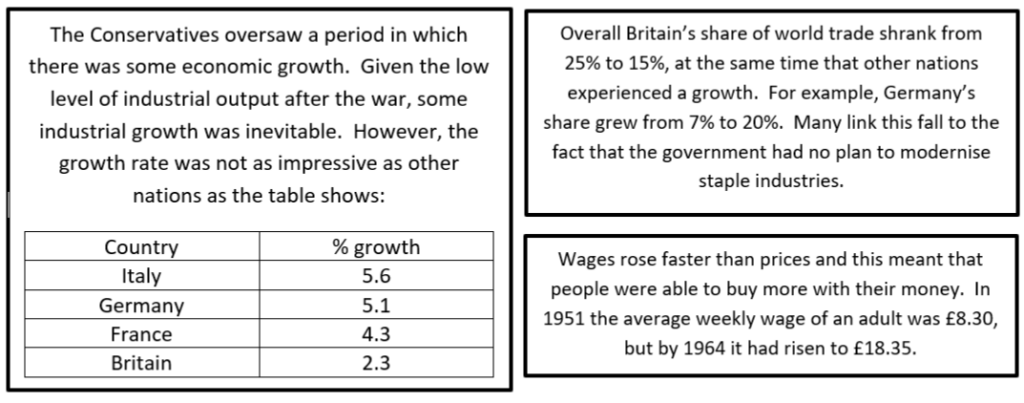
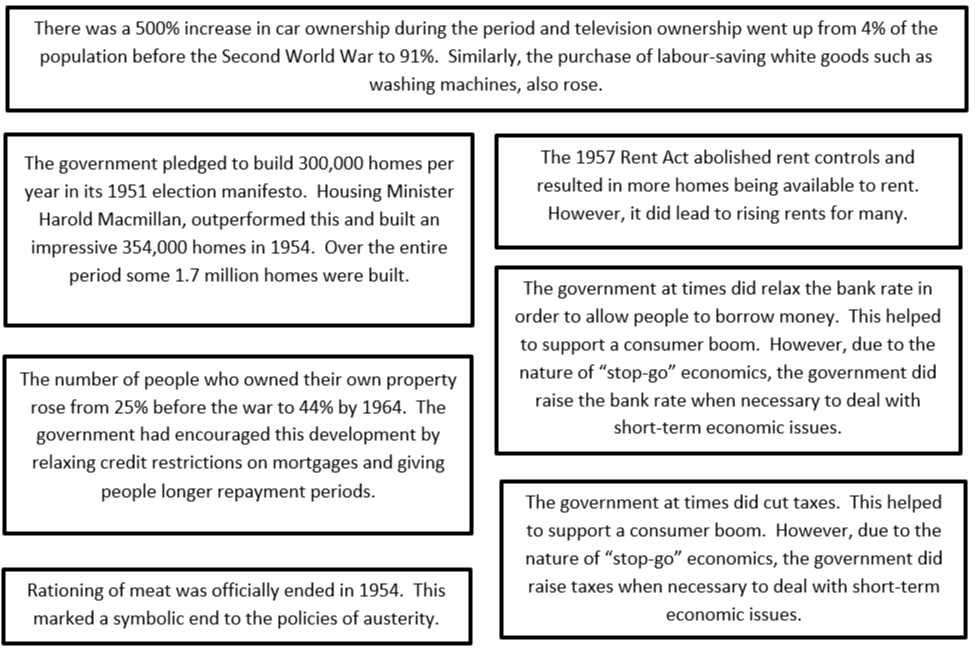
The key figure on the domestic front was of course R.A. Butler, the Chancellor of the Exchequer. On assuming office he was faced by an immediate balance of payments deficit of some £700 million, inherited from his predecessor. Butler responded with a fairly savage programme of cuts – on imports especially, but also on credit, travel allowances, food subsidies, and even the meat ration. The bank rate was raised from two to four per cent. By 1952 the deficit had been wiped out, and a surplus of £259 million had accumulated. For the next three years there was no balance of payments problem. As “Rab” rightly accepts in his memoirs, this success was due to more external factors, particularly the end of the Korean War and a marked fall in import prices, than to his own policies. But nonetheless men’s weekly wages were going up (£8.30 in 1951 to £15.35 ten years later), there was a massive increase in private savings, car-ownership and home-ownership. Also to the joy of many a housewife, rationing was ended in 1954.
This initial success was the prelude to a period of economic expansion. Income tax was cut in later budgets in 1952 and 1953, and the bank rate was reduced; and the process of “setting the people free” was widely applied. Food rationing was abolished and most wartime controls over the economy were removed in 1953-54; at the same time road haulage and the iron and steel industry were returned to private ownership.
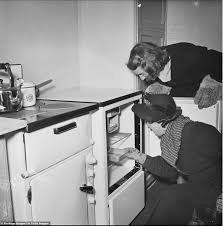
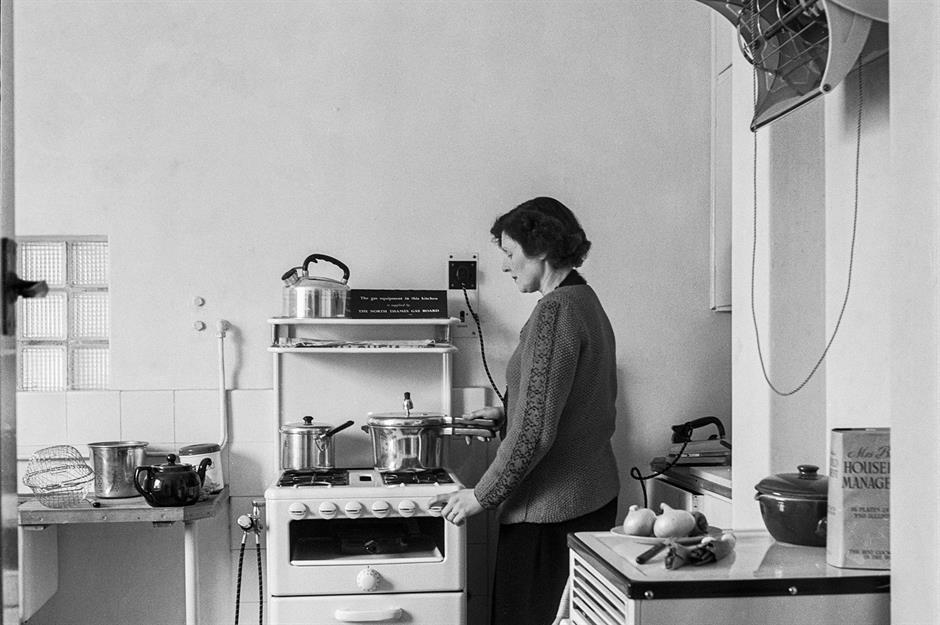
This Conservative freedom was both a cause and a result of the sharp rise in living standards which marked the 1950s. This was seen in the accumulation of personal savings, the increase in home ownership, and, above all, the increasing sale of consumer goods – especially cars, but also washing machines, refrigerators, and television sets. Of symbolic significance perhaps was the introduction by the Conservative government of commercial television in 1954.
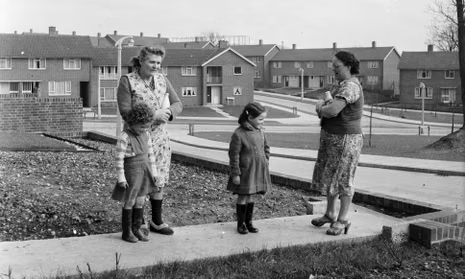
In many ways it is Harold Macmillan who is the real hero of the Churchill government of 1951-5. The Conservative electoral manifesto in 1951 had pledged the party to build 300,000 houses a year, and it was this target that the new minister set himself to fulfil. It was comfortably achieved. Figures of completed houses gradually increased, and reached a total of 327,000 for 1953 and 354,000 for 1954, when Macmillan was moved to the Military of Defence. This outstanding achievement was due not only to Macmillan’s energy and gift for public relations, but also to the powerful support he received from members of his department. He also, luckily, had the personal support of Churchill, which enabled him to get the housing subsidies he needed from a tight-fisted Treasury. The bulk of the houses constructed under the Macmillan regime still belonged to the public sector; but the proportion of private houses built gradually increased during this period and throughout the fifties. This was helped by a relaxation of the licensing system and the controls over land, as well as by easier mortgage facilities. By the end of 1954 about 30 per cent of houses built were for private sale; by the end of the decade the figure was well over 50 per cent.
This was a tremendous personal and political triumph for Harold Macmillan which pushed him into the front rank of Conservative ministers. There were critics at the time, however, who regretted the over-emphasis on domestic housing at the expense of long-term industrial building. It is true also that it was the better off sections of the working class, and the middle class, who gained the most from the government’s programme. But this was a social trend which was bound to benefit the Conservative Party electorally, as Macmillan certainly realised. Housing was only one branch of the social services where expansion took place after 1951. Expenditure on the social services under the Conservatives increased both in real terms and as a percentage of total public spending: it rose from 39.2 per cent of total public expenditure in 1951 to 43.0 per cent in 1955. Labour’s accusation that the Tories were out to destroy the welfare state was clearly wide of the mark.
Education was rather a backwater under the uninspiring minister, Florence Horsburgh. But Iain Macleod proved to be a vigorous Minister of Health. The main change in NHS financing was the introduction of a two shilling prescription charge, without any great public outcry – a proposal which had caused ructions in the Labour government earlier. Macleod also set up the Guillebaud Committee in 1953 to report on the finances of the NHS. In its report three years later it showed convincingly that the NHS was both efficient and cost-effective. Even so, there were enormous gaps and anomalies in public health expenditure, and the shortage of proper hospital provision in particular became increasingly evident in the 1950s.
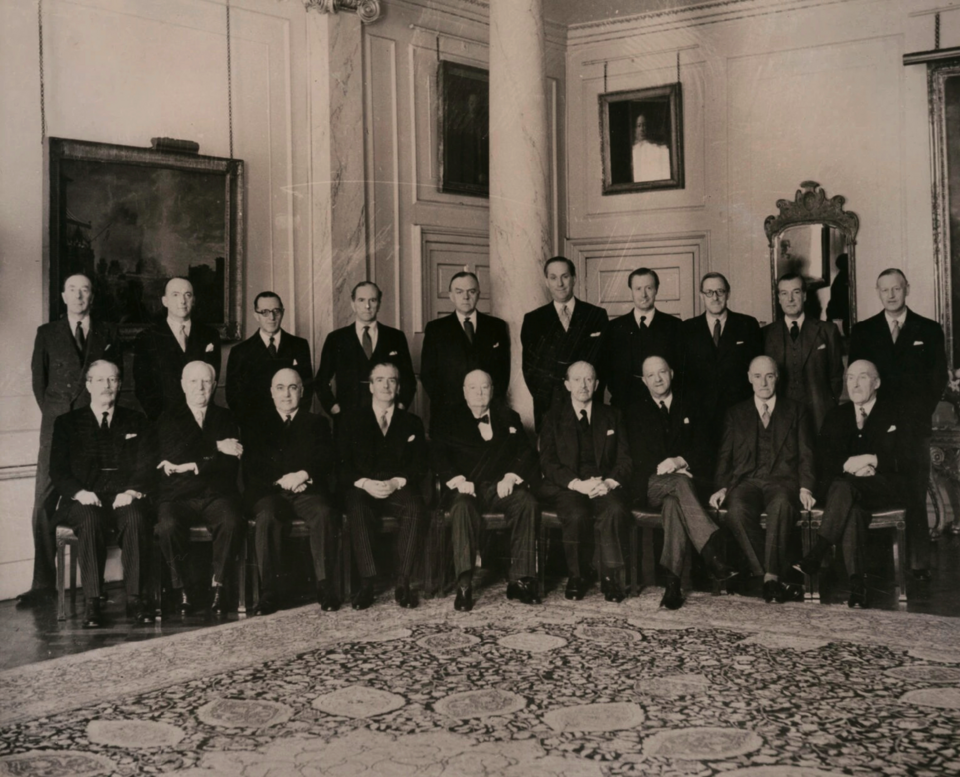
During the Churchill government, therefore, the Conservatives were content to accept the structure of the welfare state bequeathed to them by Labour fairly uncritically, though they also stressed the importance of private provision in the fields of housing, education and health. “In all social policy departments”, as Anthony Seldon, the government’s historian has written, “consolidation rather than innovation was the order of the day”. By the last months of 1954 it was fairly evident to everyone that Churchill – now over 80 – was no longer able to carry on as an effective Prime Minister. But he was still reluctant to go. In the end after much prevarication, and some pressure, the old man indicated that he would retire as Prime Minister in the spring. On 6th April 1955 Churchill gave up his office, and at last Sir Anthony Eden came into his long-awaited inheritance as Prime Minister.
BUTLER + GAITSKELL = ‘BUTSKELLISM’
CENTRAL PRINCIPLE OF CONSERVATIVE ECONOMIC POLICY

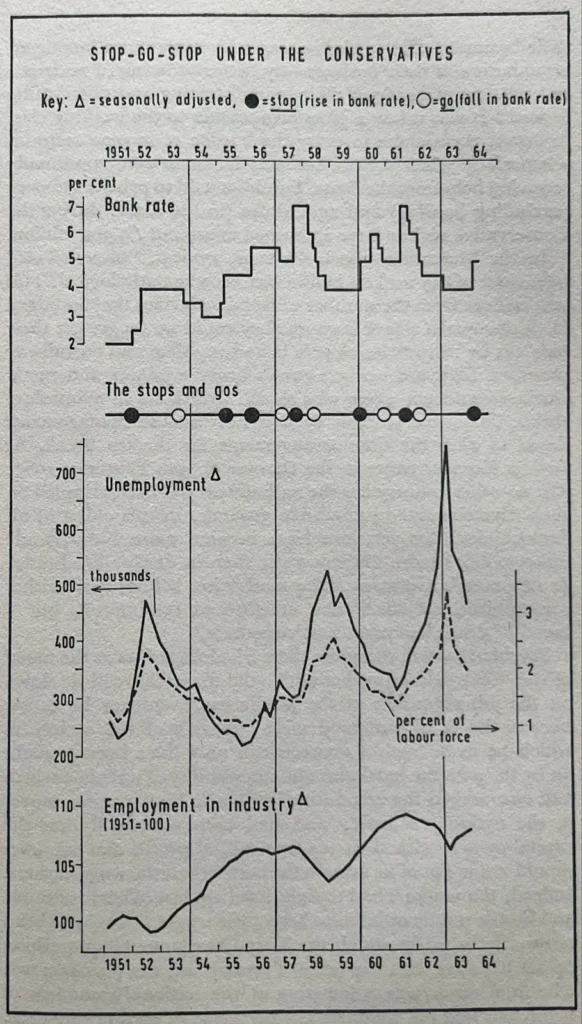
STOP-GO ECONOMICS
In the years 1951-1964, Conservative economic policy could be defined as at certain points being in a STOP phase or in a GO phase.
Conservative Domination: Economic Policy
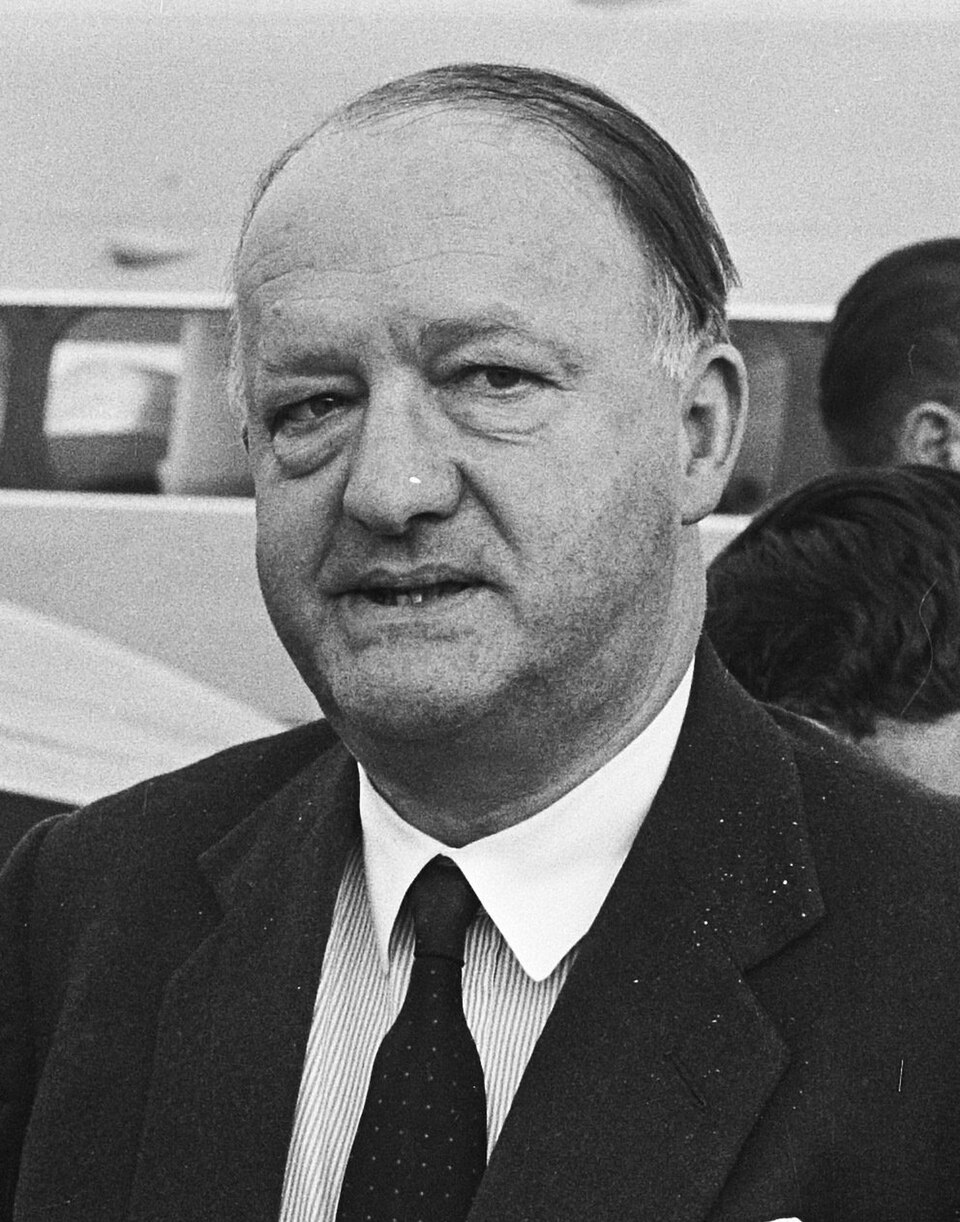
The economic policies of the numerous Chancellors in the years 1951-64 were very similar and consistent with the policies and style pursued by the Labour government of 1945-51. This was particularly noticeable under the chancellorship of R.A. Butler from 1951-55. In fact, so similar were his policies to those of Labour, that the term “Butskellism” was coined; bringing together the names and policies of the Conservative Chancellor and the previous Labour Chancellor Hugh Gaitskell. He increased government borrowing which allowed the government to continue to spend money, particularly on health, education and housing. The Welfare State saw increased spending throughout the period; the amount of GDP spent on it rose from 16% in 1951 to 19% in 1964. At the same time, the government attempted to achieve full employment while bringing about economic growth.
What is stop-go economics?
What might lead to a stop?
Balance of payments deficit: government spending more on imports than they are making from selling exports
Common policies in a stop phase:
→ Raising taxes
→ Raising the bank rate
→ Making spending cuts
Consequence: Creates a balance of payments surplus.
What might lead to a go?
Balance of payments surplus: government are making more from selling exports than they are spending on imports.
Common Policies in a go phase:
→ Reduction in taxes
→ Reduction of the bank rate
→ Increased government spending
Consequence: Wages Increase. Living standards increase alongside a rise in consumer spending. There may be temporary shortage of goods which leads to inflation. The government have to import more to meet demand – leads to a balance of payments deficit!
Conservative Dominance: 1951-1964 Historical Debate
“NEVER HAD IT SO GOOD”
VERSUS
“13 WASTED YEARS”
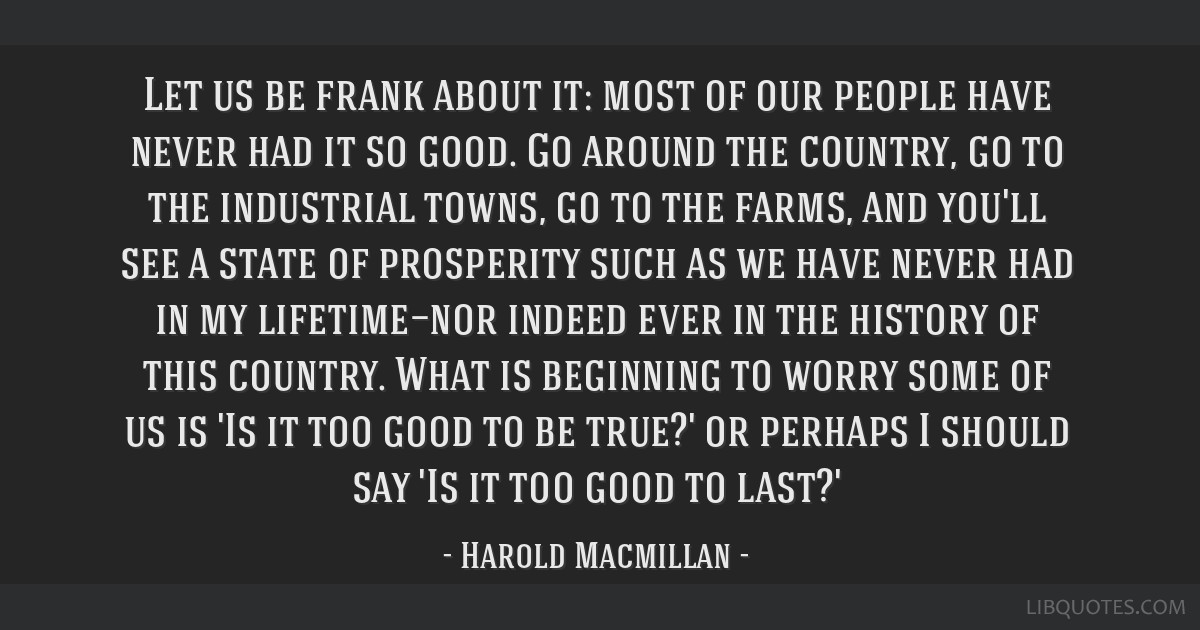
This historical debate on the Conservative performance 1951-64 centres around the claims made by the two main political parties, which, given their partisan nature, suggest that the truth is likely to lie somewhere between both claims. In 1957 Macmillan claimed in a speech to a Conservative rally in Bedford that “most of our people have never had it so good”, while Labour have described the period as “thirteen wasted years”.
There is much to support Macmillan’s claims as it was a period of continuously rising living standards and wages were certainly rising faster than prices, with wages going up 72 per cent and prices only 45 per cent. As the historians Alan Sked and Chris Cook have commented, “Everyone from the middle-aged mum with her domestic appliances to teenagers with transistor radios” agreed that after years of austerity they had the right to take advantage of the improvement. The Conservatives had also, according to Churchill in 1954, “improved all the social
services and are spending more this year on them than any government at any time”.
Certainly the years 1957-59 appear to be the high point of affluence and allowed the government to lower taxes and increase spending without causing serious economic and financial problems. However, even Macmillan in his speech warned that high public spending, rising living standards, full employment and low inflation were not all possible at the same time, so it would be unfair to argue that the government was not aware of problems in the economy.
Despite these warnings, there is still a different perspective to the economic and social policies that needs to be examined. Critics have argued that the governments did very little while in power, manipulating budgets for electoral gain and giving little impression of understanding how the economy worked. According to the alternative view, the governments were more concerned with maintaining Britain as a world power, whatever the cost to the economy, and paid little attention to the sluggish growth compared to Germany or other European states. These critics also argued that Conservative economic complacency ensured the necessary economic growth would not be generated: stop-go policies discouraged investment and too much money went into defence or abroad, as key industries, such as textiles or shipbuilding, were neglected. Even in the field of social reform critics argued that whatever growth there was did not reach the Welfare State. Pensions were updated, but erratically; and nothing was done to solve the problems of the NHS. In these accounts, Churchill’s main concern was survival; Eden’s priority was foreign policy; Macmillan, who was interested in social reform, presided over the period when an economic downturn impacted on expenditure; and Douglas-Home failed to change direction, perhaps justifying the title given to one book on this period, The Stagnant Society.
“A New Britain – mobilising the resources of technology under a national plan; harnessing our national wealth in brains, our genius for scientific invention and medical discovery; reversing the decline of the thirteen wasted years; affording a new opportunity to equal, and if possible surpass, the roaring progress of other western powers while Tory Britain has moved sideways, backwards but seldom forward.”
1964 Labour Party Election Manifesto
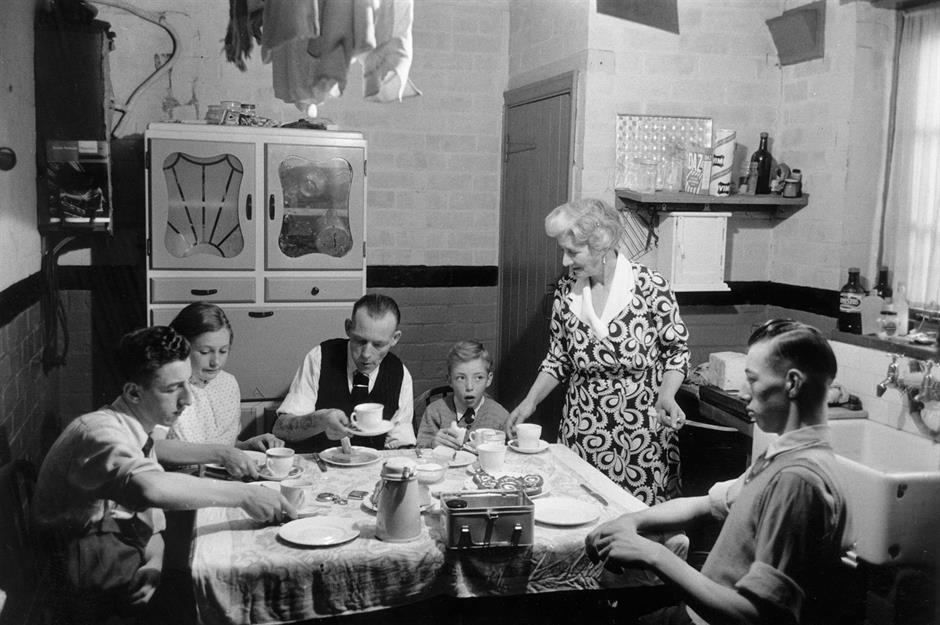
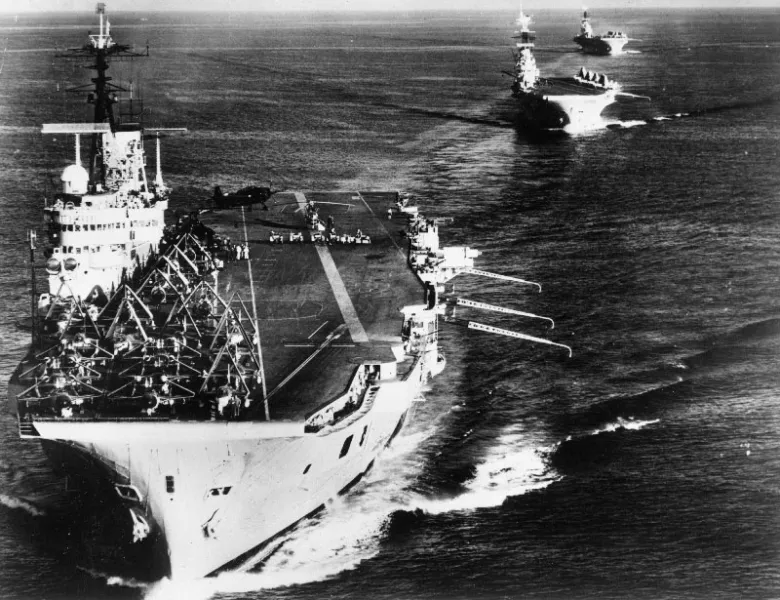
The two extracts below further develop the contrasting views outlined above. These passages focus on the 1950s, rather than the whole period, with the first passage supporting the view that it was a stagnant or wasted period, while the second supports Macmillan’s claim that Britain “never had it so good.’
“The object of every economic system is to increase the supply and range of consumer goods and services available to its people, in other words to increase the standard of living as fast as possible. In the long run, this can only be done by expanding production. When Butler was Chancellor (April 1955) the cost of living was deliberately pushed up by raising purchase tax on a wide range of goods, and at the same time a number of measures were taken to discourage capital investment. Butler’s policies were followed by his two successors; they were only reversed at the onset of the recession in 1958. What did this policy achieve? It did eventually succeed in slowing down the pace of wage increases which was one of the main factors behind the 1955 inflation. But it took nearly three years to do so, at the cost of a virtually complete industrial standstill and a number of financial crises and industrial disputes. It is too early to assess the longterm damage to the British economy from this period of enforced standstill, but it certainly left us with a lot of leeway to catch up.“
“By 1959 the economy stood on the edge of a great leap forward. Macmillan said in July 1957 that people had “never had it so good”. At the time he said it, it may not have been accurate; production figures in 1958 were no higher than in 1955. But between September 1958 and December 1959 there was a sudden explosive expansion, and Macmillan’s slogan dominated politics and everyday life. Partly because the expansion was started by making credit easier to come by, and partly because of a change in people’s wants, a great deal of the expansion was devoted to buying “consumer durables”. A majority of families had a washing-machine, about one family in three had a refrigerator, and in the south the proportion was higher; about one family in three owned a car. In 1955 40% of homes owned a television set; by 1959 the figure had risen to 70%.“
T.O. Lloyd, Empire to Welfare State: English History 1906-85, 1986
Post-war Consensus
There were several key reasons for the dominance of the Conservatives after 1951. However, a key reason was that the Conservatives recognised the extent of public approval for the legacy of the Attlee governments and knew that there could be no outright rejection of these popular policies. Attitudes towards industry, the trade unions and social policy were going to have to be very different from the 1930s because the experiences of the war years had made people far more ready to accept the need for state intervention and planning. The NHS had already assumed iconic status. Partly by conviction and partly by necessity, the new government accepted the existence of the so-called post-war consensus. However, the concept of the post-war consensus is sometimes rather cloudy and difficult to define. It was certainly not unanimous agreement – there were several sharp policy differences between the parties – but there were broad lines of convergence.
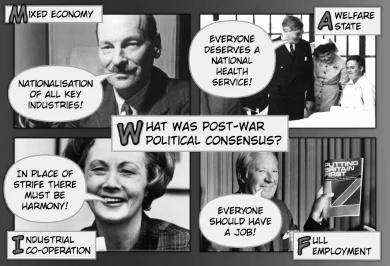
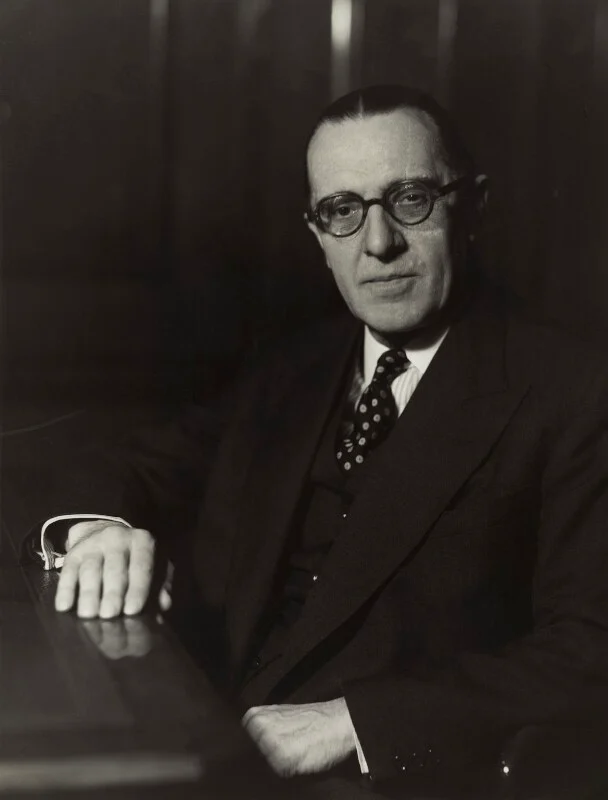
Churchill – consensus Prime Minister?
The most obvious area of “consensus politics” was evident in the government’s attitude to industrial relations and the trade unions. Churchill was anxious to avoid the impression of “union bashing”, something which he had become associated with after his role in the General Strike of 1926. He made no attempt to re-introduce the Trade Disputes Act, which had annoyed the unions when it was introduced in 1927 and had been repealed by the post-war Labour government. There was no use of troops to break unofficial strikes (this was course of action Attlee had taken in 1949). Churchill appointed Sir Walter Monckton as Minister of Labour, who acted in an appeasing way towards the trade unions. Despite the noises made by the Tories during the election campaigns of 1950 and 1951, about the flaws of nationalisation, there was no great attempt to roll back the programme of nationalisation carried out by Labour. Iron and Steel were largely re-privatised in 1953, but one new important area was nationalised under Tory rule – the Atomic Energy Authority was created in 1954.
The welfare state, including the jewel in the crown – the NHS, was to prove quite safe in Tory hands. The new Minister of Health, Iain McLeod, was inclined to try and alter his Labour predecessor Nye Bevan’s great achievement. McLeod tried to fight for more money for hospitals, which he recognised were in need of modernisation. Many Labour MPs appreciated McLeod’s efforts and the difficulties he faced in trying to find government funding. Bevan was initially suspicious of Tory intentions, but eventually became friends with MacLeod and the two worked well together in the Commons.
As far as housing was concerned, the new government was determined to out- perform Labour. At its 1950 conference, the Tories had given a pledge to build 300,000 houses a year, a target not met by the Attlee government. New Housing Minister, Harold Macmillan achieved and even exceeded the set targets, building 354,000 houses in 1954. Although there was an increase in the numbers of private homes built, still a majority of 80% of all homes built during this period were built by local authorities. Continuity was also a dominant theme in an area generally neglected by government: education. Education policy remained essentially the same, as laid down by the Education Act of 1944 – a piece of legislation led by Butler, but put in place with the strong backing of Labour in the war-time coalition government. Similar to education policy under Labour, it tended to be pushed to the back of the queue for money, behind housing, health and defence. School building came to a standstill and there was also a fall in the number of university students from 85,000 in 1950 to 82,000 in 1954.
Labour in Opposition
One reason for the Conservatives remaining in power for so long was the condition of the Labour Party. Although Labour’s record in office between 1945 and 1951 was strong, the party was divided internally and less able to recover from defeat in 1951 than the Conservatives in 1945. The lack of unity continued for much of the period, the split being between supporters of two key party figures:
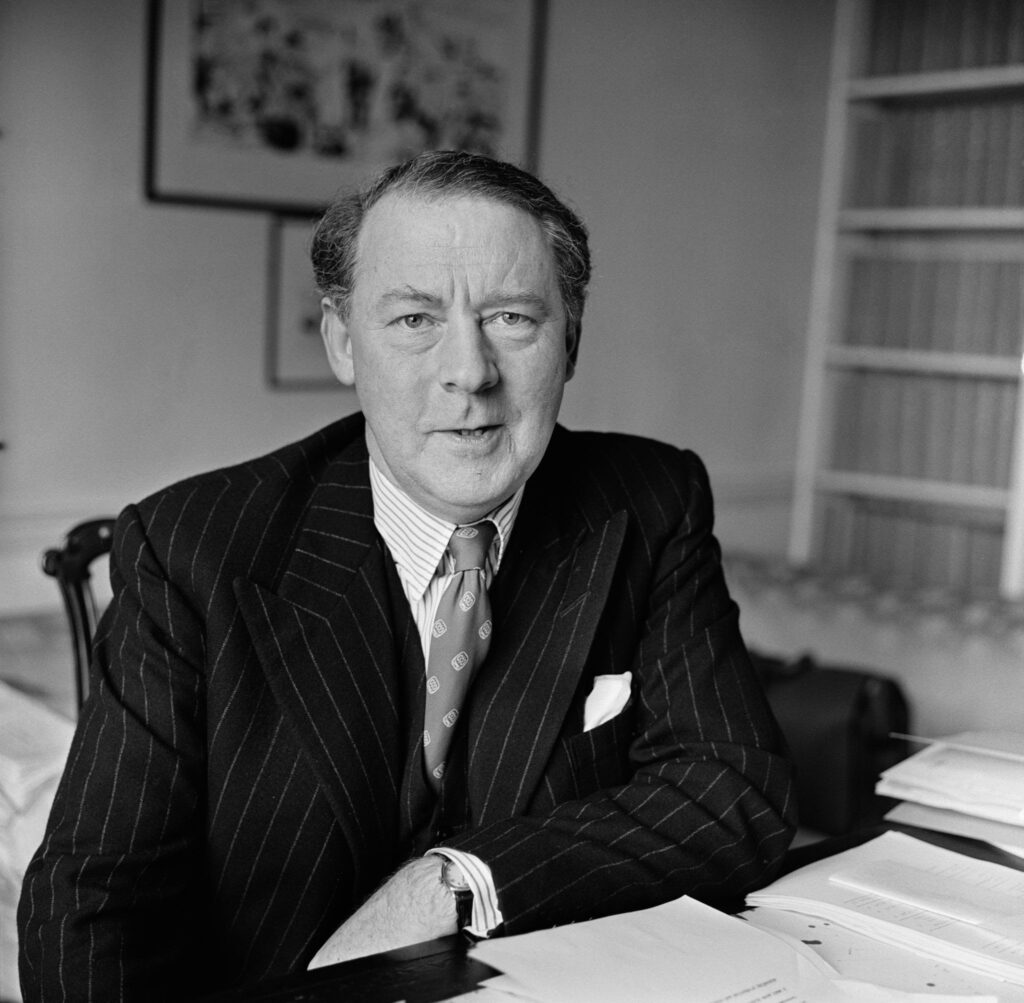
Hugh Gaitskell
Supporters known as the ‘Gaitskellites’ or revisionists as they wanted to reform the party.
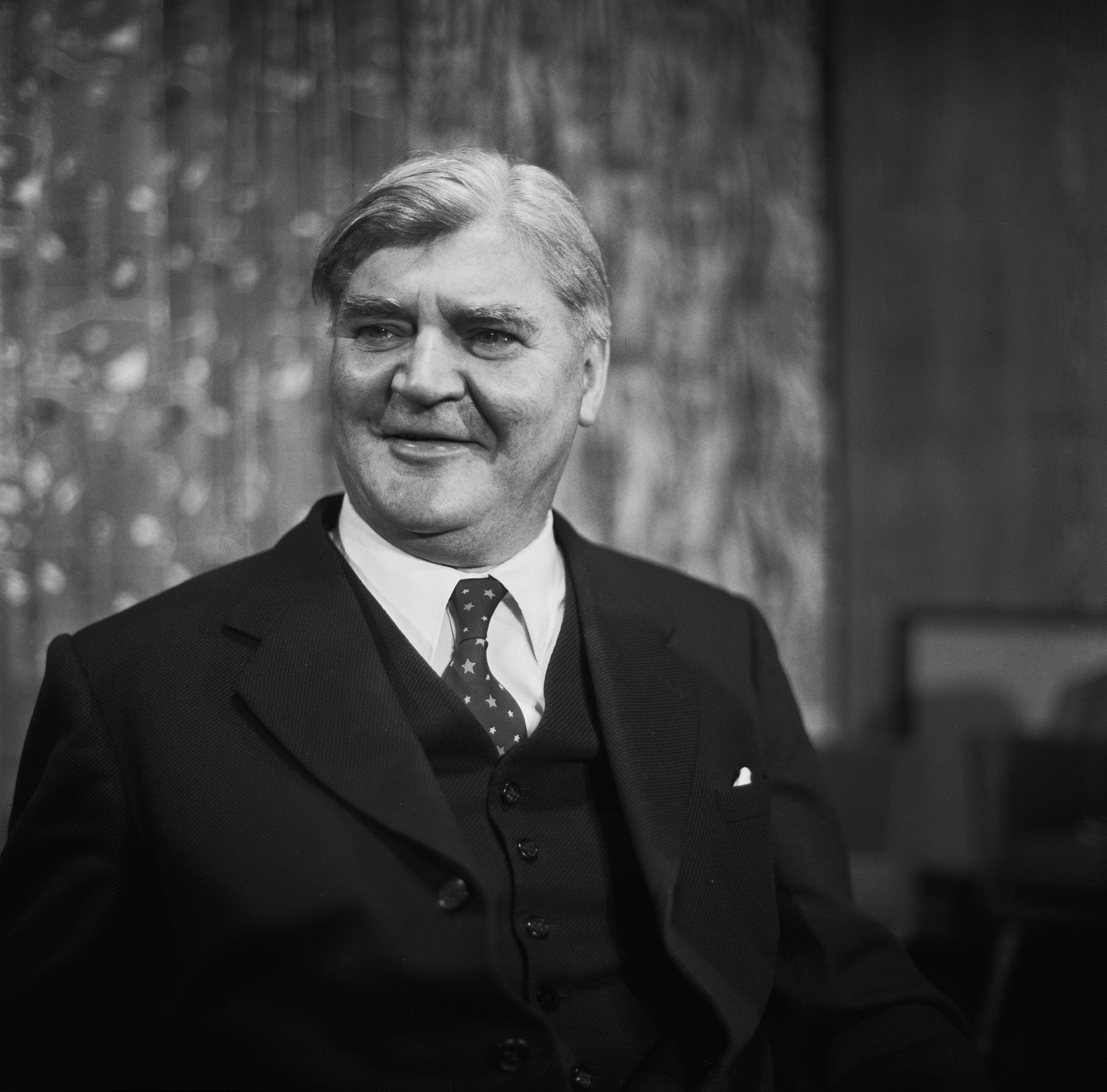
Aneurin ‘Nye’ Bevan
Supporters known as the Bevanites or fundamentalists as they wanted to maintain the traditional principles of the party
Internal disputes
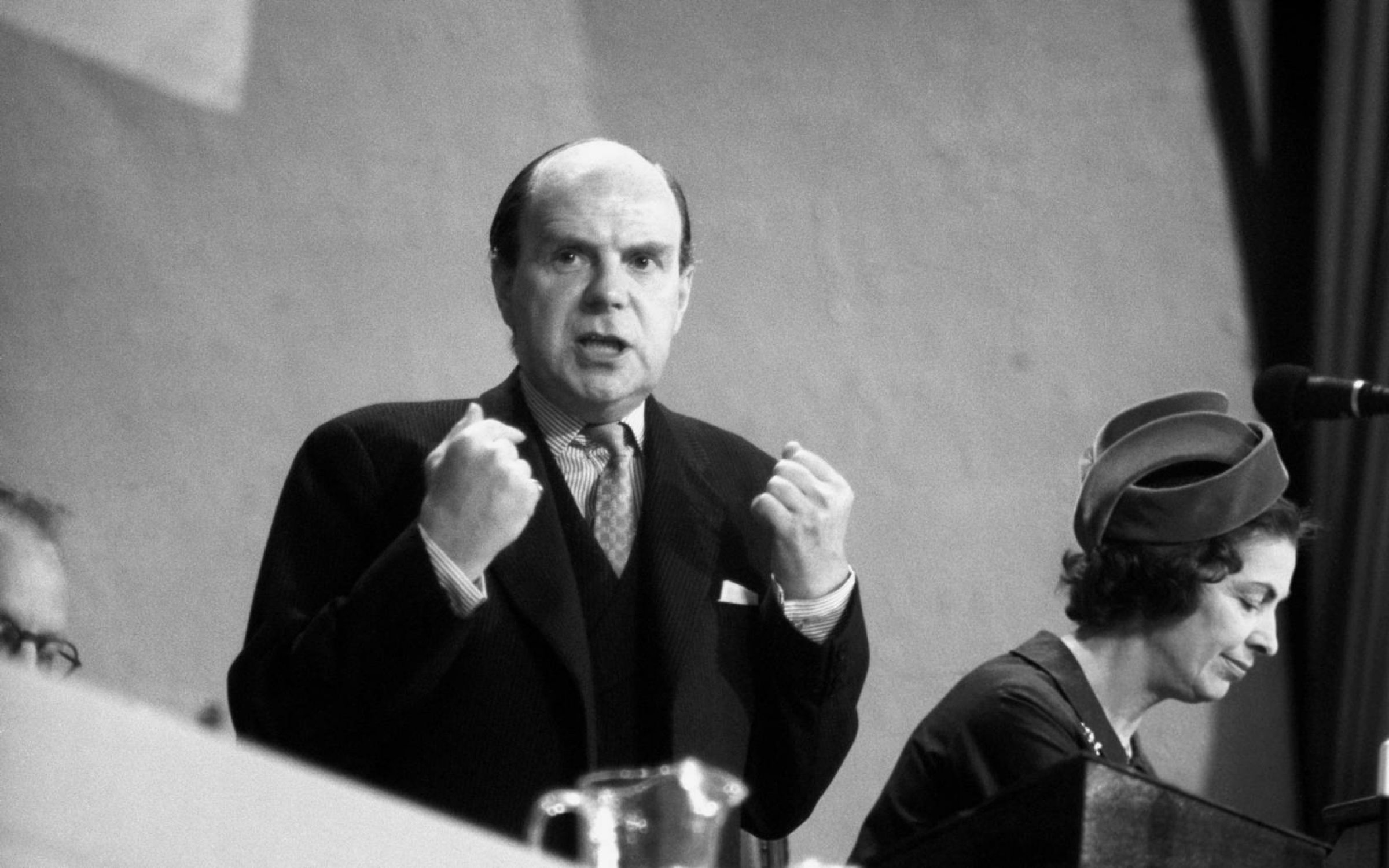
One explanation that has been offered for Conservative dominance in this period is the divisions within the Labour Party. Although Labour was fortunate that Attlee’s successor, High Gaitskell, was a talented politician and excellent public speaker, he was not able to unite the party. The party was divided over whether it wanted to move further to the left or right in British politics and Gaitskell was unable to resolve this.
Clause IV
To secure for the workers by hand or brain the full fruits of their industry and the most equitable distribution thereof that may be possible on the basis of common ownership of the means of production
Socialism
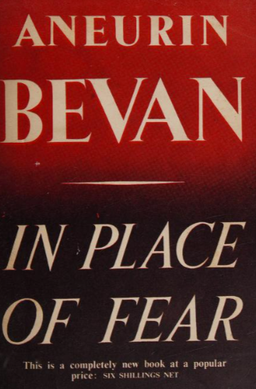
The key issue that divided the party was the future of socialism. Those on the left of the party (Bevanites) believed that the welfare measures introduced between 1945 and 1951 were just the first step along the road to a truly socialist Britain. They argued that there should be far more state control of the economy and society and disagreed with the moderate direction pursued by both Clement Attlee, the Labour leader from 1935 to 1955, and his successor, Gaitskell. In 1952 Bevan published In Place of Fear, which argued that:
“It is essential that we should keep clear before us that one of the central principles of socialism is the substitution of public for private ownership. There is no way round this.”
The left of the party also believed that the unions, which represented the working man, should have a real say in the development of party policy. This conflicted with those on the right of the party who wanted policy to be decided by the parliamentary party and not by the unions, many of which were led by powerful figures on the left of the party. The party was also split over its attitude towards social reform and economic change. The most notable politician on the right of the party was Anthony
Crossland who argued that the emphasis should be on social equality, rather
than economic change, as capitalism had been “reformed and modified almost out of existence”. This led to divisions with the left of the party over Clause IV of the Labour Party constitution about nationalisation. The left of the party wanted a greater commitment to Clause IV and to also ensure that state had greater control over industry, the economy and society.
Nuclear policy
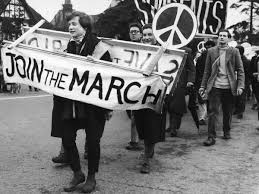
There were also divisions over Labour’s nuclear policy. The left of the party wanted unilateral nuclear disarmament so that more money was available for social reforms, while others on the left argued that Britain should disarm so that the Soviet Union should not fall too far behind in the arms race with the West. The right of the party were opposed to unilateralism and wanted Britain to maintain its independent nuclear deterrent. However, on this issue Bevan was less radical and rejected unilateralism at the Party conference of 1957. Nonetheless, he opposed the party’s approval of the rearmament of Germany and its inclusion in NATO, which he believed would alienate the Soviet Union. These divisions were so great that in 1955 Bevan was expelled from the parliamentary party for challenging official Labour policy.
These divisions came to a head at the 1960 conference. Gaitskell had defeated Bevan for the leadership of the party in 1955 and believed that this gave him the go-ahead to take the party in a more centrist direction. Defeated for a third successive election in 1959, Gaitskell argued that the left had weakened the party with their unilateralist views, which he argued were unpopular with the country. However, the left of the party attacked the party’s nuclear policy and at the party conference forced a unilateralist policy on the party using the block votes of the unions, which allowed the left-wing leaders of the unions to cast their votes on behalf of all the members of their unions, despite the fact that the majority were moderates and did not agree with the policy. However, within a year the policy was abandoned. There were also divisions over nationalisation as the left accused Gaitskell of abandoning it as a priority.
Block Votes
At Labour Party conferences each trade union and constituency could cast a vote, the size of which depended on the size of its membership. The larger the union or constituency party, the larger its vote. Because the votes were cast as a single block, all the members of the union or constituency party were assumed to have the same opinion.
Attitudes to Europe
A further handicap for the Labour Party was its attitude towards Europe. Attlee had declared that Labour was opposed to Britain joining the EEC and in 1962 this stance was continued by Gaitskell, which hardly gave the party the appearance of modernisation and progression.
The 1959 general election
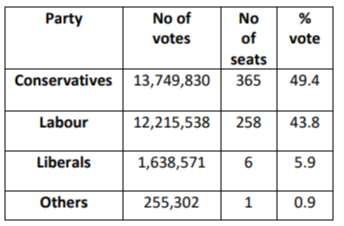
During the 1955 election campaign Attlee appeared both ill and tired in contrast to Eden, the new Conservative leader. Following Labour’s defeat Attlee was succeeded by Hugh Gaitskell, a gifted politician. However, his death in 1963, at the age of only 57, meant that he never became Prime Minister. Gaitskell was on the right of the party, but he believed that his victory in the 1955 leadership contest had given him the authority to lead the party away from policies such as unilateralism, which were not popular with the public. However, his period as leader coincided with divisions over the party’s future and a poor election campaign in 1959. Labour stood a chance of winning in 1959 as the election was only three years after the Suez Crisis and the government’s budgetary policies appeared unsound. However, the result was a disaster for the party as the Conservatives not only increased their majority to 100, but also came close to winning 50 per cent of the popular vote.
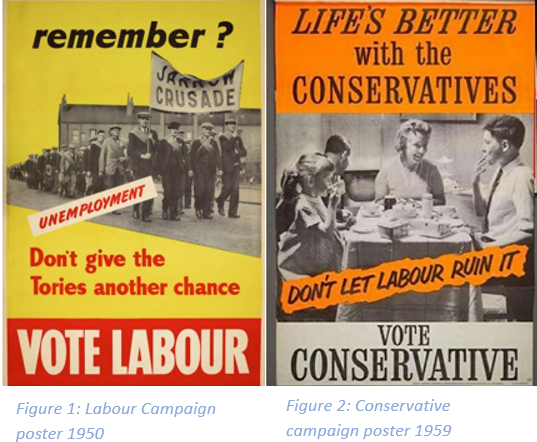
The Conservatives were fortunate that the election coincided with a period of economic recovery and allowed them to claim that “Life is better with the Conservatives”. However, Labour also made mistakes. They promised an increase in state pensions without a rise in taxes, and when questioned how it would be funded had few answers and were simply not believed. In contrast, the government had reduced income tax before the election and, with their record of improving living standards, appeared to offer security and prosperity. Added to the other problems faced by the Labour party it was not surprising that their performance was so poor, but it only added to the internal arguments that reached their climax at the 1960 party conference.
The death of Gaitskell in 1963 resulted in Harold Wilson being elected as leader of the Labour party. He presented a youthful and working-class image, which was in direct contrast to Douglas-Home. He was able to dominate the direction of the 1964 election campaign and stress the need for modernisation of the economy with his emphasis on “the white heat of technology”. Labour therefore entered the election expecting to win.

Decline
Why did support for the Conservative Party Decline?
The last years of the Conservative government were damaged by a series of scandals which, although not the direct fault of the government, reflected badly on it and gave the appearance of a ministry that had lost control. However, it was not just the scandals that lost the government support and ultimately the 1964 election. There were a number of reasons for the loss of support: the economy was declining; the government had failed to secure membership of the EEC; and the leadership of the party no longer appeared to be strong after the “Night of the Long Knives” and Macmillan’s subsequent retirement.
Economic Problems
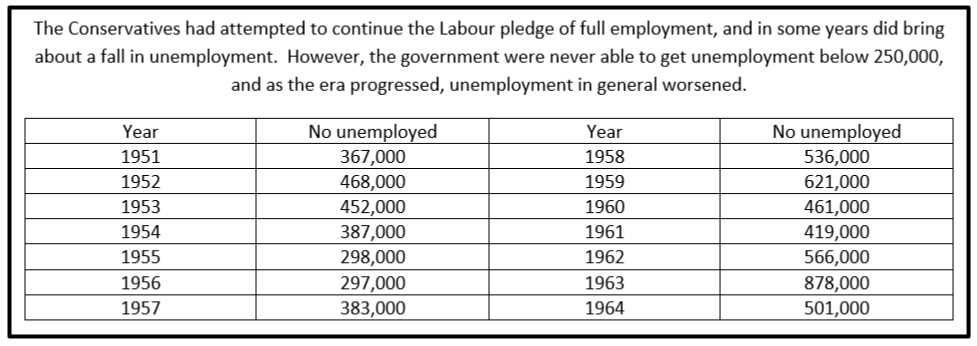
From 1961 the economy was in decline:
→ Growing balance of payments deficit
→ Increased strike activity esp. amongst dockers
→ Rising unemployment: 800,000 by 1963
→ Poor economic growth in comparison with the rest of Europe
Government policies to deal with the problems were unpopular and ineffectual:
→ Pay Pause: Pay freeze for public sector workers such as nurses
→ National Economic Development Council (NEDDY): Attempts at co-ordinated economic planning
→ National Incomes Commission (NICKY): Body established to try to control wages
All of the above had virtually no economic impact
EEC Rejection
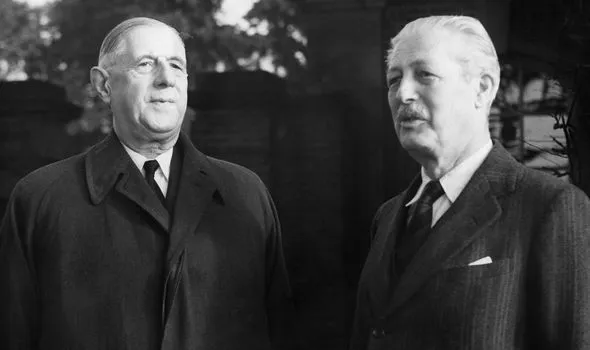
Both major political parties had been hostile to Britain joining the EEC when it had been established, but with the loss of Empire and the Suez Canal, which both raised questions about Britain’s status as a world power and damaged relations with the US in the aftermath of the Suez Crisis, politicians gradually began to change their views. For many in the Conservative Party, the most important reason for a change in attitude was the economic performance of the EEC, which was far better than that of Britain. This became even more apparent with the worsening of the British economy after 1961. However, the French President, Charles de Gaulle, had serious reservations about Britain’s sincerity and commitment to Europe and blocked its application. It was humiliating for Britain and revealed to many just how weak the country was.
Night of the Long Knives
The Night of the Long Knives is the name given by the British press to the reshuffle of the cabinet undertaken by Macmillan in 1962. The declining economy resulted in losses in by-elections throughout 1962, such as Orpington where the Liberals overturned a Conservative majority of 14,000 and won the seat by 7,000 votes. Similarly Labour captured the previously safe Conservative seat of West Middlesbrough. This growing unpopularity was also seen in the opinion polls as Labour surged ahead. Therefore, Macmillan concluded that a cabinet reshuffle was needed.
The reshuffle saw a third of the cabinet replaced – including the Chancellor Selwyn-Lloyd. Macmillan saw the reshuffle as an opportunity to bring some younger members of the party into the cabinet as his cabinet had been seen as “old” in comparison with some of the younger and dynamic politicians within the Labour Party and in comparison with the youthful US President J.F. Kennedy. Although there was some initial improvements in his ratings after the reshuffle, it also resulted in his being seen as “Mac the Knife” and damaged the unity of the party, prompting a historian to comment:
“Planning required either a government which commanded enough prestige to force its will upon people or a system in which people could be confident that they would be treated fairly. Macmillan did not possess either claim to authority after the ministerial changes.”
T.O. Lloyd, Empire to Welfare State: English History 1906-85, 1986
Macmillan never recovered his authority in either the party or country as shown in the opinion polls.
Scandals
The large number of scandals that befell the government in 1963 served only to make matters worse and have prompted the historian, Paul Addison to suggest that they delivered the “coup de grace to the Conservative government”. Although the Profumo Affair is probably the most famous, there was also the Vassall Affair, the Philby Case and the Argyll divorce case. Each further weakened the government.
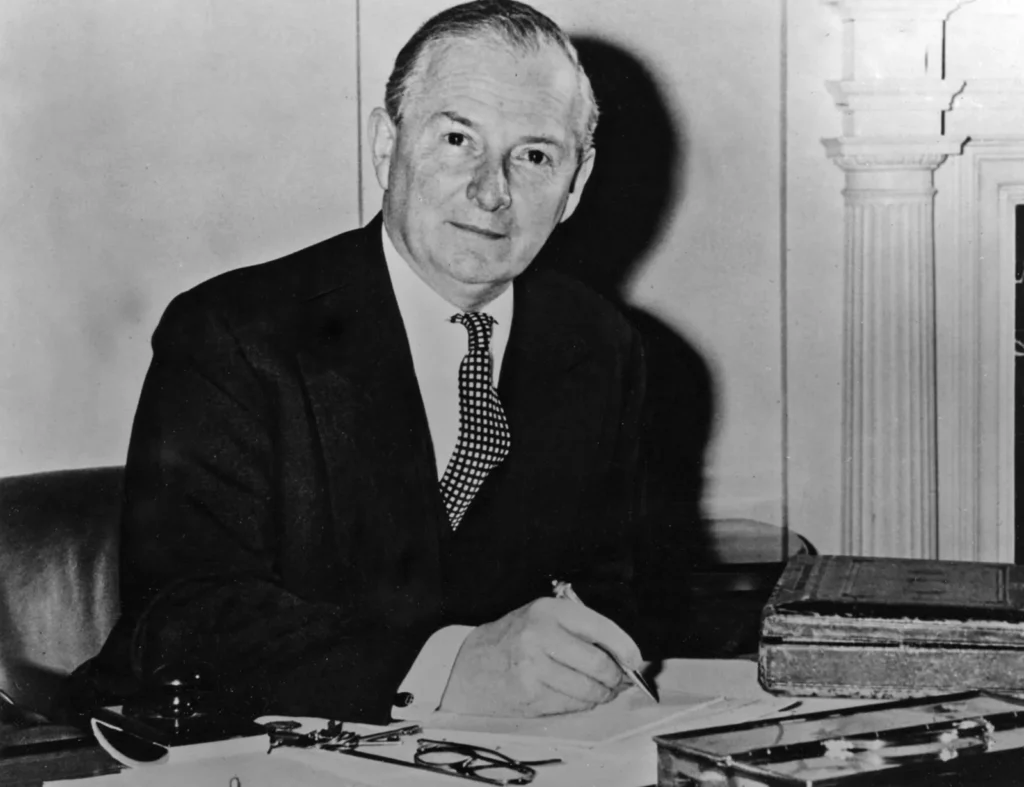
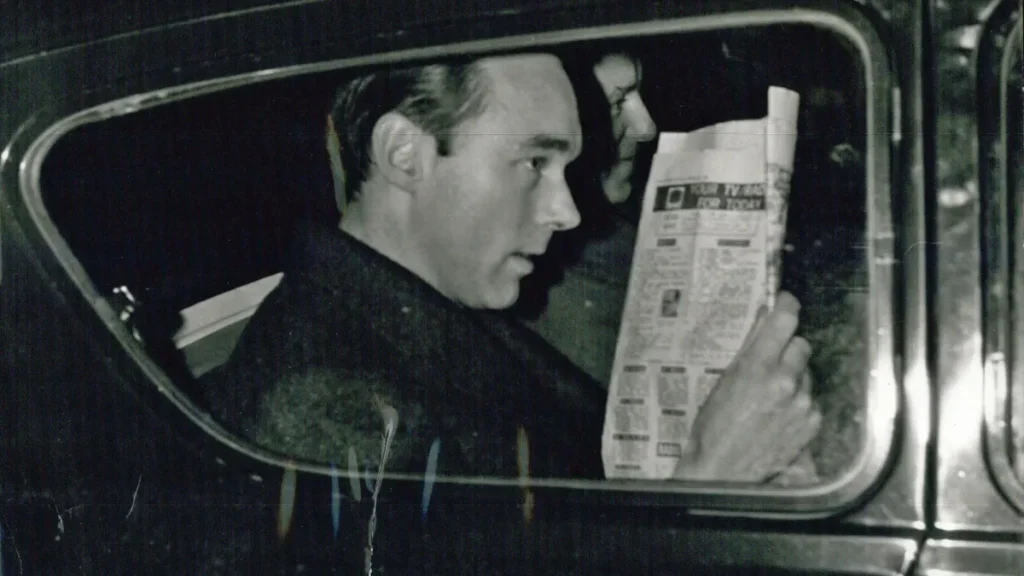
The Vassall Affair
Vassall was a civil servant in the Admiralty who spied for the Soviet Union. There were rumours that senior figures in the Admiralty tried to protect him and although no evidence of a cover up was found, it created distrust and gave the impression that the government was not in control of its departments
The Philby Case
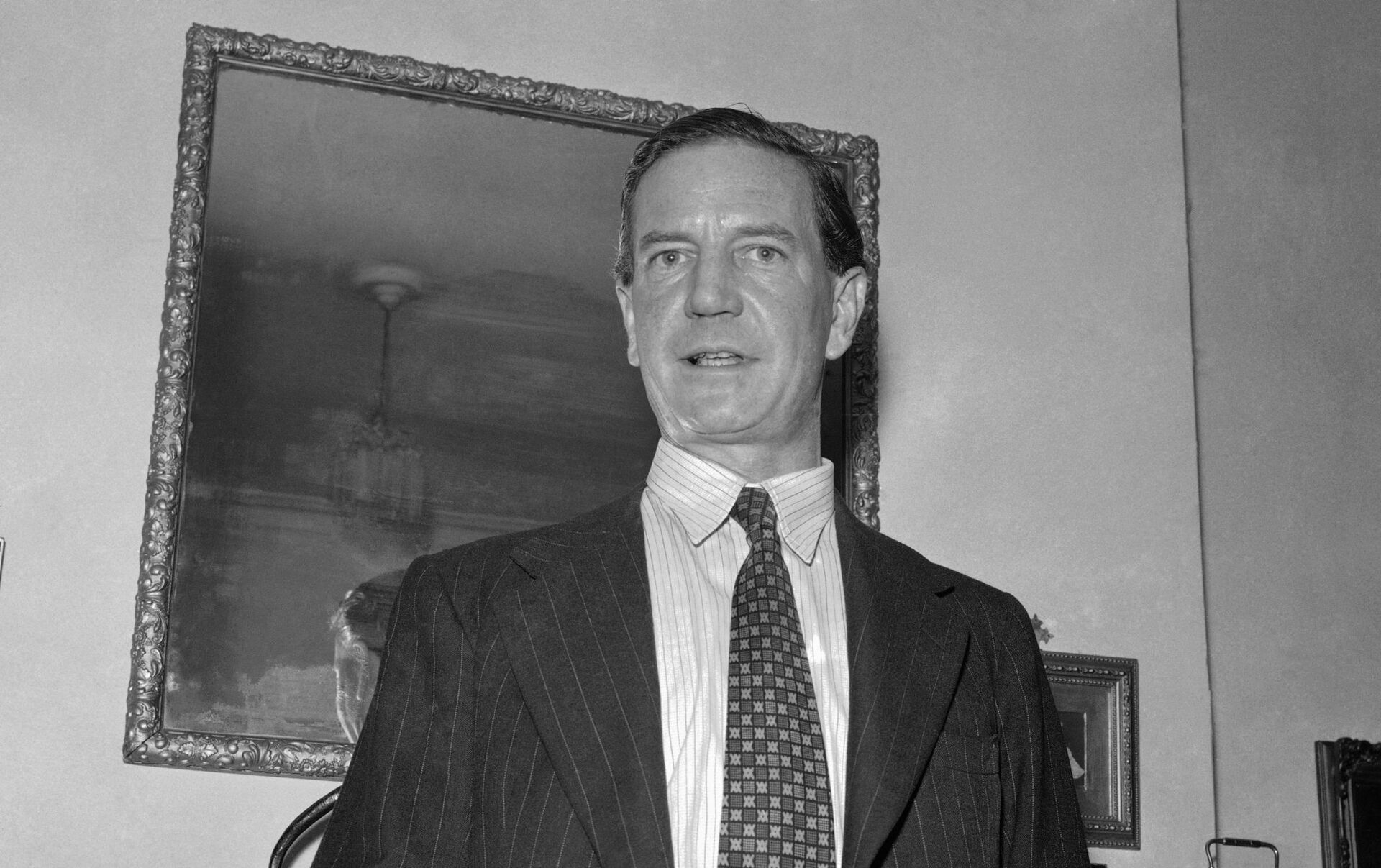
Kim Philby was a senior official at the Foreign Office and had been passing information to the Soviet Union and recruiting spies for them. He fled to Russia in 1963 to avoid arrest. Similar to the Vassall incident, the government appeared weak for failing to spot a traitor in the Foreign Office for so long.
The Argyll divorce case
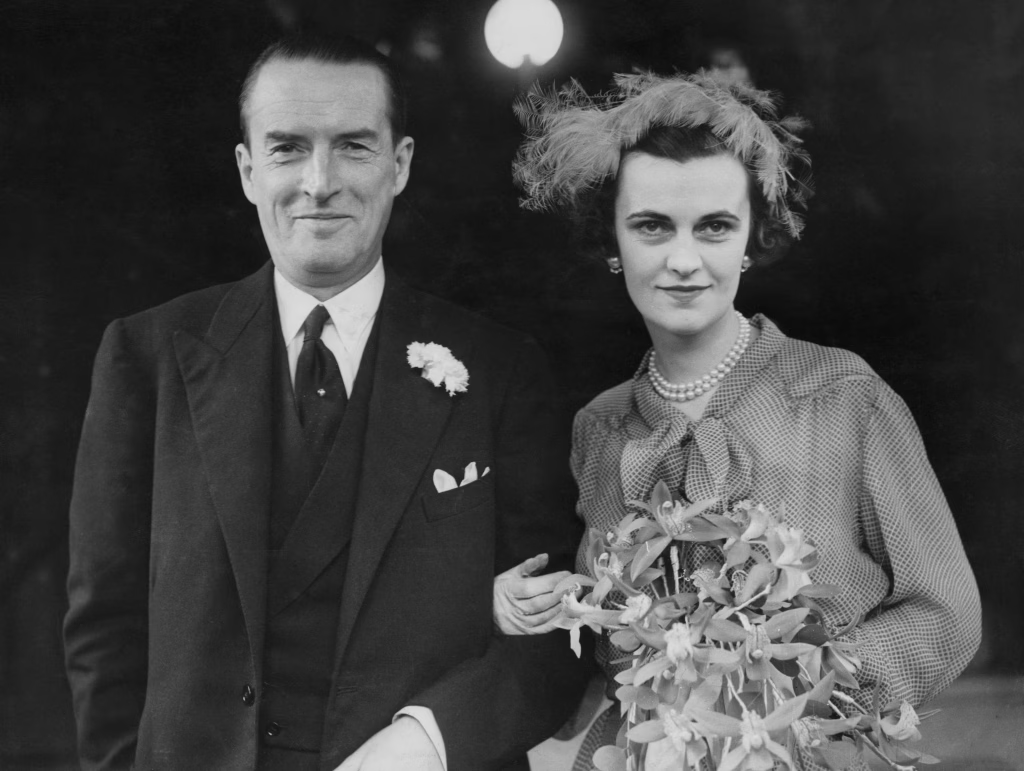
In 1963 the Duke of Argyll sued his wife for divorce on the grounds of adultery. In court a list of 88 names was produced with whom it was alleged she had, at various times, had group sex. There were rumours that government ministers were involved and led to the famous radio comment from a comedian that she should have married Plymouth Argyll rather than the Duke of Argyll. The allegation that government ministers were involved offended many Conservative voters traditional values.
The Profumo Affair
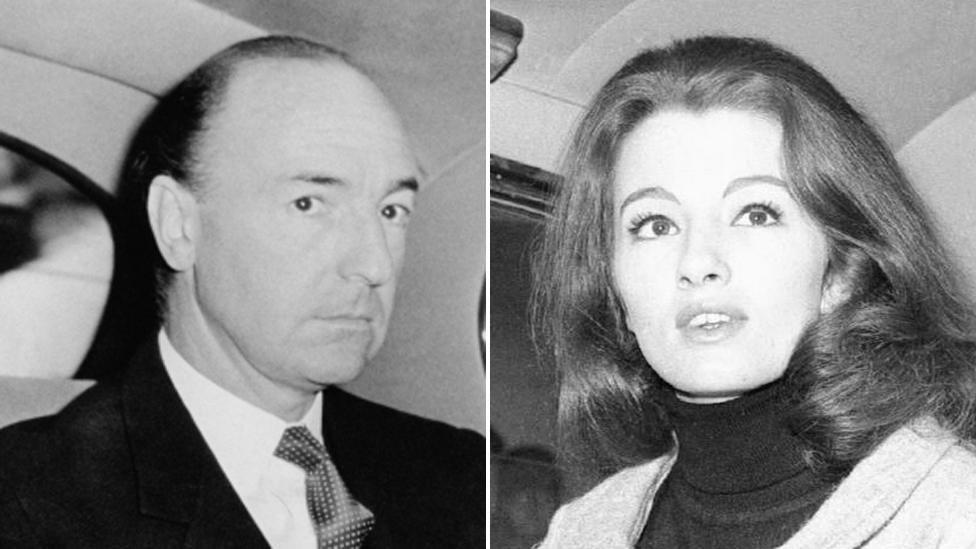
The Profumo scandal caused the government the most problems. John Profumo’s (Minister of War) liaison with Christine Keeler, a high class escort, was a security risk because of her links through prostitution to the Russian embassy. Not only did Profumo deny the affair in the House of Commons, but it also became known that he had met her at the home of Stephen Ward, an osteopath who treated a number of Conservative MPs, and this damaged the party by association. Macmillan initially backed Profumo. However, the media continued with the story throughout the summer and Profumo was forced to resign. Macmillan looked weak and naïve, and his government looked sleazy and out of touch
Social tensions and riots, 1958-59
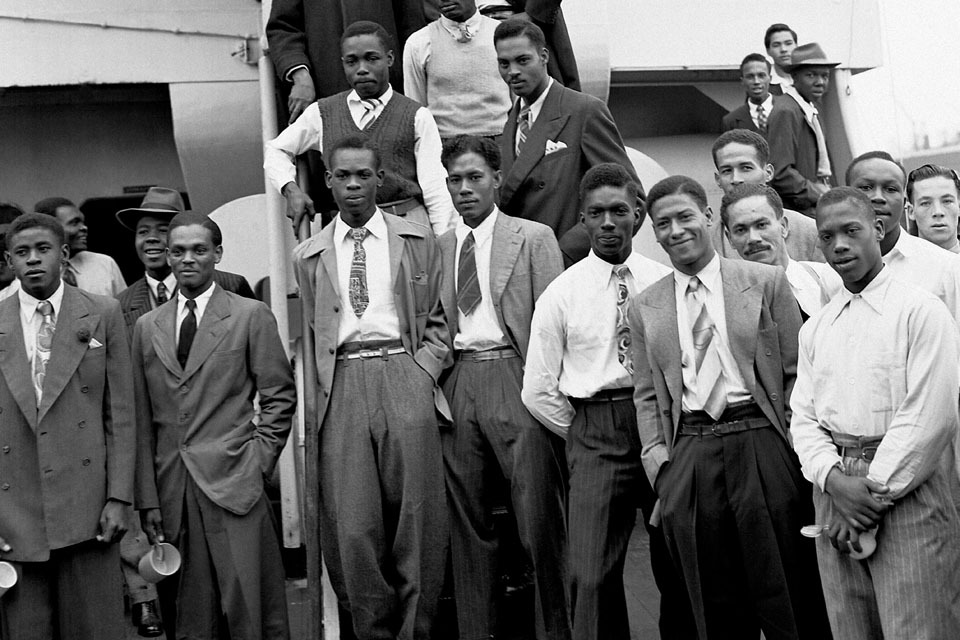
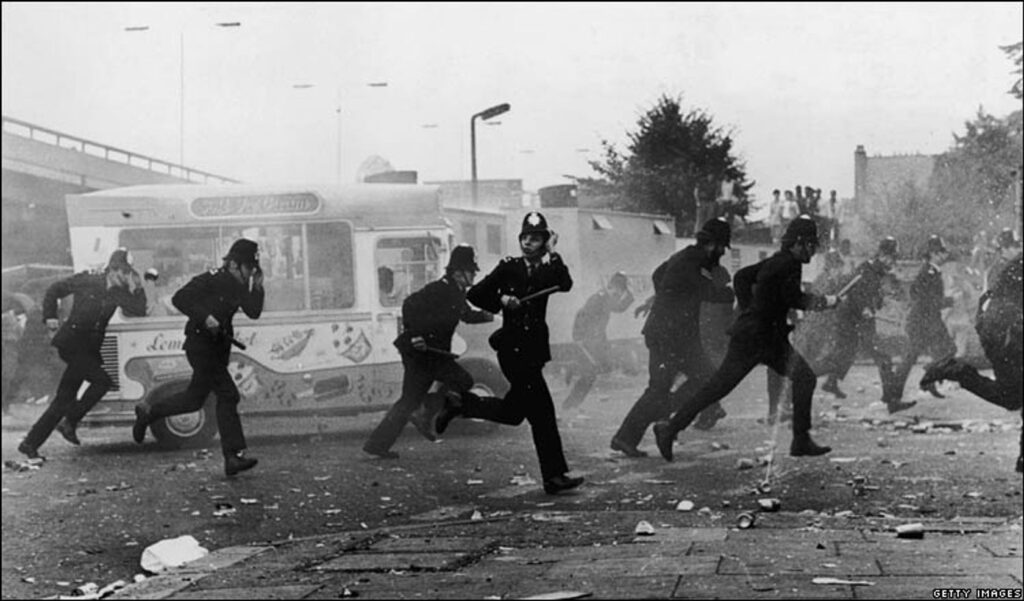
The clearest evidence of social tensions were the race riots that broke out in 1958 as Britain struggled to start to adapt to being a multi-racial society. After the Second World War immigration from the Empire had been encouraged as workers were needed to fill the labour shortage. However, tensions developed as the immigrants were blamed for housing shortages in moany of the poorer areas were rent was cheaper. Similarly, immigrants were blamed for job shortages because of their willingness to work for lower rates of pay. In 1958-9 these tensions spilled over into riots in some of Britain’s main cities, such as London, Bristol and Nottingham. The most notable outbreak of violence occurred at Notting Hill where white youths tried to attack black-owned and rented properties. The police struggled to maintain order, but afterwards heavy prison sentences were imposed on those who provoked the violence.
The government set up the Salmon Inquiry, which concluded the trouble was due to increased immigration, and made no reference to the discrimination or racism suffered by the immigrants in matters such as housing or employment. The government responded to the inquiry report by passing the 1962 Commonwealth Immigration Act, which limited the number of immigrants depending on their ethnic origin. However, as the Act was moving through Parliament there was a rush of immigrants to avoid the restrictions, which served only to further fuel the concerns of those who wanted greater controls on immigration.
Youth sub-culture
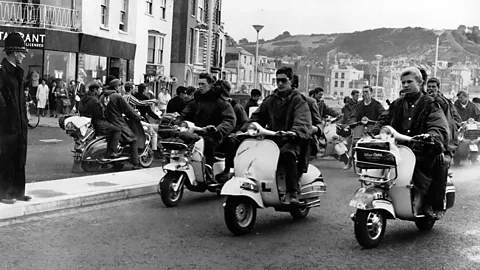
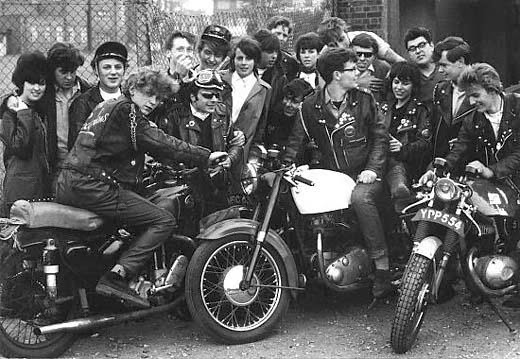
The other social problem facing the government was the development of a youth sub-culture. This included those young people who had interests or beliefs that did not conform to the majority of their age group. In some instances this escalated into violence, as seen in the clashes between “mods and rockers” who often confronted each other in holiday resorts during bank holidays. Many were benefitting from the greater affluence and had more money available to spend on the increasing variety of goods, such as transistor radios. This generation had also not lived through the war and did not feel constrained by the horrors and grim times of the past and as a result did not feel bound by traditional hierarchical structures and a respect for authority, which their elders still had. Moreover, new forms of entertainment, both musical, with “rock and roll”, and satirical television shows, challenged the established behaviour of deference.
However, not all of the young gained from the increasing affluence and those who missed out on the increasing wealth often felt alienated and developed a “sub-culture” which resulted in the emergence of anti-social behaviour, seen in the fights that took place between the mods and rockers during the summer of 1964. Many of the young were losing respect for those in authority because of the increasing number of scandals. All of this helped to undermine a Conservative Party still associated with tradition and hierarchy and which was lampooned in the new satirical magazine, Private Eye, or on programmes such as That Was The Week That Was. Despite attempts to modernise, the choice of Douglas-Home as Macmillan’s successor in 1963 appeared to confirm to many that it was out of touch.
Exam Zone
This section has been designed to help you build confidence, sharpen your skills, and achieve your best possible results. Whether you are preparing for mock exams, end-of-unit tests, or final assessments, the Exam Zone provides everything you need in one place.
The Exam Zone is not just about testing your knowledge. It is about developing the key historical skills required for success: critical thinking, evaluation, and clear written communication. By practising regularly and reflecting on feedback, you will strengthen both your understanding of the past and your performance in exams.