Provisional Government
The events of 1917 in Russia were marked by political upheaval, social unrest, and competing centres of power, ultimately leading to the collapse of the Provisional Government and the rise of Bolshevik rule.
Formation and Dual Power (February–March 1917)
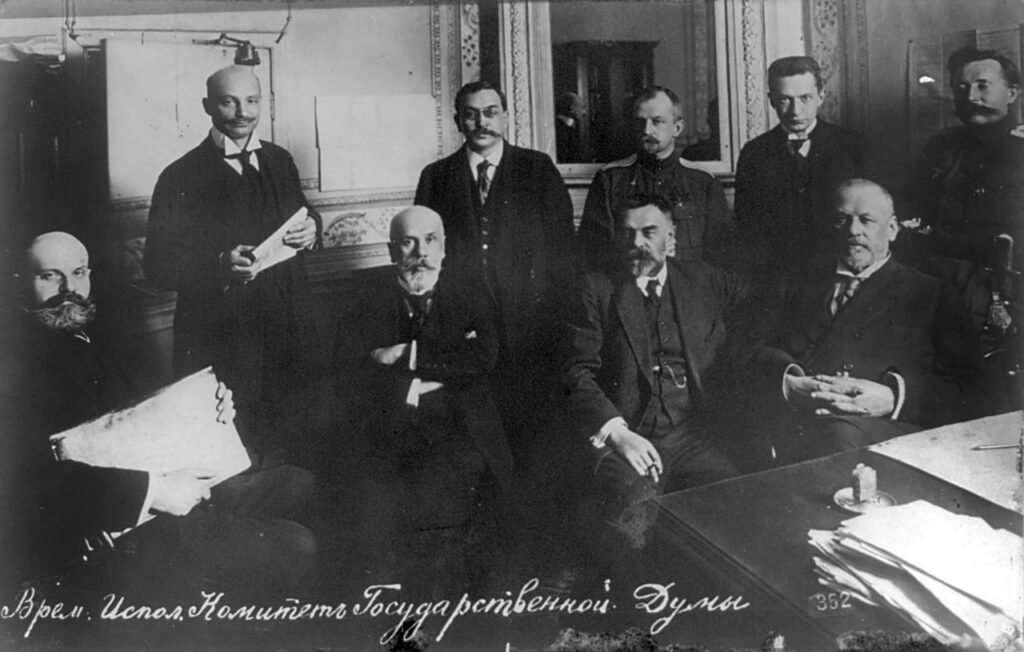
Following the abdication of the Tsar, crowds gathered outside the Tauride Palace demanding that the Duma take charge. Worried members of the Duma decided to form a temporary Provisional Government to run the country until elections could be held to decide how Russia was to be ruled in the future. Led by Prime Minister Prince Georgii Lvov, a wealthy aristocratic landowner and former liberal Kadet leader, the government consisted of leading figures from the Kadets and other liberal parties. However, simultaneously in a different part of the same building, workers and soldiers sent representatives to form the Petrograd Soviet to look after their interests. The first action of the Soviet was to issue Order No. 1, which gave soldiers representation and their committees control of all weapons, stating that soldiers would only obey Provisional Government orders if the Soviet agreed. This created a strange situation known as “dual power”: the Provisional Government was the popularly accepted, unelected government, but real power lay with the Soviet, which controlled factories, essential services, and the military. Alexander Kerensky, who served as Vice-Chairman of the Soviet and Minister of Justice in the Provisional Government, acted as an invaluable link between the two bodies. Initially, there was an air of optimism as the new government freed political prisoners and announced freedom of the press, speech, the right to strike, and an end to social discrimination and the death penalty.
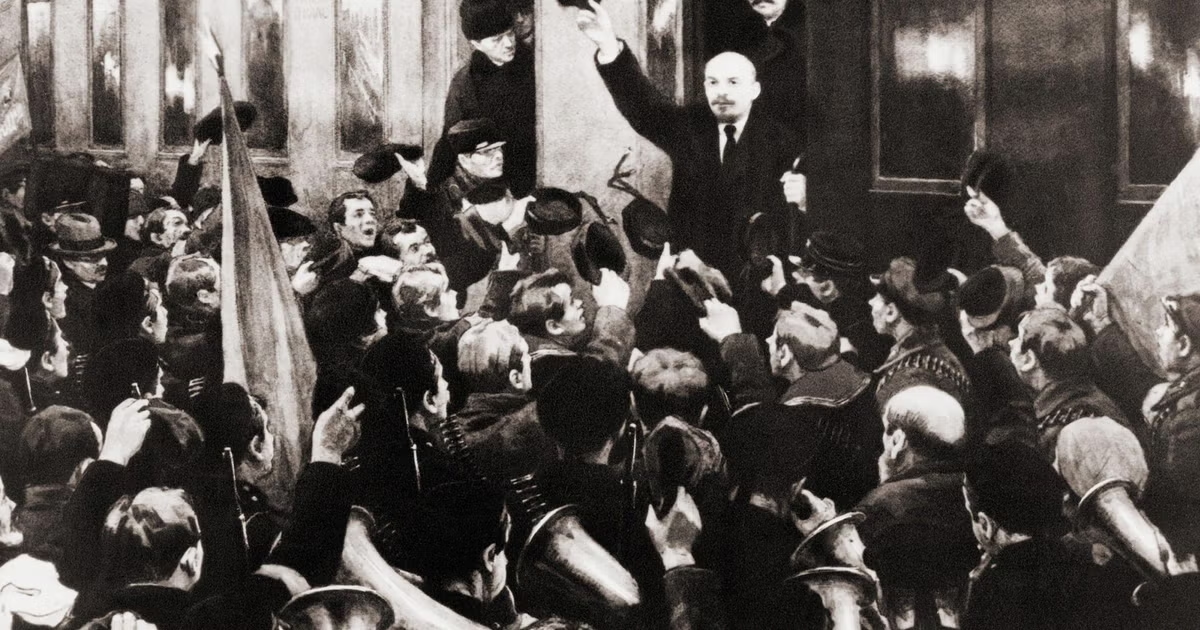
The Return of Lenin and the April Theses (April 1917)
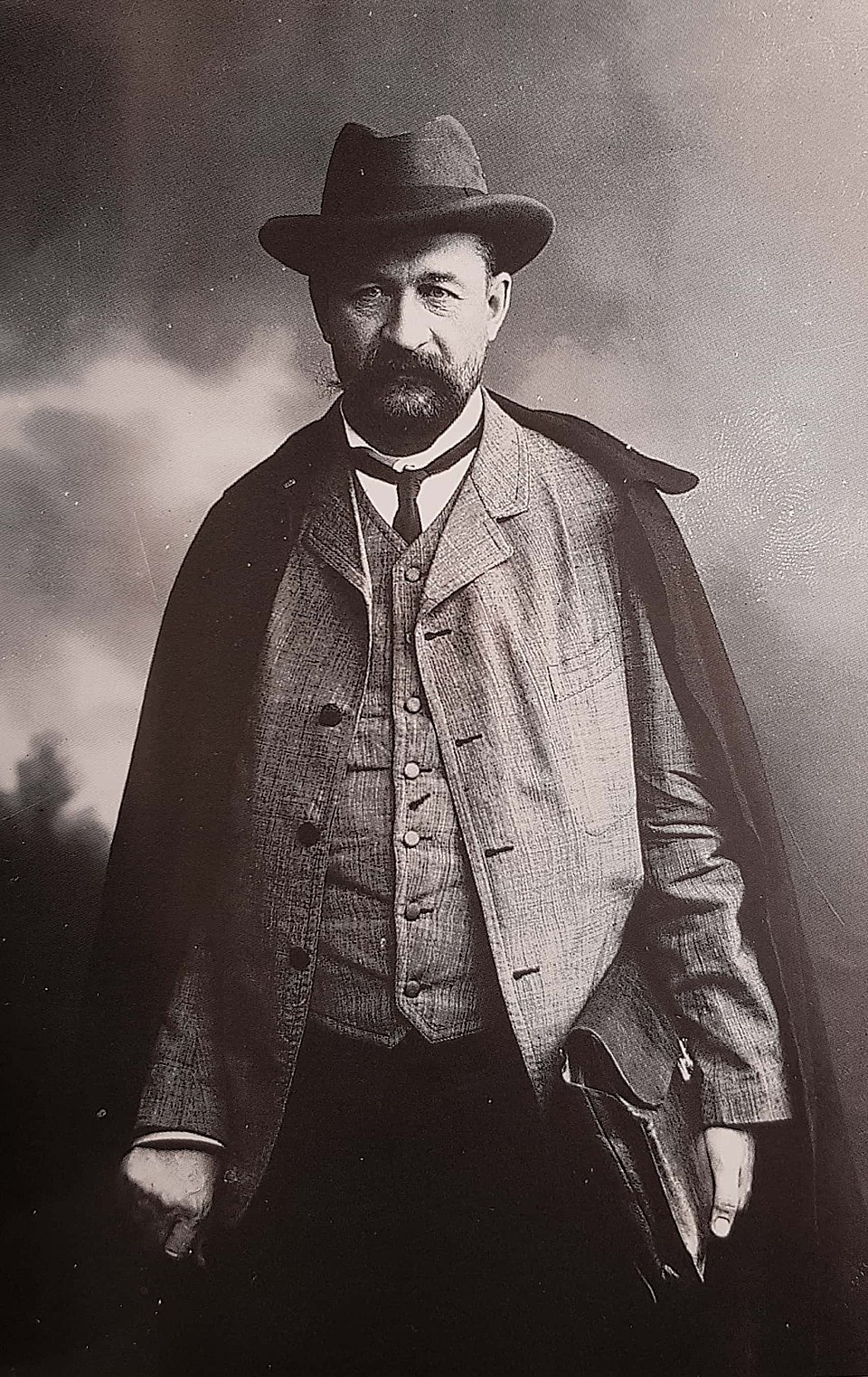
On April 3rd, Vladimir Lenin returned to Russia from exile in Switzerland, aided by the Germans who expected him to seize power and make peace. He arrived at the Finland Station in Petrograd and delivered a rousing speech to the crowds, the gist of which was published in the party’s official newspaper, Pravda, as the “April Theses”. Lenin demanded that power be transferred to the Soviets, the war be brought to an immediate end, and all land be taken over by the state and re-allocated to peasants by local soviets. These demands were famously summed up as “Peace, Land and Bread” and “All power to the Soviets”. The initial reaction was mixed, as the Bolsheviks had only 26,000 members, were divided over co-operating with the Provisional Government, and faced allegations that Lenin was in the pay of the Germans. However, by the end of April, Lenin had successfully won over the majority of the Bolshevik Central Committee to his view that they had to lead the opposition to the Provisional Government.
Mounting Crises: War, Land, and the Economy (Summer 1917)
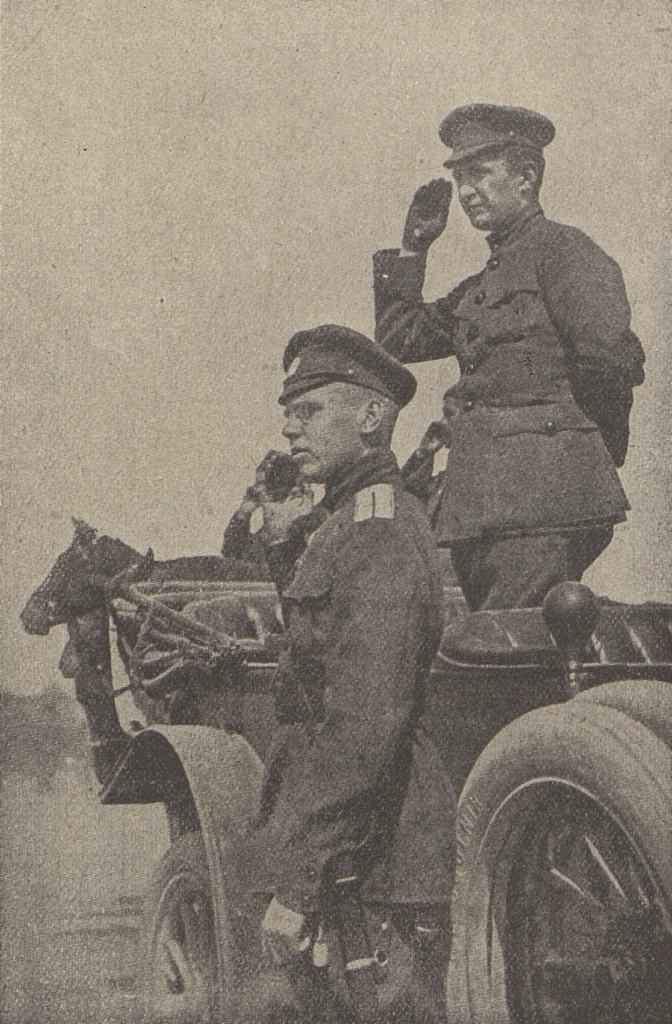
The Provisional Government’s official stance was that no decision should be made on the continuation of World War I or the redistribution of land until a new government had been elected. This short-term continuation of the war proved disastrous when Minister of War Alexander Kerensky launched the “June Offensive,” which resulted in thousands of Russian troops deserting, killing their officers, and fraternising with German troops. Domestically, unrest in the countryside escalated as peasants, hungry for land, took matters into their own hands; land seizures increased, with 237 cases reported in July alone. The Provisional Government resorted to the old Tsarist policies of sending out grain requisitioning squads and deploying the army to deal with rural rebels. Economically, the country was collapsing: shortages of fuel and raw materials led to 568 factories closing in Petrograd between February and July, costing 100,000 jobs. Furthermore, inflation soared, rendering wages worthless, with the price of bread increasing by 300% and cheese by 754% between August 1914 and August 1917.
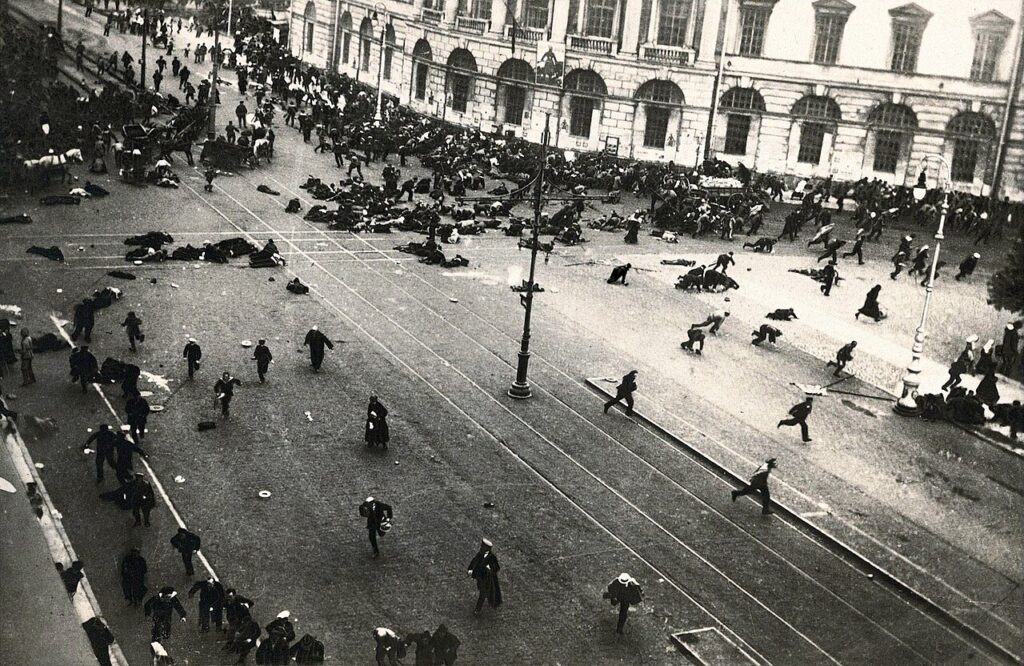
The July Days and Leadership Reshuffle (July 1917)
The failure of the June Offensive produced an immediate armed uprising in early July known as the July Days. Soldiers and 20,000 armed sailors from nearby Kronstadt joined workers in the streets, chanting “All Power to the Soviets,” looting shops, and seizing key buildings. Lenin, who rushed back from a holiday, made a rambling speech to the crowd and urged the Bolshevik Central Committee to restrain the workers, though he did not openly condemn the rebellion. The Provisional Government blamed the Bolsheviks for the unrest, issuing arrest warrants that sent Trotsky to jail and forced Lenin to flee into exile in Finland in disguise. Troops loyal to the Soviet dispersed the crowds, and Bolshevik propaganda was burned while their newspaper, Pravda, was closed. Following this chaos, Prince Lvov found it impossible to control the mixture of liberals and socialists and retired on July 4th. Alexander Kerensky officially replaced him as Prime Minister on July 8th, attempting to maintain a coalition to prevent a drift into civil war.
The Kornilov Affair (August–September 1917)
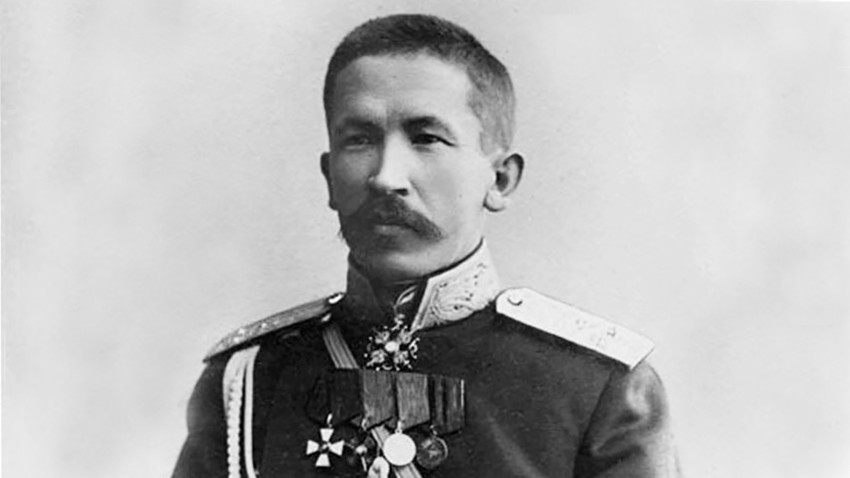
In July, Kerensky appointed General Lavr Kornilov as Commander-in-Chief of the Army. Kornilov demanded the reintroduction of the death penalty and court martial for the army, a ban on strikes, and the deployment of loyal troops to defend the capital from left-wing protests. The Provisional Government refused to agree to many of these terms, as they contravened Order No. 1 and threatened the post-February reforms. When Kornilov demanded that martial law be proclaimed in Petrograd, Kerensky panicked, believing Kornilov was staging a right-wing military revolution. In response, Kerensky called on the Petrograd Soviet for defense and supplied arms to the Bolshevik “red guards”. As Russian cavalry troops advanced towards Petrograd on August 27th, Kerensky ordered Kornilov to surrender his command. The crisis was averted when railway workers halted the trains carrying Kornilov’s troops and persuaded them to desert, leading to Kornilov’s arrest on September 1st.
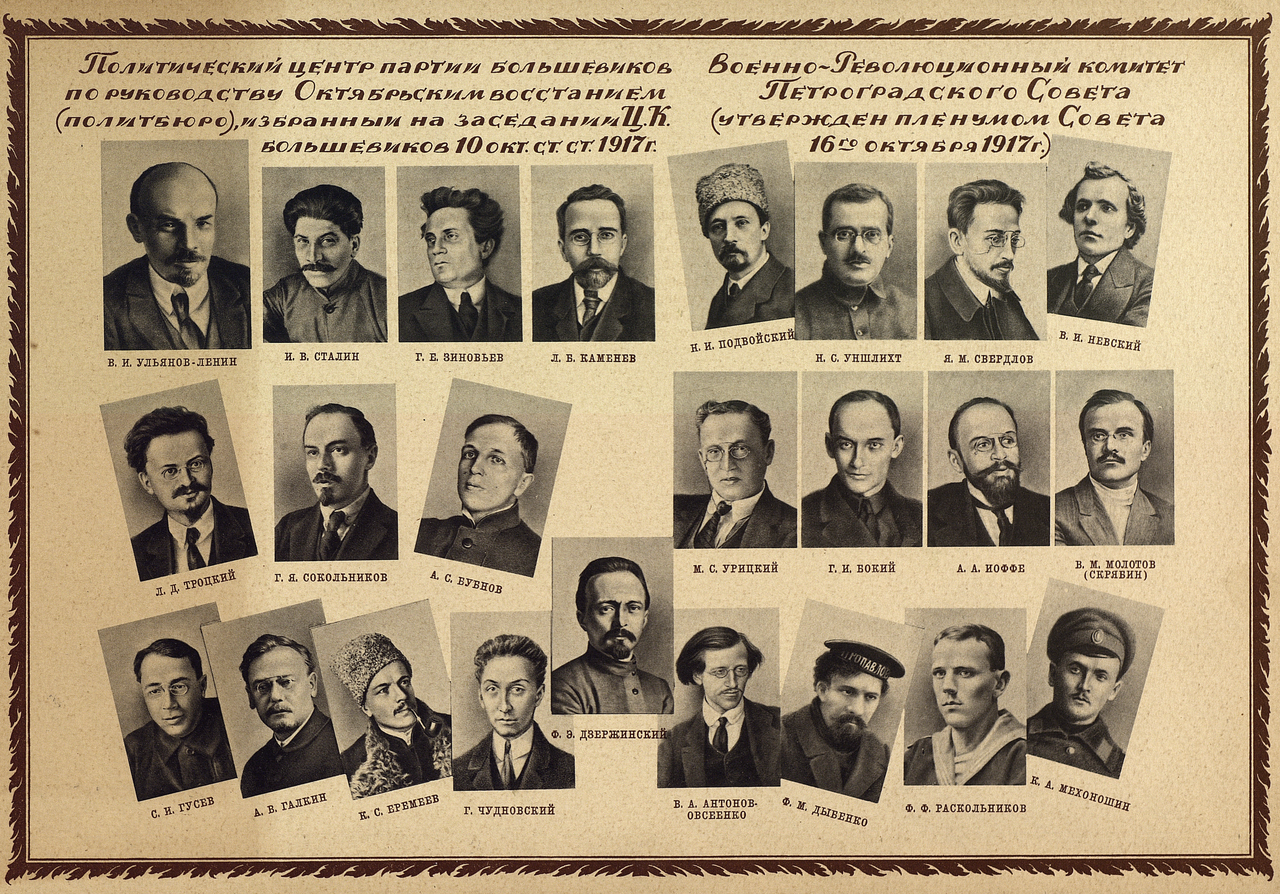
The Path to the Bolshevik Revolution (September–October 1917)
Sensing vulnerability, Lenin wrote to the Bolshevik Central Committee on September 27th from Finland, urging them to seize power to avoid covering themselves with “eternal shame”. On October 7th, Lenin returned to Petrograd in disguise, and after an all-night session on October 10th, he successfully persuaded the Central Committee with a 10-2 vote that “an armed rising is the order of the day,” with only Zinoviev and Kamenev dissenting. On October 20th, the Soviet set up the Military Revolutionary Committee (MRC), appointing Trotsky as one of its leading members and placing all Petrograd garrisons under its control. The MRC controlled 200,000 Red Guards, 60,000 Baltic sailors, and 150,000 soldiers of the Petrograd Garrison. Kerensky handed the Bolsheviks a perfect excuse to act when, on the evening of October 23rd, he ordered the closure of two Bolshevik newspapers and raised the bridges linking working-class areas to the city center.
The October Revolution (October 24–26, 1917)
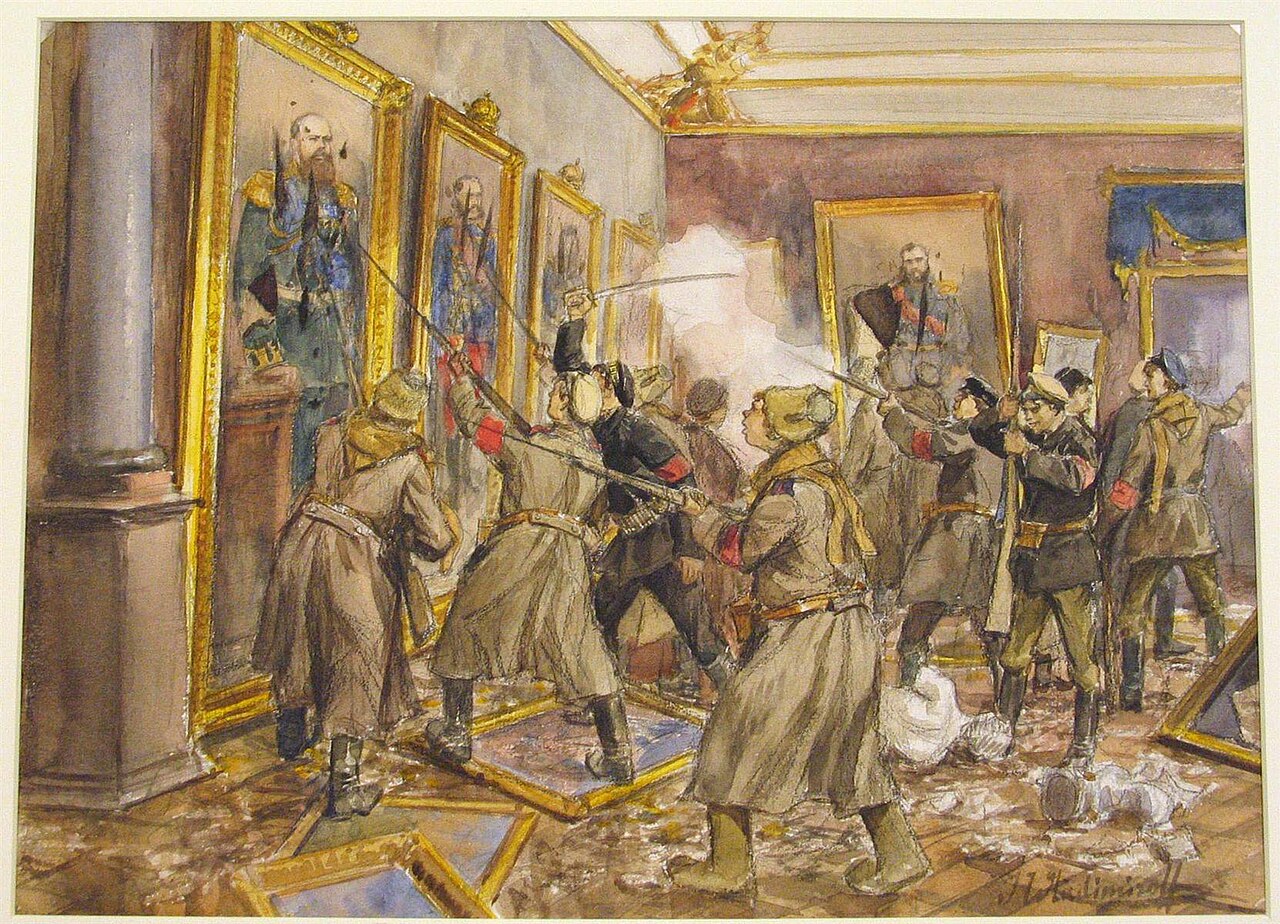
Through the night of October 24th, Trotsky directed 5,000 sailors and soldiers from Kronstadt, alongside Bolshevik Red Guards, to seize key positions around Petrograd, including the telephone exchange, post office, railway stations, and power stations. Encountering almost no resistance, the Bolsheviks effectively captured the city. By 11 am on October 25th, realizing he could find no one prepared to fight for him, Prime Minister Kerensky fled Petrograd for the Front in a borrowed American embassy car, disguised as a nurse. The rest of the Provisional Government met in an emergency session in the Winter Palace. At 9:40 pm, a blank shot from the guns of the battleship Aurora signaled the beginning of the Bolshevik attack. Contrary to the dramatic, heroic myth later propagated by the Communists, the “storming” of the Winter Palace was virtually bloodless; the defending garrison of Cossacks, cadets, and the Women’s Battalion had little ammunition or food and largely fled or surrendered. At nearly 2 am on October 26th, a handful of Bolsheviks wandered into the palace and placed the remaining Provisional Government ministers under arrest, seamlessly completing the revolution.
Exam Zone
This section has been designed to help you build confidence, sharpen your skills, and achieve your best possible results. Whether you are preparing for mock exams, end-of-unit tests, or final assessments, the Exam Zone provides everything you need in one place.
The Exam Zone is not just about testing your knowledge. It is about developing the key historical skills required for success: critical thinking, evaluation, and clear written communication. By practising regularly and reflecting on feedback, you will strengthen both your understanding of the past and your performance in exams.