Alexander III
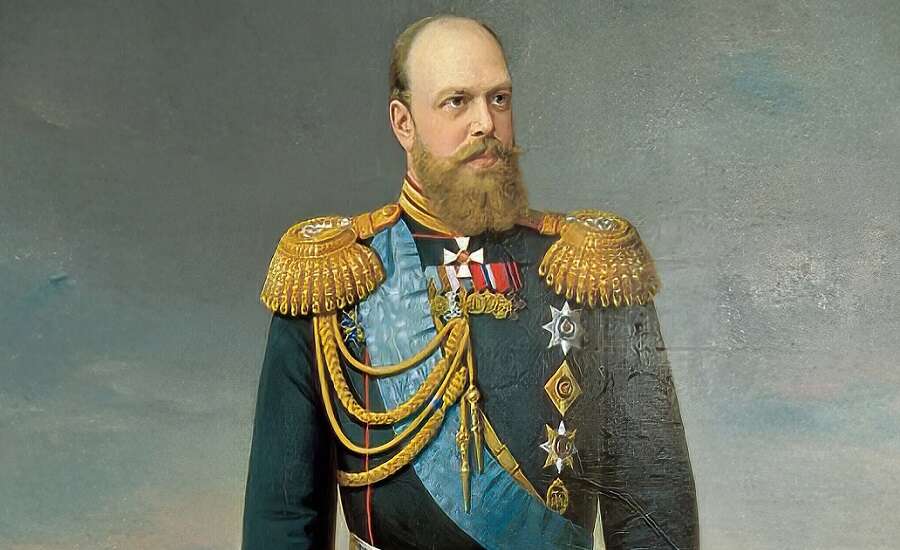
Following the assassination of Alexander II in 1881, Alexander III established a staunchly autocratic and repressive regime that sought to strengthen state control, suppress opposition, and promote Russification while simultaneously pursuing industrial and economic development.
Accession, Autocracy, and State Security (1881)
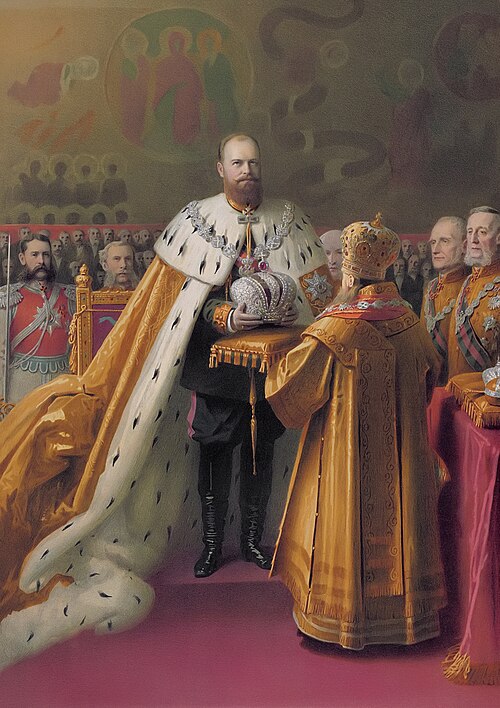
Following the sudden assassination of his father, Tsar Alexander III ascended the throne in 1881 with a clear determination that radical opposition was entirely unacceptable. The first casualties in his subsequent campaign of repression were Alexander II’s liberal ministers, notably General Loris-Melikov, who promptly left office. In their place came Konstantin Pobedonostsev, Chief Procurator of the Holy Synod of the Russian Orthodox Church, who wielded immense power and influence as the Tsar’s chief minister. Pobedonostsev masterminded Alexander III’s Manifesto, issued at the end of April 1881—just five weeks after the assassination of the “Tsar Liberator”. This document declared that absolute political power resided solely in the Tsar, reflecting Pobedonostsev’s unbending conservative belief that political and social stability lay in the firm support of autocracy, the Russian Orthodox Church, and Russian nationalism.
To immediately destroy the terror organization responsible for his father’s death, the People’s Will, the new government introduced the Statute of State Security in 1881. This statute established government-controlled courts to try political opponents without the need for a jury. Those convicted faced possible execution, and thousands were exiled to Siberia. Although intended as a temporary measure, these courts remained in existence until the end of the Tsarist autocracy in 1917.
The May Laws, Anti-Semitism, and Institutional Controls (1882–1884)
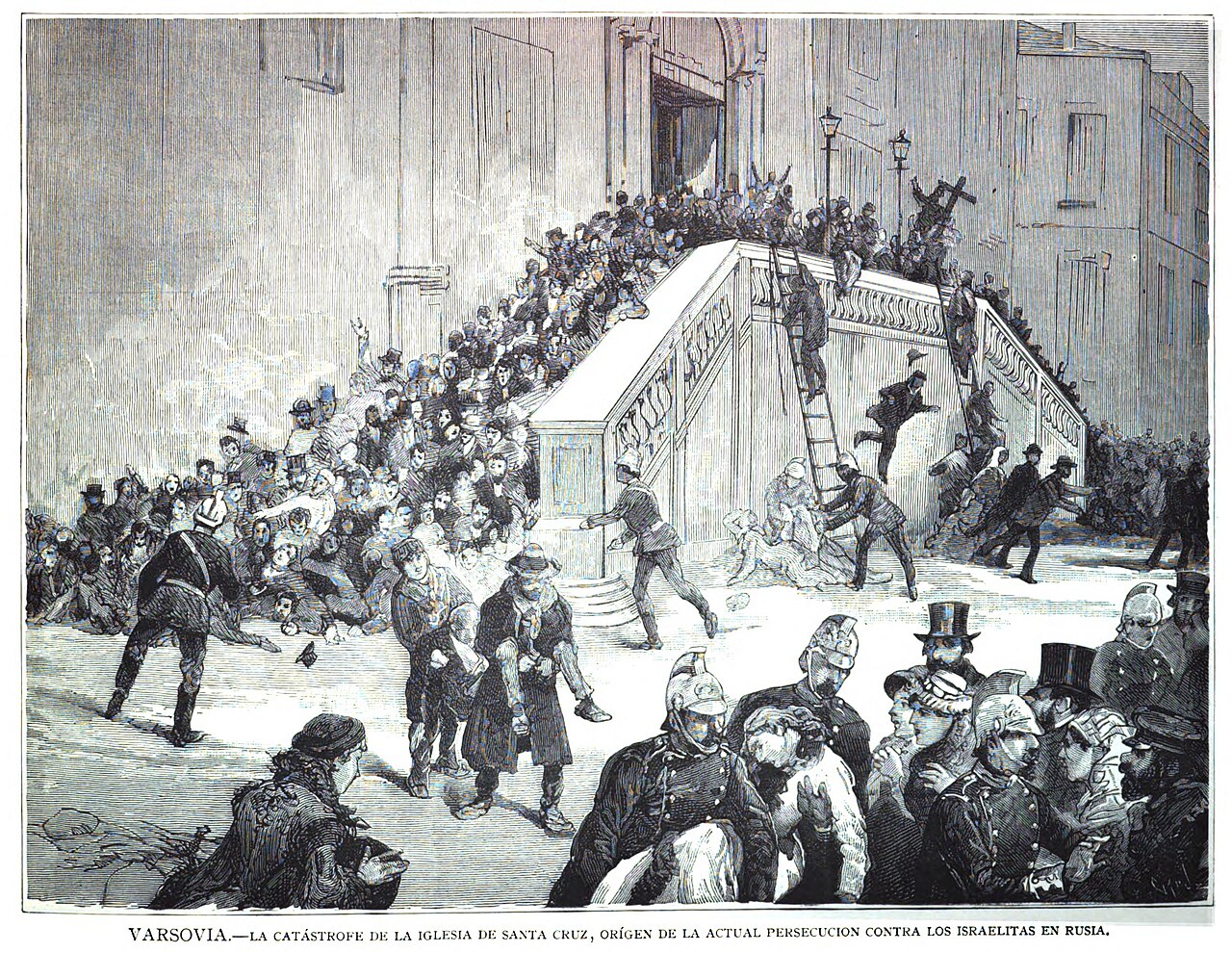
The regime quickly moved to implement rigorous social and media controls to prevent the spread of liberal and radical ideas. Press freedom was severely restricted, resulting in fourteen major newspapers being banned between 1882 and 1889 for displaying “liberal” tendencies, while foreign books and newspapers were rigorously censored by the Okhrana secret police to block ideas of democracy and parliamentary government. The government also interfered with the judicial system after 1882 by introducing closed, secret trials for political offences. Simultaneously, Alexander III fully embraced anti-Semitism, famously remarking on a university restriction law, “Let us never forget that it was the Jews who crucified Jesus”.
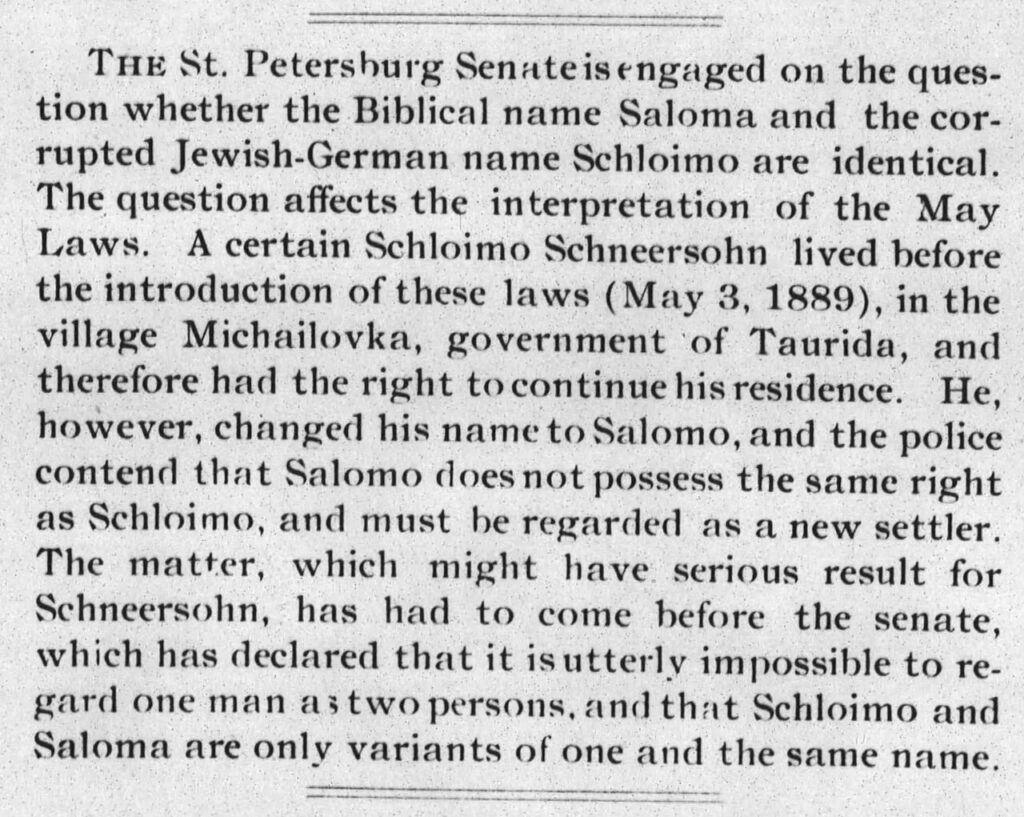
To diminish the economic, political, and social rights of Jewish communities, the government passed the May Laws of 1882, which banned Jews from specific areas and stopped them from obtaining certain jobs. This legal discrimination encouraged a massive increase in organised or government-approved violent mob attacks known as pogroms, involving robbery, rape, beating, and murder, which eventually forced thousands of Jews to flee Russia for North America and western Europe by the early 1890s. Infrastructure expansion saw progress during this time with the opening of the Batumi-Baku railway line in 1883, linking the Baku oilfields to the Black and Caspian Seas to boost exportation. By 1884, the state targeted higher education; universities lost their self-government, came under direct government control, and saw their fees drastically increased to intentionally exclude all but the very wealthy.
Russification and Early Labor Legislation (1885–1886)
In an effort to bring unity and cohesion to a sprawling, multi-racial empire, Alexander III intensified the policy of “Russification” by insisting on the universal use of Russian. In 1885, Russian was officially designated the language of the entire Russian Empire. This meant all official documents had to be drafted in Russian, and all other regional languages were strictly forbidden in schools, even in provinces where non-Russian nationalities constituted the clear majority. This policy inflicted severe cultural restrictions on Poland and the Baltic lands of Estonia, Latvia, and Lithuania, and provoked immense resentment in Central Asia, where populations were predominantly non-Russian and Muslim. On the economic and social front, the government began introducing regulated labour statutes to manage the swelling numbers of the working class. A law passed in 1885 prohibited the night-time employment of women and children in industrial settings. This was followed by an 1886 decree mandating that all industrial workers be formally employed under strict written contracts overseen directly by state factory boards.
Vyshnegradsky’s Financial Drive and Radical Crackdowns (1887–1888)
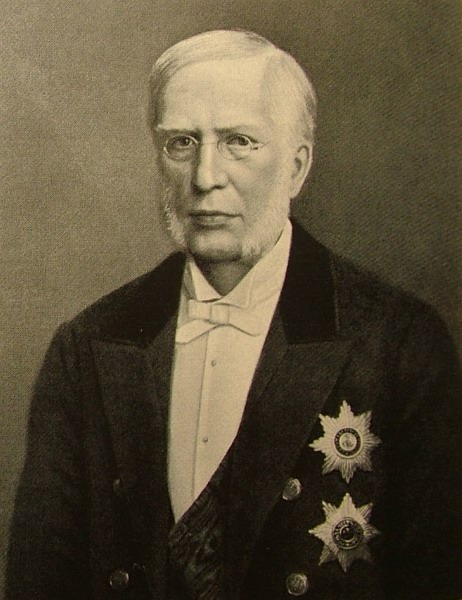
The year 1887 marked a significant turning point in both financial policy and revolutionary friction. Ivan Vyshnegradsky was appointed finance minister in 1887 and immediately strove to improve Russia’s finances and build up gold reserves by increasing indirect taxes, reducing imports through protective tariffs, and mounting an aggressive drive to swell grain exports. This economic push occurred against a backdrop of ongoing revolutionary violence; in 1887, underground remnants of the People’s Will made a failed attempt to assassinate Alexander III. In the fierce crackdown that followed, the Okhrana arrested and subsequently executed a university student named Alexander Ulyanov—the elder brother of Vladimir Ulyanov, who would later be known as Lenin. At this time, the empire’s industrial baseline stood at 30,888 factories employing 1.3 million factory workers. To further kick-start economic growth, Vyshnegradsky negotiated highly valuable foreign loans, notably securing major financial backing from the French in 1888.
The Land Captains and Centralization of Control (1889–1890)
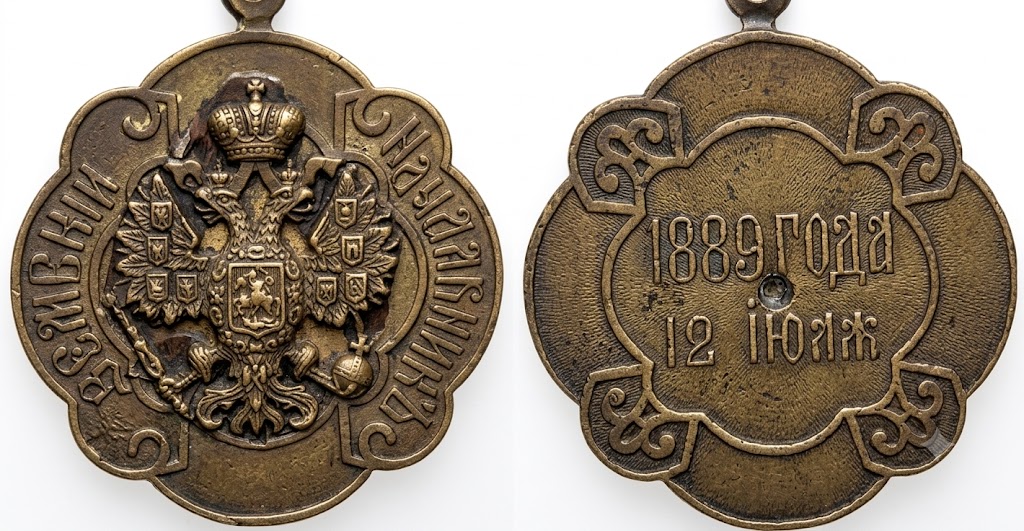
To solidify absolute state control over the rural population, the central government systematically began undoing the local government reforms of Alexander II. In 1889, the post of “Land Captain” was created to enforce local laws, entirely replacing the locally elected justices of the peace. Directly appointed by the Minister of the Interior from the landed nobility, Land Captains held wide-ranging powers to override zemstva elections, disregard council decisions, ignore normal judicial processes, and arbitrarily overturn local court judgements to impose punishments. The year 1889 also see student demonstrations against government control reach such a pitch that universities across Russia were temporarily closed down by authorities.
In 1890, the reach of the Land Captains was expanded further when they were formally made members of the zemstva local government bodies. Concurrently, the state restricted the zemstva’s electoral franchise to ensure that the landed aristocracy held dominant political power, explicitly banning professional classes such as doctors and schoolteachers from seeking election.
Tariffs, Expansion, and the Great Famine Crisis (1891–1892)
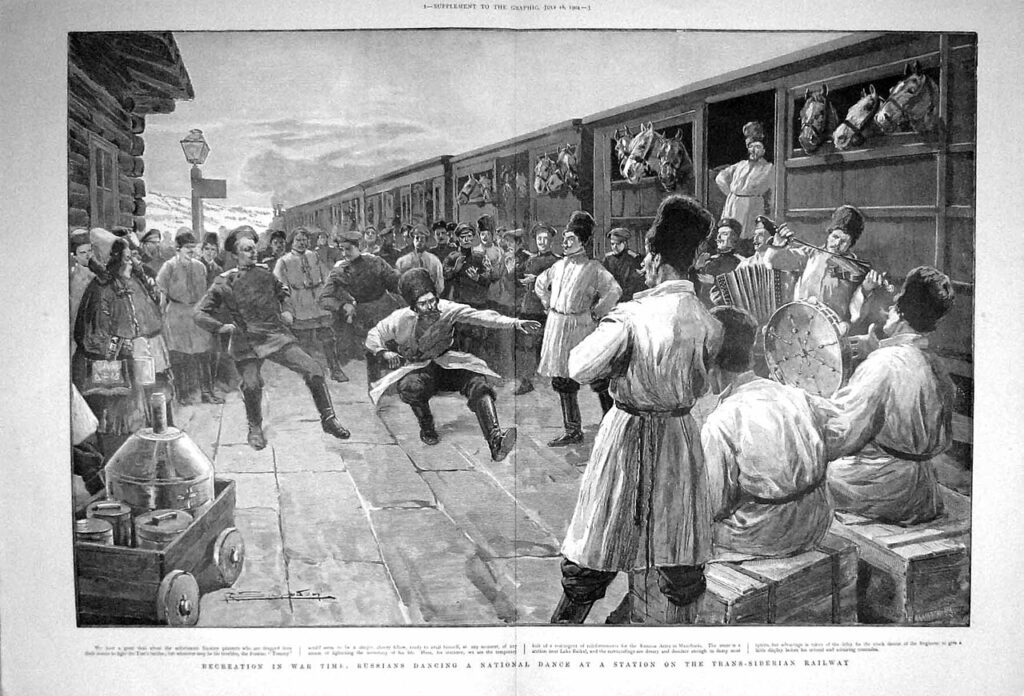
The final years of the reign were defined by extreme protectionism, territorial legislation, and human catastrophe. In 1891, the Tariff Act became law, raising import duties to 33% and heavily shielding Russian iron, industrial machinery, and raw cotton from foreign competition. In the same year, Alexander III passed the Steppe Statute to manage Central Asian expansion, granting 40 acres of state-owned land to incoming European Russian peasant settlers in the Kazak region while completely marginalising native nomadic peoples. To provide an immense industrial stimulus, the historic construction of the 7,000-kilometre Trans-Siberian railway line officially began in 1891 to link central European Russia with the Pacific Ocean at Vladivostok. However, Vyshnegradsky’s export policies directly triggered a national disaster; grain was ruthlessly requisitioned for foreign sales while domestic reserves were left empty, prompting Vyshnegradsky to famously declare, “We ourselves shall not eat, but we shall export”.
When an early winter combined with a long, hot, dry summer, it completely ruined crops and brought a widespread, devastating famine across 17 of Russia’s 39 provinces from 1891 to 1892. Weakened populations quickly succumbed to cholera and typhoid, leaving families destitute and resulting in the deaths of over 350,000 people from starvation or disease. The central government failed to organise adequate relief, leaving volunteer groups to aid the peasants. As a result of this national catastrophe, Vyshnegradsky was dismissed in 1892. He was replaced by Sergei Witte as Minister of Finance, who inherited an economy in which grain exports had technically risen by 18% between 1881 and 1891, resulting in a superficial budget surplus by 1892 despite widespread domestic misery. In 1892, the restrictive franchise laws previously applied to rural councils were extended to towns and cities, further reducing urban political representation. Social legislation in 1892 also officially forbade the employment of children under the age of 12 and banned female labour within mines.
The Twilight of the Reign and Industrial Legacy (1893–1894)
By the closing years of Alexander III’s reign, leading up to his death in 1894, the relentless state-directed push for heavy industrialization had fundamentally altered the Russian economic landscape. Under the early guidance of Witte, the state increasingly concentrated production into massive factory units of over 1,000 workers to sharply increase heavy goods output. Between 1880 and 1890, annual coal production had risen from 3.2 to 5.9 million metric tonnes, pig-iron had increased from 0.42 to 0.89 million metric tonnes, and crude oil had jumped from 0.5 to 3.9 million metric tonnes. By 1894, these production lines continued their steep upward trajectory, setting the stage for an average annual economic growth rate of over 8% in the decade to follow.
However, this rapid urban expansion came at a severe social cost; former peasant families packed into poorly constructed, dangerously overcrowded factory barracks that completely lacked adequate heating, running water, or sanitation systems. In St Petersburg, the urban population had swollen from 0.85 million in 1881 to nearly 1.5 million by the early 1900s. The rural economy remained largely ignored or sacrificed to fund this urban transition, leaving the vast majority of the population tied to the archaic practices of the local mir, burdened by heavy indirect taxes and outstanding redemption dues as the reign drew to its close in 1894.
Exam Zone
This section has been designed to help you build confidence, sharpen your skills, and achieve your best possible results. Whether you are preparing for mock exams, end-of-unit tests, or final assessments, the Exam Zone provides everything you need in one place.
The Exam Zone is not just about testing your knowledge. It is about developing the key historical skills required for success: critical thinking, evaluation, and clear written communication. By practising regularly and reflecting on feedback, you will strengthen both your understanding of the past and your performance in exams.